
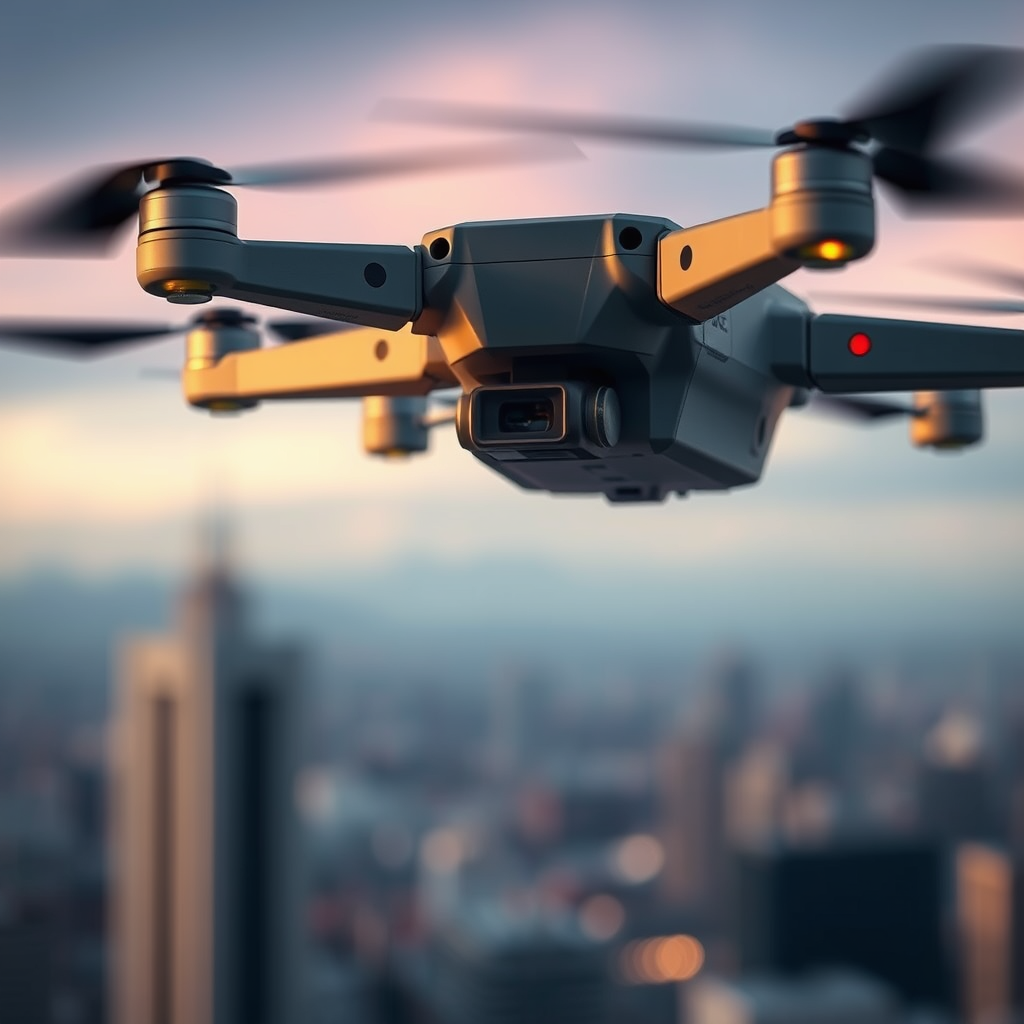
Most US drones can fly at altitudes ranging from 400 to 10,000 feet, depending on their type and purpose. Military drones, such as the Global Hawk, can reach much higher altitudes, up to 60,000 feet. This article delves into the various factors that influence drone flight heights, including regulations, drone types, and operational purposes. Understanding these nuances is crucial for stakeholders in the drone industry, from hobbyists to commercial operators and military entities.
Understanding Drone Altitude Regulations
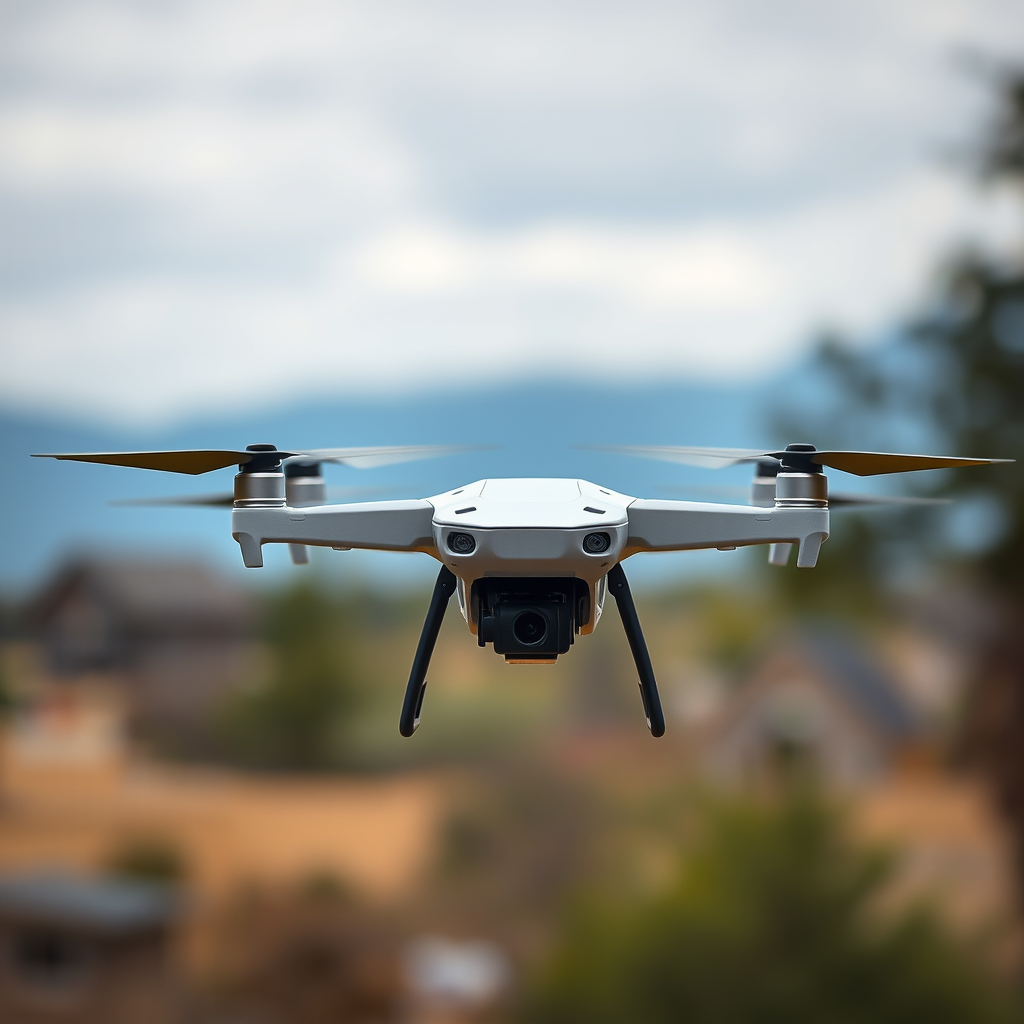
The Federal Aviation Administration (FAA) plays a pivotal role in regulating drone operations within the United States. For recreational drone pilots, the FAA restricts flight altitude to 400 feet above ground level. This regulation aims to minimize the risk of interference with manned aircraft and ensure safe airspace management. Recreational users can fly their drones at this height without needing special permissions, allowing for enjoyable recreational activities while adhering to safety standards.
However, commercial drones have different operational parameters. Operators seeking to fly above the 400-foot threshold can do so, but they must obtain special authorizations, often referred to as Part 107 Waivers. These waivers are typically granted for specific missions, such as aerial photography, surveying, or infrastructure inspections, where altitude may need to exceed the standard limit. The application process involves demonstrating a need for higher altitude operations and ensuring that the proposed use adheres to safety protocols.
Types of Drones and Their Altitude Capabilities
Drones come in various shapes and sizes, each designed for specific purposes, which significantly affects their altitude capabilities. Consumer drones, often utilized for personal photography or recreational flying, typically max out at around 400 feet. Models from brands like DJI, such as the Mavic and Phantom series, are engineered to comply with FAA regulations, ensuring that these drones remain within safe operational altitudes for hobbyists.
On the other hand, military drones boast impressive altitude capabilities. For instance, the MQ-9 Reaper, a prominent unmanned aerial vehicle (UAV) used by the military, can fly at altitudes exceeding 25,000 feet. This capability allows for long-range surveillance and reconnaissance missions, as it can cover vast areas while remaining out of reach of many conventional threats. The Global Hawk, another military drone, can operate at altitudes of up to 60,000 feet, making it suitable for high-altitude intelligence-gathering missions. The design and engineering of these drones enable them to handle the unique challenges associated with high-altitude flight.
Factors Influencing Maximum Flight Altitudes
Several factors influence the maximum flight altitudes of drones, the first being their design and intended use. Drones built for commercial applications often prioritize stability and endurance, which can dictate their altitude limits. For example, survey drones used in agriculture must be able to fly at altitudes where they can capture high-resolution images while covering large areas efficiently.
Environmental conditions also play a crucial role in determining flight performance at high altitudes. Factors such as temperature, air density, and wind patterns can significantly impact a drone’s ability to maintain stable flight. For instance, as altitude increases, air density decreases, which can affect lift and propulsion. Drone operators must account for these variables when planning high-altitude missions, adjusting their flight strategies to ensure optimal performance.
Additionally, regulatory compliance is a critical consideration. Drones intended for use in environments with strict altitude restrictions must be designed to operate safely within those limits. This interplay of design, operational purpose, and regulatory frameworks shapes the overall capabilities of drones in varying flight scenarios.
The Role of Technology in Drone Altitude
Advancements in technology have revolutionized the capabilities of drones, particularly regarding altitude control. Modern drones are equipped with advanced technologies such as GPS and autopilot systems, which enhance their ability to maintain precise altitudes during flight. These systems allow for automated altitude adjustments based on real-time data, ensuring that drones can respond effectively to changing conditions.
Moreover, high-altitude drones often incorporate specialized materials and engineering techniques to withstand the challenges posed by thinner air. For instance, the use of lightweight, durable materials can reduce the overall weight of the drone, enhancing its lift capabilities. Additionally, high-altitude drones may be equipped with enhanced propulsion systems that are specifically designed to operate efficiently at greater heights, making them suitable for missions that demand extended range and endurance.
As technology continues to evolve, we can expect to see further innovations in drone design and functionality, enabling higher operational ceilings and more sophisticated flight profiles.
Notable High-Altitude Drone Missions
Throughout their development, high-altitude drones have been employed in various significant missions that highlight their capabilities. The Global Hawk, for example, has conducted numerous surveillance missions at altitudes reaching 60,000 feet, providing critical intelligence for military operations and disaster response efforts. Its ability to loiter over target areas for extended periods allows for continuous data collection, making it an invaluable asset in modern warfare.
Research drones also play a vital role in atmospheric studies, operating at significant altitudes to gather data on weather patterns, climate change, and environmental monitoring. For instance, the NASA Global Hawk has been utilized in missions to study hurricanes and other weather phenomena, flying at altitudes that allow it to collect data from the upper reaches of the atmosphere. These missions have provided crucial insights into weather systems, contributing to advancements in meteorology and climate science.
Such high-altitude missions demonstrate the versatility and importance of drone technology in a variety of fields, from military applications to scientific research.
Future Trends in Drone Altitude Capabilities
As technology progresses, we can anticipate significant advancements in drone altitude capabilities. Innovations in battery technology, materials science, and propulsion systems are likely to lead to drones that can fly higher and longer than ever before. These improvements could enable drones to perform missions that were previously unfeasible, opening new avenues for exploration and research.
Furthermore, potential regulatory changes may expand permissible flying altitudes for various drone categories. As the FAA continues to adapt to the evolving drone landscape, stakeholders may see a shift in regulations that allows for higher operational ceilings, particularly for commercial and research applications. This evolution will require ongoing dialogue between regulators, industry leaders, and operators to ensure safety and compliance while fostering innovation.
In conclusion, the altitude at which US drones can fly varies significantly based on factors such as type, purpose, and regulations. While recreational drones are limited to 400 feet, military drones can reach impressive heights, facilitating a wide range of operations. As technology progresses, we can expect to see advances in drone capabilities and perhaps even changes in operational altitude limits. Staying informed about drone regulations and advancements is essential for understanding their potential and preparing for future developments in this dynamic field.
Frequently Asked Questions
What is the maximum altitude a US drone can fly legally?
In the United States, the Federal Aviation Administration (FAA) restricts the maximum altitude for recreational and commercial drones to 400 feet above ground level. This regulation is in place to ensure the safety of manned aircraft and to manage airspace effectively. However, some specific circumstances and types of drones may have different altitude restrictions, so it’s essential to consult FAA guidelines.
How does altitude affect drone performance?
The altitude at which a drone operates can significantly impact its performance, including battery life, signal strength, and stability. Higher altitudes can lead to thinner air, which may affect lift and the efficiency of the drone’s propellers. Additionally, operating at high altitudes can reduce the range of the remote control and GPS signals, making it crucial to consider altitude when planning a drone flight.
Why are there altitude restrictions for drones in the US?
Altitude restrictions for drones in the US are primarily in place to ensure air safety and prevent collisions with manned aircraft. By limiting drone flights to 400 feet, the FAA can better manage air traffic and maintain a safe distance between drones and commercial or private planes. These regulations also help protect the privacy and rights of individuals on the ground, ensuring drones are not flying too high or intruding into restricted airspace.
What types of drones can fly above 400 feet in the US?
Certain types of drones, such as those used by commercial operators with special waivers or exemptions, may be permitted to fly above 400 feet under specific conditions. For example, drones involved in surveying, inspection, or research may qualify for altitude exemptions if they receive FAA approval. It’s important for operators to apply for and follow the guidelines provided by the FAA to ensure compliance with regulations.
Which factors should I consider when flying a drone at high altitudes?
When flying a drone at high altitudes, consider factors such as battery life, wind conditions, and local regulations. High altitudes can lead to increased wind speeds, which may affect stability and control. Additionally, always confirm that you are adhering to FAA guidelines and any local laws regarding drone flight. Understanding these factors will help ensure a safe and effective flight experience while maximizing your drone’s capabilities.
References
- https://en.wikipedia.org/wiki/Unmanned_aerial_vehicle
- https://www.faa.gov/aircraft/air_cert/design_approvals/uas
- https://www.airforce.com/drones
- https://www.military.com/equipment/drones
- https://www.nytimes.com/2021/07/07/us/drones.html
- https://www.sciencedirect.com/science/article/pii/S2213138821000426
- https://www.bbc.com/news/technology-62900034
- https://www.cnbc.com/2021/07/23/how-high-can-drones-fly.html
