
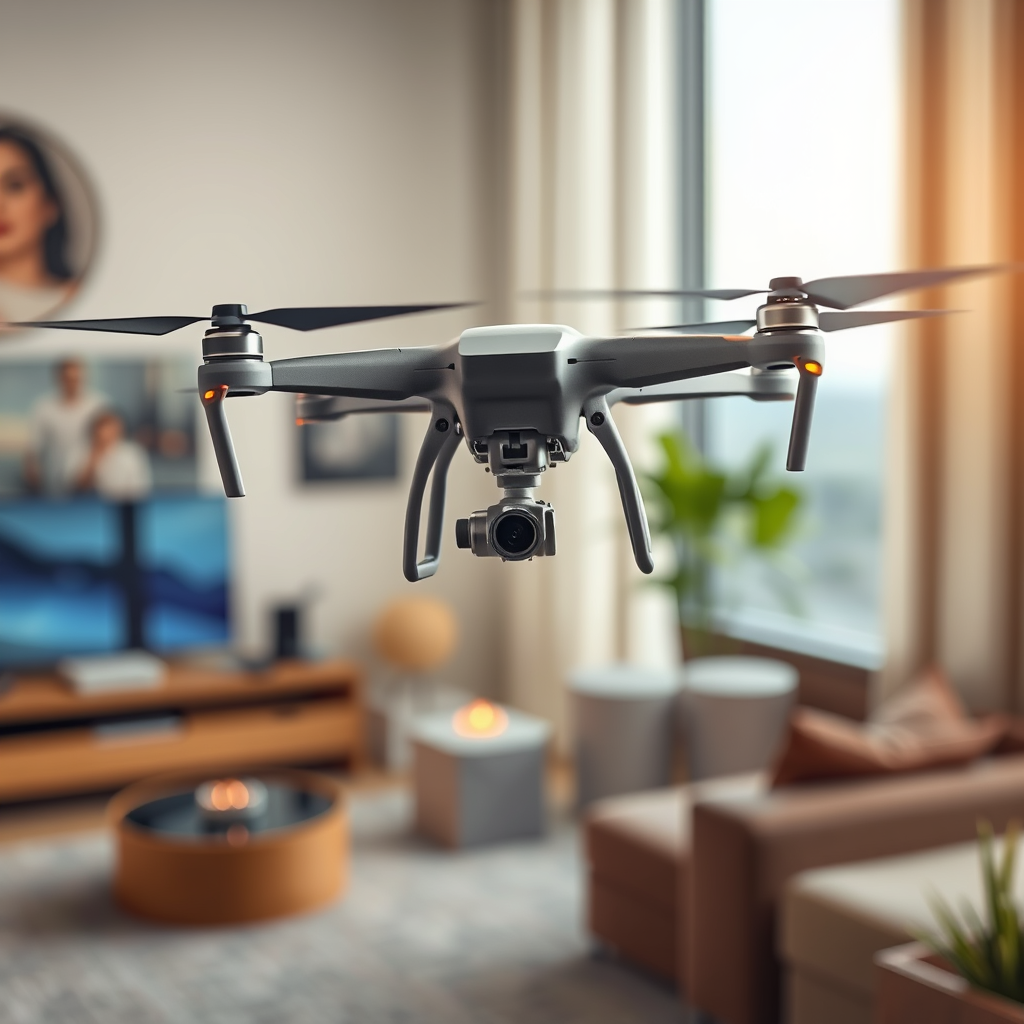
Drones can typically fly at altitudes ranging from 400 to 1,000 feet, depending on the type and regulations governing their use. Understanding how high drones can fly is crucial for both recreational and professional operators, as it directly impacts safety, compliance, and operational effectiveness. This article explores the factors influencing drone altitude, variations among different drone types, and the legal restrictions that apply, offering a complete picture of drone flight capabilities.
Understanding Drone Altitude Limits
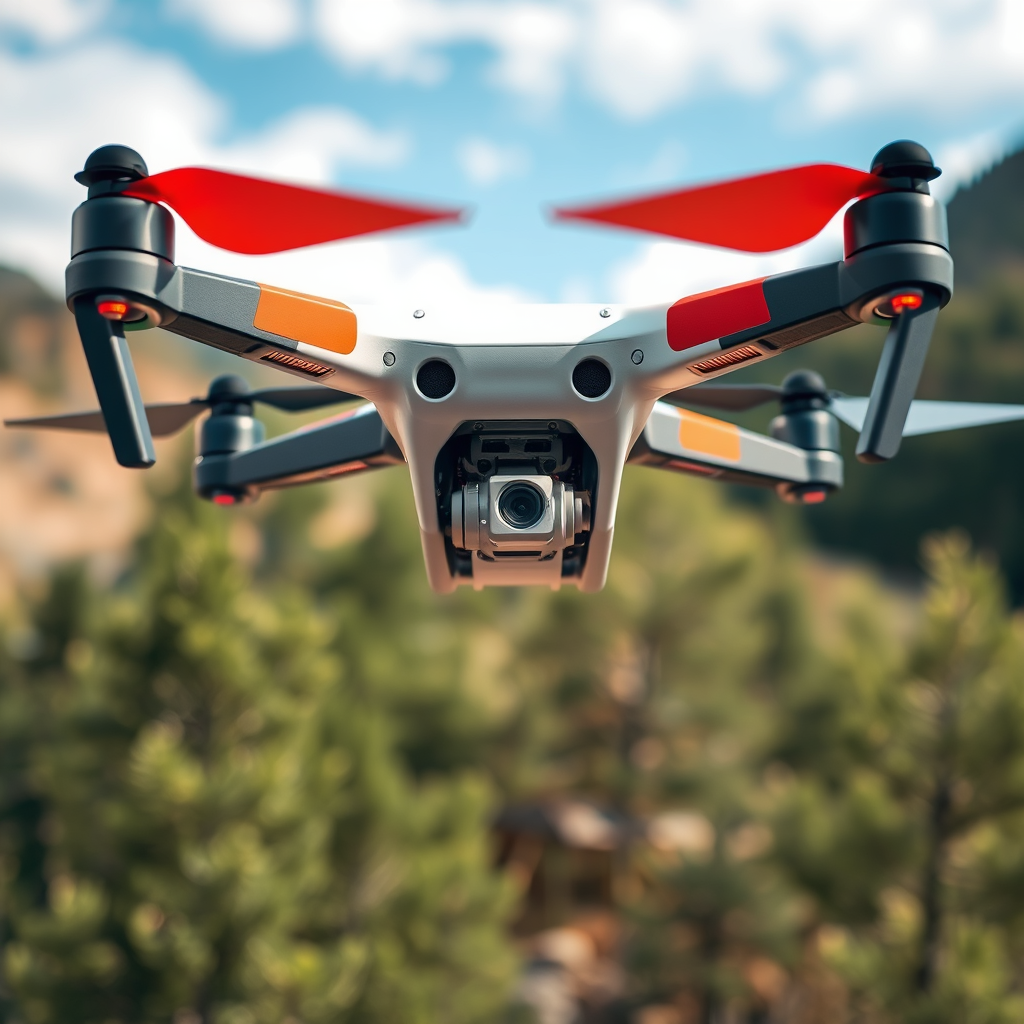
Most consumer drones are limited to a maximum altitude of 400 feet above ground level (AGL), a standard set forth by regulatory bodies such as the Federal Aviation Administration (FAA) in the United States. This limit is primarily designed to minimize the risk of collisions with manned aircraft, which typically operate at higher altitudes. However, professional drones, particularly those used in industries like surveying, agriculture, and filmmaking, may have the capability to fly higher due to advanced technology and specialized operational requirements. In these cases, operators often need to secure special permissions or waivers from aviation authorities to exceed standard altitude constraints.
For instance, some commercial drone applications, such as aerial inspections or search and rescue missions, may require flying above 400 feet to gain a comprehensive view of the area or to comply with specific situational demands. This flexibility allows for a broader range of applications but necessitates strict adherence to safety protocols and regulations.
Types of Drones and Their Altitude Capabilities
The altitude capabilities of drones vary significantly based on their design and intended use. Hobbyist drones, commonly used for recreational flying, typically have lower maximum flight ceilings, often capping out around 400 feet. These drones are designed with safety features to ease new operators into the hobby, emphasizing user-friendly controls and limited altitude capabilities to mitigate risks.
On the other hand, commercial drones are engineered for more demanding tasks, such as aerial photography, surveying, and agricultural monitoring. These drones often come equipped with advanced flight systems that allow them to reach altitudes that surpass 400 feet, especially when accompanied by necessary permissions. Furthermore, racing drones are specifically designed for speed and agility. These drones can achieve rapid ascent, allowing them to reach higher altitudes quickly during competitive racing events. However, their design focuses on horizontal speed rather than prolonged vertical flight, which may limit their effective operational altitude compared to more specialized commercial drones.
Regulatory Guidelines for Drone Flight
Regulatory frameworks for drone operation vary widely across the globe, but many jurisdictions set a maximum flight altitude of 400 feet for recreational use. In the United States, the FAA is the primary regulatory body overseeing drone operations. The FAA’s Part 107 rules apply to commercial drone users, who must also adhere to the 400-foot altitude limit unless they receive specific authorization.
However, other countries may impose stricter altitude limits or additional regulations. For example, in the United Kingdom, the Civil Aviation Authority (CAA) mandates that drones must not fly above 400 feet and must maintain a distance of at least 150 meters from congested areas. Understanding these regulatory guidelines is essential for drone operators to ensure compliance and avoid potential fines or legal issues.
In some cases, regulatory bodies may offer exemptions or special permissions for commercial operators to exceed the standard altitude limits. This often involves a rigorous application process where the operator must demonstrate a valid need for the higher altitude and outline safety measures to mitigate risks.
Factors Affecting Drone Flight Height
Several factors can influence a drone’s ability to maintain altitude, including environmental conditions, battery life, and payload weight. Weather conditions such as wind speed and air pressure play a significant role in flight stability. For instance, high winds can make it challenging for a drone to maintain its altitude and may result in an increased risk of crashes or loss of control. Consequently, pilots must monitor weather conditions closely before attempting high-altitude flights.
Battery life is another critical factor in determining how high a drone can fly. Drones operate on rechargeable batteries, and the amount of power available directly affects flight duration and altitude capabilities. A heavier payload, such as additional camera equipment or sensors, can also reduce battery efficiency, limiting flight height and duration. Operators must balance payload requirements with the need for altitude to ensure safe and effective operations.
Moreover, altitude can affect the drone’s performance in terms of air density. At higher altitudes, the air becomes thinner, which can impact lift and overall drone efficiency. Understanding these factors is crucial for operators seeking to maximize their drone’s performance while ensuring safety.
Technology Advancements and Future Altitudes
The drone industry is evolving rapidly, with technological advancements paving the way for higher and safer flight capabilities. Innovations in battery technology, such as lithium polymer (LiPo) batteries with improved energy density, are enabling drones to fly longer and at higher altitudes without compromising performance. Additionally, advancements in materials science are leading to the development of lighter and more robust drone frames, which can enhance flight efficiency.
Future developments may include the integration of artificial intelligence (AI) and machine learning to optimize flight paths and altitude management, further improving safety and operational capabilities. As drone technology continues to advance, we may see increased altitude performance in both commercial and recreational drones, which can open new avenues for applications in various sectors, including logistics, emergency response, and environmental monitoring.
Safety Considerations for High-Altitude Drone Flights
Flying at higher altitudes inherently increases the risk of collision with manned aircraft, which often operate at altitudes starting around 1,000 feet. Therefore, maintaining visual line of sight (VLOS) is crucial for safe operations, particularly when flying at greater heights. VLOS allows the operator to keep the drone within sight and make real-time decisions to avoid potential hazards.
Additionally, operators should conduct comprehensive risk assessments before attempting high-altitude flights. This includes evaluating the surrounding airspace for manned aircraft activity, understanding terrain features, and being aware of any temporary flight restrictions in the area. Utilizing software that provides real-time airspace information can assist operators in making informed decisions about safe flight operations.
Another key safety consideration is the need for effective emergency protocols. High-altitude flights may require contingency plans for potential malfunctions or loss of control. Operators should be trained in emergency response procedures, including how to safely retrieve a drone in case of an unexpected descent.
Tips for Maximizing Drone Altitude Safely
To maximize altitude safely, drone operators should always check local regulations before flying to ensure compliance with altitude restrictions and operational guidelines. Utilizing tools such as airspace maps and regulatory apps can help operators stay informed about the legal landscape governing drone operations in specific areas.
Conducting thorough pre-flight checks is another essential practice. This should include verifying that the drone’s batteries are fully charged, checking for firmware updates, and ensuring that all components are functioning correctly. Additionally, operators should assess the weather conditions before each flight, as adverse weather can significantly impact flight safety at higher altitudes.
Training is also vital for operators seeking to maximize altitude safely. Engaging in drone pilot training programs can enhance operational skills and knowledge of regulations, safety protocols, and emergency procedures. By investing in comprehensive training, operators can increase their confidence and competence in managing high-altitude drone flights.
In conclusion, while drones can fly at various altitudes based on type and regulations, understanding the legal and safety considerations is essential for responsible operation. With the right knowledge and preparation, operators can enjoy the full potential of their drones while ensuring compliance with regulations and maintaining safety in the air. Staying informed and adopting best practices will allow for effective and enjoyable drone operations in the future.
Frequently Asked Questions
What is the maximum altitude a consumer drone can fly?
The maximum altitude for a consumer drone often varies by model, but most can typically reach heights between 300 to 500 meters (1,000 to 1,600 feet) above ground level. However, it’s essential to adhere to local regulations, as many regions impose strict height limits, often capping drone flights at 120 meters (400 feet) to ensure safety and prevent interference with manned aircraft.
How high can commercial drones fly for surveying purposes?
Commercial drones used for surveying can often achieve altitudes of up to 400 meters (1,300 feet) or higher, depending on the specific requirements of the project and regulatory compliance. Some surveying applications may even require flying at lower altitudes to capture detailed images, so it’s crucial for operators to balance height with the quality of data collected while adhering to aviation regulations.
Why do some drones have altitude limits?
Drones have altitude limits primarily for safety reasons, to prevent collisions with manned aircraft and to comply with aviation regulations established by authorities like the Federal Aviation Administration (FAA) in the United States. Additionally, altitude limits help mitigate risks associated with loss of control and technical failures, ensuring that drone operations remain safe for both operators and the public.
Which factors affect a drone’s ability to fly at high altitudes?
Several factors can impact a drone’s ability to fly at high altitudes, including battery power, drone design, ambient temperature, and air density. As altitude increases, air density decreases, which can affect lift and battery performance, potentially leading to shorter flight times or reduced control. It’s important for drone operators to consider these factors when planning high-altitude flights.
What are the best practices for flying drones at high altitudes?
To safely fly drones at high altitudes, operators should follow best practices such as conducting thorough pre-flight checks, understanding local regulations, and continuously monitoring battery levels and signal strength. Additionally, using drones equipped with advanced sensors and GPS technology can help maintain stability and control, ensuring a safe flight experience even at higher elevations.
References
- https://en.wikipedia.org/wiki/Drone
- https://www.faa.gov/uas/getting_started/where_to_fly
- https://www.nytimes.com/2020/07/02/business/drone-delivery.html
- https://www.reuters.com/technology/drone-altitude-record-set-2021-04-27/
- https://www.nasa.gov/feature/nasa-s-uav-traffic-management-research
- https://www.sciencedirect.com/science/article/pii/S2213138820300404
- https://www.theguardian.com/us-news/2021/feb/11/drones-military-use-technology-explained
- https://www.abc.net.au/news/2021-02-16/what-are-the-limits-of-drone-technology/13158166
