
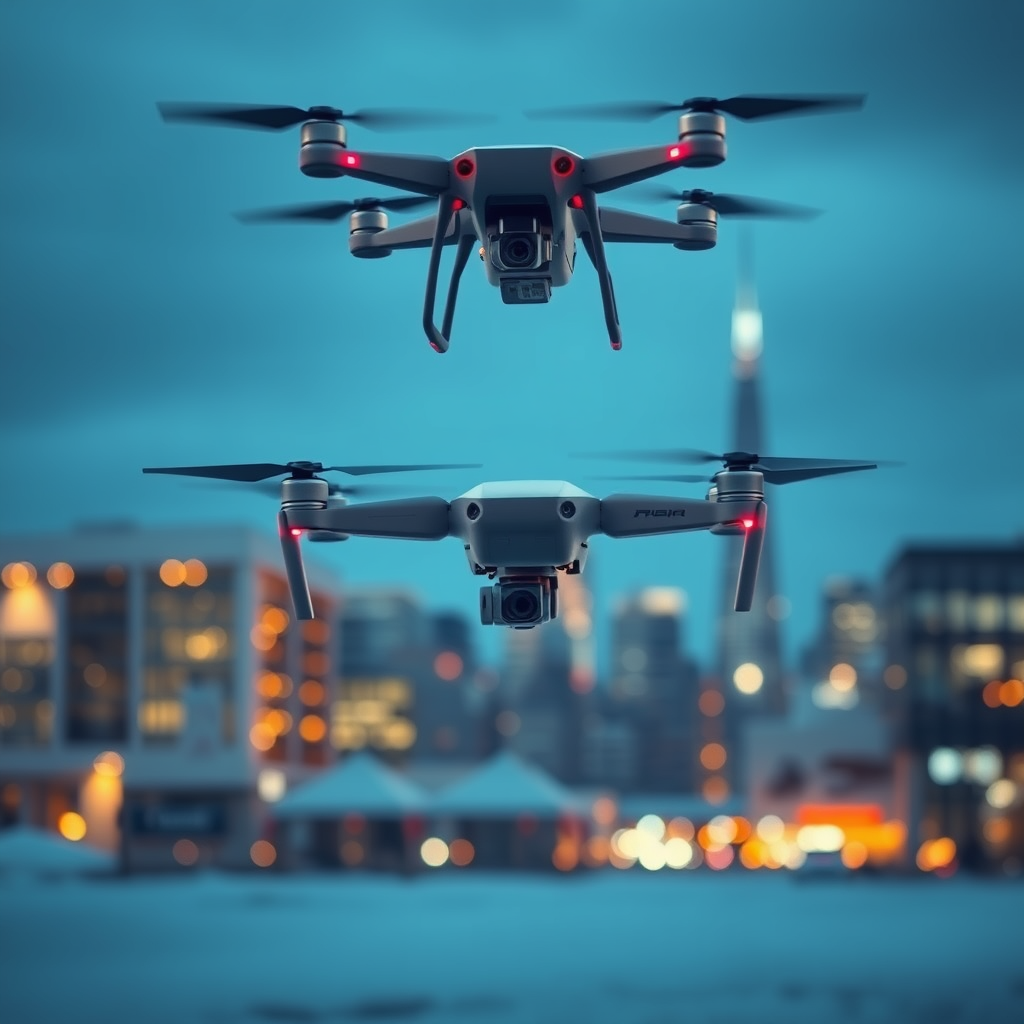
In Canada, you can typically fly your drone up to a maximum altitude of 122 meters (400 feet) above ground level. This regulation is crucial for maintaining the safety of the airspace, ensuring that both manned and unmanned aircraft can coexist without incident. Understanding the key regulations, exceptions, and considerations surrounding drone flight in Canada can help pilots fly responsibly and legally while enjoying the benefits that drone technology has to offer.
Understanding Canadian Drone Regulations
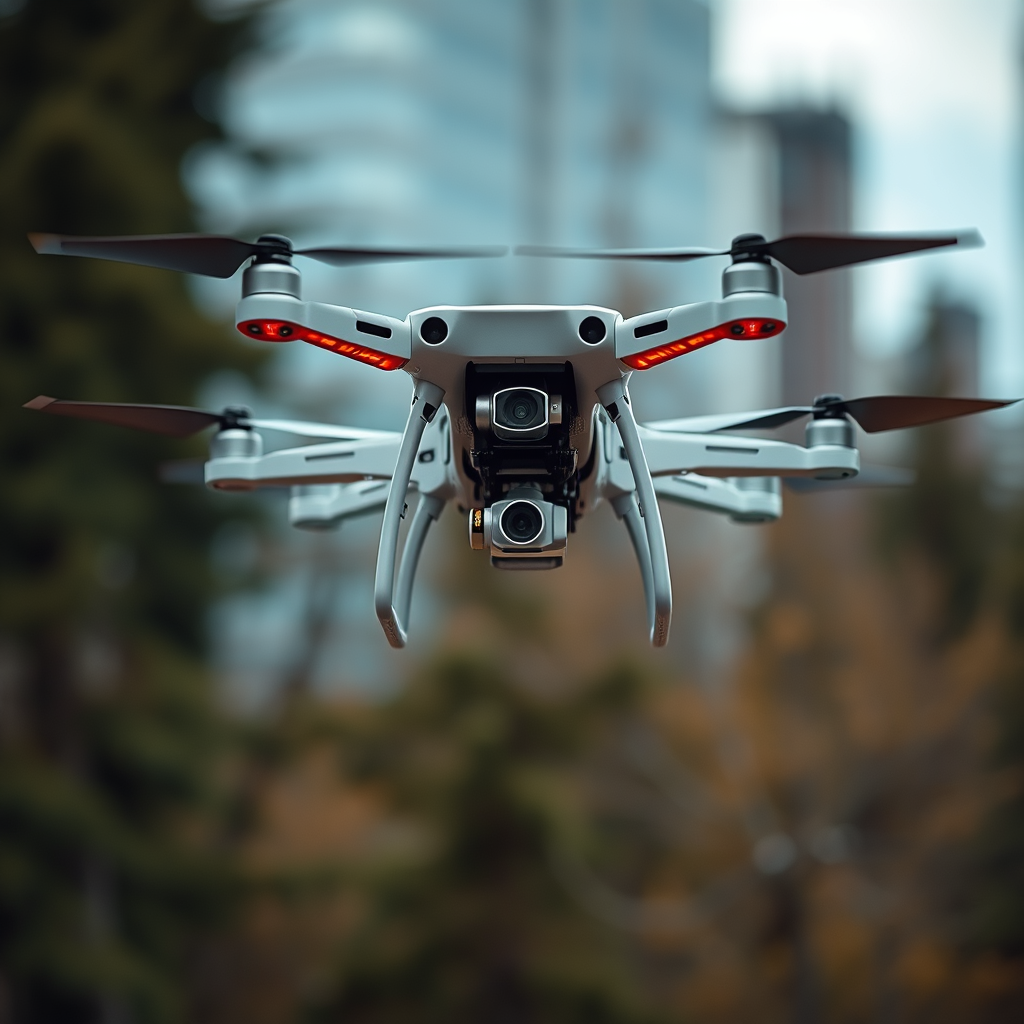
Transport Canada is the governing body that oversees drone operations under the Canadian Aviation Regulations (CARs). These regulations were implemented to ensure safety in the national airspace and to provide a framework for both recreational and commercial drone use. Pilots are expected to familiarize themselves with these regulations, which encompass a variety of guidelines, including altitude limits, airspace restrictions, and operational protocols.
For recreational drone pilots, understanding the difference between Basic and Advanced operations is essential. Basic operations allow for flying in uncontrolled airspace, while Advanced operations permit flying in controlled airspace, but require additional knowledge and training. Commercial drone pilots must adhere to stricter regulations, as their activities are subject to certification and ongoing compliance checks.
Maximum Altitude Limits
The standard maximum altitude for flying drones in Canada is set at 122 meters (400 feet) above ground level. This limit is in place to minimize the risk of collisions with manned aircraft, which typically operate at higher altitudes. The 400-foot ceiling is a universally acknowledged standard in many countries, facilitating international travel and coordination for drone pilots.
While the maximum altitude is 122 meters, there are specific situations where special exemptions can be granted. For instance, individuals conducting aerial photography, surveying, or conducting research may apply for a waiver to fly at higher altitudes. However, these exemptions require thorough justification and adherence to safety protocols, including advanced notice to relevant authorities and ensuring that the risk to other aircraft is mitigated.
Airspace Restrictions
Airspace in Canada is categorized into controlled and uncontrolled zones, each with its own set of restrictions. Certain areas, particularly near airports, military bases, and other sensitive installations, impose additional altitude restrictions that must be respected. For example, flying near an airport often requires approval from air traffic control, and drones are prohibited from flying within a specific radius.
To navigate these restrictions effectively, pilots should utilize drone flight apps or maps provided by Transport Canada. These resources offer real-time information about no-fly zones, airspace classes, and other relevant data essential for safe drone operation. Additionally, maintaining awareness of temporary airspace restrictions, such as those that may arise during special events or emergencies, is crucial for compliance.
Safety Considerations
Safety should always be a priority for drone pilots. To ensure safe operations, it is imperative to maintain a visual line of sight with your drone while flying. This means that pilots should always be able to see their drone without the aid of binoculars or other devices. Maintaining visual contact allows for better situational awareness and quicker reactions in case of potential hazards.
Moreover, pilots should avoid flying in adverse weather conditions, such as high winds, rain, or fog, which can significantly affect the drone’s performance. For example, strong winds may lead to loss of control, while rain can damage electronic components. Pilots should also be mindful of the safety of people and property below, ensuring that their drone operations do not pose a risk to others.
Drone Registration and Pilot Certification
In Canada, drones that weigh over 250 grams must be registered with Transport Canada. The registration process is straightforward and can be completed online, providing pilots with a unique identification number that must be displayed on the drone. This requirement not only helps in tracking lost drones but also enhances accountability among pilots.
For those operating drones for commercial purposes, obtaining a pilot certificate is mandatory. The process involves completing a knowledge test to demonstrate an understanding of aviation regulations, meteorology, and safe flying practices. Additionally, pilots must undergo practical training to ensure they can operate their drones safely and effectively. The certification process serves to elevate the professionalism of the industry, enhancing safety for both drone pilots and the general public.
Local Laws and Community Guidelines
It is essential for drone pilots to be aware that some provinces and municipalities in Canada have their own specific rules regarding drone usage. These regulations can vary widely and may impose additional restrictions beyond the federal guidelines set by Transport Canada. For instance, urban areas may have stricter rules concerning flying over populated areas, parks, or private property.
Researching local regulations is vital to ensure compliance and avoid potential fines. Engaging with local communities and drone clubs can also provide insight into best practices and legal considerations specific to your area. Being proactive about understanding these guidelines not only ensures lawful operation but also fosters a positive relationship with the community.
Resources for Drone Pilots
To stay informed about the ever-evolving landscape of drone regulations, pilots should regularly consult Transport Canada’s website. There, they can find comprehensive resources, including updates on regulations, safety tips, and information on upcoming workshops or training sessions.
Additionally, joining local drone flying clubs or online forums can provide invaluable support and advice from fellow drone enthusiasts. These platforms often share experiences, tips on safe flying, and updates regarding local events or regulatory changes. Networking with other pilots can also enhance your flying skills and broaden your understanding of the drone community.
In conclusion, while the general maximum altitude for flying drones in Canada is 122 meters (400 feet), it is crucial to stay informed about regulations, local laws, and safety practices. Compliance with Transport Canada’s guidelines, awareness of airspace restrictions, and a commitment to safety will enhance the flying experience. Ultimately, by understanding the framework of drone operation in Canada, pilots can enjoy the thrill of flying while ensuring the safety of themselves and others.
Frequently Asked Questions
What is the maximum altitude I can fly my drone in Canada?
In Canada, the maximum altitude for flying a drone is generally set at 400 feet (122 meters) above ground level. This regulation is established by Transport Canada to ensure the safety of airspace and to prevent interference with manned aircraft. Always check local regulations and airspace restrictions, as there may be exceptions or lower altitude limits in certain areas.
How do I check if I can fly my drone at higher altitudes in Canada?
To determine if you can fly your drone at higher altitudes in Canada, you should consult the Canadian Aviation Regulations and use online tools such as the NAV CANADA’s “Drone Flight Planning” app. This app provides detailed information on airspace classifications, altitude restrictions, and no-fly zones, helping you to stay compliant with the law and fly safely.
Why are there altitude restrictions for drones in Canada?
Altitude restrictions for drones in Canada are in place primarily for safety and regulatory reasons. These limitations help minimize the risk of collisions between drones and manned aircraft, protect sensitive areas, and safeguard people and property on the ground. By adhering to these guidelines, drone operators contribute to a safer flying environment.
What should I do if I want to fly my drone above 400 feet in Canada?
If you wish to fly your drone above 400 feet in Canada, you must obtain a Special Flight Operations Certificate (SFOC) from Transport Canada. This process involves submitting a detailed application that outlines your intended flight plan, safety measures, and risk mitigation strategies. Approval is granted on a case-by-case basis, so ensure you provide comprehensive information to improve your chances of receiving permission.
Which drones are allowed to fly above 400 feet in Canada?
In Canada, most consumer drones are restricted to a maximum altitude of 400 feet without special permission. However, certain professional or commercial drones may be granted permission to fly higher if the operator has obtained an SFOC. Always ensure that your drone is compliant with Transport Canada regulations and that you are licensed to operate it safely before attempting higher altitude flights.
References
- https://www.tc.gc.ca/en/services/aviation/drone-safety.html
- https://www.canada.ca/en/transport-canada/services/drone-safety.html
- https://www.cbc.ca/news/canada/drone-regulations-canada-1.5226900
- https://www.nrcan.gc.ca/science-data/science-research/earth-sciences/geomatics/geospatial-data-standards/drone-usage-canada/19650
- https://en.wikipedia.org/wiki/Unmanned_aerial_vehicle#Regulations_in_Canada
