
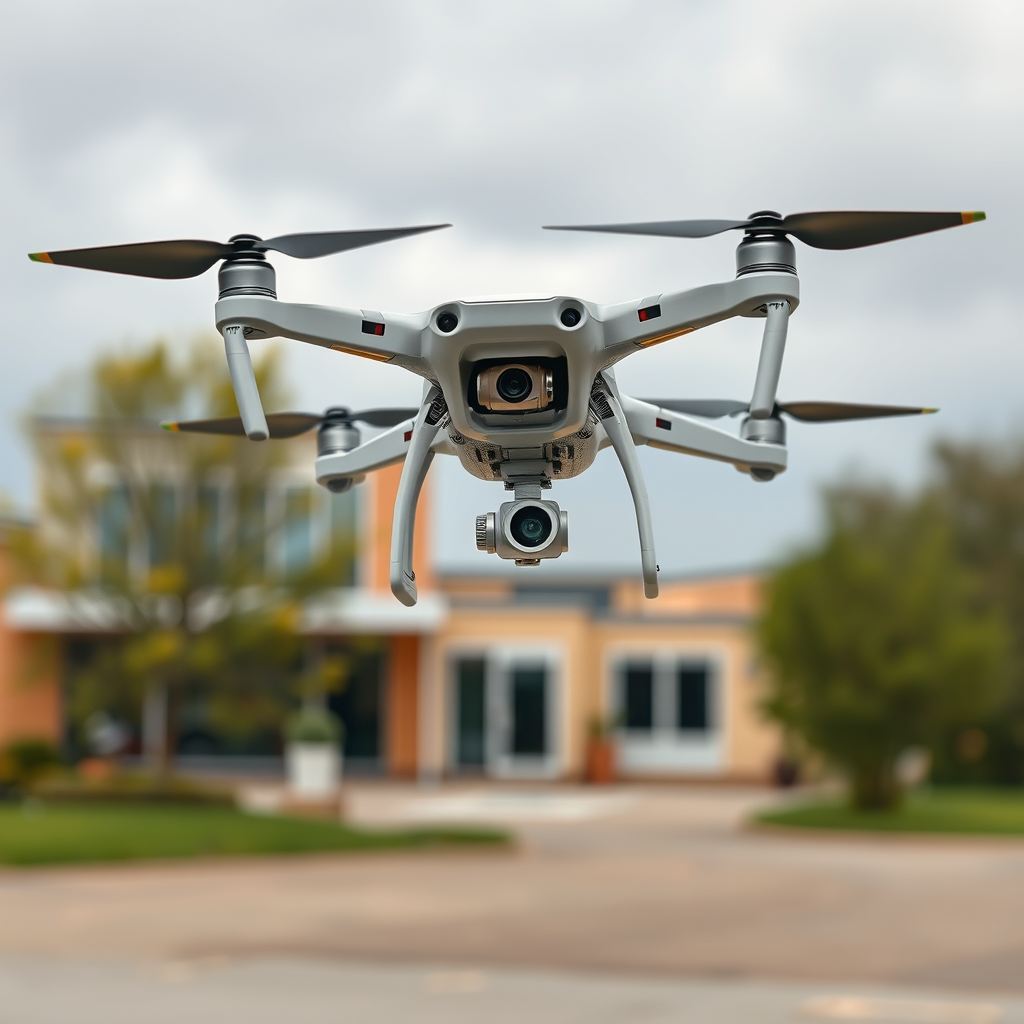
In the UK, the maximum altitude you can fly a drone is 400 feet (120 meters) above ground level. This regulation is designed to ensure safety and compliance with airspace rules, minimizing the risk of collisions with manned aircraft and other hazards. Understanding these regulations, as well as the factors that influence drone altitude, is crucial for both novice and experienced drone pilots. In this article, we will explore the various regulations, considerations, and best practices for safe and responsible drone operation in the UK.
Understanding UK Drone Regulations
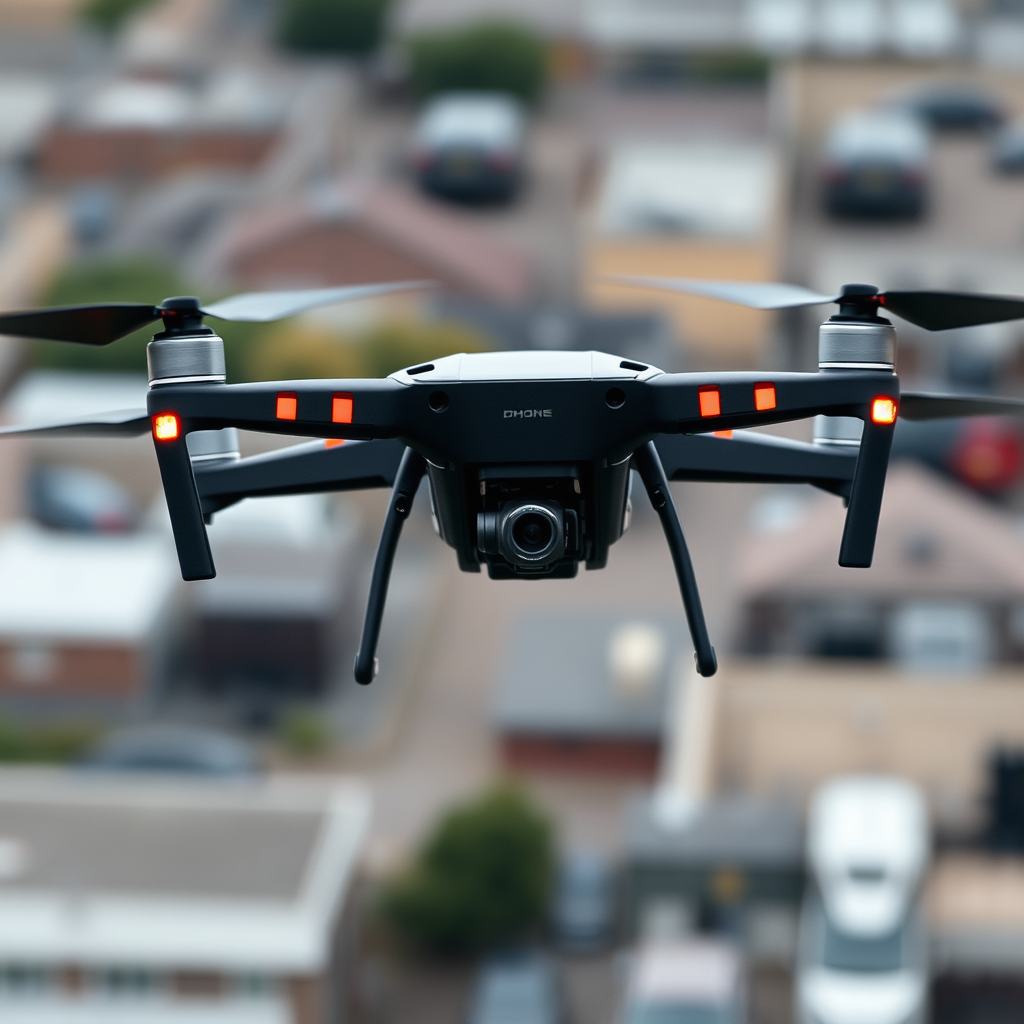
The Civil Aviation Authority (CAA) governs all aspects of drone operation in the UK, establishing guidelines to ensure the safe use of drones in a variety of contexts. Under current regulations, drones must not be flown above 400 feet without obtaining specific permissions from the CAA. This altitude limit is in place to protect both drone pilots and the general public, as well as to maintain the integrity of controlled airspace.
Additionally, the CAA requires drone operators to register their drones and obtain a flyer ID, which demonstrates that they are aware of the rules and responsibilities involved in operating a drone. Compliance with these regulations is not only a legal requirement but also a critical step in promoting safe flying practices. Failure to adhere to these guidelines can result in significant penalties, including fines and the potential for criminal charges.
Factors Influencing Maximum Altitude
While the 400 feet altitude limit serves as a general guideline for drone operation in the UK, it is important to recognize that local airspace restrictions may also affect flying height. Areas around airports, military bases, and other restricted zones often require special considerations. For instance, if you are flying near an airport, you might encounter further limitations, as controlled airspace usually extends vertically well above 400 feet.
In addition to airspace restrictions, various other factors can influence maximum altitude, including weather conditions and local wildlife. For example, flying in areas with significant bird activity might necessitate lower altitudes to avoid potential collisions. Awareness of these factors can help drone pilots make informed decisions and operate their drones safely within the legal framework.
Types of Drones and Their Capabilities
The type of drone you are operating can significantly influence its flying capabilities and maximum altitude. Drones are designed for various purposes—ranging from recreational use to professional applications—and their specifications can vary widely. Consumer drones, often used for photography or leisurely flying, typically have a maximum altitude of around 400 feet, aligning with the legal regulations.
On the other hand, commercial drones, which may be used for surveying, agricultural monitoring, or search-and-rescue operations, can often be equipped with advanced technology that allows for higher altitudes when permitted. These drones might have maximum operational ceilings well above 400 feet, but operators must still secure the appropriate permissions from the CAA before exceeding the standard altitude limit. Understanding the capabilities of your specific drone model is essential for ensuring compliance and safe operation.
Responsibilities of Drone Pilots
As a drone pilot, you bear significant responsibility for ensuring the safety of your flights and those around you. One of the key requirements is to maintain awareness of your surroundings, which includes avoiding obstacles such as buildings, trees, and other aircraft. This vigilance is crucial, especially when flying at higher altitudes or in congested areas.
Moreover, maintaining a visual line of sight (VLOS) with your drone is not only a legal requirement but also a best practice for safe flying. VLOS ensures that you can react promptly to any potential hazards and helps you keep track of your drone’s position. Failing to adhere to these responsibilities can lead to accidents, compromised safety, and potential legal repercussions. Pilots should always conduct thorough pre-flight checks and stay informed about their operational environment to mitigate risks.
Obtaining Permissions for Higher Altitude Flights
If your drone operation requires flying above the standard 400 feet limit, you must seek special permissions from the CAA. This process typically involves submitting a detailed application that outlines the purpose of the flight, the proposed altitude, and a comprehensive risk assessment. The CAA reviews these applications to ensure that the proposed flight aligns with safety standards and airspace regulations.
In practice, obtaining such permissions can be a meticulous process, often requiring pilots to demonstrate a robust understanding of airspace management and risk mitigation strategies. It is advisable to begin this process well in advance of your planned flight to allow for any potential delays in approval. Additionally, having a solid plan in place can enhance the likelihood of a successful application.
Tips for Safe Drone Operation
To ensure safe drone operations, pilots should adopt a proactive approach by regularly checking local laws and regulations before each flight. Resources such as the CAA’s official website and dedicated drone apps can provide valuable insights into airspace restrictions, weather conditions, and other essential information.
Additionally, investing in drone safety training and acquiring knowledge about emergency procedures can significantly enhance a pilot’s confidence and competency in the field. Engaging in local drone communities or forums can also provide opportunities for sharing experiences and learning from other pilots. Lastly, conducting thorough pre-flight checks, including battery status, GPS functionality, and camera operations, can help prevent in-flight issues and ensure a safe flying experience.
In conclusion, while the maximum altitude for flying a drone in the UK is set at 400 feet, a comprehensive understanding of regulations, responsible flying practices, and awareness of local airspace conditions are essential for all drone operators. By adhering to these guidelines, obtaining necessary permissions when required, and prioritizing safety, drone pilots can enjoy their aerial adventures while minimizing risks and ensuring compliance with legal standards. Stay informed, fly responsibly, and embrace the thrilling experience of drone flying in the UK!
Frequently Asked Questions
What is the maximum altitude I can fly my drone in the UK?
In the UK, the maximum altitude for flying a drone is generally capped at 120 meters (400 feet) above ground level. This regulation is set by the Civil Aviation Authority (CAA) to ensure safety and prevent interference with manned aircraft. Always ensure that you are also complying with any local regulations or restrictions that may apply to specific areas.
How do I check if I can fly my drone at a specific height?
To determine if you can fly your drone at a specific height, use the CAA’s drone safe app or website, which provides information on airspace restrictions and altitude limits. Additionally, consider any nearby airports or controlled airspace, as these areas may have stricter altitude regulations. Always perform a pre-flight check to ensure compliance with all relevant regulations and safety guidelines.
Why are there altitude restrictions for drone flights in the UK?
Altitude restrictions for drone flights in the UK are primarily in place to ensure the safety of all airspace users, including manned aircraft. By limiting drone altitudes to 120 meters (400 feet), the CAA aims to reduce the risk of collisions and enhance overall airspace management. These regulations help maintain a safe environment for both recreational and commercial drone operators.
What are the best practices for flying a drone near the maximum altitude in the UK?
When flying a drone close to the maximum altitude of 120 meters (400 feet), always maintain visual line of sight with your drone and avoid flying over populated areas or gatherings. Familiarize yourself with the local airspace regulations and use a reliable drone app to monitor altitude and ensure compliance. It’s also advisable to have a contingency plan in case of unexpected situations, such as changing weather conditions or the need to land quickly.
Which drones are suitable for flying at higher altitudes in the UK?
Most consumer drones are designed to operate safely within the UK’s altitude limits of 120 meters (400 feet). However, for those looking to fly at higher altitudes (under controlled conditions), consider professional-grade drones that are equipped with advanced stabilization systems and GPS technology. Popular models such as the DJI Phantom series or the Mavic series are recommended, as they offer robust features for safe and compliant flying in various environments. Always check the manufacturer’s specifications and ensure compliance with UK regulations when operating at higher altitudes.
References
- https://www.caa.co.uk/Consumers/Unmanned-aircraft/Drone-safety/
- https://www.gov.uk/government/publications/drone-safety-guidance-for-operators
- https://www.bbc.com/news/technology-48662161
- https://www.theguardian.com/technology/2020/jul/02/drone-flying-rules-uk-what-you-need-to-know
- https://en.wikipedia.org/wiki/Unmanned_aerial_vehicle#Regulations
- https://www.nats.aero/airspace/drone-safety/
- https://www.researchgate.net/publication/330123456_Regulations_for_Drones_in_the_UK
- https://www.surveys.co.uk/drone-flying-height-restrictions-in-the-uk/
- https://www.flybydrone.co.uk/uk-drone-flying-height-regulations/
