
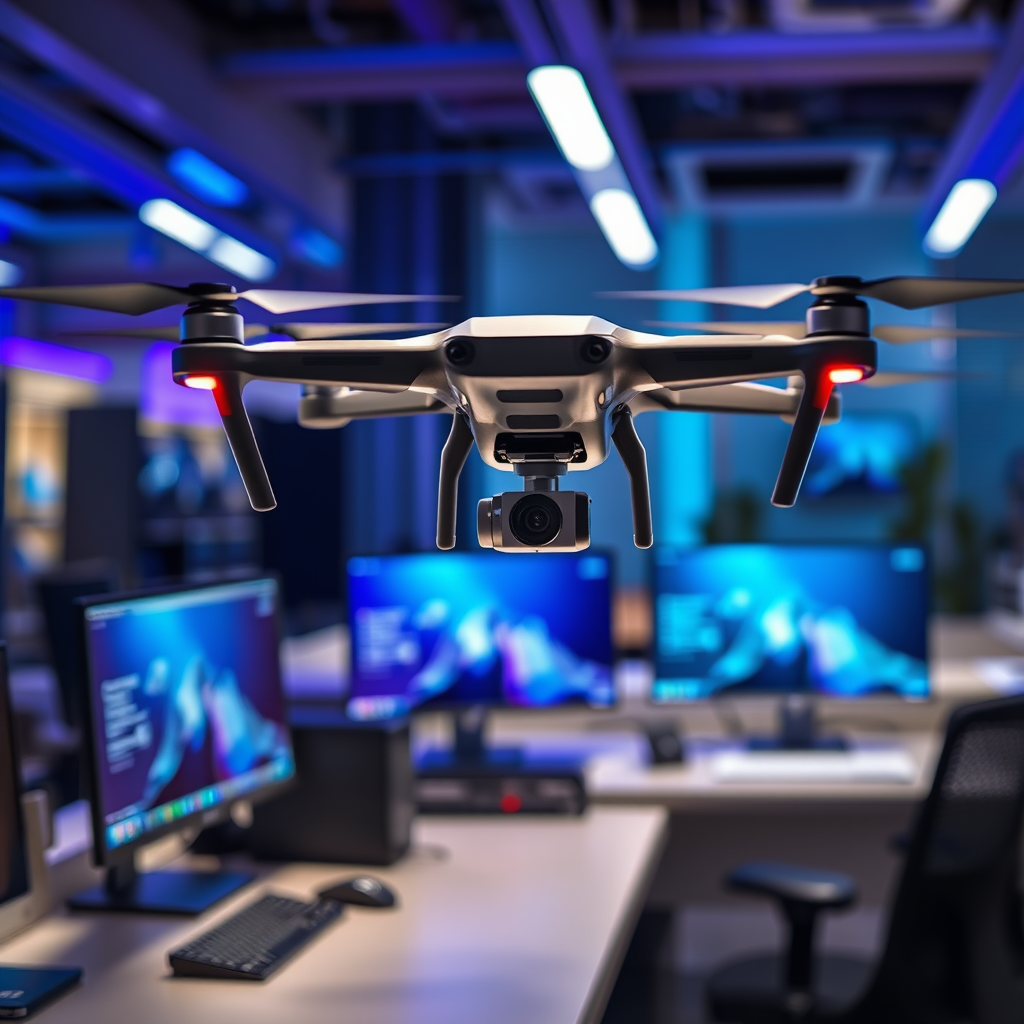
Commercial drones can typically fly for about 20 to 40 minutes on a single battery charge, depending on various factors such as the drone’s design, weight, and the payload it carries. Understanding the intricacies behind flight duration is essential for operators looking to maximize the efficiency and utility of their drones. This article delves into the key elements influencing flight time, the types of commercial drones available, battery technology, environmental impacts, optimization strategies, and regulatory considerations.
Factors Influencing Flight Time
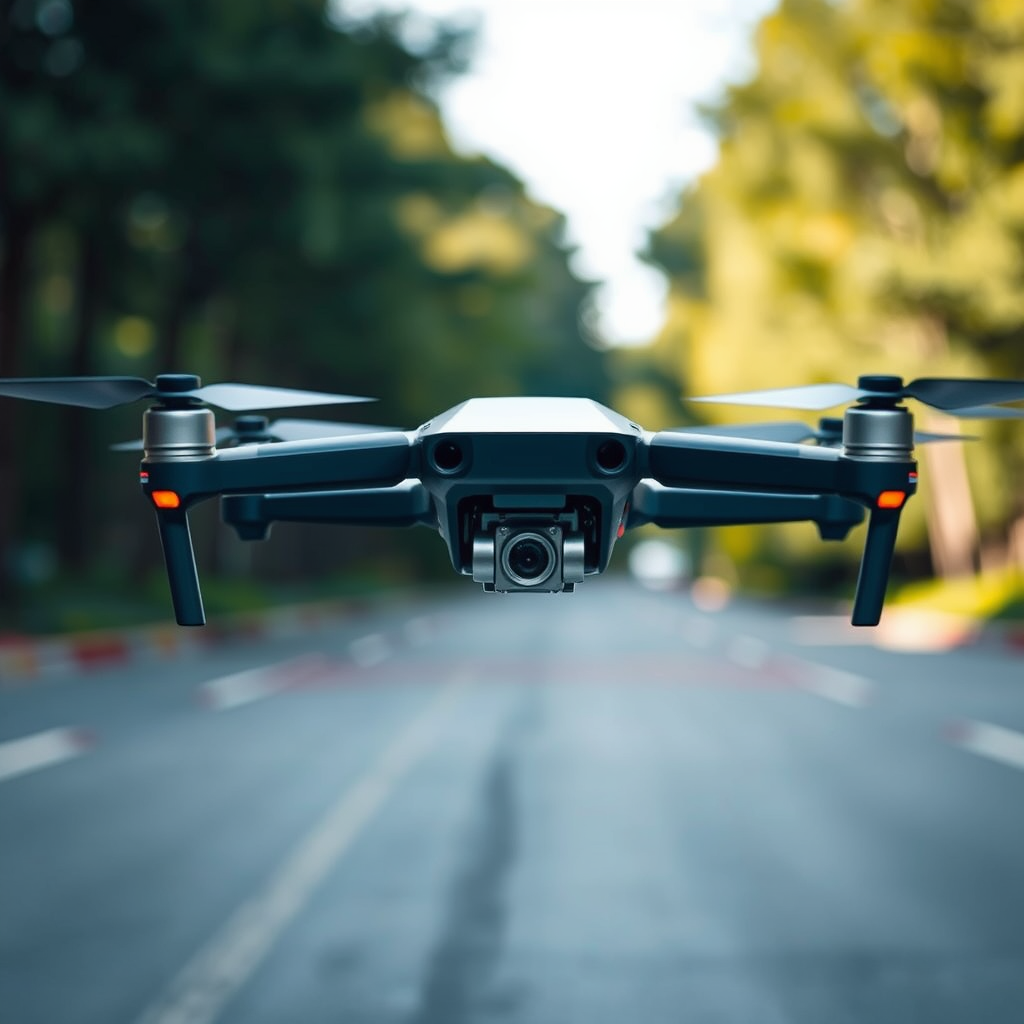
Battery capacity plays a crucial role in determining how long a drone can stay airborne. Most commercial drones use rechargeable lithium polymer (LiPo) batteries, which are favored for their high energy density and relatively lightweight properties. A drone equipped with a higher-capacity battery can typically sustain longer flight times. For instance, a standard battery with a capacity of 4,000 mAh might offer around 25 minutes of flight time, whereas a drone with a 10,000 mAh battery could extend that to 45 minutes or more, depending on other factors.
The weight of the drone, including any payload, significantly affects its flight duration. Heavier drones require more power to maintain lift, reducing overall flight time. For example, a drone designed for aerial photography might carry additional cameras or sensors that can add weight. Operators must carefully consider the payload and its impact on battery life. To mitigate weight-related issues, some companies have developed lightweight materials and components that enhance flight efficiency, allowing for longer durations even when carrying additional equipment.
Types of Commercial Drones
Multirotors tend to have shorter flight times but greater maneuverability. This category includes quadcopters and hexacopters, which are popular for applications like aerial photography and surveying. While a typical multirotor may only fly for 20 to 30 minutes, their ability to hover and make agile movements makes them ideal for tasks requiring precision.
On the other hand, fixed-wing drones often have longer flight durations and can cover larger distances. These drones resemble traditional airplanes and are more efficient in terms of aerodynamics, allowing them to fly for extended periods—sometimes exceeding 90 minutes—without needing to land. This makes them particularly suitable for mapping large areas or performing agricultural assessments. Operators must choose the type of drone based on their specific needs, weighing the importance of flight time against the required maneuverability.
Battery Technology in Drones
Lithium polymer (LiPo) batteries are commonly used for their lightweight and high energy density, making them a standard choice for commercial drones. They provide a significant amount of power relative to their weight, which is crucial for maintaining flight duration. However, their performance can be influenced by factors such as temperature and charge cycles.
Understanding battery maintenance can help extend overall flight time and lifespan. Regularly checking battery health, avoiding deep discharges, and ensuring proper storage conditions can significantly enhance battery longevity. Operators should also be aware of the charge cycles; for instance, most LiPo batteries can endure around 300 to 500 cycles before their capacity diminishes significantly. Additionally, advancements in battery technology, such as the development of solid-state batteries, are promising to further increase flight times and reliability.
Impact of Weather Conditions
Wind speed and direction can affect how long a drone can fly, as strong winds require more power to maintain stability and positioning. A drone battling against a headwind will consume more battery power than one flying with a tailwind, potentially reducing flight time drastically. Operators navigating these conditions often utilize weather apps and forecasting tools to plan their flights strategically, choosing times when wind speeds are lower.
Temperature extremes may also impact battery performance and efficiency during flight. Cold weather can reduce battery capacity, leading to diminished flight times, while excessive heat may cause overheating and potential damage to the drone’s components. Operators should consider these weather-related factors when planning flights, as monitoring temperature and wind conditions can enhance operational efficiency and safety.
Optimizing Drone Flight Duration
Planning efficient flight paths can reduce energy consumption and extend flight time. Route optimization software can help operators determine the most efficient flight plans, taking into account factors like wind patterns, battery levels, and mission requirements. By minimizing unnecessary movements and maintaining a steady speed, operators can ensure that they make the most of their drone’s capabilities.
Regular maintenance checks can also ensure drones are operating at peak performance. This includes routine inspections of propellers, motors, and battery connections. Keeping drones clean and free of debris can reduce drag and improve flight efficiency. Additionally, software updates can enhance flight control systems, ensuring that drones perform optimally and utilize battery power effectively.
Regulations and Flight Time Considerations
Local regulations may limit flight times or require specific operational guidelines for commercial drones. For instance, some jurisdictions may mandate that drones must remain within the operator’s line of sight or impose restrictions on flying during certain hours. Understanding these regulations can help drone operators optimize their flight strategies while ensuring compliance with legal requirements.
Moreover, operators should be aware of any necessary permits or certifications needed for commercial drone operations. Ensuring that all regulatory guidelines are followed can prevent costly fines and operational interruptions, allowing for smoother and more efficient flight planning.
In conclusion, while commercial drones typically fly for 20 to 40 minutes, various factors such as battery technology, drone type, and environmental conditions can influence this duration. By understanding these elements, operators can better plan their flights and maximize efficiency. As drone technology continues to evolve, staying informed about advancements and best practices will empower operators to make the most of their drone’s capabilities and enhance their operational effectiveness. Explore your options, invest in the right technology, and leverage these insights for successful drone operations.
Frequently Asked Questions
How long can commercial drones typically fly on a single charge?
The flight time of commercial drones generally ranges from 20 to 60 minutes on a single battery charge, depending on the model and payload. High-end commercial drones designed for specific applications, such as surveying or agriculture, can achieve longer flight times, sometimes exceeding 90 minutes. Factors such as battery capacity, weight of the drone, and environmental conditions like wind can significantly impact this duration.
What factors affect the flight time of commercial drones?
Several factors can influence the flight time of commercial drones, including battery capacity, drone weight, payload, and environmental conditions. For instance, carrying extra equipment increases weight, which can reduce flight duration. Additionally, adverse weather conditions like strong winds or rain can also decrease efficiency and shorten the drone’s operational time.
Why do different commercial drones have varying flight times?
Different commercial drones have varying flight times due to differences in design, battery technology, and intended use. Drones built for heavy lifting or long-distance travel typically have larger batteries and more efficient motors, allowing them to fly longer. Conversely, smaller drones designed for agility and maneuverability may prioritize speed over endurance, resulting in shorter flight times.
Which commercial drones offer the longest flight times?
Some of the commercial drones known for their long flight times include the DJI Matrice 300 RTK and the senseFly eBee X, both of which can fly for up to 90 minutes under optimal conditions. These drones are engineered for professional applications such as mapping, surveying, and inspection, making them ideal for users who require extended flight durations for their operations.
How can I maximize the flight time of my commercial drone?
To maximize the flight time of your commercial drone, ensure that it is well-maintained and that the batteries are fully charged before each flight. Reducing payload weight, flying in optimal weather conditions, and avoiding rapid maneuvers can also help extend flight duration. Utilizing power-efficient flight modes, when available, and keeping the drone’s firmware updated can further enhance performance and flight time.
References
- https://en.wikipedia.org/wiki/Drone#Commercial_drones
- https://www.faa.gov/uas/commercial_operators/
- https://www.nytimes.com/2021/05/08/technology/drones-commercial-use.html
- https://www.reuters.com/technology/commercial-drones-are-here-they-are-not-what-you-think-2021-09-30/
- https://www.sciencedirect.com/science/article/pii/S2352864820300336
- https://www.techrepublic.com/article/what-you-need-to-know-about-commercial-drone-battery-life-and-flight-time/
- https://www.nap.edu/catalog/25362/drones-in-the-aviation-ecosystem
- https://www.abc.net.au/news/science/2021-07-12/drones-how-long-can-they-fly/100274300
