
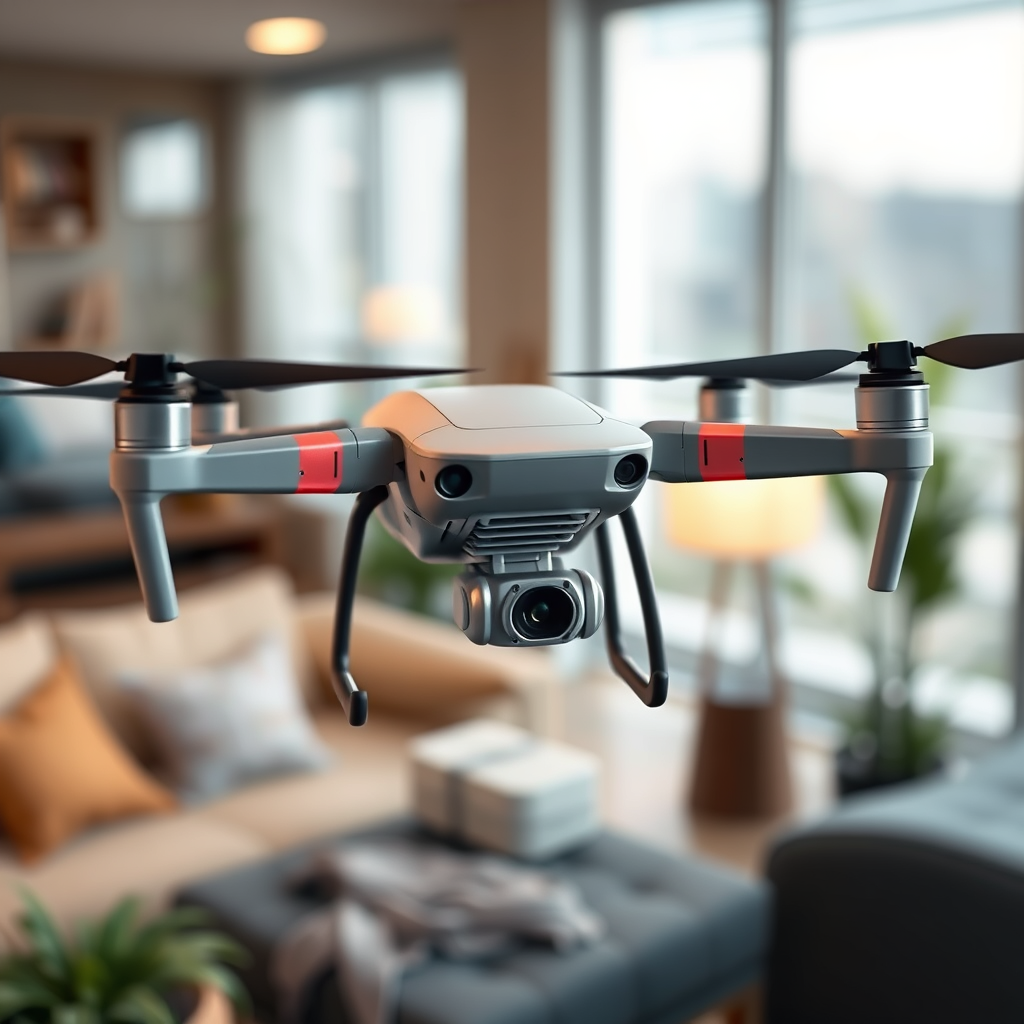
Drones can legally fly as low as 400 feet above ground level in most areas, but specific regulations and best practices dictate operational altitude. This article will explore the various factors influencing drone altitude, including regulatory frameworks, safety considerations, and practical applications that affect how low these versatile machines can operate.
Understanding Drone Regulations
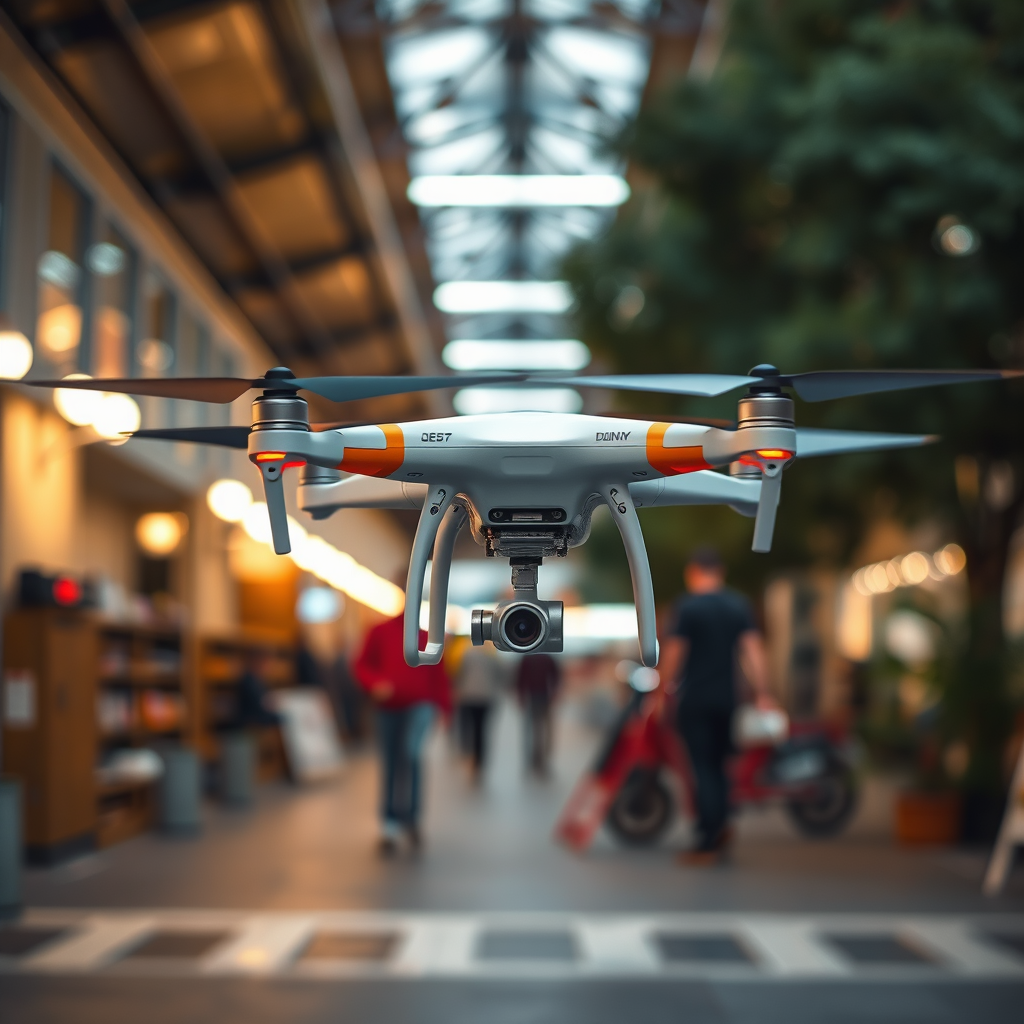
In the United States, the Federal Aviation Administration (FAA) sets forth regulations that govern the operation of drones, including altitude restrictions. According to FAA guidelines, drones must maintain a minimum altitude of 400 feet above ground level (AGL) when flying in uncontrolled airspace. This rule is intended to mitigate risks associated with manned aircraft, which typically fly at higher altitudes.
However, altitude limits can vary significantly based on the classification of the airspace in which the drone is operating. For instance, in controlled airspace, such as near airports, the minimum altitude may be higher due to the presence of manned aircraft. Furthermore, specific regulations may apply to different types of drone operations, such as commercial versus recreational flying. Operators must have a clear understanding of these regulations to ensure compliance and avoid potential penalties.
Internationally, drone regulations differ widely. Countries like Canada and the United Kingdom have established their own sets of guidelines that govern minimum flight altitudes, often influenced by local air traffic and safety concerns. Therefore, it is crucial for drone operators to familiarize themselves with the regulations in their respective regions before taking off.
Factors Affecting Minimum Flight Altitude
Several factors can influence how low a drone can fly, and understanding these variables is essential for safe operations. Terrain is one of the most significant considerations; flying in mountainous or densely wooded areas may restrict the ability to maintain the minimum altitude. Obstacles such as tall buildings, power lines, and trees can pose hazards that necessitate flying at higher altitudes to ensure safety.
Weather conditions also play a critical role in determining the ideal flight altitude. High winds, rain, and reduced visibility due to fog or snow can make it risky to operate drones at lower altitudes. For safety reasons, drone pilots may choose to fly at higher altitudes to avoid turbulent air and maintain control over their aircraft. Additionally, adverse weather can impact the drone’s battery life and performance, further influencing the decision to fly lower or higher.
Moreover, the mission or purpose of the flight can dictate altitude. For example, when conducting inspections of infrastructure, such as rooftops or transmission lines, a pilot may need to fly at lower altitudes to gather detailed data or visuals. Conversely, aerial photography often requires a higher altitude to capture wider landscapes without obstructions.
Safety Considerations When Flying Low
Flying drones at lower altitudes inherently increases the risk of collisions with structures, wildlife, and other obstacles. As the altitude decreases, the margin for error becomes smaller, making it essential for pilots to exercise heightened vigilance. For instance, when flying in urban environments, the risk of colliding with buildings or other drones is substantially higher. Pilots should conduct thorough pre-flight assessments to identify potential hazards in their flight path.
Equipment quality and the pilot’s experience level are also significant factors in ensuring safe low-altitude operations. Advanced drones equipped with obstacle avoidance technology can help mitigate the risks associated with low flying. However, novice pilots may lack the skills required to navigate challenging environments, making it crucial for them to undergo training and gain experience before attempting to fly at lower altitudes.
Additionally, adherence to the “see and avoid” principle is critical in maintaining safety when flying low. This principle emphasizes the importance of keeping visual contact with the drone at all times and being aware of the surroundings. Pilots should also consider using spotters to assist in maintaining situational awareness, especially in complex environments.
Practical Applications of Low-Flying Drones
Low-flying drones have numerous practical applications across various industries. In agriculture, for instance, farmers use drones to monitor crop health, assess irrigation needs, and detect pests or diseases. By flying at low altitudes, drones can capture high-resolution images and data, enabling farmers to make informed decisions regarding their land management practices.
Search and rescue operations also benefit from the capabilities of low-flying drones. In emergency situations, drones can quickly survey an area to locate missing persons or assess damage in hard-to-reach locations. Their ability to fly low and navigate through challenging terrain makes them invaluable tools in these critical scenarios.
Moreover, low-altitude drone flights are increasingly used in infrastructure inspections. Inspectors can utilize drones to examine bridges, power lines, and pipelines without the need for scaffolding or aerial lifts, significantly reducing costs and time. The detailed data collected from low flights allows for accurate assessments and timely maintenance.
Variations in Low-Altitude Regulations Worldwide
Globally, drone regulations regarding altitude limits vary significantly, reflecting different safety concerns and air traffic management strategies. For example, in Australia, the Civil Aviation Safety Authority (CASA) allows drones to fly as low as 100 feet AGL in certain circumstances, while in the European Union, regulations may require drones to maintain a higher altitude in populated areas.
Understanding local regulations is paramount for drone operators, especially those who travel internationally with their equipment. In many cases, operators may need to obtain permits or adhere to specific operational guidelines, such as notifying local authorities or air traffic control prior to conducting low-altitude flights. Failure to comply with these regulations can result in hefty fines or the confiscation of equipment.
Additionally, some countries have established designated drone zones where low-altitude operations are permitted, often aimed at encouraging innovation and the use of drones in urban planning and logistics. Familiarizing oneself with these zones can provide opportunities for pilots to operate within legal parameters while exploring new applications for their drones.
The Future of Low-Altitude Drone Operations
As drone technology continues to advance, the possibilities for low-altitude operations are expanding. Innovations such as improved battery life, enhanced sensors, and artificial intelligence-driven navigation systems are making it easier and safer to fly at lower altitudes. These advancements may open new avenues for applications in fields such as delivery services, environmental monitoring, and disaster response.
Moreover, ongoing discussions about airspace management and integration of drones into the national airspace system could lead to changes in current altitude regulations. Regulatory bodies are exploring the establishment of low-altitude air traffic management systems to facilitate safer drone operations, particularly in urban environments where airspace is crowded.
As these technologies develop and regulations evolve, drone operators will have new opportunities to leverage low-altitude flights for innovative applications, ultimately enhancing the utility and versatility of drones across various sectors.
In conclusion, while drones can legally fly as low as 400 feet, various factors such as regulations, safety, and practical applications influence their operational altitude. Understanding these aspects is crucial for safe and effective drone use. As technology advances and regulations evolve, the landscape of low-altitude drone operations will likely continue to change. Always check local laws before flying low to ensure compliance and safety.
Frequently Asked Questions
What is the minimum legal altitude for drones to fly?
The minimum legal altitude for drones typically depends on the regulations set by aviation authorities in each country. In the United States, for example, the Federal Aviation Administration (FAA) mandates that drones must fly at least 400 feet above ground level to avoid interfering with manned aircraft. However, pilots can fly below this altitude in certain situations, such as when flying over a structure or to comply with local laws, provided they maintain visual line of sight with the drone.
How low can a drone fly over private property?
Drones can generally fly as low as the pilot feels comfortable, but they must adhere to local regulations and respect the privacy rights of individuals. In many jurisdictions, flying a drone below 400 feet is allowed if the drone is not violating any privacy laws or trespassing on private property. It’s essential for drone operators to familiarize themselves with local laws to avoid potential legal issues.
Why do some drones have altitude limits, and how can they affect flight?
Drones often have built-in altitude limits to ensure safe operation and compliance with aviation regulations. These limits help prevent collisions with manned aircraft and reduce the risk of accidents while flying in urban environments. Additionally, altitude restrictions can help drone operators avoid restricted airspace and sensitive areas, ensuring their flights remain legal and safe.
What is the best altitude for capturing aerial photography with a drone?
The best altitude for capturing aerial photography with a drone typically falls between 200 and 400 feet, depending on the desired field of view and the subject matter. At this altitude, drones can achieve a balance between detail and perspective, allowing for stunning images while adhering to legal flight regulations. Experimenting with various heights can help photographers find the ideal altitude for their specific project.
Which drone models allow for lower flight altitudes?
While most consumer drones can fly lower than the standard altitude limit, some models are specifically designed for low-altitude flights, such as the DJI Mavic Mini and the Parrot Anafi. These drones are lightweight and equipped with advanced stabilization technology, making them ideal for close-range aerial photography and inspections. When choosing a drone for low-altitude operations, consider features like camera quality, flight stability, and battery life to ensure optimal performance.
References
- https://en.wikipedia.org/wiki/Drone
- https://www.faa.gov/uas/getting_started/remote_id
- https://www.faa.gov/uas/
- https://www.theguardian.com/technology/2021/jun/30/drones-flying-low-privacy-issues
- https://www.reuters.com/technology/drones-flying-low-us-cities-2021-06-30/
- https://www.nasa.gov/feature/what-is-a-drone
- https://www.ncbi.nlm.nih.gov/pmc/articles/PMC7432600/
- https://www.abc.net.au/news/science/2021-06-30/understanding-drones-and-their-regulations/100261200
