
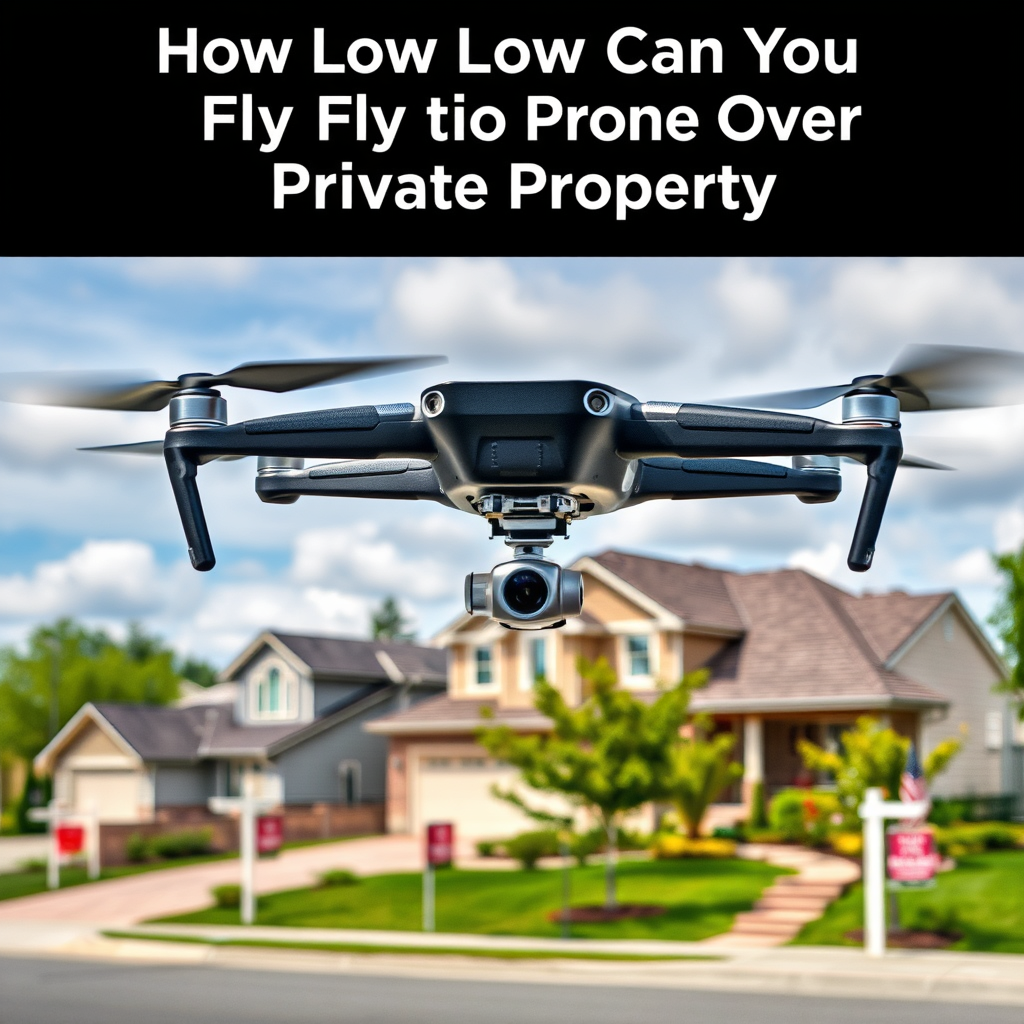
Flying a drone over private property can vary in altitude depending on federal, state, and local regulations. Generally, it is advisable to maintain a height of at least 400 feet above ground level to stay within legal boundaries and respect the privacy of property owners. However, local laws and property owner permissions can influence this minimum altitude, making it crucial for drone operators to understand the specific guidelines applicable in their area.
Understanding FAA Regulations
The Federal Aviation Administration (FAA) is the governing body that establishes national standards for drone operation in the United States. Under current FAA regulations, drone operators must adhere to a maximum altitude of 400 feet above ground level when flying in uncontrolled airspace. Uncontrolled airspace refers to areas where air traffic control does not actively manage the air traffic, usually found away from large airports. This altitude limit is primarily designed to ensure the safety of manned aircraft operating at higher altitudes and to facilitate a safe environment for drone flights.
Additionally, the FAA mandates that drones remain within the visual line of sight of the operator, further emphasizing the importance of maintaining a safe operating distance from populated areas and private properties. Drones are also prohibited from flying over people, unless they are part of a specific category that meets safety requirements. For operators, understanding these federal regulations is essential for responsible drone operation and compliance.
State and Local Laws
While the FAA provides a foundational framework for drone operation, states and local jurisdictions can impose additional regulations that may affect how low a drone can fly over private property. For instance, some states have enacted laws that explicitly prohibit flying drones below a certain altitude over residential areas or private lands. This additional layer of regulation can vary significantly; for example, states like California have specific guidelines that address privacy concerns and drone usage.
Moreover, local ordinances may impose stricter altitude limits in urban areas, where the presence of buildings and people is more prevalent. For example, a city might have regulations that require drone pilots to fly at least 1,000 feet above ground level in densely populated districts. Drone pilots must be diligent in researching and understanding these local laws to avoid potential legal repercussions and ensure they are operating within safe and acceptable parameters.
Respecting Privacy Rights
Respecting the privacy rights of property owners is an important consideration for drone pilots. Flying too low over private property can infringe on the privacy of individuals and families, potentially leading to conflicts and complaints. Engaging with property owners and obtaining permission to fly over their land can mitigate such issues and foster a sense of goodwill within the community.
In some cases, property owners may be open to drone photography or videography, especially if it relates to events such as weddings or real estate promotions. However, it is crucial to communicate clearly about the intended use of the footage and to respect any boundaries set by the property owner. By prioritizing open dialogue and consent, drone pilots can establish trust and reduce the likelihood of disputes arising from privacy concerns.
Safety Considerations
Safety is paramount when operating a drone, especially at lower altitudes. Maintaining a safe distance from people, animals, and structures is crucial to prevent accidents and injuries. Low-flying drones can pose hazards, particularly in populated areas where the risk of collision increases. For instance, if a drone is flown over a gathering or event, the potential for accidents escalates, leading to serious safety concerns and legal liabilities.
Additionally, pilots should be mindful of environmental factors, such as wind conditions and obstacles like trees, power lines, and buildings. These elements can significantly impact a drone’s flight path and stability, especially at lower altitudes. Taking precautions such as conducting pre-flight checks and monitoring weather conditions can enhance safety and ensure a smoother flying experience.
Best Practices for Drone Pilots
To navigate the complexities of drone flying over private property responsibly, drone pilots should adopt several best practices. First, it is essential to check for temporary flight restrictions and no-fly zones that may exist due to events, emergencies, or other circumstances. The FAA provides resources, such as the B4UFLY app, which helps pilots identify restricted areas and understand the regulations applicable to their flying locations.
Moreover, utilizing apps and tools designed for drone operators can help determine safe flying altitudes and areas. These resources often include maps that highlight local regulations and provide real-time updates on airspace conditions. By staying informed and prepared, drone pilots can optimize their flying experience while adhering to legal requirements and safety protocols.
Consequences of Violating Drone Laws
Understanding the potential consequences of violating drone laws is essential for responsible flying. Infractions can lead to significant repercussions, including fines, legal action, or even loss of flying privileges. For example, the FAA has been known to impose fines ranging from hundreds to thousands of dollars for operating a drone in restricted airspace or failing to adhere to altitude regulations.
Furthermore, violations can damage a drone operator’s reputation and credibility within the community, potentially leading to stricter regulations or increased scrutiny from local authorities. Responsible drone operation is not only about compliance with laws but also involves maintaining a positive relationship with the community and fostering a culture of safety and respect.
In conclusion, flying a drone over private property requires a thorough understanding of FAA regulations, local laws, and the importance of respecting the privacy of property owners. By maintaining a safe altitude, engaging with property owners, and adhering to best practices, drone pilots can ensure a responsible and enjoyable flying experience. Prioritizing safety and legality is crucial for navigating the complexities of drone operation while minimizing conflicts and enhancing the overall enjoyment of this innovative technology.
Frequently Asked Questions
What are the legal restrictions for flying a drone over private property?
The legal restrictions for flying a drone over private property can vary by country and region. In the United States, the Federal Aviation Administration (FAA) allows drone operators to fly over private property as long as they adhere to regulations such as maintaining visual line-of-sight and flying below 400 feet. However, property owners may impose their own restrictions, and it is advisable to seek permission from property owners to avoid potential legal issues or complaints.
How low can someone legally fly a drone over private property?
Legally, there is no specific minimum altitude for flying a drone over private property; however, the FAA recommends that drone operators maintain a safe distance above structures and people to minimize risks. Generally, flying at least 50 to 100 feet above ground level is a common practice to ensure safety and compliance with regulations. Additionally, flying too low can increase the likelihood of accidents and attract unwanted attention from property owners.
Why should I ask for permission before flying a drone over someone else’s property?
Asking for permission before flying a drone over someone else’s property is crucial for maintaining good relationships with neighbors and avoiding potential legal disputes. While the FAA allows drone flights over private property, property owners have the right to control access to their land. Obtaining permission can also help you avoid complaints, harassment, and possible fines, ensuring a more enjoyable flying experience.
What should I do if a drone is flying low over my property without permission?
If a drone is flying low over your property without permission, it is advisable to document the incident by taking notes or recording footage of the drone. You can then approach the drone operator politely to express your concerns or seek their contact information. If the situation persists or you feel threatened, you may need to contact local law enforcement or file a complaint with the FAA, especially if the drone poses a safety risk or infringes on your privacy.
Which factors should I consider before flying a drone over private property?
Before flying a drone over private property, consider factors such as local laws and regulations, the altitude of your flight, and the potential impact on privacy. It’s essential to check for any no-fly zones or temporary flight restrictions in your area. Additionally, assess the proximity to people, animals, and structures to ensure safe operation. Communicating with property owners and being aware of their concerns can also help you fly responsibly and avoid conflicts.
References
- https://en.wikipedia.org/wiki/Drone
- https://www.faa.gov/uas/getting_started/remote_id
- https://www.faa.gov/uas/learn_to_fly
- https://www.theguardian.com/technology/2021/mar/16/drone-flying-regulations-uk
- https://www.nolo.com/legal-encyclopedia/flying-drones-your-private-property-29906.html
- https://www.law.cornell.edu/wex/drone
