
Drones can lift varying amounts of weight depending on their design, size, and purpose, with typical consumer drones lifting between 0.5 to 2 kilograms, while specialized models can handle much more. Understanding the lifting capabilities of different drones is crucial for both hobbyists and professionals, as it impacts the applications and effectiveness of drone operations across various industries.
Understanding Drone Lift Capacity
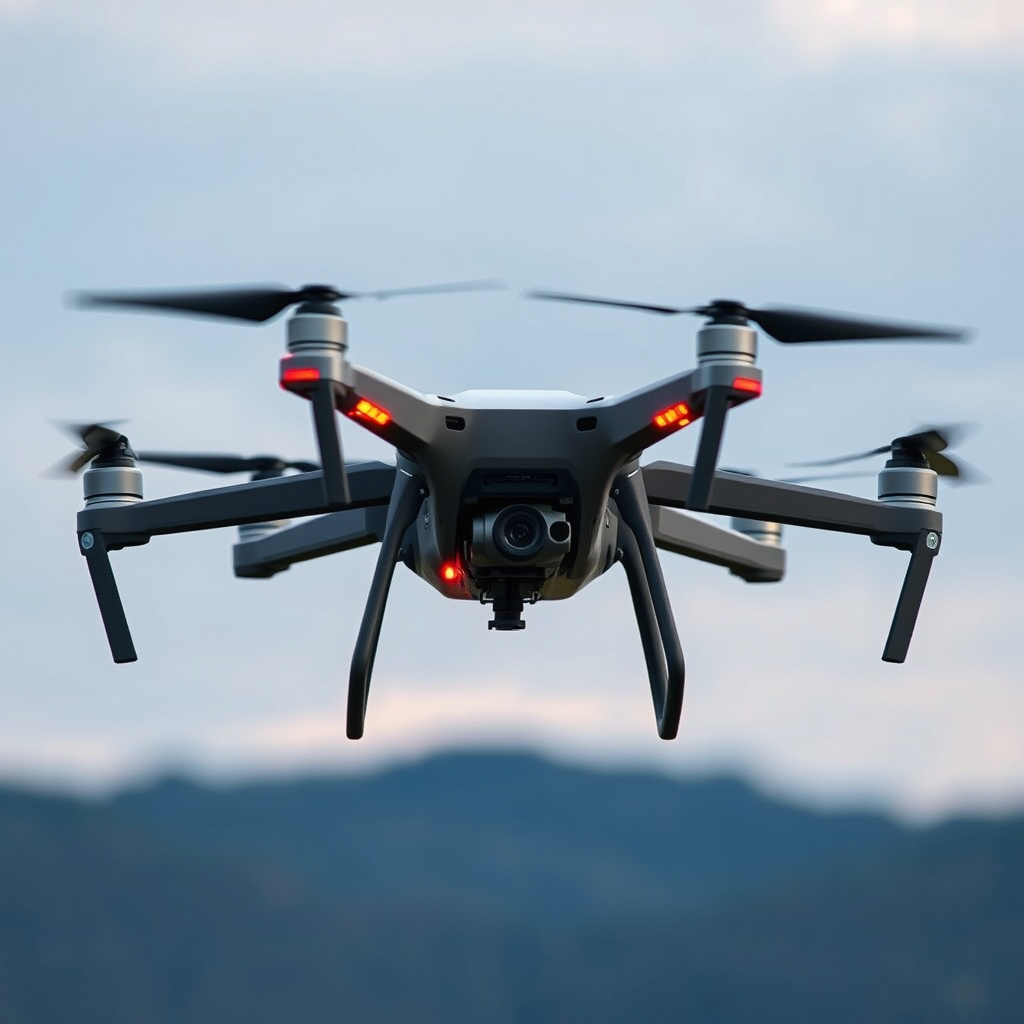
Lift capacity in drones is determined by a multitude of factors, including the design, build, and intended use of the drone. Generally speaking, consumer drones, which are often used for recreational purposes such as aerial photography or racing, are designed to carry lighter loads. These drones typically have a lift capacity ranging from 0.5 to 2 kilograms. In contrast, commercial and industrial drones are engineered for more demanding tasks and can manage significantly heavier payloads, sometimes exceeding 10 kilograms.
For instance, a drone designed for agricultural use might be equipped to carry several kilograms of fertilizers or pesticides, whereas a drone used for cinematography might focus more on camera equipment and accessories. Understanding these distinctions is crucial for potential buyers and users, as it helps in selecting the right drone for specific tasks.
Factors Influencing Lift Capacity
Several key factors influence a drone’s lift capacity, the most notable being motor power and battery life.
– Motor Power: The strength and efficiency of a drone’s motors play a critical role in its ability to lift weights. Higher wattage motors provide more thrust, allowing drones to carry heavier payloads. For example, a drone equipped with high-performance brushless motors can achieve better lift compared to those with standard motors.
– Battery Life: Heavier loads demand more energy, which can significantly impact flight duration and stability. A drone carrying a heavier payload may experience reduced flight times, making careful consideration of battery capacity essential. Users should also note that the drone’s overall design, including its frame and propeller size, can affect how efficiently it utilizes battery power during flight.
These factors make it essential for potential drone operators to assess their specific needs and the operational demands of their intended use.
Types of Drones and Their Lifting Abilities
Different types of drones are built for various applications, and their lifting capabilities reflect this diversity:
– Multirotor Drones: Commonly used for photography and recreational flying, these drones usually lift between 0.5 to 3 kg. For example, the DJI Phantom 4, a popular choice among photographers, can carry a camera and additional accessories, totaling around 1.5 kg.
– Fixed-Wing Drones: These are designed for longer distances and can carry heavier payloads, often exceeding 5 kg. They are commonly used in agricultural monitoring and surveying. For instance, the senseFly eBee X can carry payloads up to 3 kg, making them ideal for mapping large areas.
– Hybrid Drones: Combining features of both multirotor and fixed-wing designs, these drones are capable of vertical takeoff and landing while also flying longer distances. They can typically lift higher payloads, making them suitable for complex missions that require both versatility and capacity.
Understanding the specifications and capabilities of these drone types is essential for users to determine which model will best serve their needs.
Regulations and Restrictions
When operating drones, understanding and complying with local regulations is paramount. Many countries have established specific guidelines that limit the maximum weight a drone can carry, primarily for safety reasons. For instance, in the United States, the Federal Aviation Administration (FAA) regulates that all drone operations, including those involving commercial payloads, must adhere to weight limits that ensure safe flight operations.
In addition to weight restrictions, operators must also be aware of airspace regulations and no-fly zones, which can further limit where and how drones can be used. Violating these regulations can lead to severe penalties, including fines and loss of flying privileges. Therefore, it is crucial for drone operators to stay informed about local laws to ensure compliance and safety.
Practical Applications of Drone Lifting
Drones have revolutionized various industries by providing innovative solutions to traditional challenges. Their lifting capabilities have enabled numerous practical applications:
– Agriculture: Drones are increasingly used in agriculture for tasks such as crop monitoring, spraying fertilizers, and distributing pesticides. For example, agricultural drones like the DJI Agras T20 can carry up to 20 kg of payload for efficient crop treatment, significantly enhancing productivity and precision.
– Delivery Services: Companies such as Amazon and Google are exploring drone delivery systems, with some models capable of transporting packages weighing up to 5 kg. This innovation aims to enhance logistics and reduce delivery times, particularly in urban areas.
– Search and Rescue Operations: Drones equipped with thermal cameras and other sensors can lift essential supplies to remote or disaster-stricken areas. Their ability to fly over difficult terrain makes them invaluable in emergency situations where rapid response is critical.
These applications illustrate the transformative potential of drone technology across various sectors, emphasizing the need for understanding their lifting capabilities.
Choosing the Right Drone for Your Needs
When selecting a drone, it is essential to assess your payload requirements accurately. Start by determining the weight of the items you intend to carry and ensure that the drone you choose can handle that weight comfortably.
Consider the following specifications:
– Lift Capacity: Look for drones that explicitly state their maximum lift capacity and operational efficiency with various payloads.
– Flight Time: Heavier payloads can reduce flight time, so opt for drones with longer battery life if you plan to carry larger loads.
– Stability and Control: Drones that maintain stability with heavier weights are crucial for safety and efficiency. Look for models with advanced stabilization features.
Ultimately, thoroughly researching and comparing different models will help ensure that you invest in a drone that meets your specific operational needs and provides reliable performance.
In conclusion, understanding how many kilograms a drone can lift is vital for selecting the right drone for your needs, whether for recreational use or professional applications. By considering the factors influencing lift capacity, the types of drones available, and the relevant regulations, users can make informed decisions. Always assess your specific requirements and the drone’s capabilities to ensure optimal performance and compliance with safety standards.
Frequently Asked Questions
What is the average weight a consumer drone can lift?
The average weight that a consumer drone can lift typically ranges from 0.5 kg to 2.5 kg, depending on the model and specifications. Drones designed for photography and videography, like the DJI Phantom series or Mavic series, usually have a lift capacity around 1 kg, making them suitable for carrying cameras and accessories. It’s important to check the manufacturer’s specifications for the exact lifting capacity of a specific drone model.
How can I determine the lifting capacity of my drone?
To determine the lifting capacity of your drone, you should refer to the manufacturer’s guidelines or the user manual that accompanies the drone. Most manufacturers provide the maximum payload capacity, which indicates how much weight the drone can safely carry without compromising performance. Additionally, you can conduct a simple test by gradually adding weight until you reach the drone’s limits, but always ensure that this is done safely to avoid damaging the drone.
Why is it important to know how much weight a drone can lift?
Knowing how much weight a drone can lift is crucial for safety and performance. Exceeding the drone’s lifting capacity can lead to reduced flight stability, increased battery consumption, and potential crashes. Additionally, understanding the lift capacity allows users to optimize their drone for specific applications, such as aerial photography or delivery services, ensuring that the right equipment is used without risking damage to the drone.
What types of drones can lift heavier payloads?
Drones specifically designed for industrial or commercial applications, such as agricultural drones, heavy-lift drones, and some racing drones, can lift heavier payloads, often ranging from 5 kg to 25 kg or more. For example, drones like the DJI Matrice 600 are engineered for carrying professional camera gear and can handle significant weights. When selecting a drone for heavy lifting, it’s essential to consider not only the payload capacity but also the flight time and battery life.
Which factors affect a drone’s lifting capacity?
Several factors affect a drone’s lifting capacity, including motor power, battery strength, propeller size and efficiency, and overall drone design. Environmental conditions, such as wind and temperature, also play a role; for instance, high winds can reduce lifting efficiency. Additionally, the weight of the drone itself is deducted from the total lifting capacity, so it’s essential to account for the drone’s own weight when calculating how much additional load it can carry.
References
- https://en.wikipedia.org/wiki/Drone#Payload_capacity
- https://www.nasa.gov/centers/dryden/pdf/88638.pdf
- https://www.sciencedirect.com/science/article/pii/S235197891830945X
- https://www.faa.gov/uas/recreational_fliers/
- https://www.mdpi.com/2504-446X/3/1/4
- https://www.ncbi.nlm.nih.gov/pmc/articles/PMC7328630/
- https://www.theguardian.com/technology/2021/jun/23/drone-deliveries-are-they-safe
- https://www.darpa.mil/attachments/DroneLiftingCapacity.pdf
