
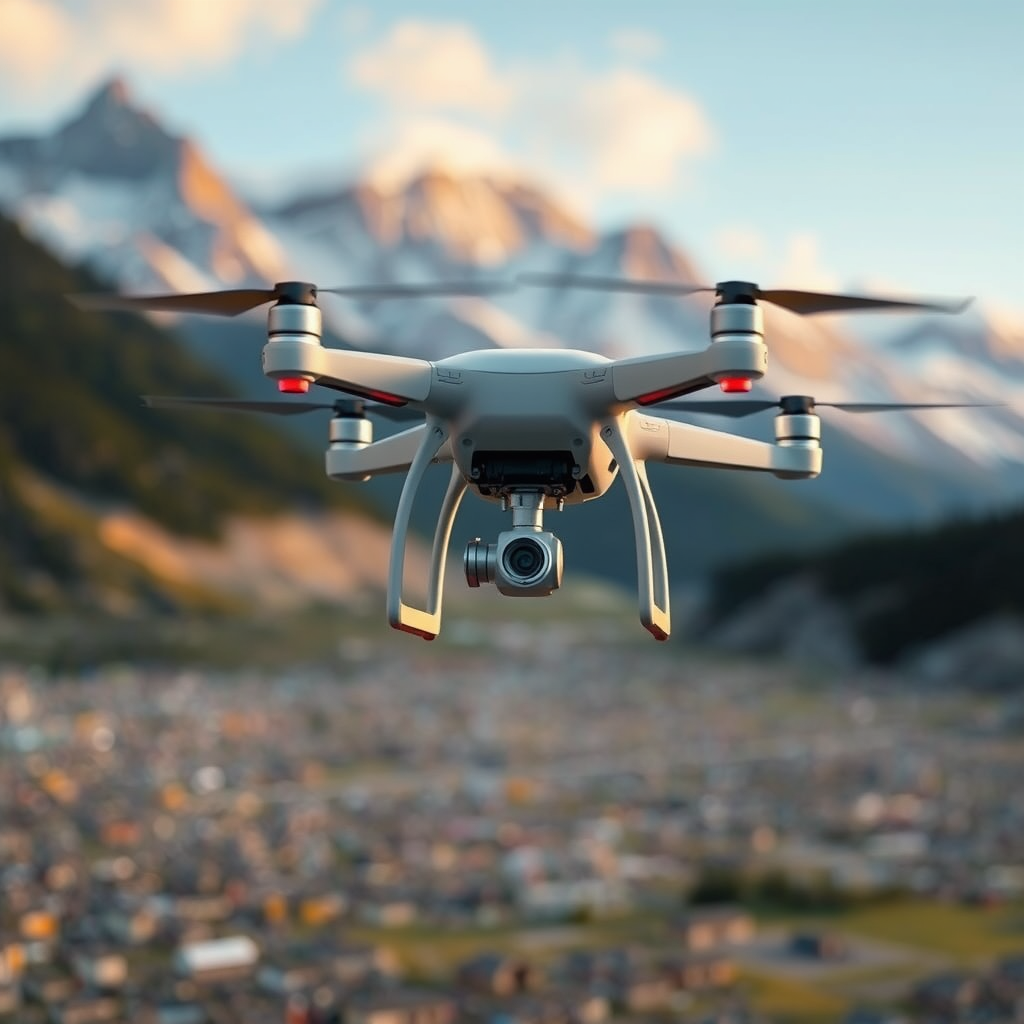
Drones can typically carry payloads ranging from a few hundred grams to over 200 kilograms, depending on their size and design. Understanding a drone’s payload capacity is crucial for selecting the appropriate model for specific tasks, whether for recreational use, commercial applications, or industrial purposes. This article will explore the various factors influencing a drone’s carrying capacity, the types of drones available on the market, and practical applications tailored for different payload limits.
Understanding Drone Payload Capacity
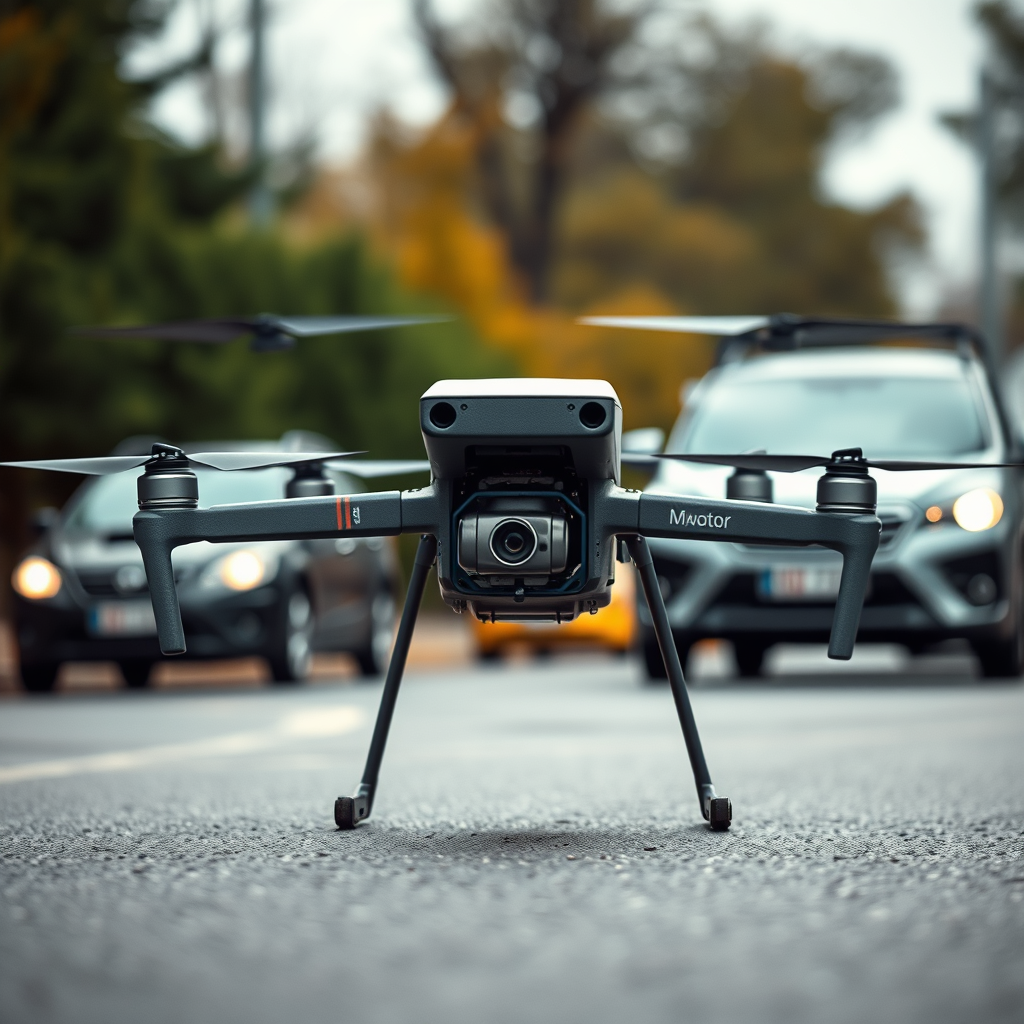
Payload capacity in drones refers to the maximum weight a drone can safely carry in addition to its own weight. This includes any equipment, tools, or supplies that may be attached to the drone while in flight. The payload capacity is critical because it directly affects the drone’s performance, including its flight time, maneuverability, and stability.
Weight distribution and balance are equally important; if a drone is overloaded or if the weight is not evenly distributed, it may struggle to achieve stable flight. An unbalanced load can lead to erratic flight behavior, reduced flight time, or even catastrophic failure. Therefore, understanding both the total weight a drone can carry and how to distribute that weight is key to ensuring flight stability and operational success.
Types of Drones and Their Carrying Capacities
Drones can be broadly categorized into consumer, commercial, and industrial types, each with distinct weight limits.
Consumer drones, often used for recreational purposes like photography and videography, typically have a payload capacity ranging from 0.5 kilograms to 2.5 kilograms. For example, the DJI Mavic Air 2 has a maximum payload capacity of approximately 2.0 kilograms, making it suitable for carrying lightweight cameras and sensors.
On the other end of the spectrum, commercial and industrial drones are designed for more demanding tasks and can carry significantly heavier loads. For instance, the DJI Matrice 600 can handle payloads up to 6 kilograms, making it ideal for professional cinematography, surveying, and mapping. More robust models, such as the Freefly Alta 8, can carry payloads exceeding 10 kilograms, serving industries ranging from agriculture to logistics.
Factors Influencing Drone Carrying Capacity
Several factors influence a drone’s carrying capacity, starting with battery power. The weight of the payload directly affects the drone’s flight time; heavier loads typically reduce flight duration since more power is required to maintain lift. For example, if a drone is designed to fly for 30 minutes with no load, adding a 2-kilogram payload may reduce its flight time to around 20 minutes, depending on the drone’s specifications and battery health.
Weather conditions are another critical factor impacting drone performance. Wind can create additional lift requirements, while rain or snow can add weight and affect the drone’s stability. High winds may necessitate a more powerful drone to maintain control, potentially reducing its effective payload capacity.
Applications of Drones Based on Payload Capacity
Different industries utilize drones based on their weight capacities, tailoring their usage to specific needs. In agriculture, for instance, drones with payload capacities of around 5-10 kilograms are often used to carry crop-spraying equipment, allowing farmers to efficiently distribute fertilizers and pesticides over large areas.
In the delivery sector, companies like Zipline have developed drones capable of carrying medical supplies and vaccines, with payload capacities of about 1-2 kilograms, facilitating delivery in remote or hard-to-reach areas.
Search and rescue operations also benefit from drones with heavier payloads. Drones equipped with thermal imaging cameras and life-saving supplies can weigh up to 25 kilograms, enabling first responders to locate individuals in distress and deliver essential equipment swiftly.
Safety Considerations for Carrying Heavy Loads
When operating drones with heavy payloads, safety should always be a top priority. Operators must adhere to guidelines to ensure safe flight operations. This includes performing pre-flight checks to verify the drone’s capabilities and ensuring that the weight does not exceed the manufacturer’s specified limits. It is also advisable to conduct test flights without a payload to assess stability and responsiveness.
Legal regulations concerning drone weight limits vary by region. For instance, in the United States, the Federal Aviation Administration (FAA) has specific guidelines regarding the maximum takeoff weight, which includes the drone and its payload. Understanding and complying with these regulations is essential to avoid legal repercussions and ensure public safety.
Future Trends in Drone Payload Capabilities
The future of drone technology promises exciting advancements that could significantly increase payload capacities. Innovations in battery technology, such as solid-state batteries, aim to provide higher energy density and longer flight times, which would allow drones to carry heavier loads without compromising performance.
Moreover, advancements in materials science may lead to lighter and stronger drone frames, further enhancing payload capabilities. The integration of artificial intelligence in flight systems is also expected to optimize flight efficiency and stability when carrying heavier weights.
Looking ahead, we can foresee applications such as urban air mobility, where drones could transport passengers or cargo in metropolitan areas, thanks to improved payload abilities.
In conclusion, understanding how many kilos a drone can carry is essential for selecting the right model for your needs. By considering the various factors and applications, you can make informed decisions about drone usage. Whether for personal or professional use, knowing the limits will help maximize efficiency and safety. Drones are evolving rapidly, and keeping abreast of these developments will allow users to leverage their full potential across multiple industries.
Frequently Asked Questions
What is the maximum weight a consumer drone can carry?
The maximum weight that a consumer drone can carry varies widely based on the model and manufacturer. Most consumer drones have a payload capacity ranging from 0.5 kg to 2 kg. However, some high-end models like the DJI Matrice series can carry up to 6 kg or more, making them suitable for commercial applications such as aerial photography, package delivery, and agricultural monitoring.
How do I determine the payload capacity of my drone?
To determine the payload capacity of your drone, consult the manufacturer’s specifications, which typically outline the maximum weight the drone can safely carry. It’s crucial to consider not only the weight of the cargo but also any additional equipment like cameras or sensors, as the total weight must remain below the specified limit to maintain flight stability and safety.
Why is payload capacity important for drone operations?
Payload capacity is vital for drone operations because it directly impacts the drone’s performance, flight time, and stability. Exceeding the payload limit can lead to reduced flight efficiency, shorter battery life, and potential safety hazards, such as loss of control during flight. Understanding your drone’s payload capacity ensures you can effectively plan your missions and choose appropriate equipment for your needs.
What types of drones can carry heavier loads?
Drones designed for commercial use, such as those in the agricultural, industrial, and delivery sectors, typically have higher payload capacities. Multi-rotor drones, like the DJI Matrice 600 or the Freefly Alta X, are engineered to carry heavier weights due to their robust construction and powerful motors. Additionally, fixed-wing drones can also transport significant payloads over long distances while maintaining efficiency.
Which factors affect a drone’s ability to carry weight effectively?
Several factors affect a drone’s ability to carry weight effectively, including the drone’s motor power, battery capacity, and overall design. Environmental conditions such as wind speed and altitude also play a role; for instance, flying in high winds or at high altitudes can reduce a drone’s lifting capability. Additionally, the distribution of weight on the drone can affect its flight stability, so it’s essential to secure any payload evenly.
References
- https://en.wikipedia.org/wiki/Drone_delivery
- https://www.faa.gov/uas/recreational_flyers/
- https://www.sciencedirect.com/science/article/pii/S235286481930302X
- https://www.reuters.com/technology/how-drones-are-revolutionizing-delivery-logistics-2021-03-05/
- https://www.nytimes.com/2021/06/07/technology/drones-delivery.html
- https://www.nerc.org/what-is-a-drone/
- https://www.wired.com/story/drone-delivery-logistics/
