
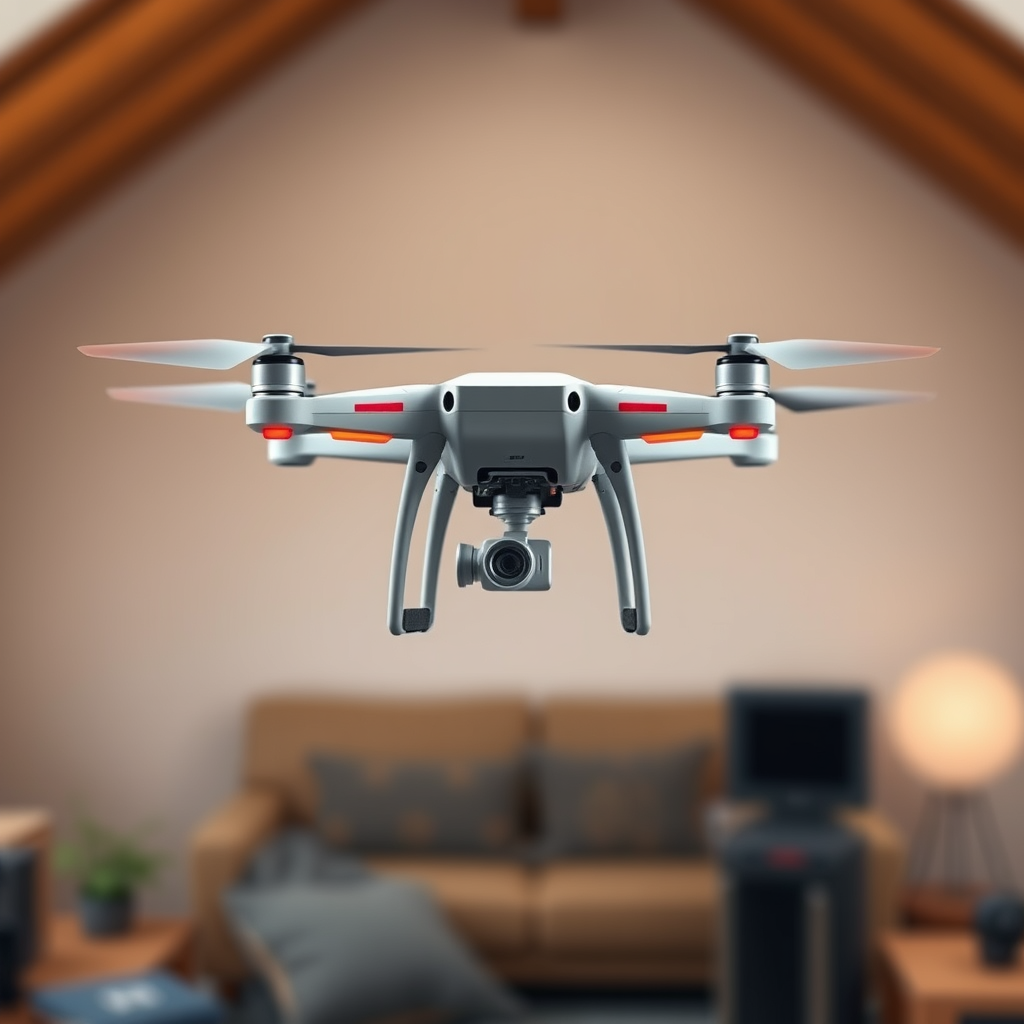
Drones can typically fly at altitudes of up to 400 feet (120 meters) in the United States, according to FAA regulations. This altitude limit is primarily set to ensure safety in airspace shared with manned aircraft. However, factors such as drone type, weather conditions, and local laws can significantly influence maximum flight heights. In this article, we will delve into the altitude limits for drones, the factors affecting flight height, and the regulations governing drone operations, providing a comprehensive understanding for both enthusiasts and professionals alike.
Understanding Drone Altitude Limits
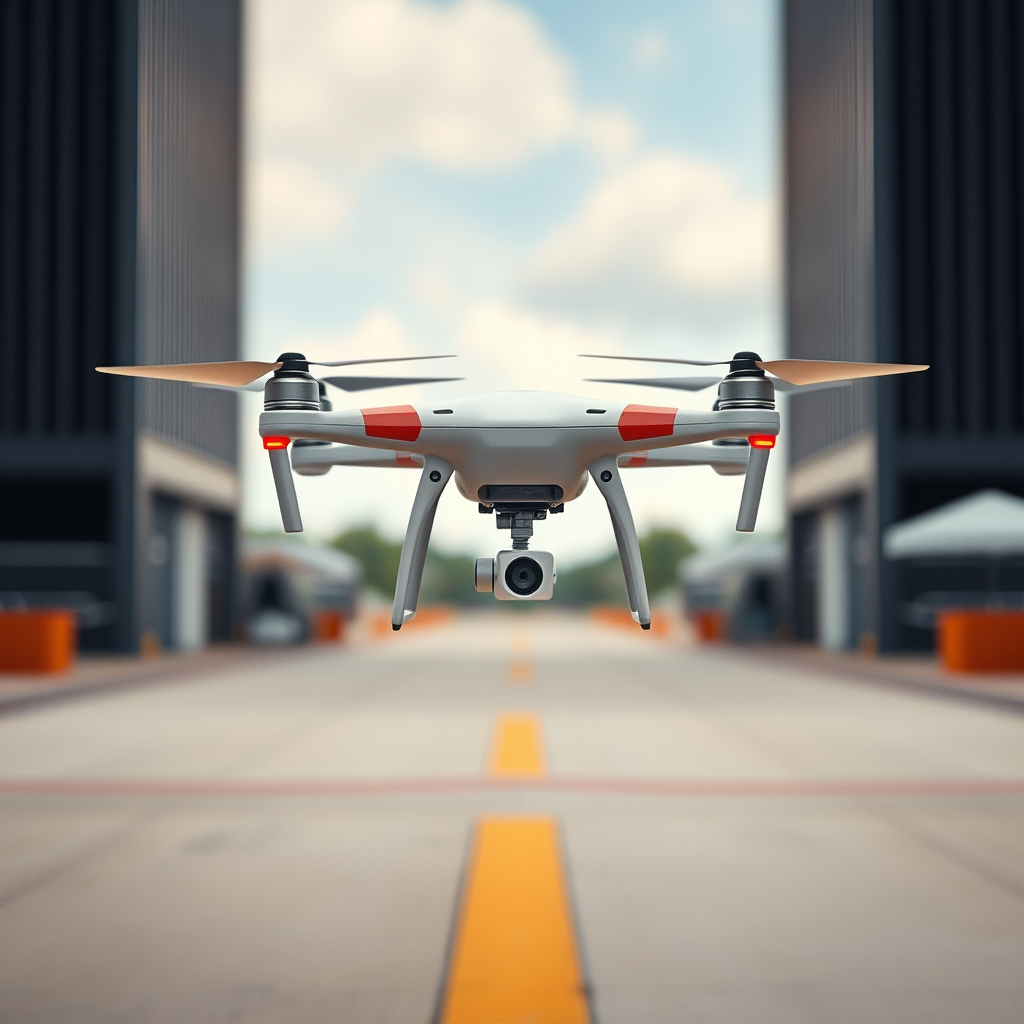
The Federal Aviation Administration (FAA) has established a maximum altitude limit of 400 feet above ground level for commercial drones to mitigate risks associated with manned aircraft in shared airspace. This rule ensures that drones do not interfere with takeoffs and landings at nearby airports. However, certain advanced drones equipped with specialized technology, such as enhanced GPS and obstacle detection, can legally exceed this limit under specific conditions. For instance, if a drone is flying over a structure that is taller than 400 feet, it may operate as high as the height of that structure, given that the operator maintains a visual line of sight.
Additionally, recreational drone users are also bound by the 400-foot limit unless they are flying in controlled airspace where they have received appropriate clearances. Understanding these altitude limits is crucial for drone operators to avoid potential fines, penalties, or dangerous situations.
Factors Affecting Drone Flight Height
Several factors can influence how high a drone can fly, beyond regulatory limits.
– Drone Type: The capabilities of a drone can vary significantly between models. For example, racing drones are designed for speed and agility, often sacrificing the ability to maintain stable flight at high altitudes. Conversely, professional drones equipped with advanced stabilization systems and high-performance motors can often operate effectively at or near the maximum altitude limit.
– Weather Conditions: Environmental factors play a pivotal role in drone flight performance. High winds can destabilize a drone, making it unsafe to fly at elevated altitudes. Additionally, temperature can affect battery life and motor efficiency; colder temperatures can reduce battery power, while extreme heat can lead to overheating. Precipitation, including rain and snow, can also impede visibility and affect the drone’s electronics. Operators must assess weather conditions before attempting high-altitude flights to ensure safe operation.
Regulatory Guidelines for Drone Flight Altitude
In the United States, the FAA’s guidelines are foundational to drone flight regulations. The 400-foot limit is part of a broader set of rules designed to promote safety in the skies. Operators must also register their drones and adhere to other operational rules, such as maintaining visual line of sight and avoiding restricted airspace.
Internationally, regulations can differ substantially. For instance, the European Union Aviation Safety Agency (EASA) has its own set of regulations, which may allow drones to operate at higher altitudes in specific circumstances or under different licensing requirements. Drone operators planning to fly internationally must familiarize themselves with local regulations to avoid legal complications.
How to Maximize Drone Performance at High Altitudes
Maximizing a drone’s performance at high altitudes requires careful preparation and maintenance.
– Calibration and Maintenance: Regular calibration of the drone’s systems, including GPS and sensors, is essential to ensure accurate altitude readings and stable flight. Routine maintenance checks on the motors, propellers, and battery health can prevent malfunctions during high-altitude flights.
– High-Performance Batteries: Using batteries designed for high-altitude operation can significantly enhance performance. High-performance lithium-polymer (LiPo) batteries offer better power retention and discharge rates, allowing drones to operate longer and more efficiently at elevated altitudes. Operators should invest in quality batteries and monitor their charge levels closely, as battery performance can degrade at higher altitudes.
Safety Considerations When Flying Drones High
Safety is paramount when operating drones at high altitudes.
– Obstacle Awareness: Operators must be acutely aware of potential obstacles, including buildings, trees, power lines, and other aircraft. Utilizing drone mapping software can help identify potential hazards in the flight area, allowing operators to plan their routes effectively.
– Visual Line of Sight: Maintaining a visual line of sight with the drone is not only a regulatory requirement but also a critical safety practice. This ensures operators can respond quickly to unexpected situations, such as changes in weather or the appearance of other aircraft.
– Emergency Procedures: It is important to have a plan in place for emergencies, such as battery failure or loss of signal. Operators should familiarize themselves with their drone’s fail-safe mechanisms, which can include automatic return-to-home features or controlled descent protocols.
Potential Use Cases for High-Altitude Drone Flights
High-altitude drone flights offer a variety of applications across multiple industries.
– Aerial Photography and Videography: High-altitude drone flights provide unique perspectives for photographers and filmmakers. Capturing stunning aerial shots from elevated positions can enhance storytelling and create visually compelling content for real estate, tourism, and event coverage.
– Agricultural Monitoring and Surveying: Drones equipped with specialized sensors can fly at high altitudes to monitor crop health, assess irrigation systems, and conduct land surveys. This technology allows farmers to gather extensive data over large areas, improving efficiency in agricultural management.
– Infrastructure Inspection: High-altitude drone flights are increasingly used in infrastructure inspection, enabling engineers and maintenance crews to assess structures such as bridges, wind turbines, and cell towers without the need for scaffolding or ladders.
In conclusion, while the standard maximum altitude for drone flight is 400 feet, understanding the various influencing factors and regulations is crucial for safe and effective drone operation. By adhering to FAA guidelines, maintaining awareness of environmental conditions, and employing best practices for drone performance, operators can maximize their aerial experiences. Always check local laws and guidelines before embarking on your aerial adventures to ensure compliance and safety.
Frequently Asked Questions
What is the maximum altitude a drone can legally fly?
The maximum altitude a drone can legally fly in the United States is typically 400 feet above ground level, according to the Federal Aviation Administration (FAA) regulations. This altitude limit helps to prevent collisions with manned aircraft and ensures safe operation in shared airspace. However, some areas may have specific restrictions or no-fly zones that could further limit flying height, so it’s essential for drone operators to check local regulations before taking off.
How high can consumer drones typically fly?
Most consumer drones are designed to fly at altitudes ranging from 400 to 1,500 feet, depending on the model and its specifications. High-end models may even allow for higher altitudes, but it’s crucial to remember that legal regulations still apply. Additionally, flying higher can lead to issues with signal loss and battery life, which can affect the safety and control of the drone.
Why is there a height limit for drones?
The height limit for drones exists primarily for safety reasons. By restricting drone flight to 400 feet, authorities aim to minimize the risk of collisions with manned aircraft, which typically operate at altitudes above this threshold. Furthermore, imposing altitude limits helps maintain order in airspace, ensuring that both drone operators and pilots of traditional aircraft can navigate safely without interference.
What affects how high a drone can fly?
Several factors can affect how high a drone can fly, including the drone’s design, the strength of its motors, battery capacity, and the quality of its GPS system. Additionally, environmental conditions such as wind speed, temperature, and altitude can impact a drone’s performance. It’s also essential to consider local regulations and any altitude restrictions imposed by authorities, which may limit how high a drone can legally ascend.
Which drones can fly the highest?
Drones specifically designed for professional or industrial use tend to have the capability to fly higher than consumer models. For example, high-end models like the DJI Matrice series and the senseFly eBee X can reach altitudes well above 1,500 feet. However, even with these advanced drones, operators must still adhere to local regulations and maintain awareness of airspace restrictions, ensuring safe and responsible flying practices.
References
- https://en.wikipedia.org/wiki/Drone
- https://www.faa.gov/uas/getting_started/remote_id
- https://www.faa.gov/uas/recreational_fliers/
- https://www.nytimes.com/2021/03/08/business/drone-regulations.html
- https://www.theguardian.com/technology/2020/sep/02/drone-flying-height
- https://www.nasa.gov/feature/what-is-the-maximum-altitude-for-drones
- https://www.techrepublic.com/article/what-you-need-to-know-about-drone-altitude-restrictions/
- https://www.faa.gov/uas/advanced_operations/
- https://www.smithsonianmag.com/smart-news/how-high-can-drones-fly-180970972/
