
To make a drone that can fly, you need to gather the right components and follow specific assembly instructions. Building a drone is not only a fun project but also an educational experience that enhances your understanding of aerodynamics and electronics. With the right tools, materials, and step-by-step guidance, you can successfully create a drone that meets your flying aspirations. This guide will walk you through the essential steps and considerations for building your very own flying drone.
Essential Components for Your Drone
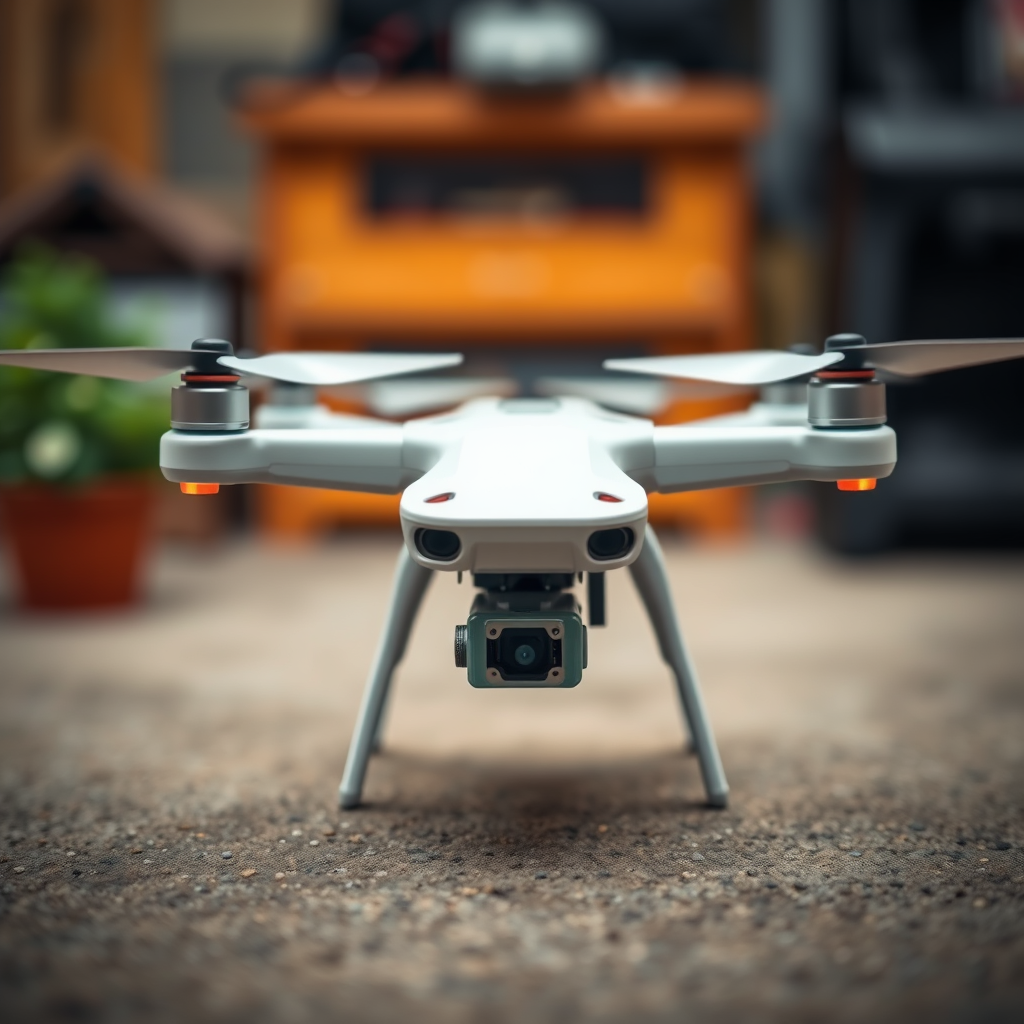
The first step in building a drone is selecting the essential components that will form the foundation of your flying machine.
– Motors: The type and number of motors you choose will significantly impact your drone’s performance. For a quadcopter, which is the most common type of drone, you will need four motors. Brushless motors are often preferred due to their efficiency, longevity, and power-to-weight ratio. Ensure that the motors you select are compatible with the total weight of your drone, including the frame and additional components.
– Frame: The frame serves as the structural backbone of your drone, so it is crucial to choose a lightweight and durable material. Carbon fiber frames are popular among enthusiasts for their strength and reduced weight. Alternatively, plastic or aluminum frames can also be effective, depending on your budget and design preferences. The frame should accommodate all components while allowing for easy assembly and maintenance.
– Flight Controller: Acting as the brain of your drone, the flight controller is responsible for stabilizing and executing flight commands. There are various flight controllers available, ranging from basic models to advanced systems that support GPS and autonomous flying. When selecting a flight controller, consider its compatibility with your motors and other components, as well as the features you desire, such as telemetry and programmable settings.
Gathering Tools and Materials
Once you have your essential components, it’s time to gather the necessary tools and materials for the assembly process.
– Basic Tools: A well-equipped workspace is vital for a successful build. Basic tools include a soldering iron for making electrical connections, a screwdriver set for assembling the frame, and pliers for manipulating components. Having a workspace that is organized and free of clutter will help streamline the assembly process.
– Electronic Components: In addition to the primary components, ensure you have all necessary electronic parts, including batteries, propellers, and Electronic Speed Controllers (ESCs). The battery must be compatible with your motors and flight controller to ensure proper power delivery. Lithium Polymer (LiPo) batteries are a common choice due to their high energy density and lightweight characteristics.
– Safety Gear: Safety should always be a priority when working with electronic components and tools. Use safety goggles to protect your eyes from potential debris, and wear gloves to prevent cuts or burns during assembly. Additionally, working in a well-ventilated area is advisable, especially when soldering.
Assembling Your Drone
Now that you have all your components and tools, it’s time to assemble your drone.
– Frame Setup: Start by assembling the frame according to the manufacturer’s instructions. Pay special attention to the orientation of the frame, as this can affect the overall balance and performance of the drone. Make sure to securely fasten all screws and bolts to ensure stability during flight.
– Installing Motors: Once the frame is set up, proceed to attach the motors to their designated points. Each motor should be mounted securely, as vibrations during flight can loosen connections. Use the provided mounting hardware and ensure that the motors are facing the correct direction, typically with the shaft pointing downward.
– Wiring: Connect the motors to the flight controller and ESCs, ensuring that all connections are firm and secure. Proper wiring is crucial for the efficient operation of your drone; loose connections can lead to erratic behavior or complete failure during flight. It may be helpful to refer to wiring diagrams specific to your flight controller and ESCs.
Configuring the Flight Controller
After assembly, configuring the flight controller is essential for ensuring your drone operates correctly.
– Software Installation: Download and install the necessary software to configure your flight controller. Many flight controllers come with proprietary software, while others may use open-source platforms such as Betaflight or ArduPilot. Follow the software’s setup guide to connect your flight controller to your computer.
– Calibration: Once installed, calibrate the sensors and set your drone’s flight parameters for optimal performance. This step often involves adjusting the accelerometer and gyroscope settings to ensure your drone can accurately sense its orientation and position during flight.
– Testing Controls: Perform initial tests to ensure that all controls respond correctly. This may include testing the throttle, yaw, pitch, and roll functionalities. It’s advisable to do this while the drone is secured to prevent accidental takeoff.
Preparing for Flight
With the drone assembled and configured, it’s time to prepare for the first flight.
– Battery Setup: Choose the right battery and properly secure it to your drone. Ensure that the battery is fully charged before your first flight, as an undercharged battery can lead to poor performance and potentially crash your drone.
– Pre-Flight Checks: Conduct a thorough pre-flight check to ensure all components are connected and functional. This includes checking the propellers for any damage, ensuring the motors spin freely, and confirming that the flight controller is properly calibrated.
– Location: Select a safe, open area for your first flight, free from obstacles such as trees, buildings, or power lines. A wide, flat space such as a field or park is ideal for allowing ample room for takeoff and landing.
Flying Your Drone
Finally, you are ready to take to the skies.
– Takeoff Procedure: Gradually increase the throttle to achieve a smooth lift-off. Avoid sudden movements during takeoff, as this can cause instability and lead to crashes. Aim for a gentle ascent to get a feel for how the drone responds.
– Basic Maneuvers: Practice basic movements such as hovering, turning, and landing. Start by hovering in place to build confidence and control before attempting more complex maneuvers. Familiarizing yourself with the controls at a low altitude can help prevent accidents.
– Troubleshooting: Be prepared to troubleshoot common issues such as loss of control, battery problems, or signal interference. Familiarize yourself with the warning signs of potential issues, such as unusual sounds from the motors or erratic movements, and have a plan for safely landing the drone if something goes wrong.
Building a drone that can fly is an engaging and rewarding project. By following the steps outlined in this guide, you can successfully create your own flying machine. Not only does this venture allow you to explore the fascinating world of drone technology, but it also provides an opportunity to expand your skills in electronics and mechanics. For further resources or to share your progress, consider joining online forums and communities dedicated to drone enthusiasts.
Frequently Asked Questions
What materials do I need to build a drone that can fly?
To build a drone that can fly, you’ll need several essential materials including a frame (usually made of lightweight plastic or carbon fiber), motors (brushless motors are preferred for their efficiency), electronic speed controllers (ESCs), a flight controller, propellers, and a battery (LiPo batteries are commonly used). Additionally, you’ll require a transmitter and receiver for remote control, and possibly a camera if you plan to add aerial photography capabilities. Gathering high-quality components will significantly affect your drone’s performance and stability in flight.
How do I assemble the components to make a drone that can fly?
To assemble your drone, start by attaching the motors to the frame, ensuring they are securely mounted. Next, connect the electronic speed controllers (ESCs) to each motor and link them to the flight controller. After that, install the propellers onto the motors and connect the battery to the flight controller. Lastly, set up the transmitter and receiver, ensuring all connections are secure. Follow a detailed guide or video tutorial specific to your components to avoid common mistakes during assembly.
Why is a flight controller important for my drone’s flight?
The flight controller is a crucial component of your drone as it acts as the brain, processing data from various sensors to stabilize and control the drone during flight. It interprets the signals from the transmitter and adjusts the motors accordingly to maintain balance and respond to pilot inputs. A quality flight controller can significantly enhance your drone’s stability, responsiveness, and overall performance, making it easier for beginners to pilot successfully and for experienced users to execute advanced maneuvers.
What are the best practices for tuning a drone for optimal flight?
Tuning your drone for optimal flight involves adjusting settings such as PID (Proportional, Integral, Derivative) values on your flight controller to improve stability and responsiveness. It’s advisable to start with default settings and make incremental adjustments while testing flight performance in a safe environment. Additionally, regularly checking and balancing your propellers, calibrating your ESCs, and ensuring the battery is properly charged can lead to a smoother flight experience and reduce the risk of crashes or malfunctions.
Which software or apps can help me in building and programming my drone?
Various software and apps can assist in building and programming your drone, with popular options including Betaflight, Cleanflight, and ArduPilot for flight controller configuration. These platforms provide intuitive interfaces for tuning settings, updating firmware, and monitoring drone performance. Additionally, using design software like CAD tools can help you plan and visualize your drone’s frame and components effectively, while programming environments like Arduino IDE can be beneficial if you are customizing your drone’s functionality.
References
- https://en.wikipedia.org/wiki/Drone
- https://www.nasa.gov/mission_pages/asteroids/overview/asteroid-drones.html
- https://www.faa.gov/uas/
- https://www.aaas.org/resources/what-drones-are-and-how-they-work
- https://www.sciencedirect.com/science/article/pii/S2352864818300168
- https://www.techopedia.com/definition/31345/drone
- https://www.abc.net.au/news/science/2021-06-05/how-to-build-a-drone/100192050
- https://www.nist.gov/news-events/news/2019/04/nist-guide-designing-and-building-drones
