
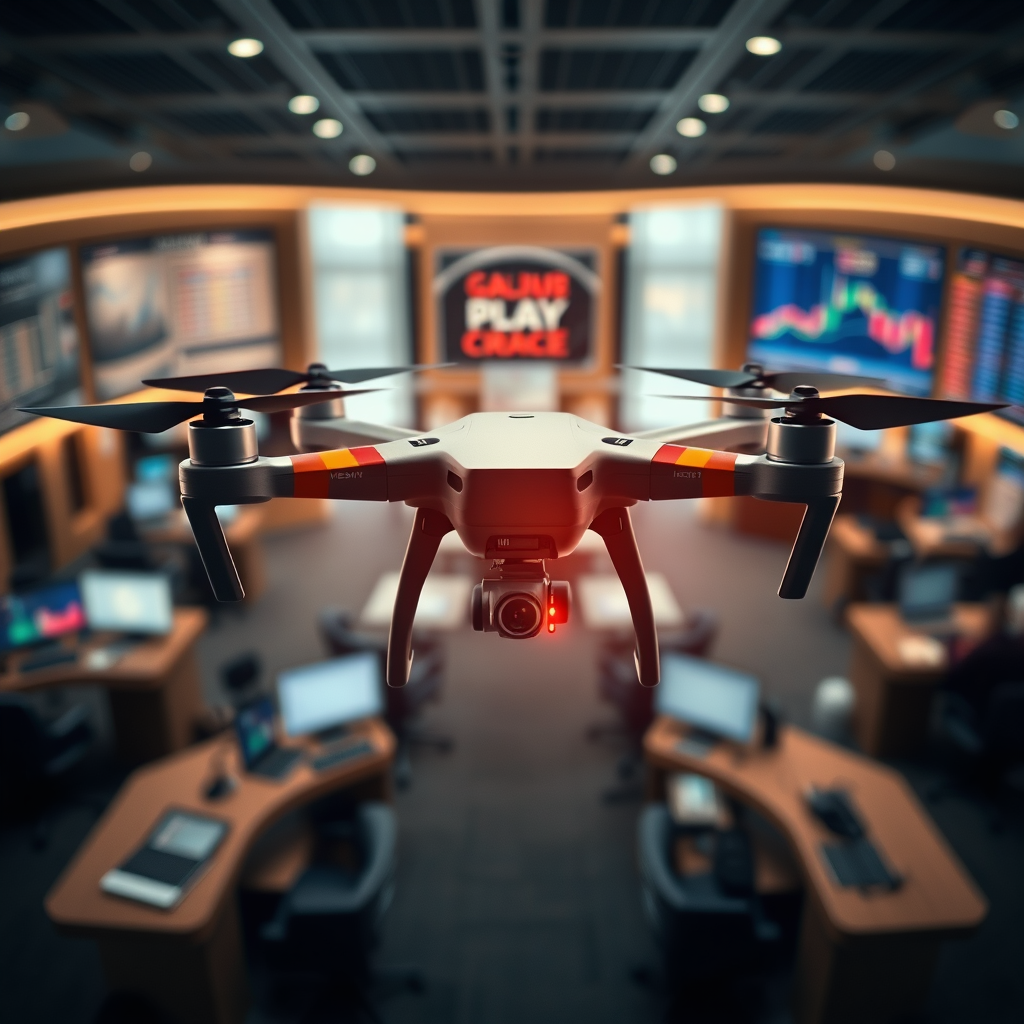
Drone delivery in Canada is indeed a promising investment opportunity, driven by advancements in technology and growing consumer demand for fast, efficient delivery services. As the logistics landscape evolves, businesses are increasingly seeking innovative solutions to meet customer expectations for speed and convenience. The rise of e-commerce and the necessity for rapid delivery alternatives position drone delivery as an attractive prospect for investors looking to tap into a burgeoning market.
Current Market Landscape
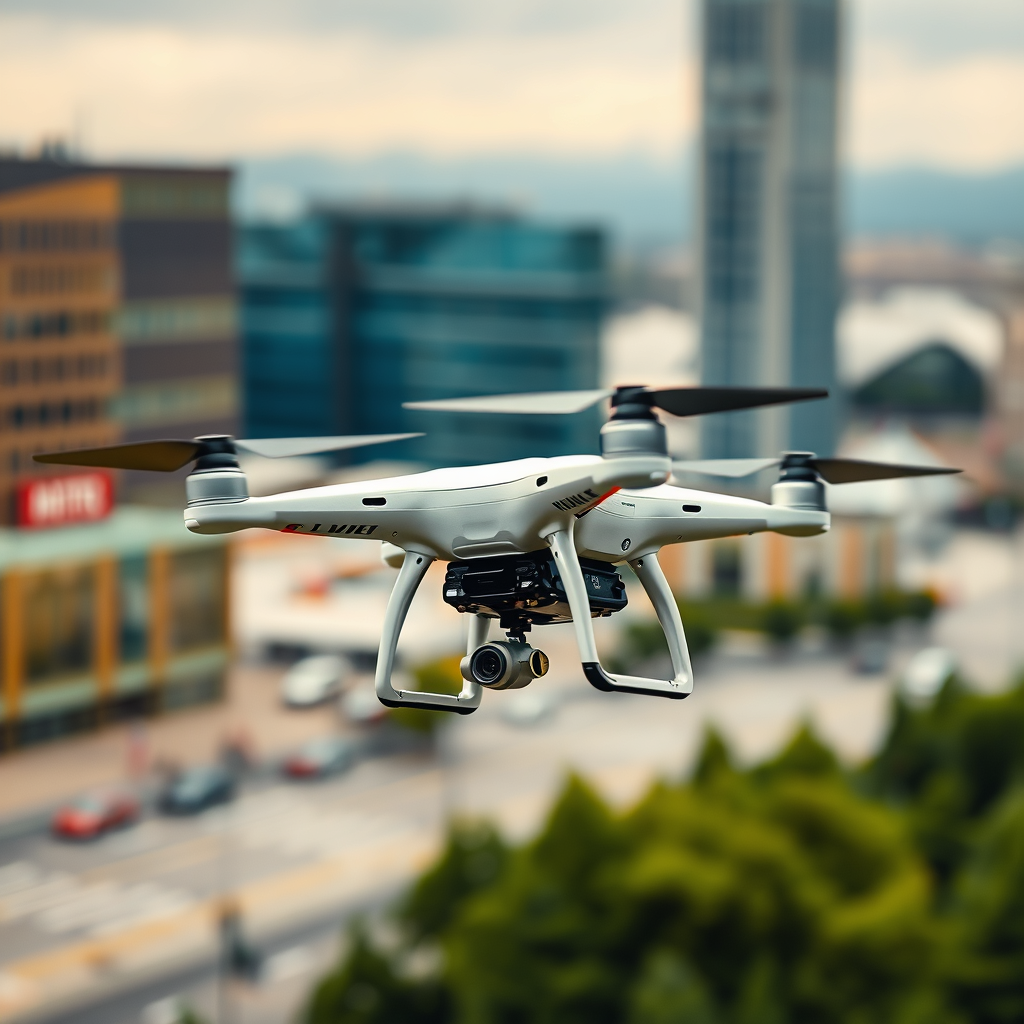
The logistics and delivery market in Canada has experienced significant growth in recent years, largely propelled by the rise of online shopping and consumer expectations for fast shipping. According to recent data, the Canadian e-commerce market is projected to exceed CAD 100 billion by 2025, indicating a robust demand for efficient delivery mechanisms. Consumers are no longer satisfied with traditional delivery times; they expect real-time tracking, same-day delivery, and seamless service. This shift in consumer behavior is prompting businesses to explore alternative delivery methods, including drone technology.
Moreover, the COVID-19 pandemic has accelerated this trend, as lockdowns and social distancing measures have made contactless delivery solutions more desirable. Companies are investing in drone delivery not only to meet current consumer demands but also to gain a competitive edge in an increasingly crowded market.
Regulatory Environment
Transport Canada plays a crucial role in shaping the regulatory environment surrounding drone operations. The agency has established comprehensive guidelines to ensure safety and efficiency in the use of drones for commercial purposes. This includes the requirement for operators to obtain specific licenses, adhere to strict operational frameworks, and comply with airspace regulations.
However, potential hurdles exist, such as the need for drone operators to navigate complex air traffic control systems and local bylaws. Additionally, compliance costs can be significant, involving investments in training, technology upgrades, and insurance. Investors should carefully assess these regulatory requirements and their implications on operational feasibility before committing capital to drone delivery ventures.
Technological Advancements
Technological innovations are at the heart of the drone delivery revolution. Advancements in drone design, battery life, payload capacity, and navigation systems have made it possible for drones to transport goods efficiently over urban and rural landscapes. For instance, companies like Amazon and Wing are developing drones capable of carrying larger payloads while maintaining optimal flight durations, thereby increasing delivery range and flexibility.
Artificial intelligence (AI) and automation are further enhancing operational efficiency. AI-driven software can optimize delivery routes in real-time, avoiding obstacles and adapting to changing weather conditions. These technological developments not only improve delivery times but also reduce operational costs, making drone delivery increasingly viable for businesses looking to maximize their return on investment.
Competitive Landscape
The competitive landscape for drone delivery in Canada is becoming increasingly dynamic, with several major players and innovative startups vying for market share. Established companies like Amazon and DHL are investing heavily in drone technology, aiming to integrate it into their logistics networks. These industry giants possess the resources and infrastructure to scale operations quickly, setting a high bar for newcomers.
However, emerging startups are disrupting traditional delivery models with unique approaches. Companies such as Drone Delivery Canada and Air Canada are piloting innovative projects that focus on niche markets, such as remote community deliveries or medical supply transport. This competition is driving innovation and pushing the industry towards a more service-oriented model that prioritizes customer satisfaction.
Financial Considerations
Investing in drone delivery involves a variety of financial considerations. Initial investment costs can be substantial, encompassing drone purchase, maintenance, regulatory compliance, and technology integration. For instance, the cost of a high-quality delivery drone can range from CAD 10,000 to CAD 50,000, depending on the specifications and capabilities.
Ongoing operational expenses, including staffing, insurance, and technology updates, must also be factored into any investment analysis. However, the potential revenue streams are considerable. Businesses may generate income through delivery fees, partnerships with retailers, and premium services. ROI projections can vary widely based on market conditions, operational efficiency, and customer adoption rates, but industry analysts suggest that early adopters could see significant returns in a relatively short timeframe.
Consumer Acceptance and Preferences
Consumer acceptance of drone delivery services is crucial for the success of any investment in this sector. Insights from recent surveys indicate that while many consumers are intrigued by the concept of drone delivery, they harbor concerns about safety, privacy, and reliability. For instance, a survey by Market Research Future found that 60% of respondents expressed interest in using drone delivery, but over 70% cited safety as their primary concern.
Factors influencing adoption rates include the perceived reliability of drone technology, the speed of delivery, and the overall customer experience. Businesses looking to penetrate this market must prioritize building consumer trust through transparent communication, effective customer service, and robust safety protocols.
Future Trends and Predictions
The future of the drone delivery market in Canada appears promising, with experts predicting substantial growth over the next few years. Market analysts estimate that the drone delivery sector could reach a value of CAD 1 billion by 2026. Factors contributing to this growth include advancements in drone technology, increasing urbanization, and the expanding e-commerce sector.
However, potential challenges remain, such as evolving regulations, public acceptance, and competition from alternative delivery methods. Businesses must remain adaptable and informed about industry trends to capitalize on emerging opportunities and mitigate risks effectively.
Investors should also be aware of the potential for partnerships and collaborations that could enhance market positioning, as companies seek to leverage each other’s strengths in technology and logistics.
In conclusion, investing in drone delivery in Canada holds significant potential, but it requires careful consideration of regulatory, technological, and market factors. The industry’s evolution presents both challenges and opportunities, making it imperative for investors to stay informed and adaptable. By understanding the dynamics at play and aligning with consumer needs, investors can position themselves to thrive in this innovative sector.
Frequently Asked Questions
What are the potential benefits of investing in drone delivery in Canada?
Investing in drone delivery in Canada offers several benefits, including access to a rapidly growing market and the ability to meet the increasing demand for fast, efficient delivery services. The Canadian government is supportive of drone technology, creating a favorable regulatory environment. Additionally, drone delivery can significantly reduce last-mile costs and enhance customer satisfaction by providing quicker delivery options, especially in remote or hard-to-reach areas.
How does the regulatory environment affect drone delivery investments in Canada?
The regulatory environment is crucial for drone delivery investments in Canada, as it determines operational feasibility and market entry. Transport Canada has established guidelines for commercial drone operations, including rules for safety, privacy, and airspace management. Understanding these regulations is essential for businesses looking to invest in drone delivery, as compliance can affect operational costs, scalability, and overall success in the market.
Why should I consider drone delivery as a long-term investment in Canada?
Drone delivery is worth considering as a long-term investment in Canada due to its potential to revolutionize logistics and supply chains. With the rise of e-commerce and consumer expectations for faster delivery times, businesses that adopt drone technology may gain a competitive edge. Furthermore, advancements in drone technology and infrastructure, combined with increasing urbanization, suggest that drone delivery will play a crucial role in the future of transportation and logistics.
What are some challenges of investing in drone delivery services in Canada?
Investing in drone delivery services in Canada comes with challenges, including high initial capital costs, technological limitations, and regulatory hurdles. Companies must invest in sophisticated drone technology, software, and infrastructure to ensure safety and efficiency. Additionally, navigating the complex regulatory landscape and addressing public concerns regarding privacy and airspace usage can be significant barriers to entry for investors.
Which industries are likely to benefit the most from drone delivery in Canada?
Several industries are poised to benefit significantly from drone delivery in Canada, including e-commerce, healthcare, and agriculture. E-commerce businesses can enhance customer satisfaction with rapid delivery services, while healthcare providers can use drones to deliver medical supplies and medications to remote locations quickly. Additionally, the agricultural sector can leverage drone technology for precision farming and timely delivery of products, making it a versatile investment opportunity across multiple sectors.
References
- https://www.theglobeandmail.com/business/article-drone-delivery-canada-sets-sights-on-global-expansion/
- https://www.cbc.ca/news/business/drone-delivery-canada-1.6126331
- https://www.ontario.ca/page/drone-delivery-ontario
- https://www.canada.ca/en/transport-canada/news/2021/05/transport-canada-approves-drone-delivery-in-communities.html
- https://www.uoguelph.ca/research/impact/drone-delivery-service
- https://www.reuters.com/business/aerospace-defense/drone-delivery-canada-revenue-growth-2023-09-05/
