
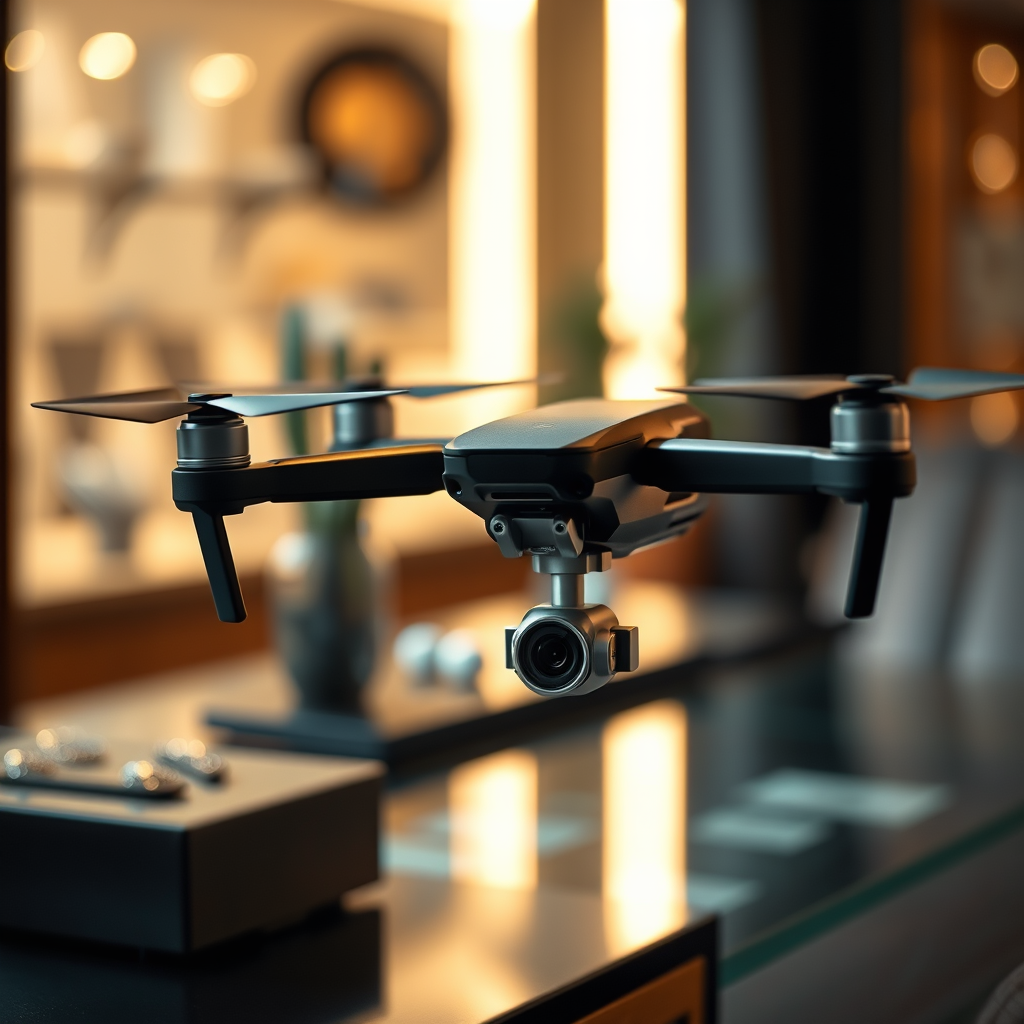
Drones are remarkable tools that can perform a myriad of tasks, enhancing efficiency and precision across various fields. Their versatility extends from aerial photography and delivery services to agricultural monitoring and search-and-rescue operations, making them invaluable assets in numerous industries. This article delves into the impressive capabilities of drones and examines how they are transforming different sectors.
Aerial Photography and Videography
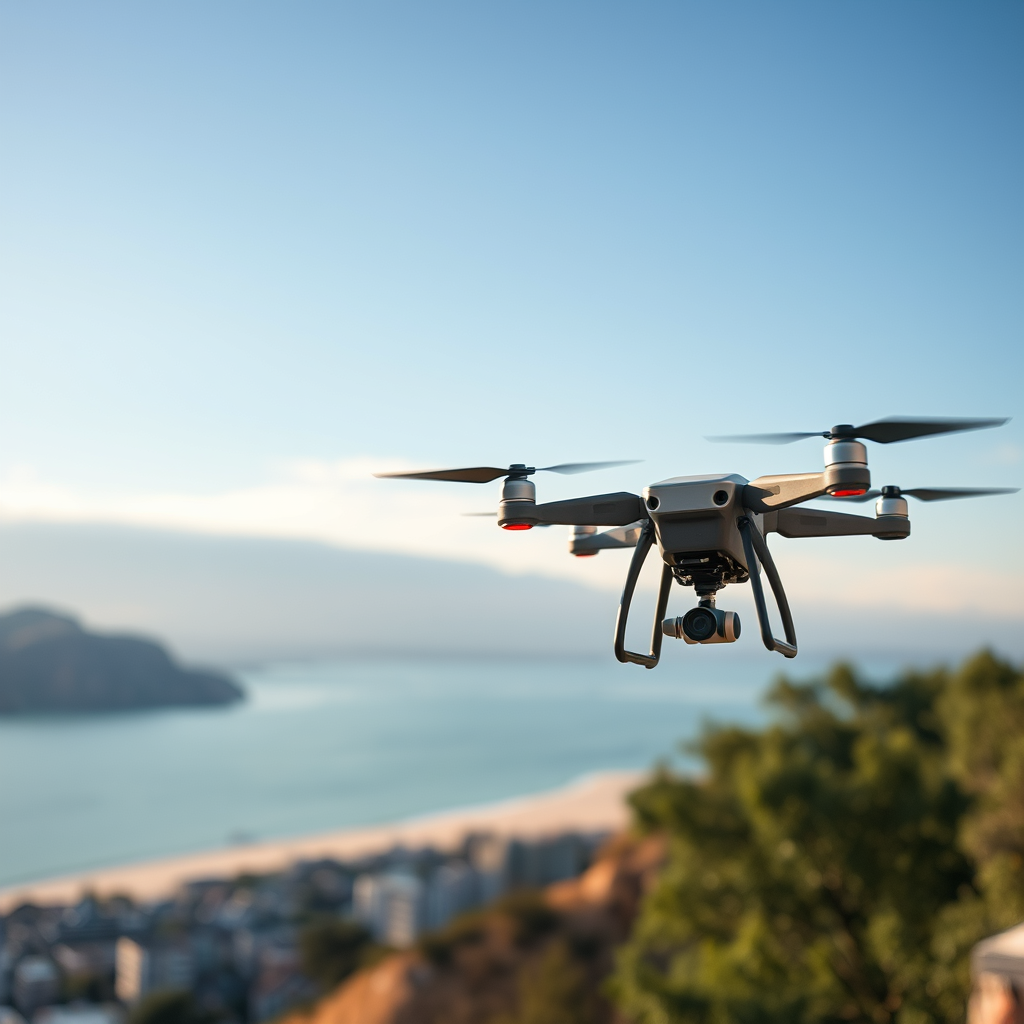
Drones have revolutionized the world of photography and videography by providing unique perspectives that were once difficult or even impossible to achieve. Equipped with high-resolution cameras, drones can capture stunning aerial images and videos, allowing photographers to access hard-to-reach angles and unique viewpoints. For instance, real estate agents are increasingly using drones to showcase properties from above, highlighting the surrounding landscape and giving potential buyers a better understanding of the property’s location and features. Additionally, drones are employed in event coverage, capturing breathtaking aerial shots of weddings, concerts, and festivals, enhancing the storytelling aspect of visual media.
Beyond real estate and events, drones are also used in industries like film and television production. Their ability to fly and maneuver smoothly through various environments provides filmmakers with dynamic shots that add depth to their narratives. The use of drones in aerial cinematography not only reduces costs associated with traditional methods, such as cranes and helicopters, but also offers a level of creativity that can significantly enhance the visual appeal of a project.
Delivery Services
The logistics and delivery sector is undergoing a transformation thanks to the advent of drone technology. Companies like Amazon are at the forefront of piloting drone delivery services, aiming to expedite shipping and reduce operational costs. Drones can transport small packages over short distances quickly, particularly in remote or difficult-to-access areas where traditional delivery methods may be inefficient or slow. This capability can significantly enhance customer satisfaction by providing faster delivery times.
Moreover, drone delivery services can alleviate traffic congestion and reduce carbon emissions associated with ground transportation. For example, in urban settings, drones can bypass road traffic entirely, ensuring that packages reach their destinations without delay. The potential for drones to revolutionize last-mile delivery is immense, and as regulations evolve to accommodate this technology, we can expect to see more companies adopting drone delivery solutions.
Agricultural Monitoring
Agriculture is another sector benefiting significantly from drone technology. Farmers are increasingly utilizing drones for crop surveillance, allowing them to assess plant health and optimize resource use efficiently. Drones equipped with multispectral and thermal sensors can gather crucial data on crop conditions, enabling farmers to make informed decisions about irrigation, fertilization, and pest control.
For instance, drones can identify areas of a field that require more water or highlight sections that may be suffering from pest infestations. This data-driven approach not only improves crop yield but also promotes sustainable farming practices by minimizing the use of water and chemicals. Additionally, drones can assist in monitoring livestock, tracking their movements, and even counting the number of animals in a herd, further enhancing farm management.
Search and Rescue Operations
In emergency situations, drones play a vital role in search and rescue operations. They provide real-time aerial views that assist rescuers in locating missing persons or assessing the extent of disasters. Drones equipped with thermal imaging cameras are particularly effective in these scenarios, as they can identify heat signatures, making it easier to locate individuals in challenging environments or during nighttime operations.
For example, in the aftermath of natural disasters like earthquakes or floods, drones can quickly survey affected areas, providing first responders with crucial data that informs their rescue and recovery efforts. By using drones, rescue teams can cover vast areas in a fraction of the time it would take using traditional methods, ultimately saving lives and ensuring a more efficient response.
Infrastructure Inspection
Drones are increasingly being utilized for infrastructure inspection, a task traditionally performed by human workers, which can be dangerous and time-consuming. Drones can inspect bridges, power lines, and wind turbines quickly and safely, reducing the risks associated with manual inspections. Equipped with high-resolution cameras and sensors, drones can provide detailed imagery and data, allowing engineers to assess the condition of structures without the need for scaffolding or climbing.
For instance, utility companies use drones to inspect power lines for damage after storms, enabling them to restore power more quickly. Similarly, transportation departments employ drones to inspect bridges, ensuring they meet safety standards and identifying potential maintenance needs before they become critical issues. This proactive approach not only enhances safety but also helps in budgeting and planning for infrastructure repairs.
Environmental Monitoring
Drones are becoming essential tools for environmental monitoring and conservation efforts. They assist in tracking wildlife populations, monitoring changes in ecosystems, and assessing environmental damage after disasters. By collecting data on flora and fauna, drones contribute valuable insights that are crucial for conservation initiatives.
For example, conservation organizations use drones to monitor illegal poaching activities in wildlife reserves, allowing them to protect endangered species more effectively. Furthermore, drones can assess changes in land use, such as deforestation, and provide data that informs policy decisions regarding environmental protection. After natural disasters, drones can survey affected areas to evaluate environmental damage, offering critical information that aids recovery planning.
Entertainment and Recreation
The recreational sector has also embraced drones, with many hobbyists using them for racing, aerial photography, and videography. Drone racing has emerged as a popular sport, featuring competitive events where pilots navigate their drones through complex courses. This has fostered a vibrant community of enthusiasts who share tips, collaborate on builds, and participate in competitions.
In addition, drones provide an engaging way for hobbyists to explore aerial photography and videography. With many consumer drones now equipped with advanced camera technology, individuals can capture stunning images and videos from unique perspectives, encouraging creativity and exploration. The accessibility of drones has opened up new avenues for artistic expression and entertainment, making them a favorite among tech-savvy individuals and photographers alike.
In conclusion, drones are revolutionizing the way we approach various tasks across multiple industries, showcasing their versatility and efficiency. From enhancing safety in search and rescue missions to optimizing agricultural practices, their capabilities are expansive and continually evolving. As technology advances and regulations adapt, we can expect to see even more innovative uses for drones in the future, solidifying their role as indispensable tools in our modern world.
Frequently Asked Questions
What are some common uses of drones in agriculture?
Drones are revolutionizing agriculture by providing farmers with precise data for crop monitoring and management. They can perform tasks such as field mapping, crop health assessment through multispectral imaging, and irrigation management. This technology helps in identifying pest infestations, optimizing fertilizer use, and ultimately increasing crop yields while reducing operational costs.
How can drones be used for aerial photography and videography?
Drones equipped with high-resolution cameras are widely used in aerial photography and videography for various applications, including real estate, weddings, and promotional videos. They offer unique perspectives that traditional photography cannot achieve, capturing stunning landscapes and dynamic shots. Additionally, drone footage can enhance storytelling in marketing campaigns, making it a valuable tool for businesses looking to engage audiences visually.
Why are drones important for disaster response and management?
Drones play a crucial role in disaster response and management by providing real-time aerial imagery that helps assess damage and coordinate rescue efforts. They can quickly survey affected areas, deliver supplies to remote locations, and monitor changing conditions such as flooding or wildfires. This timely data allows emergency responders to make informed decisions, improving overall response effectiveness and potentially saving lives.
What are the best drones for recreational use?
The best drones for recreational use vary based on user experience and budget, but popular options include the DJI Mini 2 for its lightweight design and excellent camera capabilities, and the Holy Stone HS720 for its affordability and ease of use. Both models offer features like GPS-assisted flight, HD cameras, and stable flight performance, making them suitable for beginners and hobbyists alike. When choosing a drone, consider factors like flight time, camera quality, and user reviews to find the right fit for your needs.
Which industries are benefiting the most from drone technology?
Several industries are experiencing significant benefits from drone technology, including construction, real estate, agriculture, and logistics. In construction, drones facilitate site surveys and progress monitoring, while in real estate, they enhance property listings with aerial views. Agriculture utilizes drones for crop monitoring, and logistics companies leverage them for efficient delivery systems. As drone capabilities expand, more industries are likely to adopt this technology to improve efficiency and reduce costs.
References
- https://en.wikipedia.org/wiki/Drone
- https://www.nasa.gov/feature/nasa-s-drone-research
- https://www.faa.gov/uas/
- https://www.reuters.com/technology/drones-are-changing-how-we-deliver-packages-2021-03-19/
- https://www.bbc.com/news/technology-47388765
- https://www.sciencedirect.com/science/article/pii/S2352864818301480
- https://www.nap.edu/catalog/25314/drones-in-society-issues-and-implications
- https://www.nationalgeographic.com/science/article/drone-technology-what-is-a-drone-and-how-do-they-work
