
To effectively shoot down a drone, options include using specialized anti-drone technology, firearms, and electronic warfare systems. Each method has distinct advantages and legal considerations that must be understood before implementation. As the prevalence of drones increases in various sectors, so does the necessity for effective countermeasures, especially when drones are deployed for surveillance, delivery, or even malicious activities. Understanding the types of drones and the associated risks is essential for choosing the appropriate response strategy.
Understanding Drone Threats
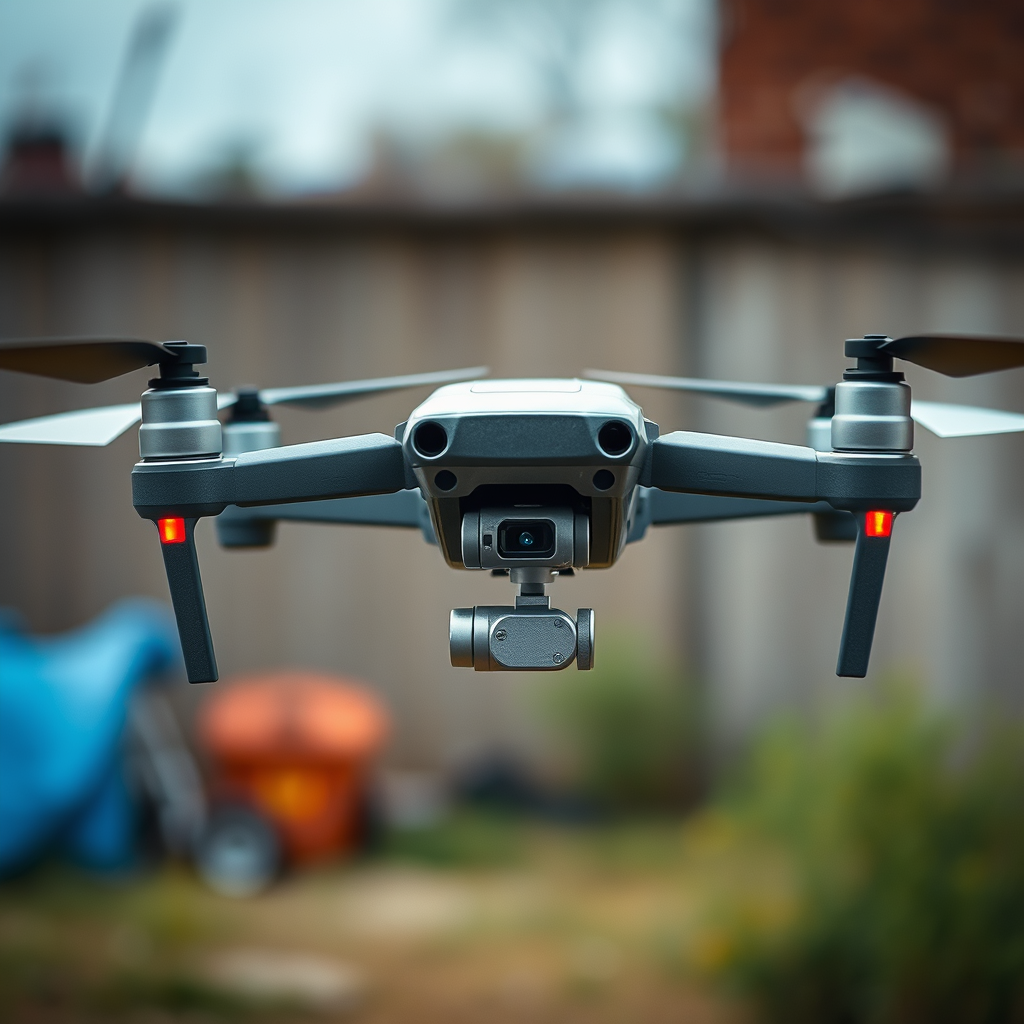
Drones, or unmanned aerial vehicles (UAVs), can serve a wide range of functions, from recreational hobbies to commercial applications such as delivery services and aerial photography. However, they can also pose significant threats when used for unauthorized surveillance, smuggling, or even terrorist activities. Identifying the type of drone in question is crucial; for instance, a commercial drone might be harmless, while a military-grade UAV could pose a more serious threat. Effective countermeasures depend on accurately assessing these threats. Understanding the drone’s capabilities, including its range, speed, and payload, will inform the most suitable method of intervention.
Anti-Drone Technology
Specialized anti-drone technology has emerged as a vital solution for neutralizing unauthorized drones. Jamming devices, for instance, can disrupt the communication link between the drone and its operator, rendering it inoperable. These devices can be effective over varying distances, depending on their power and design. Another innovative method is the use of net guns, which can ensnare drones without causing them harm. This non-destructive approach is particularly appealing in sensitive environments, such as urban areas or near critical infrastructure, where minimizing collateral damage is essential.
Companies are developing advanced anti-drone systems that combine multiple technologies, such as radar for detection and jamming for interception. For example, the DroneShield and Dedrone systems offer comprehensive solutions that include detection, tracking, and neutralization capabilities. These systems are increasingly being adopted by law enforcement and security agencies to safeguard public spaces and sensitive sites.
Firearms and Projectiles
Firearms remain one of the most straightforward methods for shooting down a drone, with shotguns and rifles being the most commonly considered options. However, engaging a drone with a firearm requires a high degree of accuracy, as drones can be small and fast-moving targets. The risk of missing and causing unintended damage to people, property, or even the environment is significant, making this method less favorable in many situations.
Legal restrictions are another critical consideration. In numerous jurisdictions, discharging a firearm in urban areas or near airspace can lead to severe penalties. Firearms should only be considered as a last resort and under circumstances where other methods are impractical. Safety considerations must always be paramount, as stray bullets can have dire consequences. Therefore, training in marksmanship and situational awareness is essential for anyone considering this approach.
Electronic Warfare Techniques
Electronic warfare techniques have garnered attention as effective ways to neutralize drones without physical intervention. One of the most effective methods is GPS jamming, which disrupts a drone’s navigation system, causing it to lose its way. This technique can be particularly useful in scenarios where drones are operating in restricted airspace. However, it is important to note that GPS jamming can also interfere with other devices, raising ethical and legal concerns.
Spoofing tactics represent another electronic warfare method, where the drone is misled into believing it is receiving legitimate signals. By sending false GPS coordinates, operators can redirect a drone to land safely or return to its original launch point. This method is less likely to cause damage and can be employed in a variety of scenarios, making it a valuable tool in managing drone threats.
Legal Considerations
When considering methods to shoot down a drone, understanding local laws regarding drone interception is crucial. Many jurisdictions have stringent regulations governing the use of anti-drone technology, firearms, and electronic warfare methods. Engaging with drones can lead to significant legal ramifications, including liability for damage to property or injury to individuals.
Furthermore, the Federal Aviation Administration (FAA) in the United States has specific guidelines regarding airspace use, and unauthorized actions against drones can lead to federal charges. As such, individuals and organizations must stay informed about the latest regulations and engage legal counsel if necessary before taking any action against drones.
Real-World Applications
Military and law enforcement agencies frequently employ advanced methods to counter drone threats. The U.S. military has integrated anti-drone technology into its operations, using systems like the Coyote drone, which can intercept and disable enemy UAVs. Similarly, police departments across the globe have begun to adopt anti-drone technologies to protect public safety. For example, during large public gatherings or events, these agencies can deploy detection systems to monitor drone activity and intervene when necessary.
Case studies illustrate successful interventions against unauthorized drone activities. In 2019, the Gatwick Airport incident in the UK saw drones disrupting flights for days. Subsequently, the UK government invested in anti-drone systems to prevent future occurrences. Such real-world applications highlight the growing importance of effective drone management strategies.
Future Technologies
As drone technology continues to evolve, so too does the field of anti-drone systems. Research and development are underway to create more sophisticated technologies that can effectively detect, track, and neutralize drones. For instance, machine learning algorithms are being integrated into detection systems to improve accuracy and response times.
Emerging technologies such as directed energy weapons and advanced electronic countermeasures could revolutionize the way drones are managed in the future. These innovations are focused on providing better detection capabilities and targeted neutralization options that minimize the risk of collateral damage. As drone usage expands, staying ahead of these trends will be critical for security professionals and policymakers alike.
In conclusion, while there are various methods to shoot down a drone, each comes with its unique challenges and legal implications. From specialized anti-drone technology to firearms and electronic warfare techniques, understanding the context and regulations is essential for effective intervention. As drone threats evolve, staying informed about the latest technologies and legal frameworks will be key for anyone considering these options.
Frequently Asked Questions
What are the most effective methods to shoot down a drone?
The most effective methods to shoot down a drone include using specialized anti-drone technology such as jamming devices, which disrupt the communication between the drone and its operator, and net guns, which physically capture the drone. Additionally, some law enforcement agencies have begun using drones equipped with projectiles or other forms of non-lethal deterrents. However, it’s crucial to understand that taking down a drone can have legal implications and should only be done in compliance with local laws.
How can I legally shoot down a drone that is invading my privacy?
Legally shooting down a drone that is invading your privacy is complex and often not permissible. In many jurisdictions, using force against a drone can lead to criminal charges or civil liabilities. Instead, consider reporting the drone to local authorities or using non-destructive methods such as using a drone detection system to identify the operator and inform them of the privacy violation. Always consult local laws before taking any action.
Why might someone want to shoot down a drone?
Individuals may want to shoot down a drone for various reasons, including concerns over privacy invasion, safety threats, or potential harassment. Drones can inadvertently or intentionally intrude on personal space, prompting a desire to eliminate the perceived threat. However, it’s essential to recognize that shooting down a drone could pose risks to public safety and lead to legal consequences.
What types of devices can be used to disrupt or disable a drone?
Devices specifically designed to disrupt or disable drones include drone jammers, which block the remote control signals and GPS, leading to a safe landing or loss of control. Other options include anti-drone systems that deploy nets or other physical barriers to capture the drone without causing damage. Some law enforcement agencies also use directed-energy weapons, but these are typically not available for civilian use.
Which laws govern the shooting down of drones in the U.S.?
In the U.S., laws governing the shooting down of drones are primarily related to aviation regulations and property rights. The Federal Aviation Administration (FAA) regulates airspace and prohibits the destruction or interference with aircraft, which includes drones. State laws may also impose additional restrictions. Therefore, it’s crucial to be aware of both federal and state regulations, as unlawful actions can lead to severe penalties or lawsuits. Always consult with legal experts before considering any action against a drone.
References
- https://en.wikipedia.org/wiki/Drone#Countermeasures
- https://www.faa.gov/uas/resources/policy_library/
- https://www.bbc.com/news/technology-45497502
- https://www.reuters.com/technology/us-military-uses-drones-anti-drone-systems-2021-06-10/
- https://www.sciencedirect.com/science/article/pii/S1877050920302335
- https://www.theguardian.com/technology/2020/sep/30/drones-us-military-counter-drone-systems
- https://www.nytimes.com/2021/07/13/us/drones-security-technology.html
- https://www.defense.gov/Explore/News/Article/Article/2518608/us-army-drones-counter-drone-systems/
