
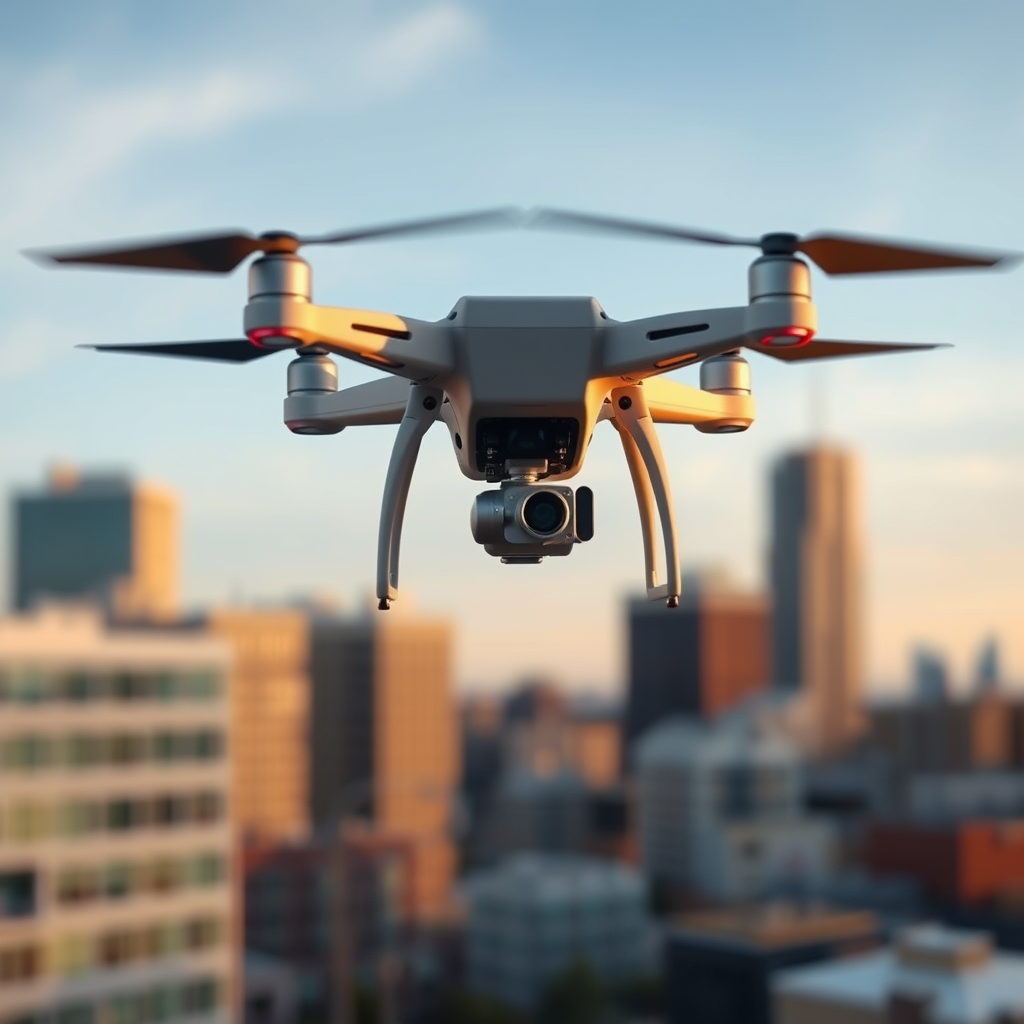
You can fly your drone in Minnesota in various designated areas, including state parks, recreational areas, and private properties, provided you follow FAA regulations. Understanding where to fly legally and safely is vital for any drone enthusiast. This guide will help you identify the best spots and understand the rules for flying your drone in Minnesota responsibly.
Understanding FAA Regulations
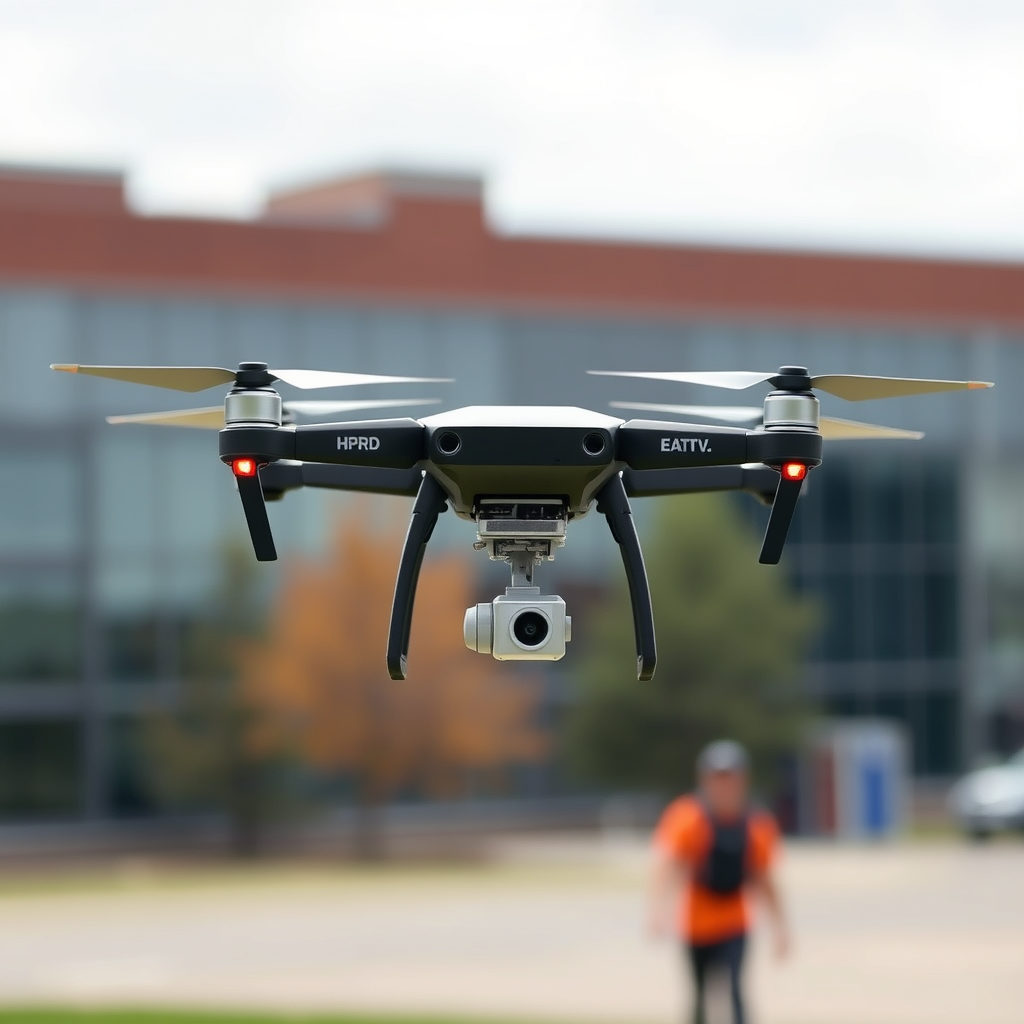
The Federal Aviation Administration (FAA) governs all drone operations in the U.S., setting forth crucial regulations that all remote pilots must adhere to. One of the foundational rules is the altitude limit; drones must remain below 400 feet above ground level to avoid interfering with manned aircraft. Additionally, pilots must maintain a visual line-of-sight with their drone at all times, ensuring they can see it without the aid of binoculars or other devices.
Beyond these basic requirements, the FAA mandates that all drone operators register their drones if they weigh between 0.55 and 55 pounds. This registration process is straightforward and can be done online, costing a nominal fee. Familiarity with airspace classifications is also crucial; drones are prohibited from flying in restricted airspace, such as near airports, without special authorization.
By understanding these regulations, drone pilots can ensure compliance, avoid fines, and contribute to the safe integration of drones into the national airspace.
Popular Drone-Friendly Locations in Minnesota
Minnesota’s diverse landscapes offer numerous opportunities for drone pilots seeking picturesque flying locations.
– State Parks: Many state parks across Minnesota allow drone usage, but it’s essential to check the specific rules of each park before takeoff. For instance, parks like Itasca State Park and Gooseberry Falls State Park are popular choices. Each park may have designated areas where drone flying is permitted, as well as specific times or restrictions, particularly during peak tourist seasons.
– Rural Areas: The expansive rural landscapes of Minnesota, characterized by open farmlands and serene natural beauty, provide ample space for drone flying. Locations such as the Minnesota River Valley or the Prairie Grasslands offer stunning backdrops for aerial photography and videography. Pilots can capture breathtaking views of the rolling hills, vast fields, and winding rivers without the constraints often found in urban settings.
When selecting a location, always ensure that you’re in compliance with both FAA regulations and any local guidelines to ensure a safe and enjoyable flying experience.
Local Drone Laws and Restrictions
While the FAA sets federal regulations, local jurisdictions in Minnesota may impose additional restrictions on drone usage. This dual layer of governance means that drone pilots must remain vigilant about their surroundings and local laws.
For instance, cities like Minneapolis and St. Paul have specific ordinances that may restrict drone flying in certain urban areas, particularly around schools, parks, and public events. Additionally, some counties may have ordinances that limit drone operations in certain parks or natural reserves to protect wildlife or maintain public safety.
Before flying your drone, it is advisable to consult local government websites or contact city officials to ensure you’re aware of any specific rules that may apply in your intended flying area. Local drone pilot groups can also be a valuable resource for staying informed about changing regulations.
Best Practices for Flying Drones
To ensure a safe and enjoyable drone flying experience, adhering to best practices is essential.
– Informing People Nearby: Always notify individuals in your vicinity before launching your drone. This not only promotes safety but also fosters a respectful flying environment. People may have concerns about privacy or safety, so open communication can alleviate potential issues.
– Avoiding Crowded Areas: It is crucial to avoid flying near airports, schools, and crowded events. These areas not only pose safety risks but also attract attention and scrutiny from authorities. Maintaining a minimum distance from people and populated areas is not only a legal requirement but also a moral one, as it ensures the safety of everyone involved.
– Respecting Privacy: Be aware of privacy concerns when flying in residential areas. Avoid capturing footage of private properties without permission, as this could lead to legal issues and damage your reputation as a responsible drone operator.
By following these best practices, drone pilots can contribute to a positive perception of drone use and help ensure a safe flying environment for all.
Resources for Drone Pilots in Minnesota
Engaging with the drone community can enhance your flying experience and provide invaluable resources.
– Local Drone Pilot Groups or Clubs: Joining local drone clubs can offer support, camaraderie, and opportunities for collaboration. These groups often organize meet-ups, workshops, and events that can help new pilots learn the ropes while allowing experienced pilots to share their knowledge.
– Websites and Apps: Utilize online resources like AirMap, DroneDeploy, or the FAA’s B4UFLY app, which provide maps detailing no-fly zones and recommended flying areas. These tools can help you stay compliant with regulations while discovering new and exciting places to fly your drone.
– Online Forums and Social Media Groups: Engaging with online forums and social media groups dedicated to drone flying can provide tips, tricks, and insights from fellow enthusiasts. These platforms can also serve as a space to share your experiences and learn from others.
By leveraging these resources, drone pilots can enhance their skills, stay informed about regulations, and connect with the broader drone community in Minnesota.
Environmental Considerations
When flying drones, it’s essential to consider the environmental impact of your activities.
– Wildlife and Natural Habitats: Drones can disturb wildlife, particularly during nesting seasons. Pilots should avoid flying in areas known to house sensitive species or habitats. Observing wildlife from a distance is critical to protect both the environment and the integrity of your flying experience.
– Leave No Trace Principles: Following the Leave No Trace principles is vital for minimizing your environmental impact while flying. This includes respecting designated flying areas, cleaning up after yourself, and ensuring that your activities do not contribute to pollution or degradation of natural spaces.
By being environmentally conscious, drone pilots can help preserve Minnesota’s natural beauty for future generations while enjoying the benefits of aerial exploration.
In conclusion, Minnesota offers a variety of places to fly your drone, but it is essential to stay informed about regulations and local laws. Understanding FAA guidelines, exploring popular drone-friendly locations, adhering to best practices, and being mindful of the environment will enhance your flying experience. Always prioritize safety and respect for the environment when enjoying your drone flying adventure. Happy flying!
Frequently Asked Questions
Where can I legally fly my drone in Minnesota?
In Minnesota, you can legally fly your drone in various public areas, including state parks, lakes, and open fields, as long as you adhere to FAA regulations. Specific locations like the Boundary Waters Canoe Area Wilderness have restrictions, so it’s essential to check local laws and regulations beforehand. Always maintain a visual line of sight and do not fly near airports or crowded areas to ensure safety and compliance.
What are the drone flying regulations in Minnesota?
Drone flying regulations in Minnesota are primarily governed by the FAA, which requires all drone operators to register their drones and follow specific rules such as flying below 400 feet, avoiding restricted airspaces, and not flying over people. Additionally, Minnesota has its own state laws that may impose further restrictions on drone use, particularly in state parks and near wildlife. It’s advisable to review both FAA guidelines and state laws for complete compliance.
How can I find drone-friendly parks and areas in Minnesota?
To find drone-friendly parks and areas in Minnesota, you can use resources like the FAA’s B4UFLY app, which provides real-time information on airspace restrictions. Additionally, websites like Airmap and local drone community forums can offer insights into popular flying spots. Always verify with local authorities or park services to ensure that drone flying is permitted in specific locations.
Why is it important to check airspace restrictions before flying my drone in Minnesota?
Checking airspace restrictions before flying your drone in Minnesota is crucial to avoid potential legal issues and ensure safety. Certain areas, such as near airports, military bases, and national parks, have specific airspace regulations that prohibit drone flights. By being aware of these restrictions, you can prevent accidents, avoid fines, and contribute to the safe integration of drones into the airspace.
What are the best practices for flying a drone in Minnesota?
The best practices for flying a drone in Minnesota include conducting a pre-flight checklist to ensure your drone is in good condition, understanding and adhering to local regulations, and maintaining a safe distance from people and property. Additionally, it’s wise to fly during daylight hours in good weather conditions for optimal visibility. Respect wildlife and natural habitats by avoiding sensitive areas and always be courteous to other park visitors.
References
- https://www.faa.gov/uas/getting_started/where_to_fly
- https://www.dnr.state.mn.us/mcvmagazine/issues/2019/spring/where_to_fly_your_drone.html
- https://www.mndnr.gov/uas/index.html
- https://www.mn.gov/deed/newscenter/press-releases/?id=1053-438280
- https://www.wildlife.state.mn.us/mn-drones/
- https://www.leg.state.mn.us/docs/2020/other/200553.pdf
