
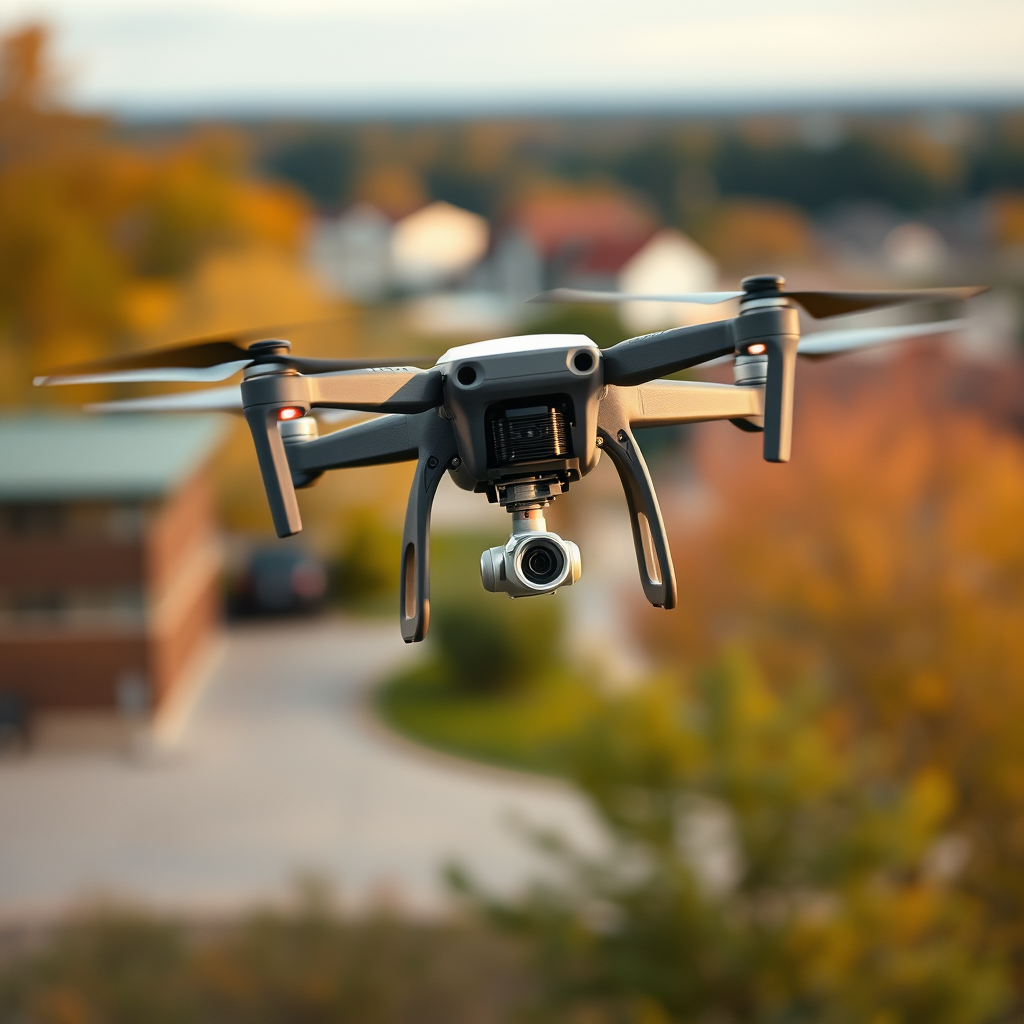
You can fly a drone in Rhode Island in many public spaces, but it’s essential to be aware of local regulations and restrictions. With a diverse range of landscapes from coastal beaches to lush parks, Rhode Island provides excellent opportunities for drone enthusiasts. However, understanding the legal framework governing drone use is crucial to ensure that your flying experience is both enjoyable and compliant with the law.
Understanding Rhode Island Drone Laws
Flying drones in Rhode Island is governed by both federal and state regulations. The Federal Aviation Administration (FAA) oversees all drone operations in the United States, requiring drone pilots to register their UAVs (Unmanned Aerial Vehicles) if they weigh more than 0.55 pounds. Additionally, the FAA mandates that drones must be flown below 400 feet, within the pilot’s visual line of sight, and not over groups of people or moving vehicles.
In addition to federal regulations, Rhode Island has specific laws that impact drone operations. For instance, it is illegal to operate a drone in a manner that invades another person’s privacy or to capture images of individuals without their consent. Local municipalities may also establish their own regulations, especially concerning drone usage in public parks or near sensitive areas. Therefore, checking local ordinances before flying is essential to avoid potential fines or legal complications.
Ideal Locations for Drone Flying
Rhode Island boasts several ideal locations for drone flying, allowing pilots to capture stunning vistas and unique perspectives. One of the most popular spots is Roger Williams Park in Providence, which features expansive green spaces, tranquil lakes, and beautiful gardens. The park offers a variety of landscapes, making it an excellent place for aerial photography.
Another prime location is Narragansett Beach, where the coastal scenery provides breathtaking backdrops for drone flights. The combination of sandy beaches, rolling waves, and picturesque sunsets creates an ideal setting for capturing vibrant drone footage. However, pilots should be mindful of local regulations, especially during peak tourist seasons.
For those seeking a more natural landscape, Arcadia Management Area offers dense forests, tranquil ponds, and extensive trails. This area is perfect for drone enthusiasts looking to explore Rhode Island’s rich wildlife and natural beauty while maintaining compliance with local laws.
No-Fly Zones to Avoid
While Rhode Island offers numerous locations for drone flying, certain no-fly zones must be strictly avoided. Airports, such as T.F. Green Airport in Warwick and Newport State Airport, have designated airspace restrictions that prohibit drone operations within a certain radius. Pilots should be aware of the FAA’s airspace maps to ensure they are not inadvertently flying in restricted areas.
Additionally, certain areas have been designated for wildlife or environmental protection, such as Ninigret National Wildlife Refuge. These regions often have specific regulations in place to safeguard local ecosystems and wildlife habitats. Flying a drone in these areas could result in fines or damage to sensitive environments, so it’s crucial to respect these boundaries.
Drone Safety and Best Practices
Safety should always be a top priority for drone pilots. One of the most critical best practices is maintaining a visual line of sight with your drone during flight. This ensures that you can adequately monitor the drone’s position and avoid potential collisions with other aircraft, structures, or individuals.
Additionally, pilots should conduct pre-flight checks to verify that their drone is in proper working condition, including checking battery levels, propellers, and camera functionality. It is also advisable to avoid flying in inclement weather, such as high winds or heavy rain, as these conditions can increase the risk of crashes.
Finally, being respectful of privacy is paramount. Avoid flying over private properties or capturing images of individuals without their consent to ensure that you are adhering to both legal and ethical standards.
Resources for Drone Pilots in Rhode Island
For drone enthusiasts looking to connect with others or stay informed, several resources are available in Rhode Island. Local drone clubs and organizations, such as the Rhode Island Drone User Group, provide a platform for networking, sharing experiences, and learning from fellow pilots. These groups often host events, workshops, and meetups, offering valuable opportunities for education and collaboration.
Additionally, online forums and websites, such as the DroneU and UAV Coach, offer a wealth of information regarding drone regulations, best practices, and tips for flying in Rhode Island. These resources can help keep pilots up to date with the latest changes in laws and technology, ensuring that they remain informed and compliant.
Tips for Capturing Great Drone Footage
Capturing stunning drone footage requires understanding various techniques and optimal conditions. When shooting aerial photography or videography, consider using the rule of thirds to create more balanced and engaging compositions. This technique involves dividing your frame into three equal parts and positioning key elements along these lines or at their intersections.
Timing also plays a crucial role in capturing great footage. The golden hour, which occurs shortly after sunrise and before sunset, provides soft, diffused lighting that enhances the beauty of your shots. Additionally, be mindful of weather conditions; clear skies generally yield the best results, while cloudy or rainy days can lead to dull images.
Finally, experimenting with different flight paths and altitudes can help create dynamic footage. Slow, sweeping movements often enhance the cinematic quality of your videos, while quick ascents or descents can add excitement.
Getting Involved in the Drone Community
Engaging with the drone community in Rhode Island can enhance your flying experience and provide valuable insights. Numerous events and meetups occur throughout the state, organized by local clubs or enthusiasts. Events like drone racing competitions or aerial photography contests allow pilots to showcase their skills and creativity while connecting with like-minded individuals.
Additionally, many clubs offer workshops or seminars on topics ranging from drone maintenance to advanced filming techniques, providing opportunities for learning and skill development. Sharing experiences and knowledge with fellow pilots can significantly enhance your understanding of drone technology and its applications.
In conclusion, flying a drone in Rhode Island offers exciting opportunities, but it’s crucial to stay informed about regulations and safe practices. By understanding the laws, identifying ideal locations, and engaging with the community, you can maximize your drone flying experience. Whether you’re capturing breathtaking views or connecting with fellow enthusiasts, always respect the rules to ensure a positive experience for everyone.
Frequently Asked Questions
What are the regulations for flying a drone in Rhode Island?
In Rhode Island, drone pilots must adhere to both federal regulations set by the Federal Aviation Administration (FAA) and state-specific laws. This includes registering your drone if it weighs over 0.55 pounds and following FAA guidelines for safe flying, such as keeping the drone within visual line of sight and not flying above 400 feet. Additionally, you should check for any local ordinances regarding drone use as some municipalities may have restrictions in place.
Where are the best locations to fly a drone in Rhode Island?
Some of the best locations to fly a drone in Rhode Island include scenic spots like Fort Adams State Park in Newport, the vast beaches of Block Island, and the picturesque landscapes of Arcadia Management Area. However, always ensure you are flying in permitted areas and avoid crowded spaces or private properties unless you have permission. Checking local drone maps and resources can help identify safe zones for flying.
How do I find no-fly zones for drones in Rhode Island?
To locate no-fly zones in Rhode Island, you can use tools like the FAA’s B4UFLY app, which provides real-time information about airspace restrictions, including temporary flight restrictions (TFRs) and other safety advisories. Additionally, reviewing sectional charts and local laws can help you avoid restricted areas, ensuring your flight complies with regulations and safety standards.
Why do I need to check for local laws before flying a drone in Rhode Island?
Checking local laws is crucial because regulations can vary significantly between cities and towns in Rhode Island. Some areas may have specific restrictions, such as prohibiting drone flights in public parks or near schools. Being aware of these laws helps you avoid fines and ensures that you respect the privacy of residents and the safety of the community while enjoying your drone flying experience.
Which drone flying apps are recommended for Rhode Island pilots?
Recommended apps for drone pilots in Rhode Island include AirMap, which helps you identify airspace restrictions and provides real-time weather updates, and UAV Forecast, which gives you detailed weather conditions for safe flying. Additionally, the FAA’s B4UFLY app is essential for understanding where you can and cannot fly, making it easier to plan your drone activities responsibly.
References
- https://www.faa.gov/uas/getting_started/where_to_fly/
- https://www.faa.gov/uas/resources/policy_library/
- https://www.riparks.com/
- https://www.faa.gov/uas/education_resources/
- https://www.riparks.com/park-information/faq/
- https://crmc.ri.gov/
- https://www.wpri.com/news/local-news/drone-rules-in-rhode-island-what-you-need-to-know/
- https://www.nbcnews.com/news/us-news/rhode-island-drone-regulations-rcna134678
