
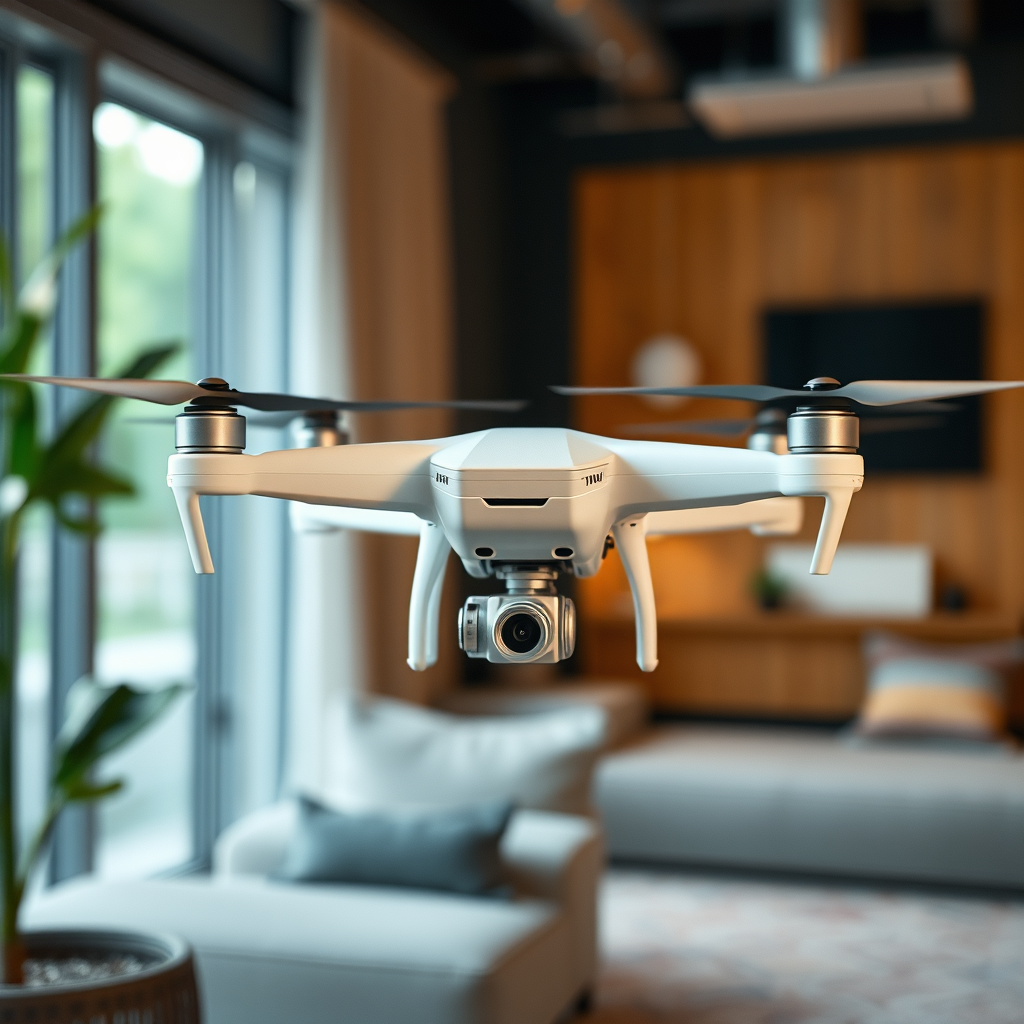
Flying a drone legally is contingent upon understanding and adhering to a patchwork of regulations that differ by location. In general, the best places to fly a drone legally include designated parks, open fields, and remote areas far from populated regions. Familiarizing yourself with local laws and restrictions is essential for safe and responsible drone operation, ensuring you can enjoy your drone hobby without running afoul of the law.
Understanding Drone Regulations
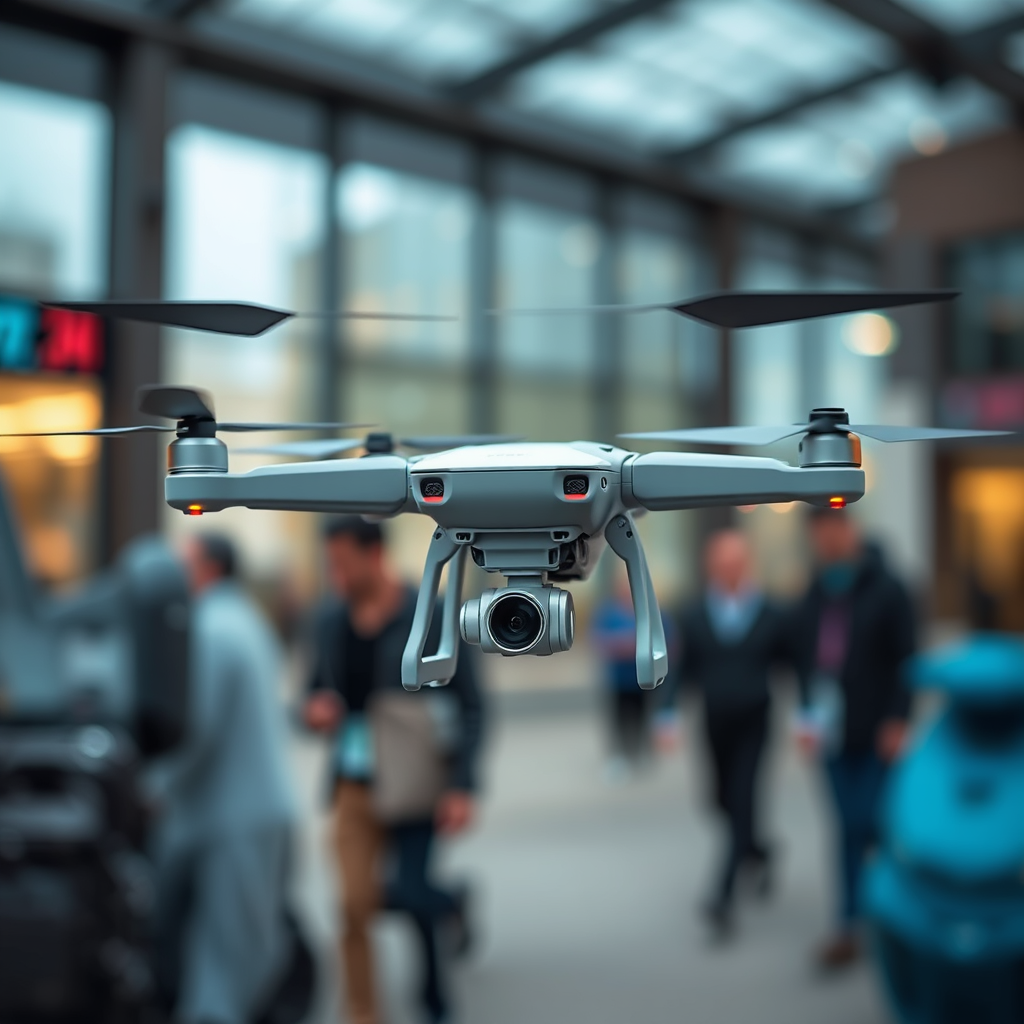
In the United States, the Federal Aviation Administration (FAA) is the primary regulatory body governing drone flight. The FAA has established a set of guidelines and regulations that all drone operators must follow, which include maintaining specific altitude limits, avoiding restricted airspace, and adhering to visual line of sight requirements. For instance, recreational drone pilots are required to register their drones if they weigh more than 0.55 pounds, while commercial operators must obtain a Part 107 certificate.
However, it’s crucial to recognize that drone regulations can differ significantly from one location to another. For example, while the FAA provides a broad framework, local municipalities may impose additional restrictions. Therefore, before flying your drone, it is vital to check local laws, which may include noise ordinances, privacy laws, and any specific rules pertaining to drone use in parks or residential areas.
Designated Flying Areas
Many regions have designated areas where drone flying is encouraged and regulated. National parks and recreation areas often have specific rules regarding drone usage. For example, many national parks, such as Yellowstone, prohibit drone flights altogether to protect wildlife and the natural landscape. Conversely, some state parks may allow drone flying but require permits. Always check the regulations for the specific park you plan to visit.
Community parks can also offer opportunities for drone flying. Some municipalities have established designated flying zones within parks to accommodate drone enthusiasts. These areas are typically marked and may have specific guidelines on hours of operation and acceptable flying practices. Engaging with local drone clubs can also provide insights into the best spots for flying legally within your community.
No-Fly Zones
Understanding no-fly zones is critical for anyone operating a drone. Certain areas are strictly off-limits for drone flights due to safety and security concerns. Airports and military bases are prime examples of restricted areas; typically, no drone activity is allowed within a five-mile radius of most airports without prior authorization from air traffic control. Additionally, sensitive locations such as government buildings, critical infrastructure sites, and large public events may also be designated as no-fly zones.
The consequences of flying in these restricted areas can be severe. Violating no-fly zones can lead to hefty fines, confiscation of your drone, and even criminal charges in extreme cases. It is imperative to use drone flight planning tools and apps to ensure that you are aware of any restrictions before you take off.
State and Local Laws
Drone laws can vary tremendously from state to state, making it essential for operators to familiarize themselves with the regulations in their specific areas. Some states have enacted laws that govern drone use in relation to privacy, property rights, and law enforcement. For instance, states like California and Florida have specific laws regarding the use of drones for surveillance and recording, emphasizing the importance of respecting individuals’ privacy rights.
Moreover, local city ordinances may impose additional restrictions. For example, certain cities may require drone operators to obtain permits for flying in public spaces or may have designated times when drone flying is permitted. It is advisable to consult your local government’s website or contact local authorities for the most accurate and up-to-date information regarding drone regulations in your area.
Drone Registration Requirements
In the United States, drone registration is a requirement that varies based on the intended use of the drone. Recreational users must register any drone that weighs more than 0.55 pounds with the FAA, a process that is straightforward and can be completed online. Commercial drone operators, on the other hand, must not only register their drones but also obtain a Part 107 certification, which requires passing a knowledge test on FAA regulations.
The benefits of registering your drone extend beyond compliance. Registered drones can be more easily identified in the event of loss or theft. Additionally, being a registered operator can enhance your credibility when flying in public spaces, showcasing your commitment to responsible flying practices.
Safe Flying Practices
Engaging in safe flying practices is paramount to ensuring a positive drone experience. One of the primary guidelines is to maintain a safe distance from people and property. The FAA recommends that drone operators avoid flying over groups of people, public events, or moving vehicles. Additionally, it’s essential to refrain from flying near sensitive locations, such as schools or hospitals, where the presence of people is high.
Flying within visual line of sight is another crucial practice. This means keeping your drone within your line of sight at all times, which allows for better control and awareness of your surroundings. Furthermore, consider using a spotter, especially in crowded areas, to help you keep track of your drone while you focus on flying.
Resources for Drone Pilots
There is a wealth of resources available to drone pilots that can assist in navigating regulations and ensuring safe operation. Online tools and apps, such as the FAA’s B4UFLY app, provide information about airspace restrictions and local regulations. Similarly, websites like UAV Coach offer comprehensive resources, including training, tips, and a database of drone regulations by state.
Joining local drone communities and organizations can also provide invaluable support. These groups often share information on flying spots, upcoming events, and best practices, and can be a great way to connect with other enthusiasts to enhance your flying experience.
Knowing where you can legally fly a drone is essential for responsible flying. By familiarizing yourself with regulations, designated areas, and local laws, you can enjoy your drone experience while staying compliant. Always check for updates and join local drone communities to stay informed and connected, ensuring that your drone adventures are both enjoyable and lawful.
Frequently Asked Questions
What are the legal requirements for flying a drone in the United States?
In the United States, drone operators must adhere to the Federal Aviation Administration (FAA) regulations, which include registering their drones if they weigh over 0.55 pounds. Additionally, pilots must keep their drones within visual line of sight, fly below 400 feet, and avoid flying near airports or populated areas without permission. It’s essential to check local laws as well, as some states and municipalities have additional restrictions regarding drone flight.
How can I find out where I can fly my drone legally?
To find legal flying locations for your drone, you can use resources like the FAA’s B4UFLY app, which provides real-time information on airspace restrictions and safety advisories. Additionally, websites such as Airmap and DroneDeploy offer interactive maps that display no-fly zones and airspace classifications. Always verify local regulations and obtain necessary permits before flying.
Why are there restrictions on where I can fly my drone?
Restrictions on drone flight locations are primarily in place to ensure safety and privacy. Drones can pose risks to manned aircraft, and flying near airports or in restricted airspace can lead to dangerous situations. Furthermore, local laws address privacy concerns, preventing drone operators from flying over private properties or sensitive areas without consent. Understanding these regulations helps promote safe and responsible drone usage.
What are the best places to fly a drone legally for beginners?
The best places for beginners to fly a drone legally include designated parks, open fields, and rural areas where there are fewer people and obstacles. Many community parks and recreation areas have specific zones where drone flying is permitted, making them ideal for practice. Local flying clubs or groups can also offer guidance on suitable locations and provide shared experiences that enhance your learning curve.
Which states have the most relaxed drone flying regulations?
States like Texas, Florida, and North Carolina are known for having more relaxed drone flying regulations compared to others, with fewer restrictions on recreational flying. However, it is crucial to remember that while state laws may be lenient, federal regulations still apply. Always check specific local ordinances and guidelines to ensure compliance, as they can vary significantly even within states.
References
- https://www.faa.gov/uas/getting_started/where_to_fly
- https://www.nasa.gov/feature/nasa-s-drone-portal-where-to-fly-drones-in-the-us
- https://www.usa.gov/elected-officials
- https://www.wired.com/story/drone-flying-laws-2021/
- https://en.wikipedia.org/wiki/Drone_regulation
- https://www.faa.gov/uas/
- https://www.nolo.com/legal-encyclopedia/drone-laws-state-state-29721.html
- https://www.rcgroups.com/forums/showthread.php?3021973-How-To-Find-Where-To-Fly-Drones-Legally
- https://www.theguardian.com/technology/2021/jan/28/drone-regulations-uk-eu-usa
