
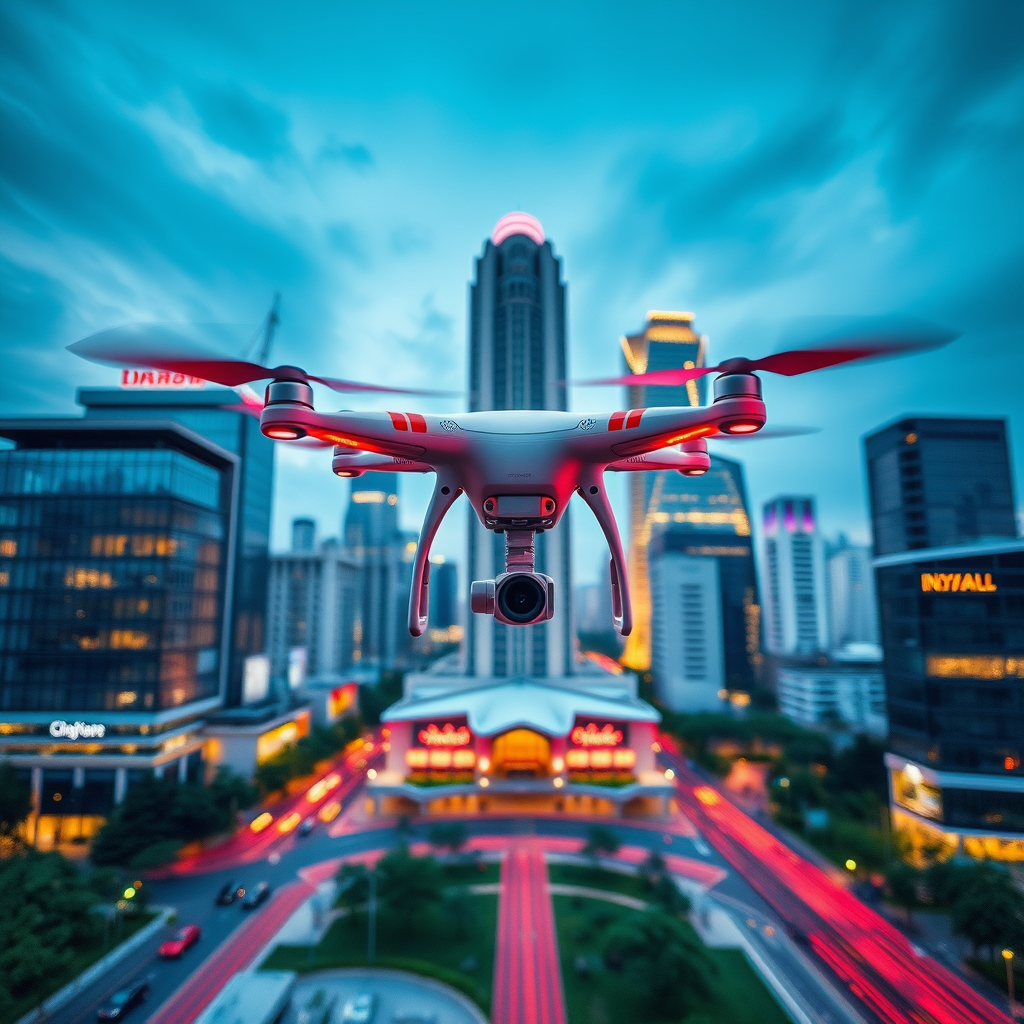
In Singapore, you can fly drones in designated areas and parks, provided you comply with local regulations. Understanding the rules and available locations will help you make the most of your drone flying experience, ensuring that your activities are both enjoyable and lawful. With a blend of urban landscapes and natural beauty, Singapore offers numerous opportunities for drone enthusiasts, but it is vital to navigate the regulatory framework that governs drone operations in the country.
Understanding Singapore’s Drone Regulations
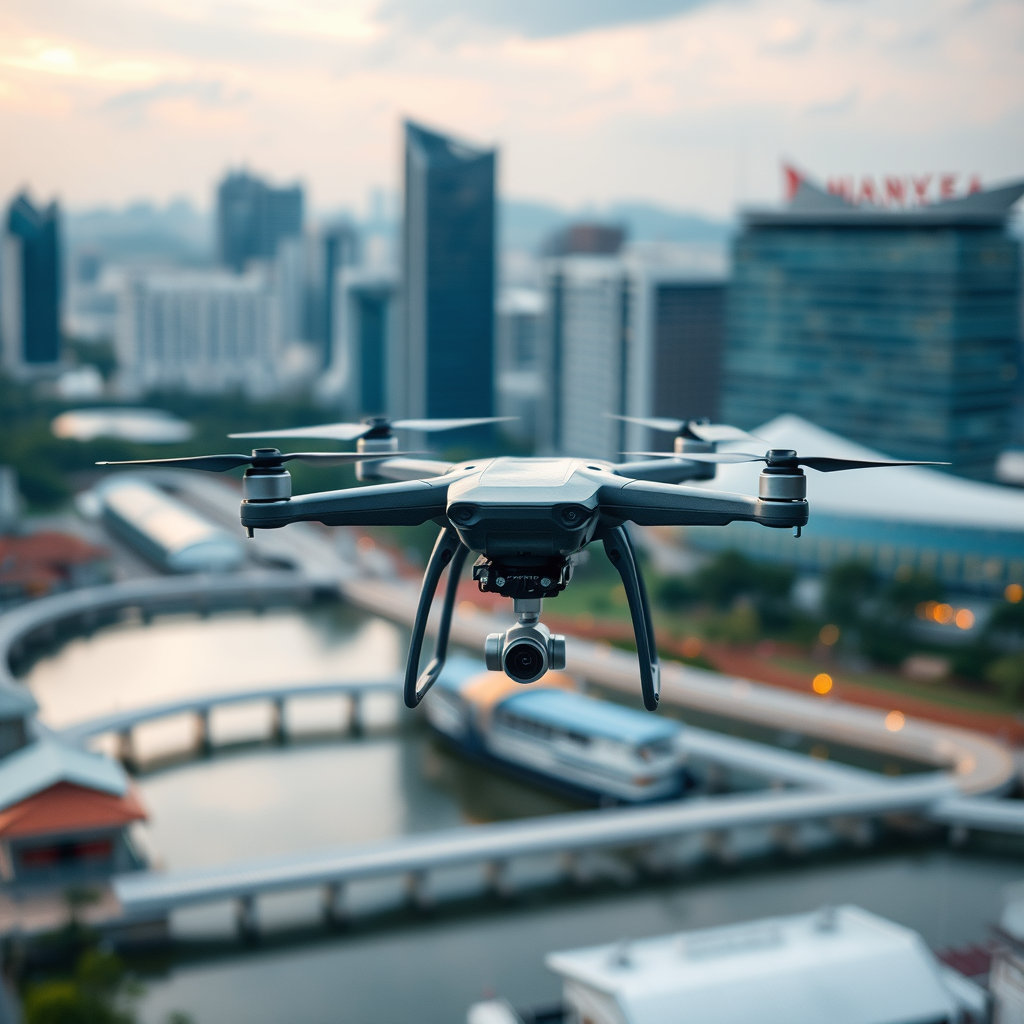
To enjoy drone flying in Singapore, it is imperative to familiarize yourself with the guidelines set forth by the Civil Aviation Authority of Singapore (CAAS). The CAAS categorizes drone usage into various classifications, primarily recreational and commercial. Recreational drone pilots must adhere to specific height restrictions, typically not exceeding 200 feet, and must ensure their drone remains within visual line of sight at all times.
For commercial use, such as aerial photography or surveying, stricter regulations apply. Operators must register their drones if they exceed 250 grams and obtain a Permit to Fly, which necessitates demonstrating compliance with safety protocols and operational guidelines. Understanding these regulations is crucial for both safety and legal compliance, and it also enhances the overall flying experience by minimizing the risks associated with drone operations.
Designated Areas for Drone Flying
Singapore is home to several designated areas where drone flying is encouraged and facilitated. Notable locations include East Coast Park, which provides ample open space and scenic views, making it a popular choice among drone enthusiasts. Similarly, Marina Barrage offers picturesque backdrops and a spacious environment for flying drones, allowing operators to capture the stunning skyline of Singapore.
Additionally, the government has designated community drone flying zones across various neighborhoods, often located in parks and recreational areas. These zones are specifically marked to support responsible drone flying and to mitigate conflicts with pedestrians and other park users. It is advisable to check the official CAAS website or local government announcements for updates on these designated areas, as they can change based on urban development or community feedback.
No-Fly Zones to Avoid
While Singapore provides numerous opportunities for drone flying, it is equally important to be aware of no-fly zones where drone operations are strictly prohibited. These areas include airports, such as Changi Airport, and military installations, which pose significant safety risks if drones are flown nearby. Furthermore, densely populated regions, particularly urban centers, are typically off-limits to ensure the safety of residents and property.
Additionally, temporary no-fly zones may be established during significant events, such as national celebrations, large public gatherings, or emergency situations. Operators are advised to remain vigilant and consult the CAAS’s online resources or mobile applications for real-time information on restricted areas and any changes to existing regulations.
Required Permits and Registration
Drone registration is a critical aspect of flying in Singapore, particularly for those using drones for commercial purposes. If your drone weighs more than 250 grams, it must be registered with the CAAS before any flight can occur. Registration involves providing specific information about the drone and its operator, which helps authorities track drone activity and ensure compliance with safety standards.
For commercial activities, a Permit to Fly is often required, which includes a detailed application process. This permit necessitates demonstrating a thorough understanding of the regulations and providing a clear operational plan that addresses safety measures, risk assessments, and compliance with air traffic regulations. Failure to obtain the necessary permits can result in significant fines and penalties, making it essential for drone operators to be informed and prepared.
Safety Guidelines for Drone Operation
Safety is paramount when operating drones, and adhering to established guidelines is essential for protecting both the operator and the public. Basic safety protocols include maintaining a safe distance from people and property, ensuring that the drone does not fly over crowds or densely populated areas. Operators should also avoid flying in adverse weather conditions, such as strong winds or rain, which can affect drone stability and control.
Another critical guideline is to keep the drone within visual line of sight at all times. This practice not only enhances safety but also complies with regulatory requirements. Additionally, operators should conduct pre-flight checks to ensure the drone is in good working condition, including battery levels, camera functionality, and GPS signal strength. By following these safety guidelines, drone enthusiasts can contribute to a more responsible and enjoyable flying environment.
Community and Resources
Engaging with the local drone community can significantly enhance your flying experience in Singapore. Joining drone flying groups or forums allows enthusiasts to share tips, experiences, and insights about flying in different locations. Community members often organize meet-ups, events, and workshops that can provide valuable opportunities for learning and networking.
Furthermore, utilizing online resources and mobile applications can help keep operators informed about real-time flying conditions, weather updates, and changes in regulations. Platforms such as the CAAS website offer comprehensive guides and resources, while dedicated drone apps can provide flight planning tools and alerts about temporary no-fly zones. Staying connected with other enthusiasts and leveraging available resources can greatly enhance the overall experience of flying drones in Singapore.
Flying drones in Singapore can be an enjoyable activity if you adhere to the established regulations and fly in the proper locations. By understanding the regulations set by the CAAS, identifying designated flying areas, and respecting no-fly zones, you can ensure a safe and responsible flying experience. Additionally, staying informed about required permits, safety guidelines, and community resources will further enhance your engagement with this exciting hobby. Embrace the thrill of drone flying while contributing to a culture of safety and respect for the environment and fellow citizens.
Frequently Asked Questions
What are the regulations for flying a drone in Singapore?
In Singapore, drone operators must adhere to the Civil Aviation Authority of Singapore (CAAS) regulations. All drones weighing 250 grams or more must be registered, and pilots must obtain a license if they intend to fly for commercial purposes. Additionally, drones should not be flown above 200 feet, within 5 km of an airport, or in restricted areas, such as military installations or nature reserves. Always check for the latest regulations to ensure compliance.
Where are the designated areas for flying drones in Singapore?
Designated areas for flying drones in Singapore include parks and open spaces like East Coast Park, Marina Barrage, and Bishan-Ang Mo Kio Park. The CAAS has also set up specific drone flying zones available on their website, which indicate both recreational and commercial flying areas. These zones help to minimize conflicts with manned aircraft and ensure safety in urban environments.
How can I get permission to fly a drone in restricted zones in Singapore?
To fly a drone in restricted zones in Singapore, you will need to apply for special permission from the Civil Aviation Authority of Singapore (CAAS). This process typically involves submitting an application detailing the purpose of your flight, the drone’s specifications, and your flight plan. Approval is granted on a case-by-case basis, so it’s essential to plan ahead and allow for the required processing time.
Why is it important to follow drone flying regulations in Singapore?
Following drone flying regulations in Singapore is crucial for ensuring public safety and maintaining airspace integrity. Non-compliance can lead to serious consequences, including hefty fines or criminal charges, as well as potential accidents that could harm people or property. By adhering to the rules set by the CAAS, drone pilots contribute to a safer flying environment for everyone while also protecting their own rights as operators.
What is the best way to stay updated on drone flying laws in Singapore?
The best way to stay updated on drone flying laws in Singapore is by regularly visiting the Civil Aviation Authority of Singapore (CAAS) website, which provides comprehensive information on regulations, designated flying zones, and any changes in the law. Additionally, joining local drone enthusiast groups or forums can provide insights and updates from fellow pilots and experts in the community, ensuring you remain informed about best practices and legal requirements.
References
- https://www.caas.gov.sg/docs/default-source/pdf/drone-flying-in-singapore.pdf
- https://www.nparks.gov.sg/gardens-parks-and-nature/drones-in-parks
- https://www.mindef.gov.sg/oms/ma/News/Pages/Drone-Operations-in-Singapore.aspx
- https://www.hpb.gov.sg/healthy-living/articles/flying-drones-in-singapore
- https://www.channelnewsasia.com/news/singapore/drone-regulations-singapore-civil-aviation-authority-10018470
