
When it comes to aerial inspections, the Intel Falcon 8+ and Flyability Elios 4 each offer unique advantages, with the Falcon 8+ boasting a remarkable 1km radio range while the Elios 4 operates on a 100m Wi-Fi connection. The choice between these two drones hinges on your specific inspection requirements, as each model excels in different environments and scenarios. This article will explore the strengths and weaknesses of each drone, helping you determine which is better suited for your inspection needs.
Overview of the Intel Falcon 8+
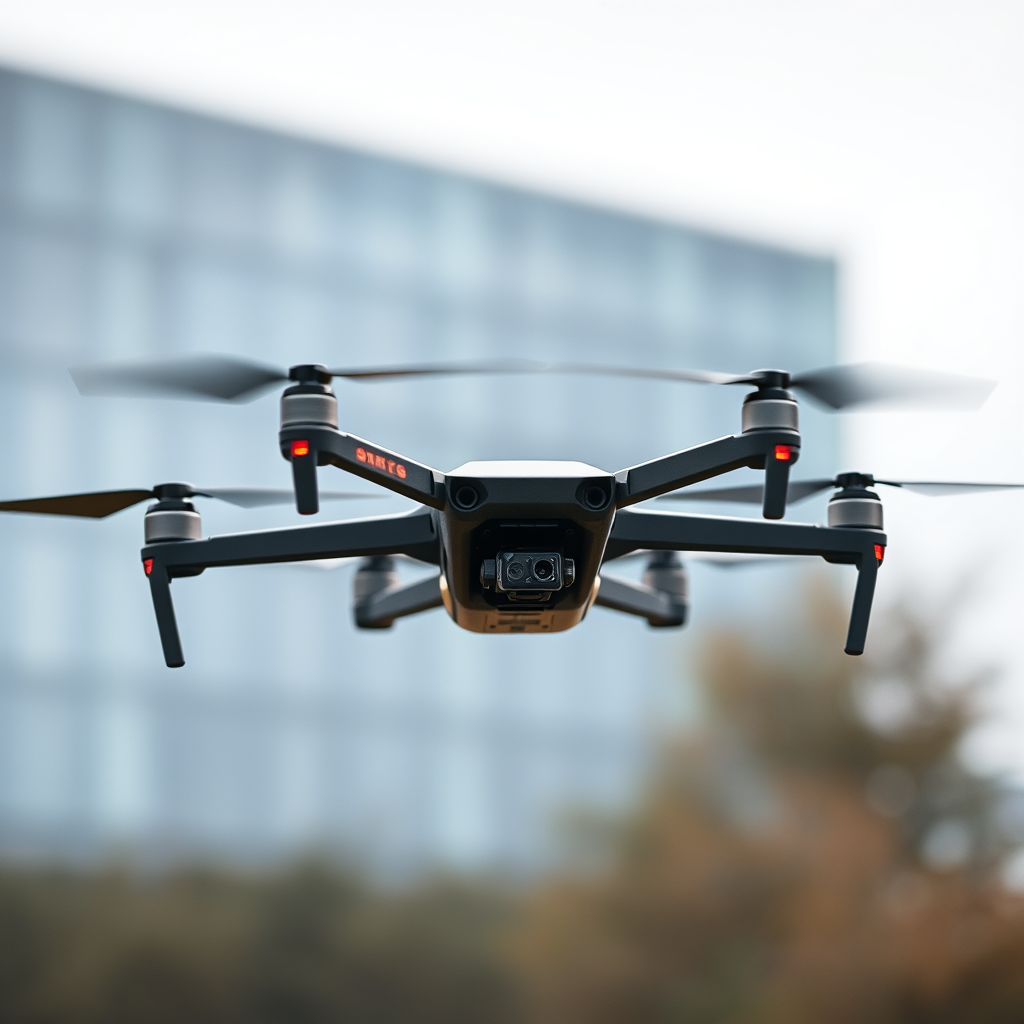
The Intel Falcon 8+ is engineered for versatility and reliability, particularly in long-range missions where high-quality data collection is paramount. This drone features a robust design, allowing it to withstand various environmental challenges while maintaining optimal performance. One of its most significant advantages is its maximum radio range of 1 kilometer, which empowers operators to conduct inspections over large areas without losing connectivity. The Falcon 8+ is equipped with advanced sensors, including a high-definition camera, LiDAR, and multispectral sensors, making it suitable for a wide range of inspection tasks from infrastructure monitoring to agricultural assessments. Its software capabilities, including Intel’s flight planning and data analysis tools, enhance the user experience by streamlining data collection and reporting.
Overview of the Flyability Elios 4
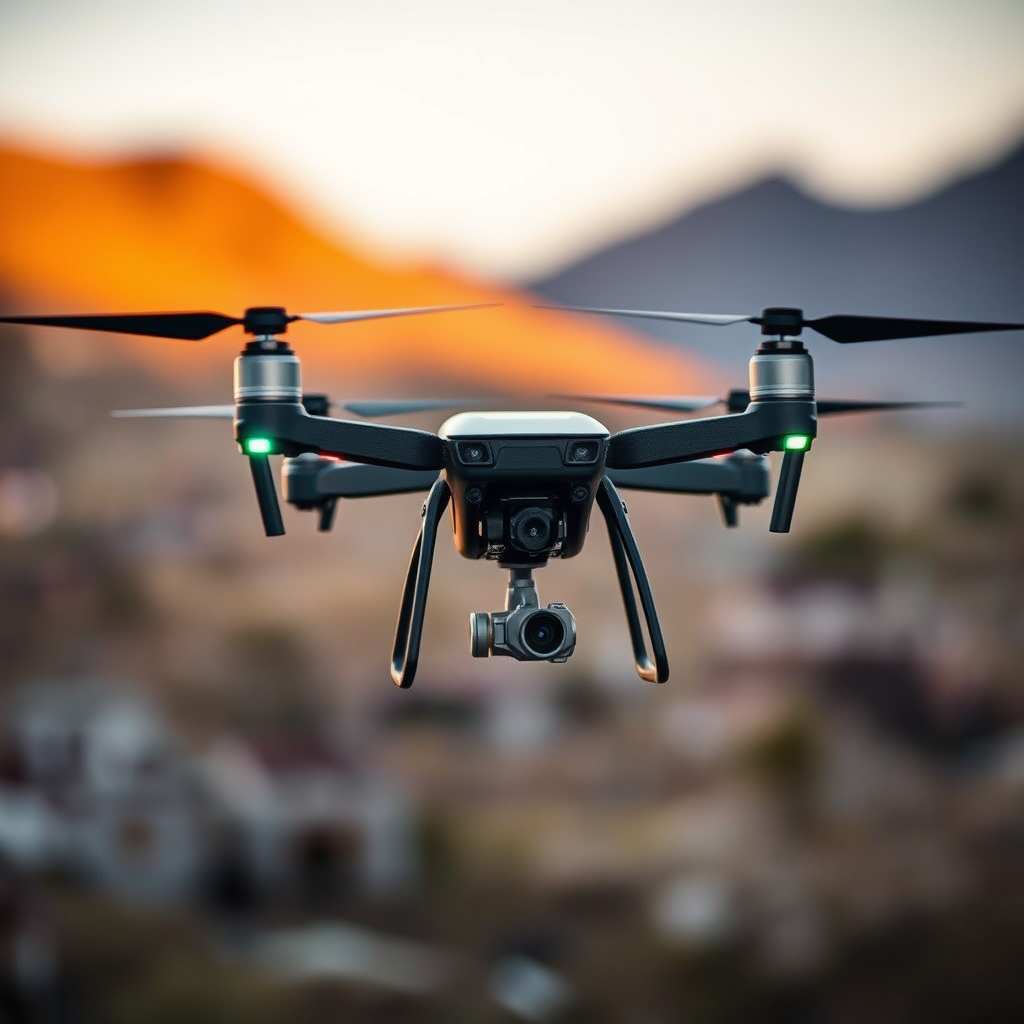
The Flyability Elios 4 is specifically designed for indoor and confined space inspections, making it a go-to choice for sectors that require precision in challenging environments. Its unique collision-tolerant frame is equipped with protective features that allow it to navigate tight spaces without risk of damage, enabling safe operation in environments such as industrial plants, tunnels, and historical buildings. The Elios 4 also incorporates advanced imaging technology, including a 4K camera and thermal imaging capabilities, allowing operators to capture detailed visual data and assess conditions that may not be visible to the naked eye. This drone emphasizes safety and maneuverability, ensuring thorough inspections in environments where traditional drones would struggle.
Range and Connectivity Comparison
The 1km radio range of the Falcon 8+ provides significant advantages for remote inspections, particularly in large-scale infrastructure projects such as wind farms, power lines, and agricultural fields. This extended range allows operators to survey vast areas without the need for multiple take-offs or repositioning, ultimately saving time and resources. Moreover, the Falcon 8+ can maintain a stable connection even in challenging conditions, which is critical when dealing with extensive sites.
In contrast, the Elios 4 operates on a 100m Wi-Fi connection, which, while limited compared to the Falcon 8+, is ideal for its intended use in tight spaces. The Wi-Fi connectivity allows for real-time video streaming and immediate data retrieval, enabling operators to make quick assessments and decisions during inspections. Although the range is shorter, the Elios 4’s design is tailored for environments where close proximity is essential, ensuring that operators can perform detailed inspections without risking damage to the drone or the inspected structure.
Camera and Imaging Technology
The imaging capabilities of the Intel Falcon 8+ are noteworthy, featuring a high-resolution camera that captures detailed images and videos required for comprehensive inspections. With the flexibility to mount various sensors, including infrared and multispectral cameras, the Falcon 8+ is ideal for tasks such as thermal inspections, vegetation analysis, and structural assessments. The drone’s imaging technology is further enhanced by Intel’s sophisticated software algorithms, which facilitate data processing and analysis, allowing users to derive actionable insights from their findings.
On the other hand, the Flyability Elios 4 is equipped with specialized imaging technology designed for close-up inspections. Its high-definition 4K camera captures crisp images and videos, while the thermal imaging capabilities allow users to identify heat anomalies that may indicate issues such as insulation failures or electrical problems. This drone’s ability to navigate through confined spaces while providing detailed imaging makes it invaluable for applications in industrial maintenance, building inspections, and monitoring critical infrastructure.
Durability and Environmental Considerations
The Intel Falcon 8+ is built with durability in mind, ensuring reliable performance in a variety of weather conditions. It can operate in light rain and winds, making it suitable for outdoor inspections year-round. Its robust design and advanced stabilization technology contribute to smooth flight performance, which is crucial for capturing high-quality data even in less-than-ideal environmental conditions.
In contrast, the Flyability Elios 4 excels in indoor environments where collision and safety are paramount. Its protective design includes a cage that shields the drone’s rotors and critical components, allowing it to bounce off walls and obstacles without sustaining damage. This feature is particularly advantageous in complex industrial settings or when inspecting confined spaces such as tanks and tunnels, where traditional drones may face significant risk.
Suitable Applications for Each Drone
The Intel Falcon 8+ is ideally suited for a variety of applications, including infrastructure monitoring, surveying, and agricultural assessments. Its long-range capabilities make it an excellent choice for large-scale projects, such as power line inspections or wind farm assessments, where extensive coverage is required. Additionally, the versatility of its sensor options enables users to conduct diverse inspections, from environmental studies to building assessments.
Conversely, the Flyability Elios 4 is designed for specific use cases that demand precision in confined spaces. It is particularly well-suited for building inspections, industrial maintenance, and assessing the integrity of structures in tight environments. The Elios 4 enables teams to conduct thorough inspections without the need for scaffolding or ladders, significantly reducing both time and labor costs associated with traditional inspection methods.
Cost and Value Analysis
When comparing the price points of the Intel Falcon 8+ and Flyability Elios 4, it is essential to consider not only the initial investment but also the long-term value each drone brings to inspection operations. The Falcon 8+ typically commands a higher price due to its advanced features, extended range, and versatility across various inspection tasks. However, its ROI can be justified through efficiency gains and the ability to cover large areas quickly.
The Elios 4, while lower in initial cost, offers significant value in scenarios where detailed indoor inspections are required. Its specialized design reduces operational risks and minimizes downtime, making it a cost-effective solution for industries that frequently engage in confined space inspections. Moreover, the potential savings on labor and equipment rental can further enhance its value proposition.
The choice between the Intel Falcon 8+ and Flyability Elios 4 ultimately depends on the specific requirements of your inspection projects. If long-range capabilities and advanced imaging are your priorities, the Falcon 8+ may be the better choice. Conversely, if you need a drone for intricate indoor inspections, the Elios 4’s design and technology may prove invaluable. Consider your operational needs carefully and choose accordingly to maximize efficiency and effectiveness in your inspections.
Frequently Asked Questions
What are the key differences between the Intel Falcon 8+ and the Flyability Elios 4 for inspection purposes?
The Intel Falcon 8+ is designed for long-range inspections, offering a robust 1km radio communication range, which is ideal for large-scale surveying and mapping tasks. In contrast, the Flyability Elios 4 is optimized for close-range inspections with a 100m Wi-Fi connectivity, allowing it to navigate tight spaces and hazardous environments effectively. Both drones have unique features tailored to specific inspection scenarios, making the choice dependent on the inspection needs.
How does the flight range affect inspections when comparing the Intel Falcon 8+ and the Flyability Elios 4?
The flight range significantly impacts the utility of these drones in inspection tasks. The Intel Falcon 8+ provides a 1km range, allowing operators to cover extensive areas without needing to relocate frequently, which is ideal for structures like bridges and large buildings. Meanwhile, the Flyability Elios 4’s 100m Wi-Fi range restricts its operational distance but enhances its maneuverability in confined spaces, making it perfect for inspecting indoor environments or hard-to-reach areas.
Why would a professional choose the Flyability Elios 4 over the Intel Falcon 8+ for certain inspections?
Professionals may prefer the Flyability Elios 4 due to its superior agility and collision-tolerance technology, which allows it to navigate complex environments like industrial plants or urban settings. The Elios 4’s design includes protective features that enable it to bump against obstacles without sustaining damage, making it safer for close encounters during inspections. This capability is crucial for operators who need to perform detailed inspections in tight or hazardous locations.
Which drone offers better imaging capabilities for inspections, the Intel Falcon 8+ or the Flyability Elios 4?
The Intel Falcon 8+ typically features higher-resolution cameras and advanced imaging technologies, allowing for detailed aerial imagery and topographic mapping. In contrast, while the Flyability Elios 4 may not match the Falcon 8+’s imaging power, it is equipped with specialized cameras designed for close-up inspections, providing high-quality imagery essential for assessing intricate details in confined spaces. The choice should reflect the specific imaging needs of the inspection task at hand.
What are the maintenance considerations for the Intel Falcon 8+ compared to the Flyability Elios 4?
Maintenance for the Intel Falcon 8+ can be more involved due to its more complex systems and longer-range capabilities, which may require regular calibration and firmware updates to maintain optimal performance. On the other hand, the Flyability Elios 4, while still needing routine checks, is generally easier to maintain due to its simpler design and protective features that minimize wear and tear. Understanding these maintenance requirements is crucial for operators to ensure their drone remains in peak operational condition.
References
- https://en.wikipedia.org/wiki/Comparison_of_drones
- https://www.reuters.com/technology/inspecting-infrastructure-drones-2021-08-25/
- https://www.techcrunch.com/2022/06/15/flyability-eli-4-drone/
- https://www.wired.com/story/the-future-of-drones-for-inspections/
- https://www.sciencedirect.com/science/article/pii/S2351978921000637
- https://www.bbc.com/news/technology-57005608
