
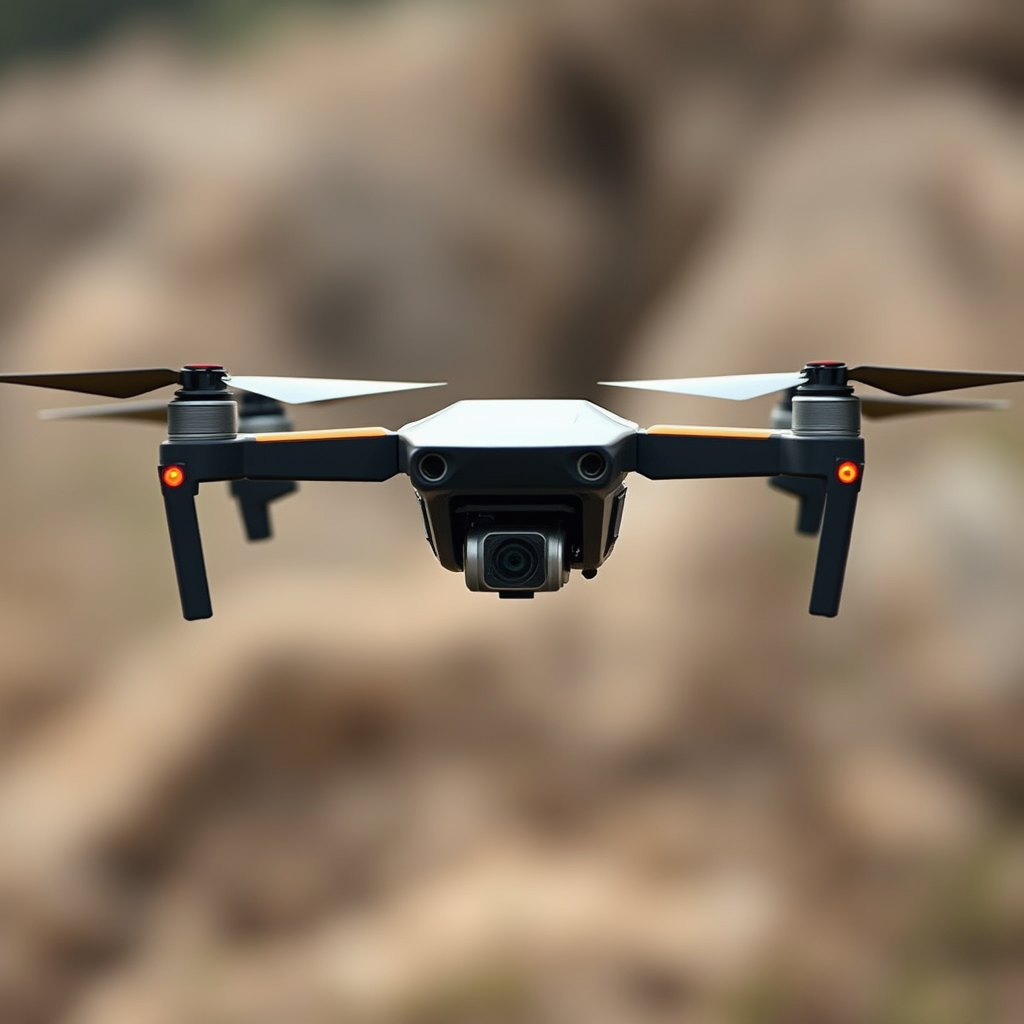
When considering the Draganfly Vital Intelligence and the Brinc Responder Pro, the key difference lies in their operational capabilities: the Draganfly excels with its 5km first-person view (FPV) technology, while the Brinc offers an impressive 7km LTE connectivity. Both drones are specifically designed for emergency response scenarios, yet they cater to distinct needs based on their respective strengths in video streaming and communication distance. This article will delve into the essential differences between these two advanced drones to help you determine which aligns best with your operational requirements.
Overview of Draganfly Vital Intelligence
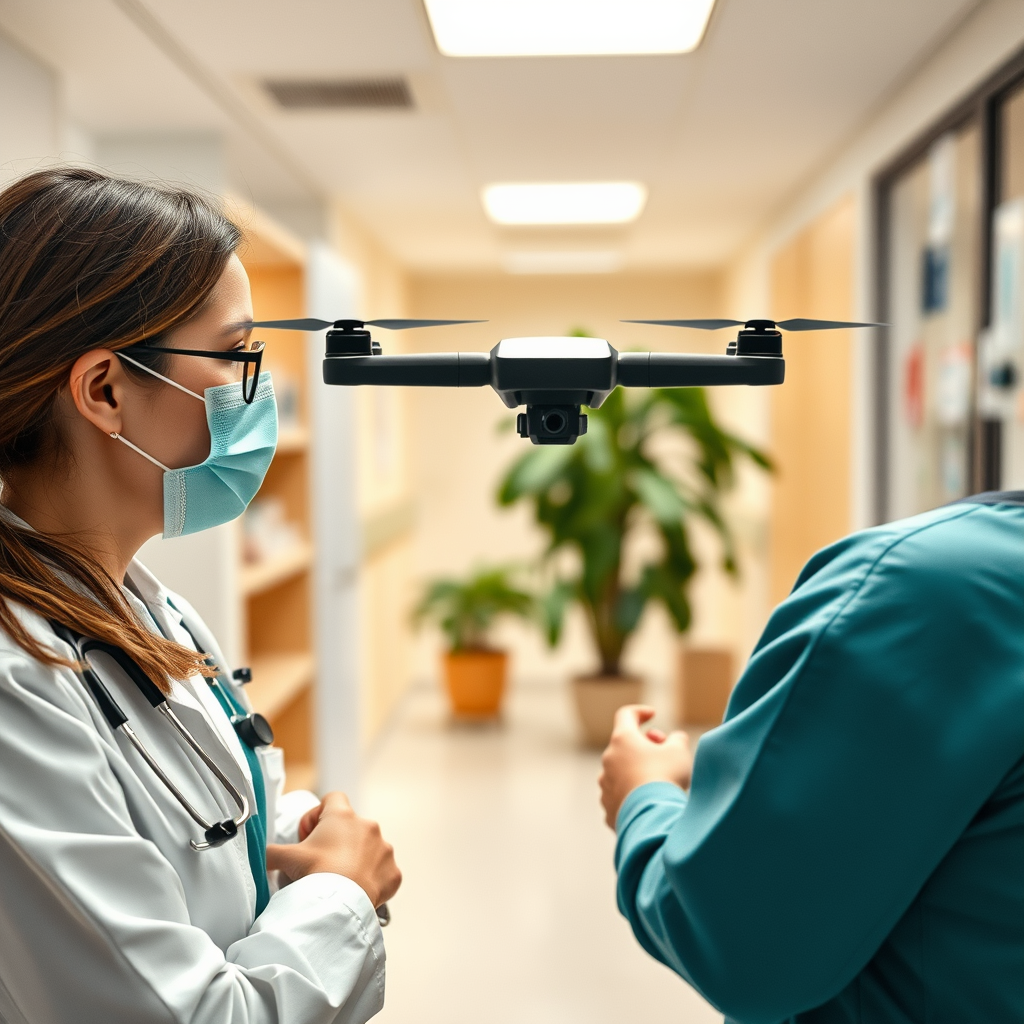
The Draganfly Vital Intelligence drone is meticulously designed for first responders who require real-time situational awareness during emergencies. Its cutting-edge FPV technology provides high-definition video streaming, enabling operators to assess critical situations from a distance of up to 5km. This capability is particularly beneficial in urban environments where quick visual assessments can mean the difference between life and death. With features like thermal imaging and high-resolution cameras, the Draganfly allows emergency responders to identify hazards, locate individuals, and make informed decisions rapidly. The drone’s intuitive controls and user-friendly interface further enhance its effectiveness in high-pressure situations, ensuring that operators can focus on the task at hand without being bogged down by complex technology.
Overview of Brinc Responder Pro
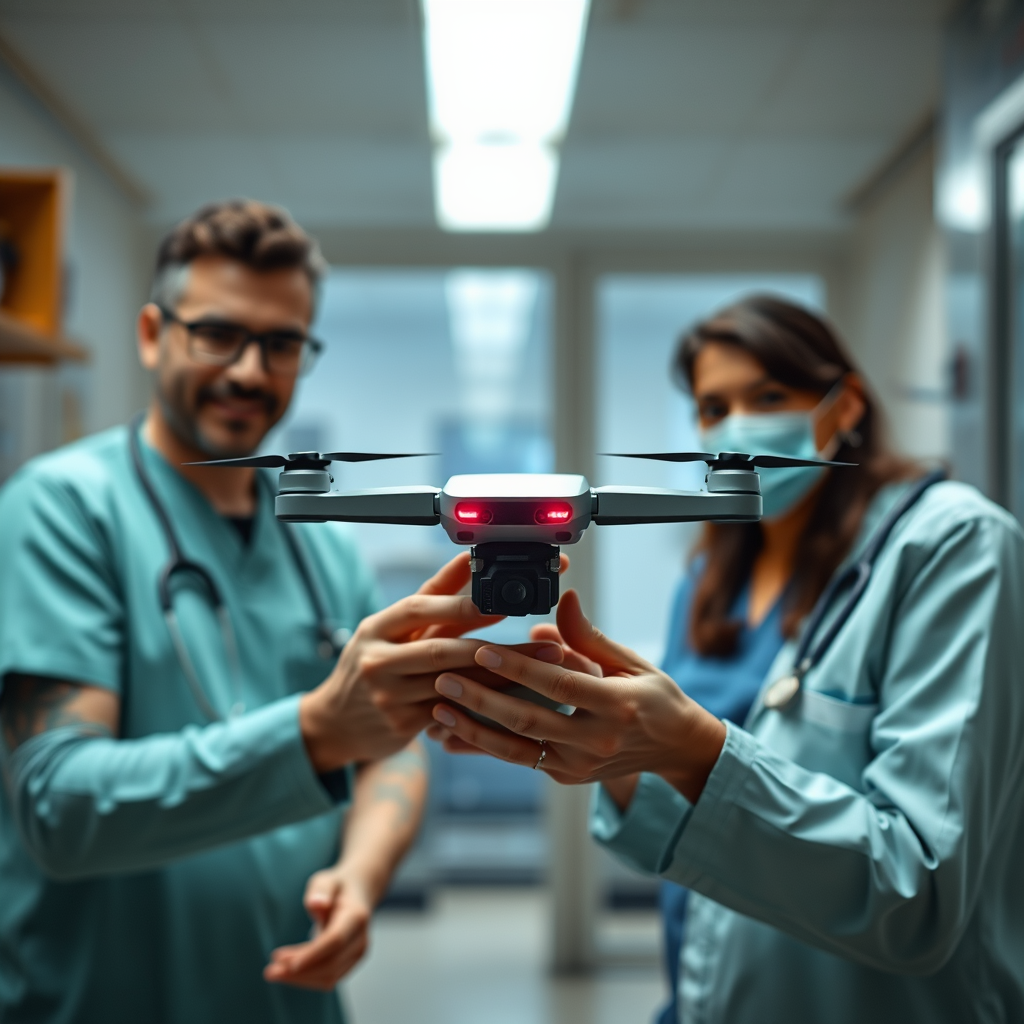
In contrast, the Brinc Responder Pro is engineered for extended operational reach, boasting LTE connectivity that extends up to 7km. This drone is particularly suited for larger rural areas where maintaining a reliable signal over long distances is crucial for effective emergency response. Its robust communication tools facilitate remote operation and monitoring, allowing operators to maintain control and receive real-time data even in challenging environments. The Brinc is equipped with features like night vision and a durable design, making it capable of withstanding various weather conditions. This versatility and reliability make it an excellent choice for search and rescue missions, disaster response, and other scenarios requiring extensive coverage and dependable communication.
Key Features Comparison
When comparing the key features of both drones, the Draganfly’s FPV system stands out with its high-definition video quality and low-latency feeds, which are crucial for real-time decision-making. The drone’s ability to provide live video from a distance allows first responders to visualize situations clearly before arriving on-site. This feature can significantly enhance situational awareness and operational effectiveness.
On the other hand, the Brinc’s LTE functionality offers broader coverage and reliable signal strength, especially in areas where traditional communication methods may fail. The LTE capability ensures that even at a distance, the drone remains connected, and operators can receive critical updates and information. This is particularly important in emergency scenarios where communication interruptions can lead to delays in response times. Each drone’s unique features cater to different operational needs, making it essential for users to consider their specific requirements before making a decision.
Use Case Scenarios
The Draganfly Vital Intelligence is ideally suited for urban environments where the need for quick visual assessments is paramount. For example, in a scenario involving a building fire, the drone can provide aerial views to identify hotspots and assess the situation from above, allowing firefighters to strategize their approach effectively. Its FPV capabilities enable rapid data collection, which is vital in fast-moving incidents.
Conversely, the Brinc Responder Pro excels in rural or expansive areas where communication distance and reliability are essential. For instance, during a large-scale search and rescue operation in a mountainous region, the drone can cover vast territories while maintaining a consistent connection with the control team. This ability to operate effectively over long distances makes it an invaluable tool for emergency services in less populated or challenging terrains.
Battery Life and Performance
Battery life and overall performance are critical factors to consider when evaluating these drones. The Draganfly Vital Intelligence offers competitive flight times, typically around 30 to 40 minutes, depending on payload and operational conditions. However, its performance may be limited by the 5km range, as operators may need to return the drone to recharge for extended missions.
In contrast, the Brinc Responder Pro is optimized for longer missions with its efficient battery management system, allowing for up to 50 minutes of flight time. This extended battery life is particularly beneficial in situations where frequent recharging is impractical, enabling continuous operation during critical missions. The ability to accomplish longer flights without interruptions enhances the drone’s usability in emergency scenarios, making it a strong contender for operations requiring extensive coverage.
Price Analysis and Value Proposition
When it comes to pricing, the Draganfly Vital Intelligence may present a higher upfront cost due to its specialized features and advanced technology. However, this investment can be justified by the enhanced situational awareness and operational effectiveness it provides in high-stakes environments. For agencies that prioritize real-time visual data, the Draganfly offers significant value.
On the other hand, the Brinc Responder Pro is positioned as a more budget-friendly option, especially for organizations looking for great value in extended use. Its durable design and reliable LTE capabilities make it an attractive choice for agencies that require a versatile drone without breaking the bank. The cost-effectiveness of the Brinc, combined with its operational reliability, can provide substantial long-term benefits for emergency response teams.
User Feedback and Reviews
User feedback is often a valuable resource for assessing the effectiveness of technology in real-world applications. Draganfly users frequently commend its intuitive control system and superior imaging capabilities, noting that the drone’s ease of use allows operators to focus on critical tasks without being hindered by complex controls. Many users highlight the drone’s performance in urban settings, where its FPV technology has proven invaluable.
Conversely, Brinc users often emphasize its reliability across diverse operational scenarios. Reviews indicate that the drone performs exceptionally well in various environments, maintaining a strong connection even in areas with challenging signal conditions. Users appreciate its robust construction, which can withstand adverse weather, making it a dependable choice for demanding missions.
In summary, both the Draganfly Vital Intelligence and Brinc Responder Pro cater to different operational needs, with the former excelling in real-time visual assessments and the latter providing extensive communication capabilities. It is crucial to identify your requirements and choose the drone that aligns best with your operational goals. For more insights into drone technology and comparisons, explore our other articles or reach out for personalized recommendations.
Frequently Asked Questions
What are the key differences between Draganfly Vital Intelligence and Brinc Responder Pro in terms of technology?
The Draganfly Vital Intelligence primarily utilizes a 5km First-Person View (FPV) system, allowing operators to navigate and monitor situations in real-time with high-definition video feeds. In contrast, the Brinc Responder Pro leverages a 7km LTE (Long-Term Evolution) connection, providing superior range and the ability to transmit data over cellular networks. This distinction in technology impacts their respective operational uses, with the Draganfly being ideal for close-range surveillance and the Brinc focusing on extended reach for emergency response scenarios.
How can I determine which drone is better for my specific emergency response needs: Draganfly or Brinc?
To decide between the Draganfly Vital Intelligence and the Brinc Responder Pro, assess your operational requirements, including range, environment, and specific mission objectives. If you need a drone for tactical operations requiring real-time video feedback in a localized area, the Draganfly may be more suitable. However, if your focus is on extended coverage and the ability to operate in areas with limited connectivity, the Brinc’s LTE capabilities make it a better choice for broader emergency response applications.
Why is the range of 5km for FPV in Draganfly Vital Intelligence significant in comparison to the 7km LTE of Brinc Responder Pro?
The 5km FPV range of the Draganfly Vital Intelligence is significant because it allows for high-resolution video streaming directly to the operator, which is crucial for real-time decision-making during critical situations. However, the Brinc Responder Pro’s 7km LTE range offers enhanced versatility, enabling operators to maintain drone control and receive data even when they are far from the drone’s location, which is particularly beneficial in large-scale emergencies or urban environments where visual line-of-sight may be compromised.
Which drone offers better data transmission and reliability for first responders: Draganfly or Brinc?
For first responders, the Brinc Responder Pro generally offers better data transmission and reliability due to its LTE technology, which provides a stable connection over longer distances. This advantage allows first responders to communicate effectively and receive critical information in real-time, even in challenging environments. In contrast, while the Draganfly Vital Intelligence excels in video quality for shorter ranges, its reliance on FPV limits data transmission capabilities when operating beyond visual range.
What are the practical applications of Draganfly Vital Intelligence and Brinc Responder Pro for public safety?
The Draganfly Vital Intelligence is particularly well-suited for applications that require detailed situational awareness, such as search and rescue operations or surveillance of hazardous areas, thanks to its FPV technology. On the other hand, the Brinc Responder Pro is designed for broader public safety applications, including crowd monitoring, disaster response, and tactical support, leveraging its long-range LTE capabilities to enhance communication and data retrieval in various emergency scenarios. Each drone’s unique features cater to specific needs within the public safety sector, making them valuable tools for first responders.
References
- Drone
- https://www.bbc.com/news/technology-58674669
- https://www.reuters.com/technology/drone-delivery-startups-aim-take-flight-2021-01-22/
- https://www.sciencedirect.com/science/article/pii/S2352864821000260
- https://www.techcrunch.com/2021/08/16/draganfly-responds-to-the-growing-demand-for-drones-in-healthcare/
- Science News: Health, Robotics, Climate Change, Space News | WIRED
- https://www.theguardian.com/technology/2021/oct/08/drone-delivery-healthcare-benefits-risks
- https://www.nytimes.com/2020/07/23/us/drone-healthcare-delivery.html
