

The Coretronic D16 and Anzu Raptor T stand as two formidable contenders in the transmission technology landscape, each tailored to distinct operational demands. The D16 excels with its robust 5km emerging transmission capability, making it a flexible option for varied applications. In contrast, the Anzu Raptor T offers a superior 7km NDAA-compliant range, ensuring it meets stringent regulatory standards necessary for critical operations. This article delves deeper into the key differences and advantages of each model, empowering you to make an informed decision based on your specific transmission needs.
Overview of Coretronic D16

The Coretronic D16 is engineered specifically for emerging transmission technologies, focusing on delivering reliable performance across a 5km range. Its design emphasizes flexibility and scalability, making it an excellent choice for commercial and residential applications. The D16 supports various protocols, enabling seamless integration into existing systems while accommodating future technological advancements. Additionally, its lightweight design and compact dimensions make installation straightforward, enhancing its appeal for users who prioritize ease of deployment.
In practical terms, the Coretronic D16 is particularly well-suited for environments where adaptability is crucial. Whether used in bustling office spaces or residential settings, its capacity to operate effectively without necessitating extensive infrastructure modifications is a significant advantage. Furthermore, the D16’s efficient energy consumption translates into lower operational costs, making it an attractive option for budget-conscious organizations.
Overview of Anzu Raptor T
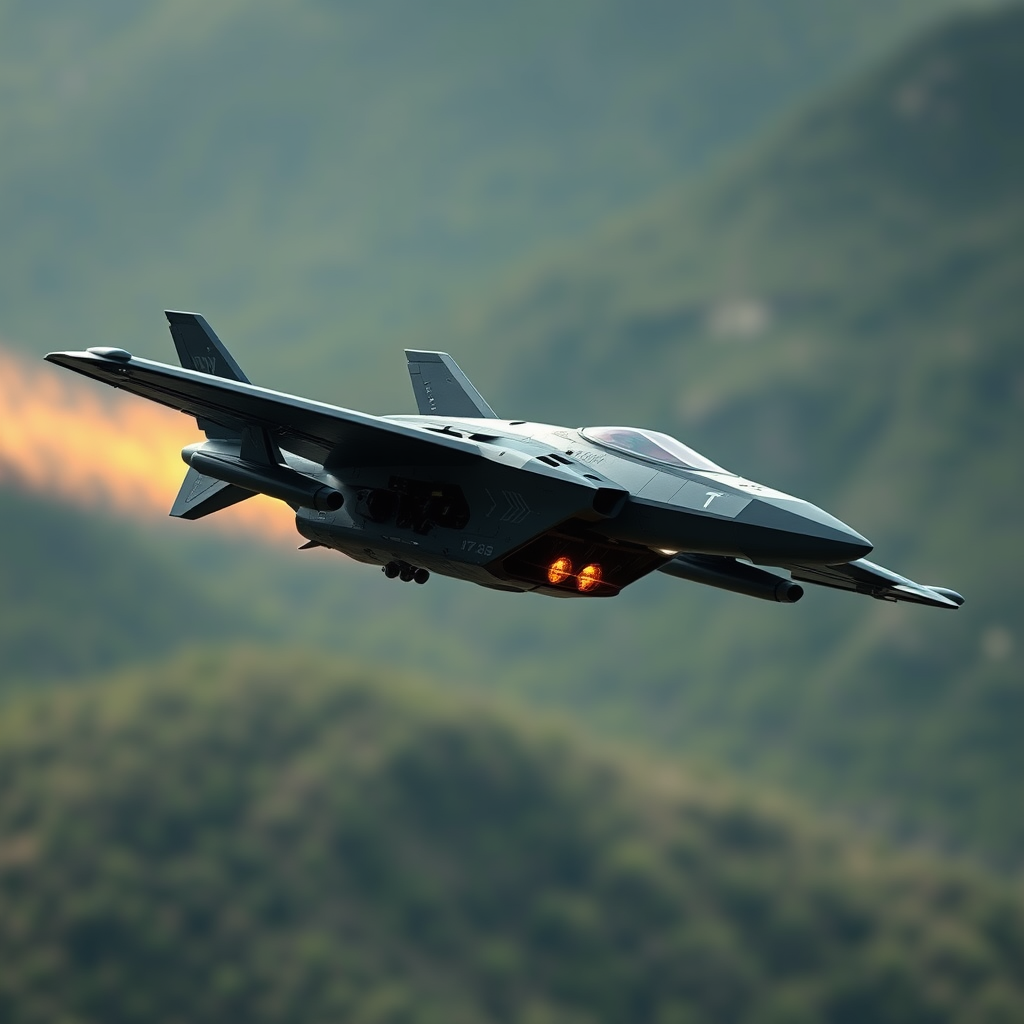
The Anzu Raptor T, on the other hand, is designed to meet the rigorous demands of high-security applications, featuring a remarkable 7km NDAA-compliant transmission range. This model adheres to government standards, ensuring that it can be deployed in environments where security and compliance are non-negotiable. The Raptor T’s advanced encryption capabilities and robust signal integrity make it particularly suited for defense and other critical sectors where data protection is paramount.
Moreover, the Anzu Raptor T is built to withstand harsher environmental conditions, making it a reliable option for outdoor applications or locations with significant electromagnetic interference. Its extended range allows for more expansive coverage, which can be particularly beneficial in scenarios requiring surveillance or extensive data transmission over large areas.
Performance Comparison
When assessing the performance of the Coretronic D16 and Anzu Raptor T, signal clarity and reliability are paramount. The D16 delivers crisp and stable signals within its 5km range, making it an excellent choice for environments where interference might be minimal. Users often report high satisfaction with the D16’s ability to maintain performance even in varied operational conditions.
In contrast, the Anzu Raptor T excels in maintaining signal integrity over its extended 7km range, particularly in high-demand scenarios. Its superior transmission technology ensures that data remains secure and clear, even over longer distances. Environmental factors, such as weather conditions or physical obstructions, can impact performance; however, the Raptor T’s robust design mitigates these risks more effectively than the D16.
Understanding how these models perform under real-world conditions is crucial for making an informed choice. For instance, users in urban settings might favor the D16 for its adaptability, while those in defense or critical infrastructure sectors might opt for the Raptor T due to its compliance and reliability.
Use Cases and Applications
The Coretronic D16 is optimal for a variety of commercial and residential use cases. It is ideal for small to medium-sized businesses that require a reliable transmission solution without the need for extensive infrastructure investments. Scenarios such as office environments, retail spaces, and even home automation systems benefit from the D16’s flexibility and ease of use. Its ability to support multiple devices and protocols makes it a versatile choice for integrators looking to streamline operations.
Conversely, the Anzu Raptor T shines in high-stakes environments where compliance is critical. Applications in defense, law enforcement, and other governmental sectors rely on its NDAA compliance and extended range. For example, military operations that require secure communications over vast distances can leverage the Raptor T’s capabilities, ensuring that data transmission remains intact and secure. Additionally, industries dealing with sensitive information, such as finance and healthcare, can benefit from the Raptor T’s advanced encryption features.
Cost and Value Analysis
When comparing the pricing structures of the Coretronic D16 and Anzu Raptor T, it is essential to consider not only the initial purchase cost but also the overall value each model provides. The D16 typically comes at a lower price point, making it accessible for a wider range of users. Its value proposition is enhanced by lower installation and maintenance costs, particularly for smaller businesses that may not have extensive IT resources.
In contrast, the Anzu Raptor T commands a higher price due to its advanced features and compliance with stringent regulations. However, for organizations that prioritize security and extended range, the investment may prove worthwhile in the long run, especially when considering potential upgrades and the costs associated with non-compliance in critical sectors. Evaluating the long-term costs, including installation, maintenance, and potential upgrades, will provide a clearer picture of the value each device delivers.
Customer Reviews and Feedback
Customer feedback plays a vital role in understanding the practical implications of each model’s performance. The Coretronic D16 has garnered positive reviews for its ease of installation and versatility, with users praising its ability to adapt to various environments without extensive modifications. Many customers have reported high satisfaction rates, particularly in commercial settings, where the D16’s performance aligns well with operational needs.
On the other hand, the Anzu Raptor T has received accolades for its reliability and compliance features. Users in high-security sectors have highlighted its robust encryption and signal integrity, emphasizing the peace of mind that comes with using a compliant device. Common themes in feedback for the Raptor T include its ability to maintain performance under challenging conditions and its importance in ensuring data security.
Future Trends in Transmission Technology
As technology continues to evolve, the landscape of transmission systems is set for significant advancements. Emerging innovations, such as enhanced encryption algorithms and more efficient transmission protocols, are expected to shape the future of both the Coretronic D16 and Anzu Raptor T. The demand for higher bandwidth and lower latency will drive the development of new features, ensuring that both models can adapt to changing user requirements.
Staying compliant with evolving standards and regulations will also be critical for manufacturers. As government and industry standards become more stringent, devices like the Anzu Raptor T may lead the way in compliance, setting benchmarks for others to follow. As users increasingly prioritize security and reliability, the importance of adopting models that meet or exceed these standards cannot be overstated.
The Coretronic D16 and Anzu Raptor T each have unique strengths that cater to different needs within the transmission space. By carefully considering the performance, applications, costs, and user feedback, you can determine which model aligns best with your requirements. Whether you prioritize range, compliance, or versatility, there is a clear choice waiting for you.
Frequently Asked Questions
What are the key differences between the Coretronic D16 and the Anzu Raptor T in terms of transmission range?
The Coretronic D16 boasts a transmission range of 5km, making it suitable for medium-range applications, while the Anzu Raptor T offers an extended range of 7km. This difference is crucial for users needing greater coverage, such as in large industrial settings or outdoor events. The longer range of the Anzu Raptor T may provide more flexibility in deployment and connectivity in challenging environments.
How does the NDAA compliance affect the choice between the Coretronic D16 and Anzu Raptor T?
NDAA compliance is essential for organizations seeking to ensure that their technology is free from potential security risks associated with unauthorized foreign entities. The Anzu Raptor T is specifically designed to meet NDAA regulations, making it a safer option for government and defense contractors. In contrast, the Coretronic D16 might not meet these standards, which could limit its adoption in sensitive applications.
Why is the emerging vs. NDAA transmission debate important for users of Coretronic D16 and Anzu Raptor T?
The emerging vs. NDAA transmission debate is critical as it highlights the trade-offs between innovative technology and regulatory compliance. Users must consider whether they prioritize advanced features and performance—often found in emerging technologies like the D16—or if they require the security assurances provided by NDAA-compliant options like the Raptor T. This decision impacts not only functionality but also the overall safety and legality of their operations.
Which device offers better performance for long-distance transmission, the Coretronic D16 or Anzu Raptor T?
For long-distance transmission, the Anzu Raptor T clearly outperforms the Coretronic D16, given its 7km range compared to the D16’s 5km. This extended range can significantly enhance performance in applications where signal integrity and reliability over larger distances are critical. Users should evaluate their specific needs and environments to determine if the additional range justifies the investment in the Raptor T.
What factors should I consider when choosing between the Coretronic D16 and Anzu Raptor T for my project?
When choosing between the Coretronic D16 and Anzu Raptor T, consider factors such as transmission range, compliance with NDAA regulations, application requirements, and budget. Assess the operational environment, as the Raptor T’s superior range may be essential for outdoor or expansive sites. Additionally, evaluate the technology’s compatibility with existing systems and the potential for future scalability, ensuring your choice aligns with both current and future project needs.
References
- Drone
- https://www.bbc.com/news/technology-58674669
- https://www.reuters.com/technology/drone-delivery-startups-aim-take-flight-2021-01-22/
- https://www.sciencedirect.com/science/article/pii/S2352864821000260
- https://www.techcrunch.com/2021/08/16/draganfly-responds-to-the-growing-demand-for-drones-in-healthcare/
- Science News: Health, Robotics, Climate Change, Space News | WIRED
- https://www.theguardian.com/technology/2021/oct/08/drone-delivery-healthcare-benefits-risks
- https://www.nytimes.com/2020/07/23/us/drone-healthcare-delivery.html
