
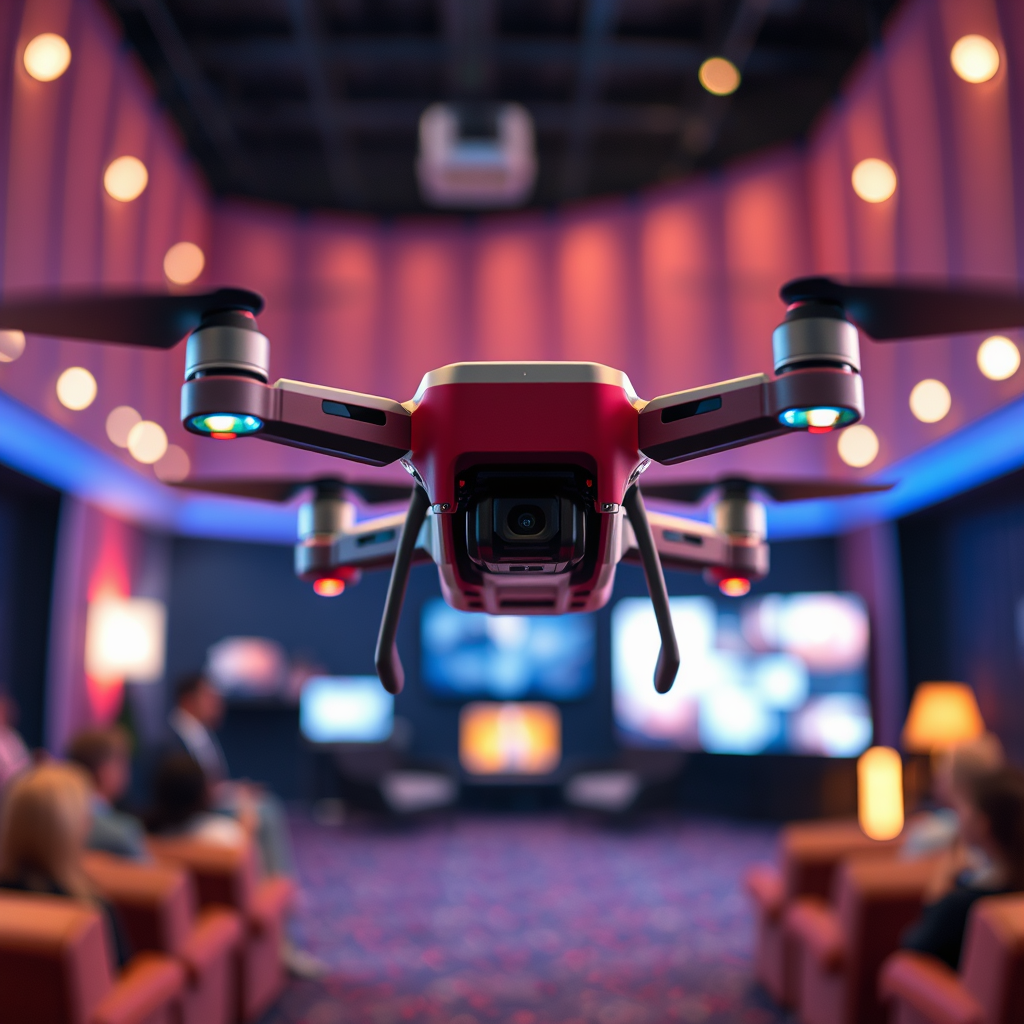
When considering aerial sanitization solutions, the Lucid Cleaning Drone and the Harris Aerial H6 stand out as top contenders. The Lucid Cleaning Drone is ideal for localized operations with its 2km Wi-Fi connectivity, while the Harris Aerial H6 is designed for extensive coverage with a remarkable 10km radio range. This article will delve into their respective features, performance, and suitability for various sanitization tasks, equipping you with the knowledge to make an informed decision on which drone best meets your needs.
Overview of the Drones
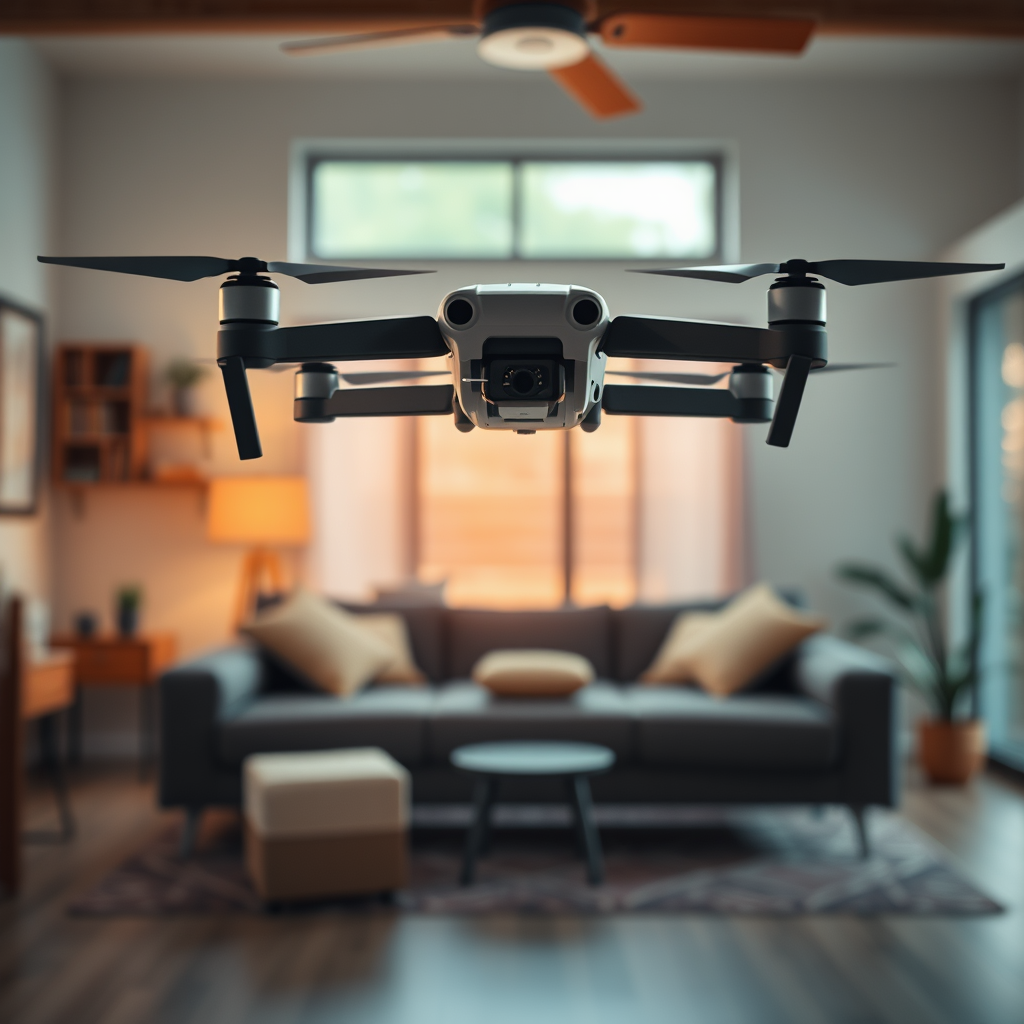
The Lucid Cleaning Drone is engineered for efficient sanitization in smaller areas, making it a great choice for urban environments and confined spaces such as hospitals, schools, and public transport stations. Its compact design and advanced navigation systems allow for precise maneuverability, ensuring thorough cleaning in hard-to-reach areas. The drone is equipped with UV-C light technology and disinfectant spraying capabilities, which effectively neutralize pathogens and improve air quality.
On the other hand, the Harris Aerial H6 is a robust drone designed for large-scale sanitization efforts. With a payload capacity that can accommodate substantial sanitizing equipment, it is particularly suited for outdoor environments like parks, stadiums, and expansive commercial properties. The H6’s engineering focuses on durability and performance in varying weather conditions, making it a versatile option for both urban and rural settings.
Connectivity and Range Comparison
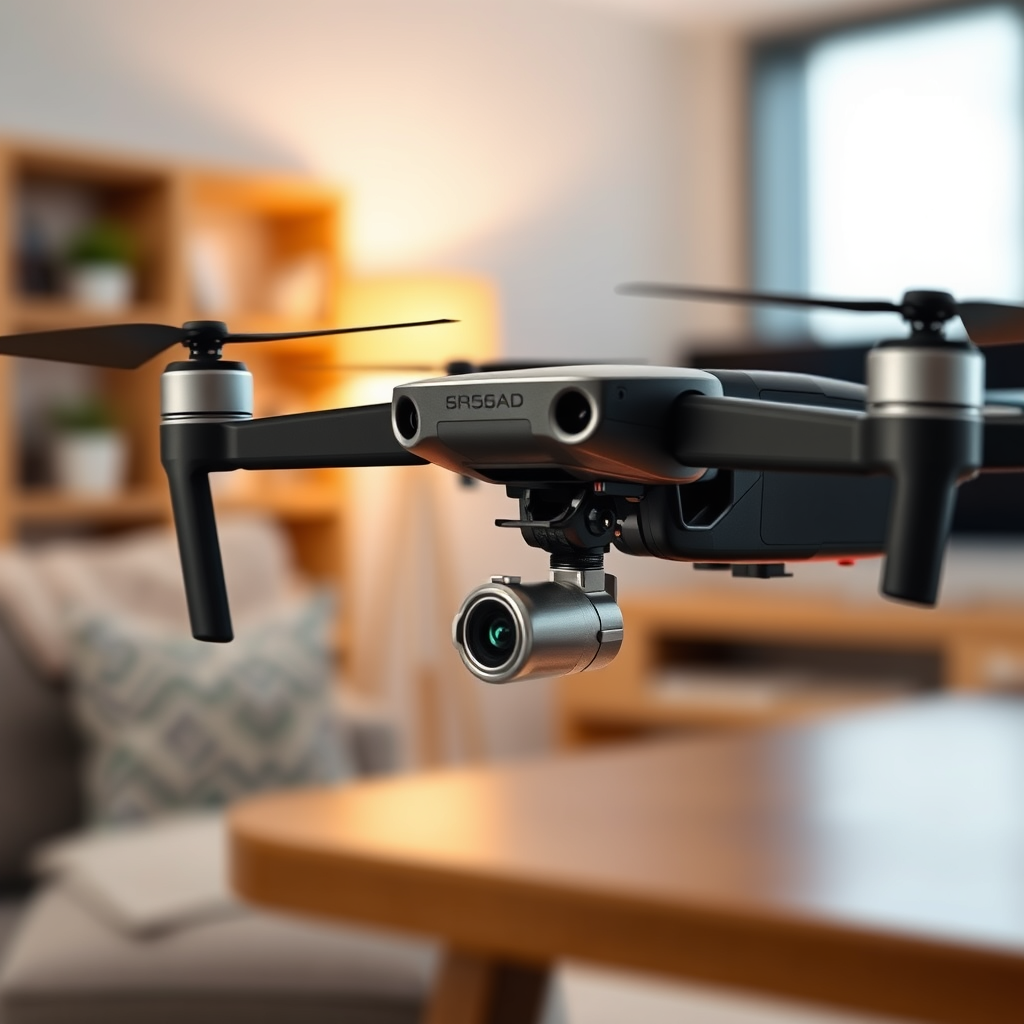
The connectivity of the Lucid Cleaning Drone is facilitated through a 2km Wi-Fi link, which enables real-time data transmission and control. This range is sufficient for detailed cleaning operations in urban areas where monitoring and immediate adjustments are crucial. The Wi-Fi connection allows for high-definition video feedback and precise navigation, which enhances operational efficiency.
In contrast, the Harris Aerial H6 operates on a 10km radio frequency, providing a significant advantage for extensive sanitization tasks. This extended range allows for larger operational areas without losing signal strength or data integrity. The radio communication ensures consistent performance, even in areas with potential Wi-Fi interference, such as dense urban centers or rural locales with limited internet connectivity. The long-range capability of the H6 also reduces the need for frequent repositioning, streamlining the sanitization process.
Sanitization Technology
The Lucid Cleaning Drone utilizes a combination of UV-C light and aerosolized disinfectant to achieve effective sanitization. The UV-C technology is particularly effective for surface disinfection, as it can eliminate a wide range of pathogens, including bacteria and viruses. The drone can also be programmed to cover specific areas repeatedly to ensure thorough sanitization, addressing high-touch surfaces effectively.
The Harris Aerial H6 employs a more comprehensive approach, integrating multiple sanitization techniques. It can deploy fogging solutions, creating a fine mist of disinfectant that can cover vast areas quickly and efficiently. Additionally, the H6 is equipped with advanced sensors that monitor environmental conditions, optimizing the spray distribution based on factors like wind speed and humidity. This adaptability increases the effectiveness of the sanitization process, ensuring that the disinfectants are applied uniformly across large surfaces.
Performance in Different Environments
In urban settings, the Lucid Cleaning Drone excels due to its maneuverability and ability to navigate tight spaces. Its battery life, typically lasting around 30 minutes on a single charge, is adequate for quick operations in concentrated areas. However, in high-wind conditions, performance may be compromised, emphasizing the need for optimal weather conditions during operations.
The Harris Aerial H6 performs exceptionally well in both urban and rural environments. Its robust design and longer battery life, which can exceed 45 minutes depending on payload and environmental conditions, make it suitable for extensive sanitization tasks. The drone’s wind resistance capabilities further enhance its usability outdoors, allowing it to operate effectively even in moderately windy conditions. This resilience is particularly beneficial for large-scale operations where consistent performance is paramount.
User Experience and Ease of Use
User experience is a critical factor when evaluating the effectiveness of sanitization drones. The Lucid Cleaning Drone features an intuitive user interface that simplifies operation, making it accessible even to those with minimal technical expertise. The accompanying mobile app provides real-time feedback, allowing operators to monitor progress and make adjustments on the fly. User feedback often highlights the drone’s ease of use, which contributes significantly to its appeal for smaller organizations and local governments.
Conversely, the Harris Aerial H6, while slightly more complex due to its advanced capabilities, offers a comprehensive control system that can be tailored to the user’s level of expertise. The drone incorporates GPS-assisted flight planning and automated return-to-home functions, which enhance operational safety and efficiency. Although some users report a steeper learning curve, many appreciate the advanced features that allow for greater flexibility and control over large-scale sanitization efforts.
Cost and Value
Pricing for the Lucid Cleaning Drone typically falls within a more accessible range, making it an attractive option for smaller organizations or those looking to implement localized sanitization strategies. The overall cost-effectiveness is amplified by its user-friendly design and lower operational expenses due to its battery efficiency.
On the other hand, the Harris Aerial H6 commands a higher price point, reflective of its advanced technology and long-range capabilities. However, for organizations that require large-scale sanitization solutions, the investment can yield significant returns in terms of operational efficiency and coverage. The value offered by the H6 lies in its ability to cover vast areas quickly, reducing labor costs and time spent on sanitization efforts.
In evaluating cost and value, organizations must consider their specific needs, including the scale of operations, the environments they operate in, and the technologies that best fit their sanitization requirements.
In summary, both the Lucid Cleaning Drone and the Harris Aerial H6 offer unique advantages in the realm of aerial sanitization. While the Lucid Cleaning Drone is suited for short-range tasks with user-friendly features, the Harris Aerial H6 excels in long-range operations with advanced sanitization capabilities. Assess your specific needs and consider which drone aligns best with your sanitization goals. For further information or to make a purchase, explore the links provided.
Frequently Asked Questions
What are the key differences between the Lucid Cleaning Drone and Harris Aerial H6 in terms of sanitization capabilities?
The Lucid Cleaning Drone primarily utilizes a 2km Wi-Fi connection for operation, which is best suited for smaller, more confined spaces, ensuring precise control and efficiency. In contrast, the Harris Aerial H6 boasts an impressive 10km radio range, making it ideal for larger areas, including outdoor environments. This extended range allows for more extensive sanitization coverage, but users should consider their specific operational needs when choosing between the two.
How does the sanitization technology of the Lucid Cleaning Drone compare to that of the Harris Aerial H6?
The Lucid Cleaning Drone employs advanced UV-C light technology and disinfectant sprays for effective sanitization in targeted locations. Meanwhile, the Harris Aerial H6 is built for more robust applications, featuring similar UV-C capabilities but with the added benefit of a longer operational range, allowing it to cover larger spaces and multiple surfaces efficiently. Users should assess the size of the area they need to sanitize to determine which technology best meets their requirements.
Why is the range of operation important when choosing between the Lucid Cleaning Drone and the Harris Aerial H6?
The range of operation significantly impacts the efficiency and effectiveness of the sanitization process. A 2km Wi-Fi range limits the Lucid Cleaning Drone to smaller spaces, making it ideal for confined indoor areas. Conversely, the Harris Aerial H6’s 10km radio range allows for extensive outdoor sanitization, enabling users to tackle larger environments without needing to reposition the drone frequently. Understanding your sanitization needs will help you choose the right drone based on its operational range.
Which drone is more user-friendly for beginners: the Lucid Cleaning Drone or the Harris Aerial H6?
For beginners, the Lucid Cleaning Drone may be more user-friendly due to its intuitive Wi-Fi connectivity, which often integrates seamlessly with smartphone applications for easy control. This makes it accessible for those who are new to drone operation. The Harris Aerial H6, while powerful, may require more technical knowledge due to its advanced features and longer-range capabilities, making it better suited for users with prior experience in drone operation or sanitization applications.
What factors should I consider when deciding between the Lucid Cleaning Drone and the Harris Aerial H6 for my sanitization needs?
When choosing between the two drones, consider factors such as the size of the area that needs sanitization, the type of surfaces involved, and your level of experience with drones. If you require sanitization for larger outdoor spaces, the Harris Aerial H6’s 10km range and powerful capabilities will serve you better. However, if your needs are limited to smaller indoor areas, the Lucid Cleaning Drone’s ease of use and efficient coverage might be the ideal choice. Additionally, evaluate the specific sanitization technologies each drone employs to ensure they align with your cleaning protocols.
References
- Drone
- https://www.bbc.com/news/technology-57217513
- https://www.sciencedirect.com/science/article/pii/S235197892300188X
- https://www.nytimes.com/2021/07/28/technology/drones-cleaning.html
- https://www.reuters.com/technology/drones-cleaning-2021-07-19/
- https://www.techcrunch.com/2021/06/10/lucid-cleaning-drone/
- L3Harris® Fast. Forward.
- https://www.forbes.com/sites/forbestechcouncil/2021/08/03/the-future-of-drones-in-public-health/
- https://www.nasa.gov/mission_pages/technology/drones.html
