
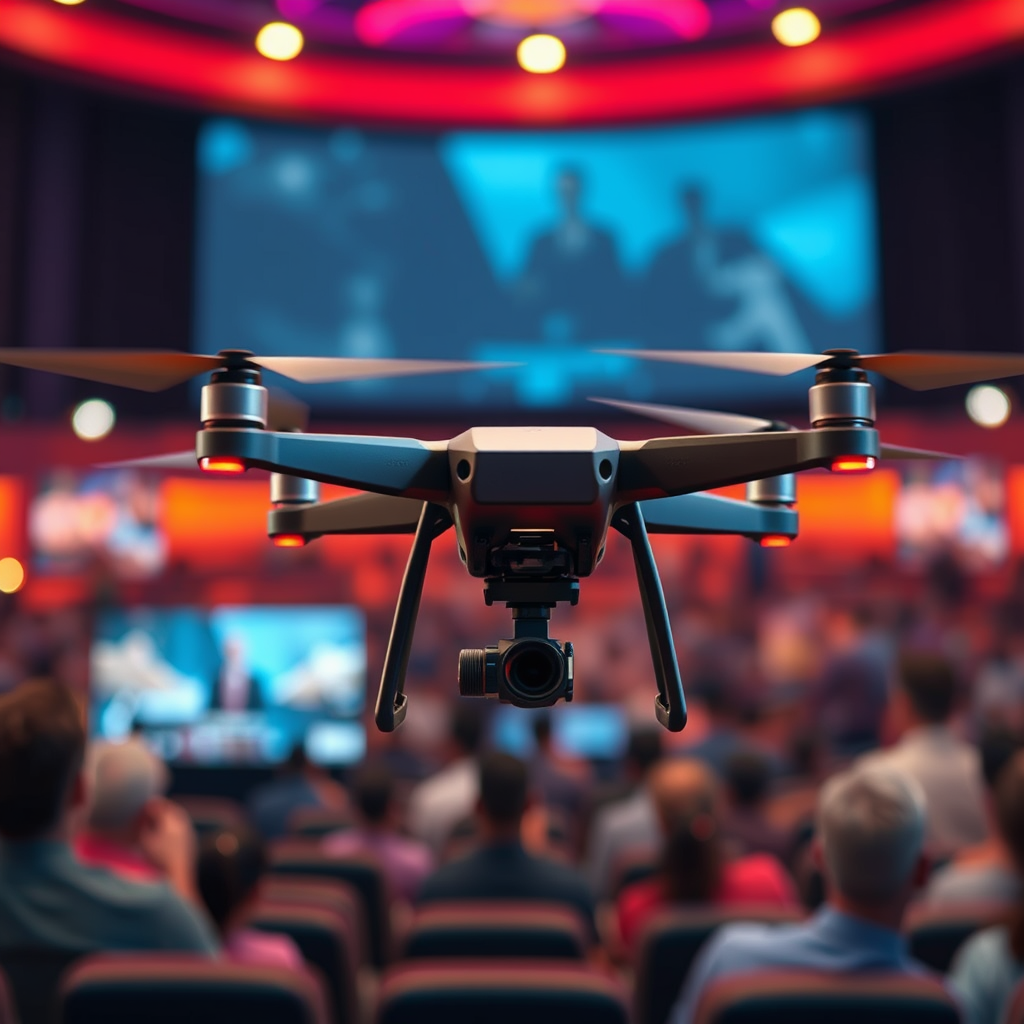
When it comes to drone security solutions, the Asylon DroneSentinel and Freefly Astro Prime are two leading contenders, each equipped with distinctive communication technologies. The DroneSentinel’s impressive 7km LTE connectivity offers extensive coverage ideal for large-scale operations, whereas the Astro Prime’s reliable 5km radio system is tailored for urban environments. This article delves into the unique advantages, key differences, and ideal applications of both drones, empowering you to make an informed decision based on your specific security needs.
Overview of Asylon DroneSentinel
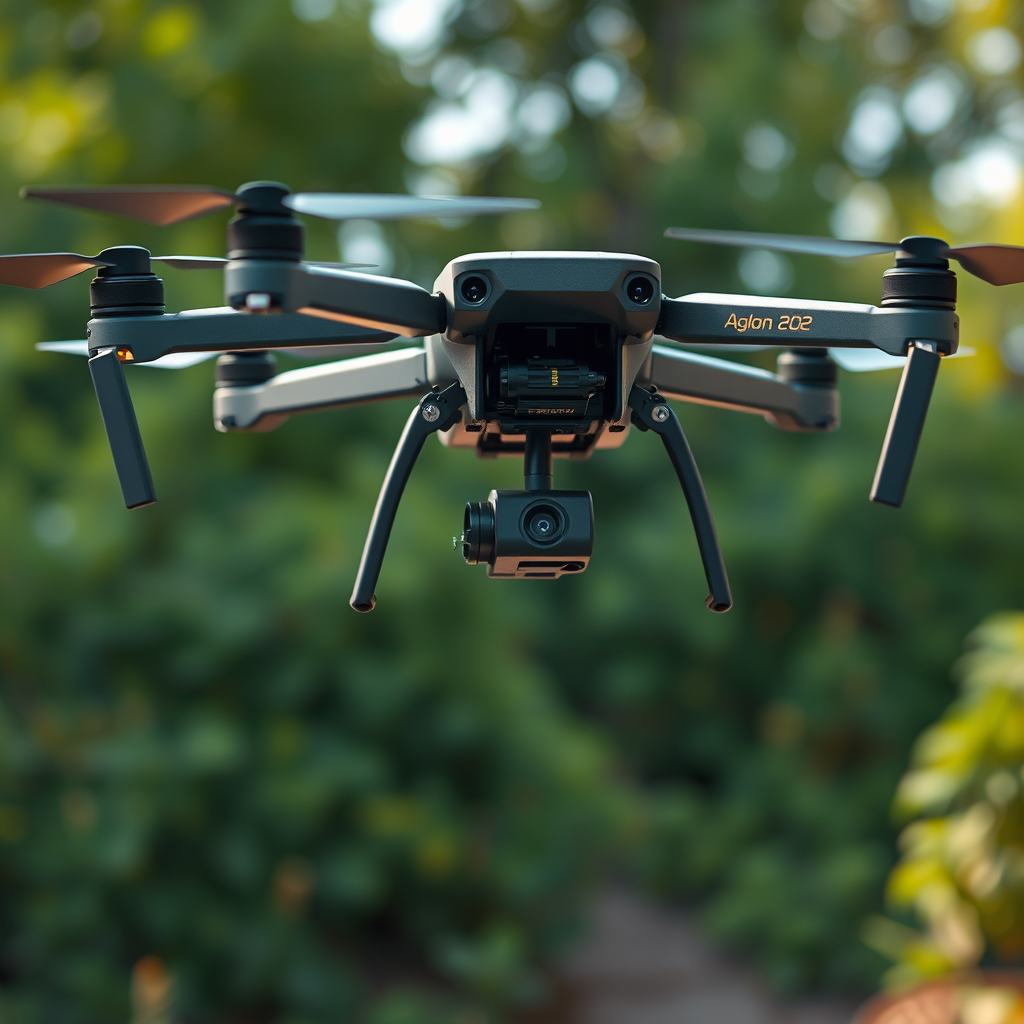
The Asylon DroneSentinel is engineered for high-demand security applications, making it a robust choice for critical infrastructure monitoring. It features LTE connectivity, which facilitates an extended operational range of up to 7 kilometers. This LTE capability not only enhances the drone’s ability to transmit high-quality video and sensor data over significant distances but also ensures reliable communication in various environments, even in areas with limited line-of-sight.
The DroneSentinel is equipped with an array of advanced technologies, including automated flight operations and sophisticated AI algorithms for threat detection and tracking. This drone can autonomously patrol designated areas, collecting real-time information while distinguishing between potential threats and benign activities. These features make it particularly suitable for applications such as border security, industrial site surveillance, and critical infrastructure protection, where a constant and reliable oversight is paramount.
Overview of Freefly Astro Prime
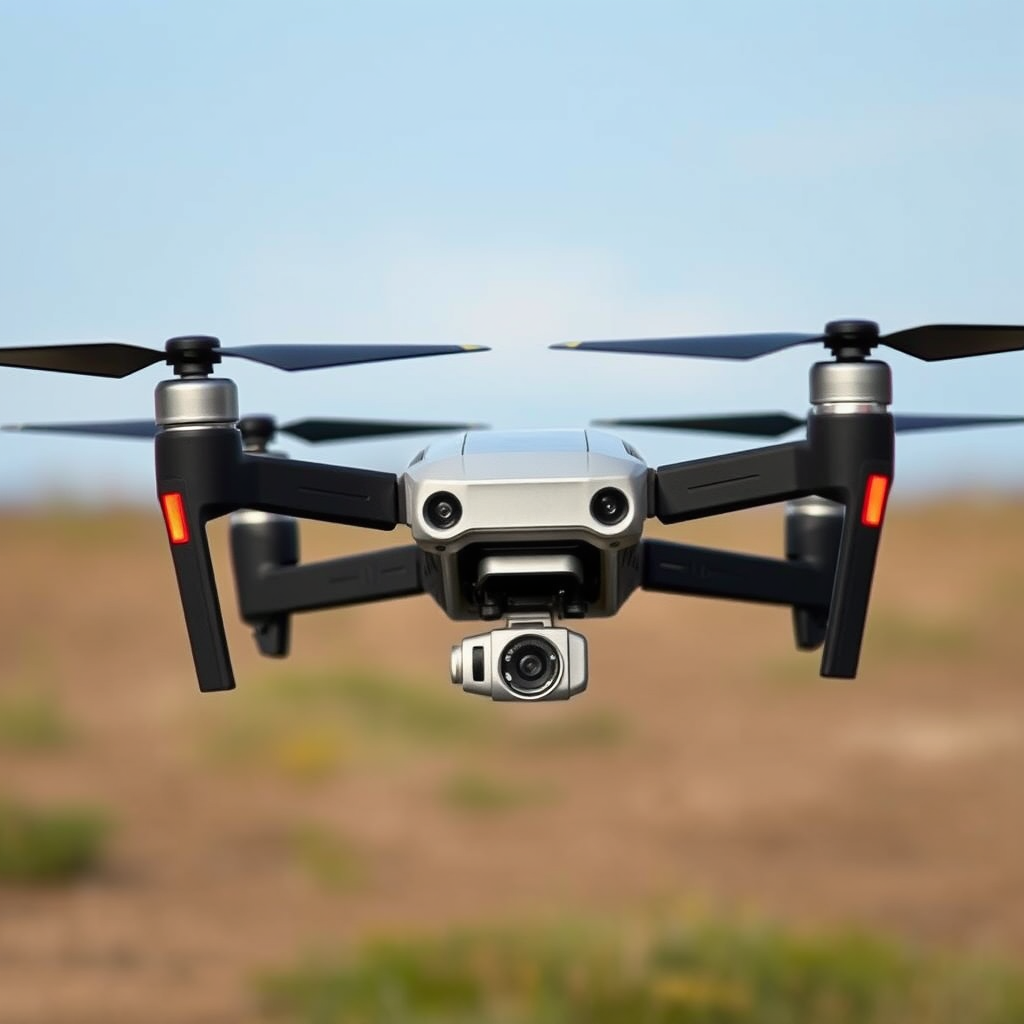
In contrast, the Freefly Astro Prime utilizes a 5km radio communication system, which is particularly effective in urban environments where obstacles such as buildings can impede wireless signals. This drone’s lightweight design and versatility make it an ideal choice for various security tasks, including event monitoring and crowd management.
The Astro Prime’s compact form factor does not compromise its capabilities; it can be equipped with customizable payloads, including high-definition cameras and thermal imaging sensors, enabling it to adapt to various operational requirements. This flexibility allows security personnel to conduct thorough surveillance and respond dynamically to changing situations, making it an invaluable tool for event security, public gatherings, and even law enforcement operations.
Range Comparison: LTE vs. Radio
When evaluating the range capabilities of the Asylon DroneSentinel and Freefly Astro Prime, it is essential to recognize the distinguishing factors between LTE and radio communication systems. The DroneSentinel’s 7km LTE connection provides a significant advantage in terms of distance coverage, which is particularly beneficial for organizations engaged in large-scale operations that require extensive monitoring capabilities. This longer range is vital for security measures in expansive sites such as power plants, oil refineries, and large venues.
On the other hand, the 5km radio system employed by the Astro Prime may offer lower latency in densely populated urban environments. In these situations, real-time data transmission is crucial, and the radio system’s ability to maintain a strong connection despite physical obstructions can enhance operational effectiveness. Therefore, while LTE provides broader coverage, radio systems can be more reliable in specific contexts, ensuring timely responses to emergent threats.
Security Features and Capabilities
The security features of the Asylon DroneSentinel are designed to meet the demands of high-stakes environments. Its AI capabilities enable advanced threat detection, allowing the drone to autonomously identify and track potential intruders or anomalies. Additionally, the DroneSentinel can integrate with existing security systems, providing a seamless addition to a comprehensive security strategy.
Conversely, the Freefly Astro Prime stands out with its customizable payload options, allowing users to tailor the drone to their specific security requirements. Whether it is outfitted with high-resolution cameras for detailed surveillance or thermal sensors for night operations, the Astro Prime can adapt to various scenarios. Additionally, its intuitive user interface and control system simplify operations, making it accessible even to those with limited drone experience.
Use Cases and Applications
The ideal use cases for the Asylon DroneSentinel primarily revolve around large-scale perimeter security. Its long-range capabilities make it perfect for monitoring expansive facilities such as military bases, power plants, and transportation hubs. The drone’s autonomous flight features allow for continuous surveillance, significantly enhancing security measures and response times to incidents.
In contrast, the Freefly Astro Prime excels in dynamic environments such as concerts, festivals, and public events, where flexibility and quick adaptability are crucial. Its ability to navigate through urban areas while maintaining reliable communication makes it an excellent choice for real-time crowd monitoring and emergency response coordination. Furthermore, its lightweight design allows for easy transport and rapid deployment, making it a valuable asset for event security teams.
Cost and Value Considerations
When assessing the cost and value of both drone models, it is essential to consider not only the initial purchase price but also the operational costs associated with each system. The Asylon DroneSentinel typically comes at a higher upfront cost due to its advanced LTE technology and sophisticated AI capabilities. However, the long-term value it offers in terms of enhanced security for large-scale operations can justify the investment.
On the other hand, the Freefly Astro Prime may have a more accessible price point, making it an attractive option for smaller organizations or those with limited budgets. Its versatility and adaptability across various applications can provide significant returns on investment, particularly in environments where flexibility is critical.
User Reviews and Feedback
User reviews and feedback for both the Asylon DroneSentinel and Freefly Astro Prime reveal insights into their performance and reliability. Current users of the DroneSentinel frequently highlight its impressive range and the effectiveness of its AI threat detection features. Many appreciate how seamlessly it integrates with existing security systems, enhancing overall operational efficiency.
Conversely, users of the Astro Prime commend its user-friendly design and adaptability in various environments. Many find the drone’s lightweight build and customizable payloads to be significant advantages in dynamic settings. However, some users note that the 5km range can be limiting in extensive operational areas, emphasizing the need for a thorough assessment of specific use cases before making a purchase.
Summarizing the key differences between the Asylon DroneSentinel and Freefly Astro Prime highlights their unique strengths in the realm of drone security. The DroneSentinel’s 7km LTE connectivity positions it as an ideal solution for large-scale operations requiring extensive coverage, while the Astro Prime’s 5km radio system offers versatility and reliability in urban settings. Depending on your specific needs—whether it’s long-range monitoring or adaptability for dynamic environments—each drone presents distinct benefits. Consider your operational requirements and budget carefully to explore further and make an informed choice that best suits your security goals.
Frequently Asked Questions
What are the main differences between the Asylon DroneSentinel and the Freefly Astro Prime in terms of security features?
The Asylon DroneSentinel is designed with a strong emphasis on LTE connectivity, boasting a range of up to 7km, which allows for continuous monitoring and real-time data transmission. In contrast, the Freefly Astro Prime utilizes a radio signal with a maximum range of 5km. While both drones provide robust security solutions, the DroneSentinel’s LTE capabilities may be more advantageous for users needing longer-range surveillance and improved connectivity in urban environments.
How does the LTE connectivity of the Asylon DroneSentinel enhance its performance compared to the Freefly Astro Prime?
The LTE connectivity of the Asylon DroneSentinel allows for seamless data transfer and remote operation over greater distances, making it ideal for large-scale security operations. Unlike the Freefly Astro Prime, which relies on radio frequencies, the LTE network enables the DroneSentinel to maintain a stable connection even in areas with high interference. This feature is crucial for users who need reliable, uninterrupted surveillance coverage, particularly in complex environments.
Why might someone choose the Freefly Astro Prime over the Asylon DroneSentinel for their security needs?
Users may opt for the Freefly Astro Prime due to its advanced flight capabilities and maneuverability, which can be particularly beneficial in tight or complex spaces. Additionally, for those who prioritize immediate response without reliance on cellular networks, the radio signal of the Astro Prime offers a more direct and potentially less vulnerable communication method. This makes it suitable for scenarios where network reliability is uncertain or where immediate, localized control is necessary.
What are the best use cases for the Asylon DroneSentinel and the Freefly Astro Prime in security applications?
The Asylon DroneSentinel is best suited for large-area surveillance, such as monitoring industrial sites, critical infrastructure, or sprawling urban environments, due to its extended LTE range. On the other hand, the Freefly Astro Prime is ideal for tactical operations, such as event security or close-proximity monitoring, where agility and responsiveness are paramount. Understanding the specific operational environment can help users choose the right drone for their security needs.
Which drone offers better battery life and operational efficiency for extended security missions?
Generally, the operational efficiency of both the Asylon DroneSentinel and the Freefly Astro Prime can vary based on their specific configurations and mission profiles. However, the Asylon DroneSentinel typically features optimized battery management systems that support longer flight times, especially when utilizing LTE for data transfer. Users should consider the specific requirements of their missions, including flight duration and payload capacity, to determine which drone aligns better with their operational goals.
References
- Drone
- https://www.bbc.com/news/technology-51476112
- https://www.reuters.com/technology/drone-security-market-set-grow-2021-2026-2021-01-11/
- https://www.sciencedirect.com/science/article/pii/S0167739X19307695
- https://www.nytimes.com/2021/03/01/technology/drones-security.html
- https://www.wired.com/story/police-drones-privacy-issues/
- https://www.techcrunch.com/2021/06/15/drone-security-2021/
