
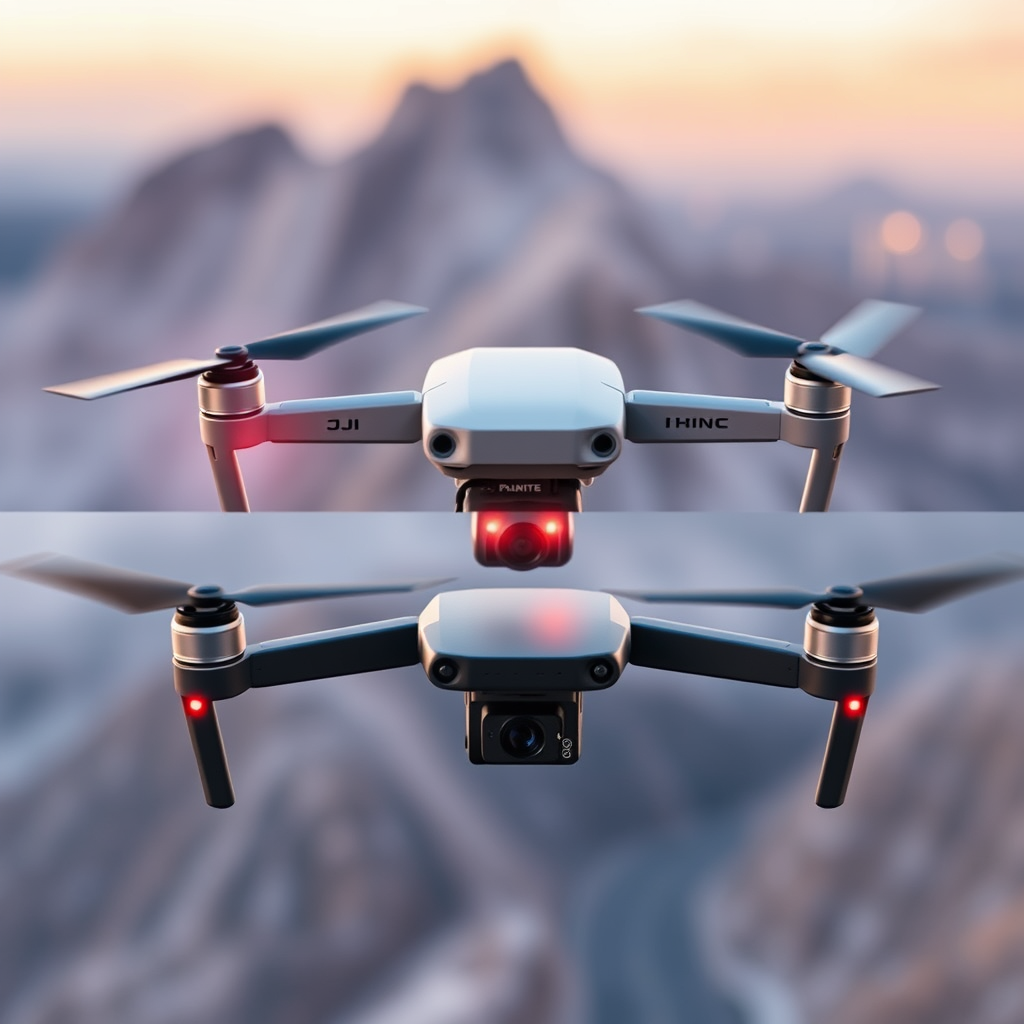
The DJI Mini 3 Pro and the Autel EVO Nano+ V2 are two leading contenders in the lightweight drone market, both boasting impressive 10km transmission capabilities. Choosing between them largely depends on your specific needs, whether it’s superior transmission technology or outstanding imaging performance. In this article, we’ll dissect their key features, performance, and overall value to help you decide which drone best fits your requirements.
Overview of the Drones
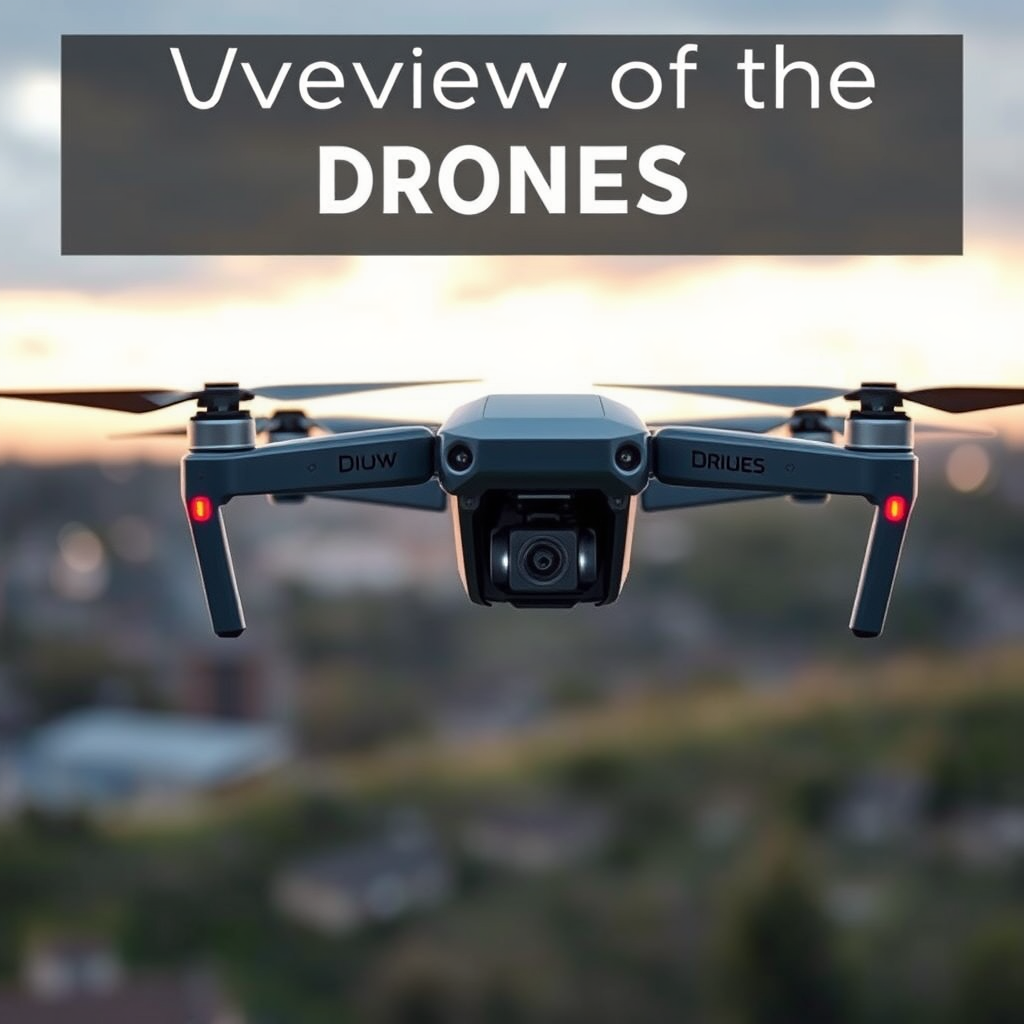
The DJI Mini 3 Pro is designed for both amateur and professional drone enthusiasts, offering advanced features in a compact form. It weighs just 249 grams and is equipped with a robust suite of functionalities, including intelligent shooting modes that cater to creative videographers. The Mini 3 Pro is especially popular among content creators looking for high-quality aerial footage without the burden of heavy equipment.
Conversely, the Autel EVO Nano+ V2 is also targeted at both hobbyists and professionals, focusing on delivering exceptional imaging quality in a lightweight package. Weighing in at a similar 249 grams, it emphasizes user-friendly controls and advanced camera capabilities, making it an attractive option for those new to drone flying as well as experienced pilots.
Key specifications for both drones include:
– DJI Mini 3 Pro: 4K video resolution, 1/1.3-inch CMOS sensor, 48 MP stills, up to 34 minutes of flight time.
– Autel EVO Nano+ V2: 4K video resolution, 1/1.28-inch CMOS sensor, 50 MP stills, up to 28 minutes of flight time.
These specifications set the stage for a deeper analysis of how each drone performs in various aspects.
Transmission Technology: O3 vs. SkyLink
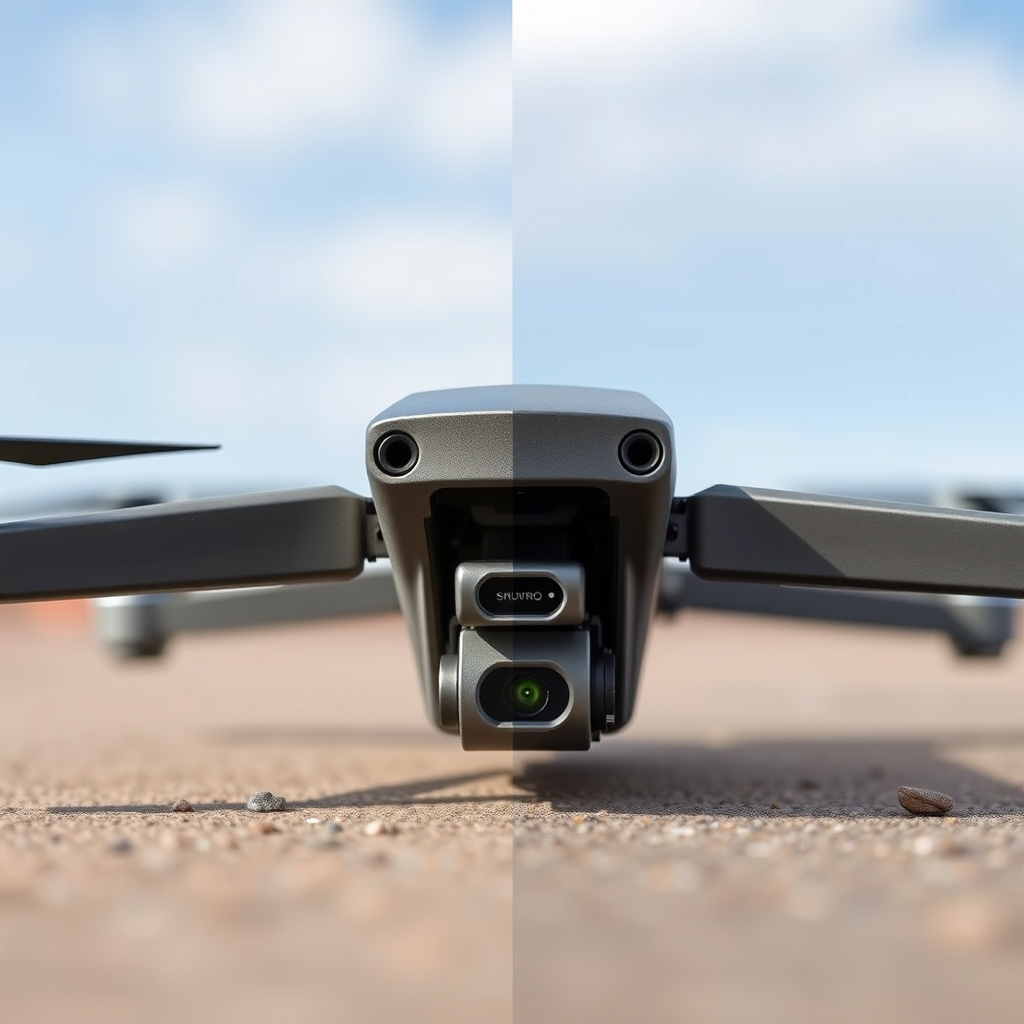
The DJI Mini 3 Pro utilizes the O3 (OcuSync 3) transmission system, which enhances the drone’s control range and video transmission stability. This system provides a robust connection over distances of up to 10 kilometers, ensuring real-time 1080p HD video feed. The O3 technology is particularly beneficial in areas with potential interference, as it automatically switches between frequencies to maintain a stable connection, minimizing the risk of losing signal during critical shots.
In contrast, the Autel EVO Nano+ V2 employs SkyLink technology, which also allows for a 10km transmission range. SkyLink is specifically engineered to reduce latency and ensure a stable connection even in challenging environments. Autel has designed this system to provide a seamless experience, allowing users to transmit high-definition video without noticeable lag, making it perfect for capturing dynamic movements. Both technologies excel in maintaining reliable connections, but DJI’s O3 may have a slight edge in urban settings due to its adaptive frequency switching.
Camera Quality and Imaging Performance
Camera performance is a critical factor for drone users, and both the DJI Mini 3 Pro and Autel EVO Nano+ V2 deliver exceptional results. The Mini 3 Pro features a 1/1.3-inch CMOS sensor, which allows it to capture stunning 4K video at 60 fps and 48 MP stills. This impressive sensor size enhances low-light performance, making it possible to shoot in various lighting conditions without significant noise or loss of detail.
The Autel EVO Nano+ V2, on the other hand, boasts a slightly larger 1/1.28-inch sensor, which also captures 4K video at 30 fps and 50 MP stills. While both drones excel in quality, the Mini 3 Pro offers a higher frame rate for video, making it more suitable for fast-paced content creation. Additionally, both drones incorporate advanced stabilization technologies—DJI’s RockSteady and Autel’s Dynamic Track—ensuring smooth footage even during turbulent flights.
When it comes to low-light conditions, the Mini 3 Pro tends to perform slightly better due to its larger sensor and advanced imaging algorithms, allowing for more detailed captures in dim environments.
Flight Time and Battery Performance
Flight time is a crucial consideration for drone enthusiasts, especially those planning longer sessions in the air. The DJI Mini 3 Pro boasts an impressive maximum flight time of up to 34 minutes under optimal conditions, thanks to its efficient battery design and lightweight frame. This extended flight duration allows users to capture more footage without the need for frequent recharges.
In comparison, the Autel EVO Nano+ V2 offers a maximum flight time of around 28 minutes. While this is still commendable for a drone of its size, it falls short of the Mini 3 Pro’s capabilities. Both drones feature quick charging options, with the Mini 3 Pro’s battery taking approximately 90 minutes to fully charge, while the EVO Nano+ V2 can achieve a full charge in about 60 to 75 minutes, depending on the charger used.
Replacement batteries for both models are readily available, but the cost and availability might vary slightly, which is worth considering for those who plan extensive flying sessions.
Portability and Design
Portability is a defining feature for lightweight drones, and both the DJI Mini 3 Pro and the Autel EVO Nano+ V2 excel in this regard. Weighing just 249 grams, both drones can easily fit into a small backpack or carry-on luggage, making them ideal for travel.
The design of the DJI Mini 3 Pro is sleek and modern, with a foldable design that allows it to be compact when stowed. Its user-friendly interface includes intuitive controls that cater to both beginners and seasoned pilots. The drone’s robust build quality ensures durability while maintaining a lightweight profile.
Autel’s EVO Nano+ V2 also features a foldable design but boasts a slightly more angular aesthetic. Its color options add a personal touch, appealing to a diverse range of users. The intuitive controls and user interface are designed for ease of use, making it accessible for those who may be new to drone flying.
Both drones are built for practicality and ease of transport, ensuring that users can enjoy aerial photography and videography without the hassle of cumbersome equipment.
Pricing and Value for Money
Pricing is often a deciding factor when choosing between two high-quality drones. The DJI Mini 3 Pro is generally priced higher than the Autel EVO Nano+ V2, reflecting its advanced features and superior camera performance. However, the Mini 3 Pro also comes with additional functionalities, such as enhanced obstacle avoidance and intelligent flight modes, which may justify the higher cost for some users.
The Autel EVO Nano+ V2, while slightly less expensive, still offers impressive features, including a high-quality camera and reliable performance. It represents excellent value for those who prioritize imaging quality and ease of use without the need for advanced features.
When evaluating cost-effectiveness, potential buyers should consider their specific needs and how each drone’s features align with their intended use. For avid content creators, the added investment in the Mini 3 Pro may be worthwhile, whereas casual users or beginners may find the EVO Nano+ V2 to be a more budget-friendly option.
User Experience and Reviews
User feedback plays a critical role in understanding the real-world performance of any product. Reviews for the DJI Mini 3 Pro often highlight its exceptional camera quality and flight stability, with many users praising its ease of use and intelligent flight modes. However, some users have noted the slightly higher price point as a downside, particularly for those just starting in drone photography.On the other hand, the Autel EVO Nano+ V2 has received positive feedback for its user-friendly interface and impressive image quality, making it an attractive option for beginners. Users appreciate the drone’s portability and battery life, though some have expressed a desire for additional features that are available in the DJI model.
Expert reviews generally affirm the strengths of both drones, with the Mini 3 Pro being favored for its advanced technology and imaging capabilities, while the EVO Nano+ V2 is commended for its accessibility and value.
In summary, both the DJI Mini 3 Pro and the Autel EVO Nano+ V2 offer remarkable features tailored for different types of drone enthusiasts. Depending on your specific requirements—be it advanced transmission technology or exceptional camera performance—one of these models may be better suited to you. Explore each option further to make an informed decision that enhances your aerial photography or videography experience.
Frequently Asked Questions
What are the key differences between the DJI Mini 3 Pro and Autel EVO Nano+ V2 in terms of camera quality?
The DJI Mini 3 Pro features a robust 48MP camera with a 1/1.3-inch sensor, which allows for superior low-light performance and captures stunning 4K video at 60fps. In contrast, the Autel EVO Nano+ V2 offers a slightly lower 50MP camera with a similar sensor size, but its advanced HDR capabilities can enhance dynamic range in video and photos. Both drones deliver excellent image quality, but the DJI Mini 3 Pro tends to excel in overall versatility and performance.
How does the flight range of the DJI Mini 3 Pro’s O3 technology compare to the Autel EVO Nano+ V2’s SkyLink?
The DJI Mini 3 Pro utilizes O3 technology that provides a flight range of up to 10 kilometers, allowing for extended exploration and capturing footage from greater distances. The Autel EVO Nano+ V2 also boasts a maximum range of 10 kilometers with its SkyLink technology. Both systems are designed for reliable transmission, but user reviews often highlight DJI’s O3 for its consistent performance in varied environments, making it a preferred choice for long-range flying.
Which drone is better for beginners: the DJI Mini 3 Pro or the Autel EVO Nano+ V2?
For beginners, the DJI Mini 3 Pro is often recommended due to its user-friendly interface and advanced safety features, such as obstacle avoidance and intuitive flight modes. However, the Autel EVO Nano+ V2 also caters to novice pilots with its easy-to-navigate app and straightforward controls. Ultimately, both drones offer great options for new users, but the DJI Mini 3 Pro may provide a smoother learning curve.
Why should I consider weight when choosing between the DJI Mini 3 Pro and Autel EVO Nano+ V2?
The weight of a drone is crucial as it affects portability, battery life, and regulatory requirements. The DJI Mini 3 Pro weighs around 249 grams, making it incredibly lightweight and easier to carry, while also falling below the FAA registration threshold in the U.S. The Autel EVO Nano+ V2 is similarly lightweight, but its design includes additional features that can also slightly impact overall weight. For users who prioritize portability, both drones are excellent choices, but the DJI Mini 3 Pro has a slight edge due to its compact design.
What are the battery life and charging options for the DJI Mini 3 Pro compared to the Autel EVO Nano+ V2?
The DJI Mini 3 Pro offers an impressive flight time of up to 47 minutes, depending on flying conditions and payload, which is beneficial for capturing longer sequences without interruption. The Autel EVO Nano+ V2 has a slightly shorter flight time of about 28 minutes. Both drones support fast charging options, but users often appreciate the extended battery life of the Mini 3 Pro for more extensive shooting sessions, making it a better choice for those planning to shoot longer videos or cover more ground.
References
- https://en.wikipedia.org/wiki/Comparison_of_multirotor_drones
- https://www.theguardian.com/technology/2023/may/01/dji-mini-3-pro-autel-evo-nano-review
- https://www.bbc.com/news/technology-65230123
- https://www.techcrunch.com/2023/06/15/dji-mini-3-pro-vs-autel-evo-nano/
- https://www.reuters.com/technology/dji-mini-3-pro-autel-evo-nano-comparison-2023-05-01/
- https://www.nytimes.com/2023/04/30/technology/drones-dji-autel-nano.html
- https://www.sciencedirect.com/science/article/pii/S221067172300001X
- https://www.wired.com/story/dji-mini-3-pro-autel-evo-nano-comparison/
