
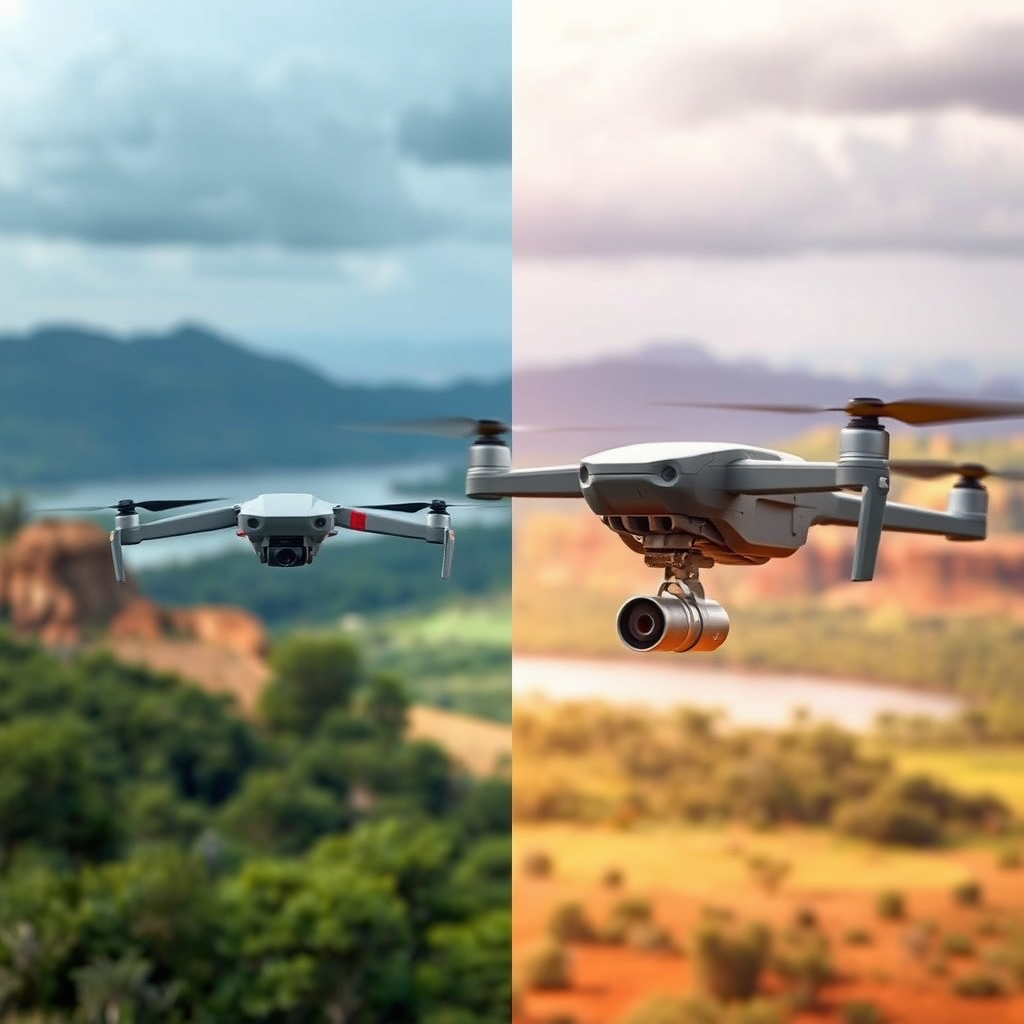
The Asylon DroneCore and the Harris Aerial HX8 are two formidable contenders in the realm of security drones, each offering unique advantages tailored to specific operational needs. The Asylon DroneCore excels with its robust 7km LTE connectivity, perfect for urban surveillance, while the Harris Aerial HX8 takes the lead with a remarkable 10km operational range through reliable radio technology, making it ideal for expansive rural environments. This article will delve into a comprehensive comparison between these two drones, focusing on performance, security features, usability, and overall value to help you make an informed decision based on your specific requirements.
Overview of Asylon DroneCore
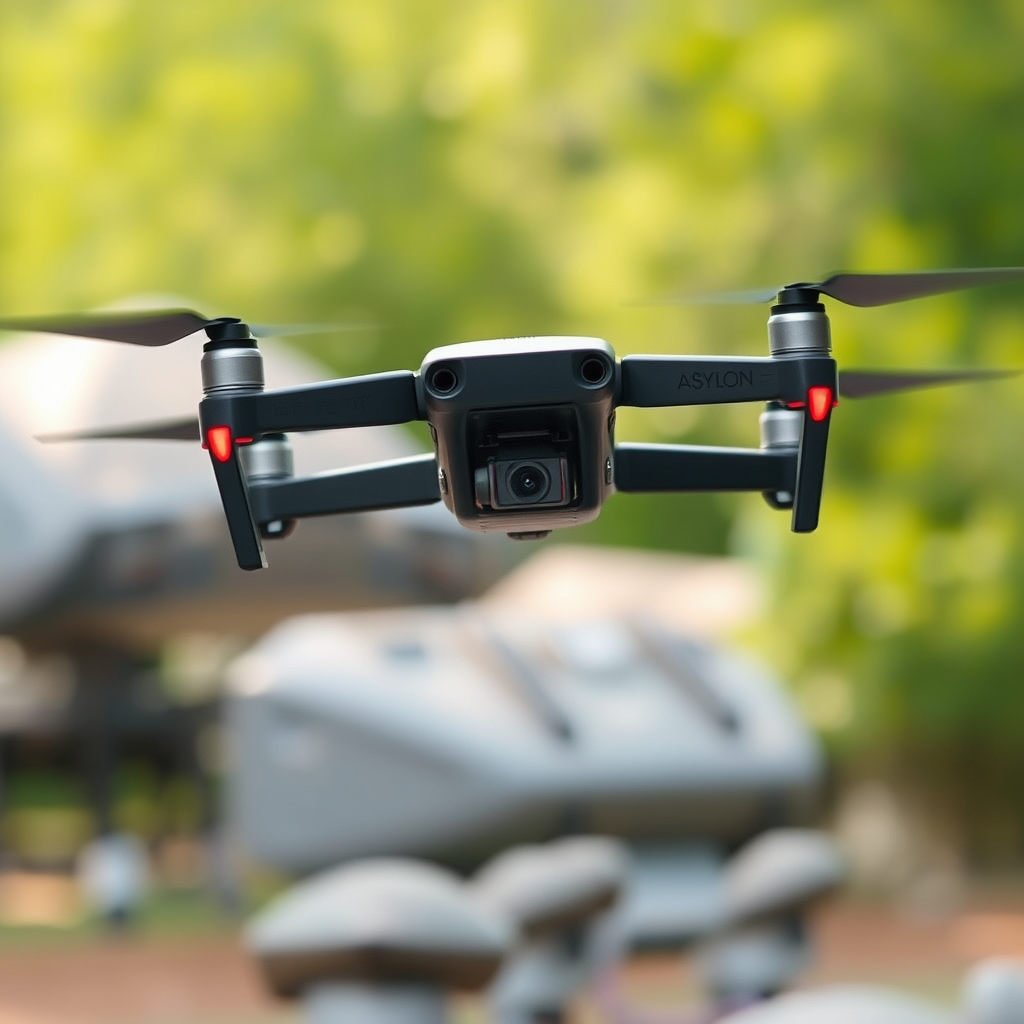
The Asylon DroneCore is engineered primarily for surveillance and security applications, leveraging LTE connectivity to facilitate real-time data transmission and remote control capabilities. This drone is particularly advantageous for urban environments, where LTE networks are readily available. The Asylon DroneCore offers features such as live video streaming, automated flight paths, and advanced analytics, allowing security teams to monitor areas effectively and respond to incidents in real-time. Furthermore, its integration with cloud systems enhances data management and accessibility, empowering users to analyze flight data and video footage seamlessly.
Overview of Harris Aerial HX8
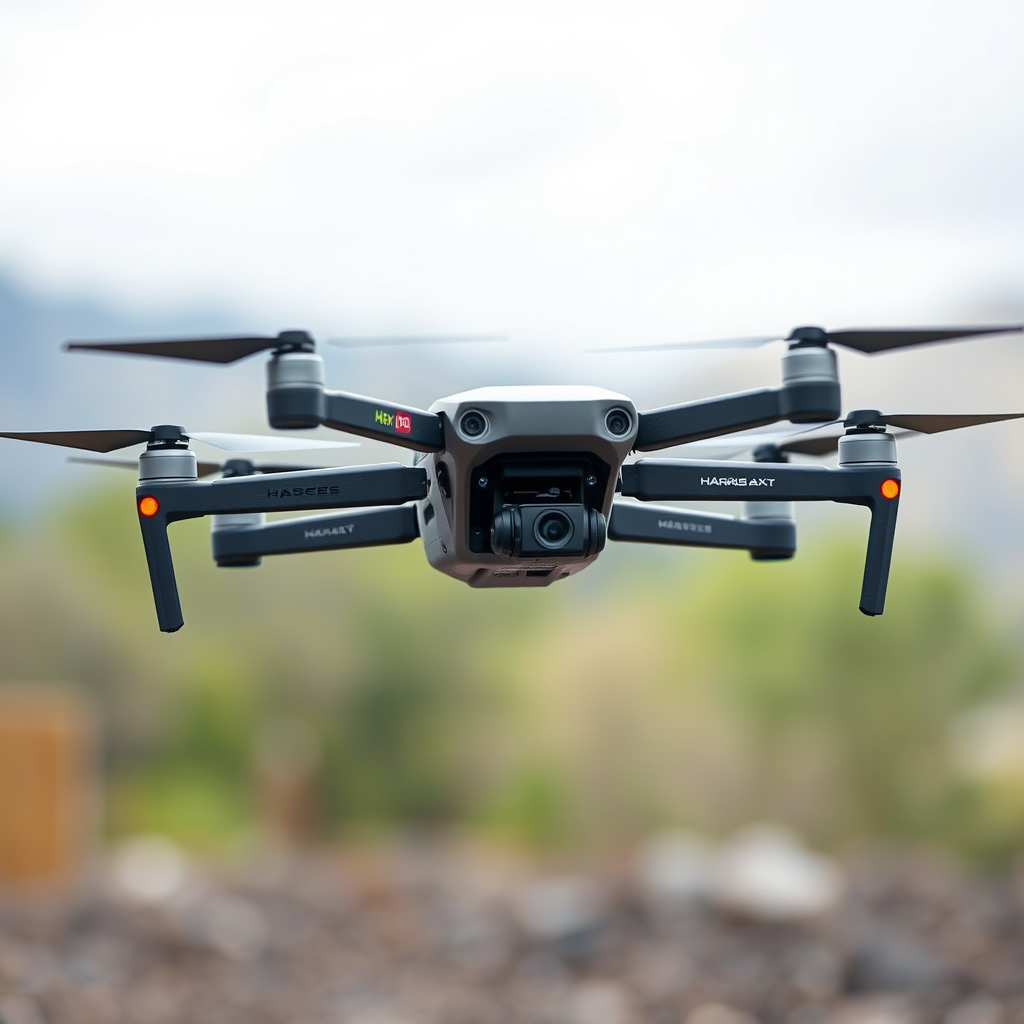
Conversely, the Harris Aerial HX8 is designed with a longer operational range of 10km, utilizing robust radio technology that allows it to maintain reliable communication even in remote locations. This drone is well-regarded for its versatility across various commercial and industrial applications, including agriculture, infrastructure inspection, and public safety. The HX8 is equipped with high-end sensors and cameras, making it suitable for capturing high-resolution imagery and video in diverse environments. Its rugged design and adaptability in different weather conditions also contribute to its reputation as a reliable choice for extended missions.
Performance Comparison
When comparing the performance of the Asylon DroneCore and the Harris Aerial HX8, flight range and endurance are critical factors. The Asylon DroneCore, with its 7km LTE capability, offers a flight time of approximately 30-40 minutes, depending on payload and environmental conditions. In contrast, the Harris Aerial HX8 boasts a flight time of up to 45-60 minutes, facilitated by its efficient energy management and the ability to carry heavier payloads without compromising operational duration.
In real-world scenarios, the payload capacity of both drones also plays a significant role. The DroneCore can carry payloads up to 2 kilograms, suitable for standard surveillance equipment. However, the HX8 can support up to 5 kilograms, allowing for the integration of advanced sensors and cameras, which enhances its utility in complex missions that require high-quality data collection.
Security Features
Security protocols are paramount in drone operations, particularly when handling sensitive data. The Asylon DroneCore employs advanced encryption methods to secure its LTE transmissions, ensuring that data is protected from unauthorized access. This includes secure login features and end-to-end encryption for video feeds, which are critical in maintaining the integrity of real-time surveillance operations.On the other hand, the Harris Aerial HX8 utilizes radio technology that incorporates secure communication protocols and frequency hopping techniques to minimize the risk of signal interception. This approach not only enhances security but also improves reliability in environments with potential electromagnetic interference. Both drones highlight the importance of robust security measures, yet the choice between LTE and radio technology can influence operational security based on the specific use case.
User Experience and Interface
The usability of the control interfaces for both drones significantly impacts the user experience. The Asylon DroneCore features an intuitive mobile application that simplifies flight planning and monitoring. The app allows users to customize flight paths, access live video feeds, and receive alerts, making it user-friendly, especially for those with limited drone experience.
In contrast, the Harris Aerial HX8 offers a more complex interface designed for advanced users, typically catering to professionals in industries such as public safety and agriculture. While it provides extensive customization options and advanced controls, the learning curve can be steeper for new users. However, once mastered, users can leverage the full capabilities of the HX8, including sophisticated data collection and analysis tools.
Cost and Value Analysis
When considering the cost and value of both drones, it is essential to evaluate what is included in each package. The Asylon DroneCore typically retails at a lower price point, making it an attractive option for organizations with limited budgets. The basic package includes the drone, a controller, and access to the mobile application, providing a comprehensive solution for entry-level users.
In comparison, the Harris Aerial HX8 tends to be more expensive, reflecting its advanced capabilities and extended operational range. The packages often include high-resolution cameras and additional sensors, which can significantly enhance the drone’s functionality. For organizations requiring high-quality data collection and extended operational capacity, the investment in the HX8 may offer better long-term value despite the higher initial cost.
Use Case Scenarios
The Asylon DroneCore is ideally suited for urban environments where real-time surveillance and immediate response capabilities are critical. For instance, law enforcement agencies can utilize the DroneCore for monitoring public events, managing crowd control, and responding to incidents with live video feeds. Its LTE connectivity ensures that operators can maintain a constant link to the drone, even in densely populated areas.
Conversely, the Harris Aerial HX8 excels in rural or expansive areas where long-range surveillance is essential. Applications such as agricultural monitoring, where farmers can assess crop health over large fields, or search and rescue missions in remote locations, highlight the drone’s capabilities. The HX8’s extended range and ability to carry sophisticated sensors make it an invaluable tool for comprehensive data collection and analysis in less accessible environments.
The Asylon DroneCore and Harris Aerial HX8 cater to different needs in the drone market, making it essential to weigh their features and capabilities against your specific requirements. By considering performance, security, and user experience, you can make a well-informed decision on which drone best meets your operational goals. Explore your options further to find the perfect fit for your security and surveillance needs.
Frequently Asked Questions
What are the key differences between Asylon DroneCore and Harris Aerial HX8 in terms of communication range?
The Asylon DroneCore offers an impressive 7km LTE communication range, providing reliable connectivity over vast distances using cellular networks, which is ideal for urban environments. In contrast, the Harris Aerial HX8 utilizes a 10km radio frequency system, allowing for extended control and data transmission in less congested areas. Understanding these differences can help users choose the right drone based on their operational needs and the environments in which they will be flying.
How does the security of the Asylon DroneCore compare to the Harris Aerial HX8?
The Asylon DroneCore is designed with advanced security protocols to protect against data breaches and unauthorized access, leveraging LTE security features. On the other hand, the Harris Aerial HX8 emphasizes robust radio communication encryption, making it challenging for potential threats to intercept the signal. Choosing a drone with superior security features is critical for operations involving sensitive data, making it essential to understand these differences.
Why should I consider the LTE capabilities of the Asylon DroneCore over the radio capabilities of the Harris Aerial HX8?
The LTE capabilities of the Asylon DroneCore allow for seamless connectivity in areas with cellular coverage, enabling real-time data transmission and remote monitoring. This is particularly advantageous in urban settings where radio signals may face interference. Conversely, if you’re operating in remote locations without LTE service, the Harris Aerial HX8’s 10km radio capability might be more effective. Evaluating your operational environment will determine the best choice for your needs.
Which drone is better for long-range missions: the Asylon DroneCore or the Harris Aerial HX8?
When it comes to long-range missions, the Harris Aerial HX8 has the edge with its 10km radio communication range. This extended range can be pivotal for applications such as search and rescue or infrastructure inspections in remote areas. However, if your missions are within urban settings where LTE connectivity is available, the Asylon DroneCore can provide reliable performance and real-time data transmission, making it also a strong contender for long-range operations in specific environments.
What factors should I consider when choosing between Asylon DroneCore and Harris Aerial HX8?
When deciding between the Asylon DroneCore and Harris Aerial HX8, consider factors such as operational range, the environment where you’ll be flying, security needs, and the type of data you need to transmit. Additionally, assess the ease of use, battery life, and payload capacity for your specific applications. By weighing these factors, you can select the drone that best meets your operational requirements and enhances your mission outcomes.
References
- https://en.wikipedia.org/wiki/Comparison_of_drones
- https://www.reuters.com/technology/what-you-need-know-about-drones-2021-03-14/
- https://www.nytimes.com/2020/12/01/technology/drones-security-privacy.html
- https://www.techrepublic.com/article/what-you-need-to-know-about-drone-security/
- https://www.wired.com/story/drones-security-privacy-issues/
- https://www.sciencedirect.com/topics/computer-science/drone-security
- https://www.bbc.com/news/technology-51573236
