
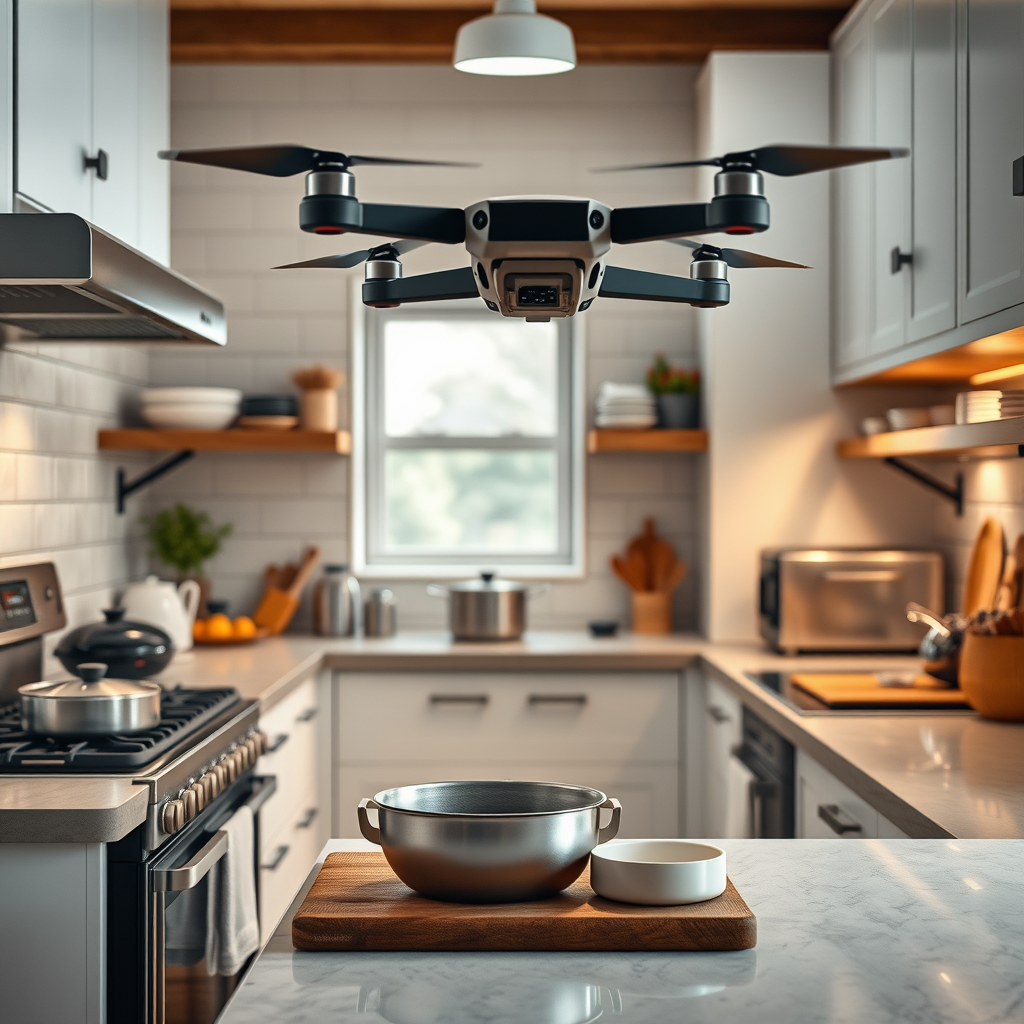
The DJI Mini 4 Pro outperforms the Potensic Atom 2 when it comes to transmission range, boasting an impressive 10km O3 capability compared to the Atom 2’s 7.5km. However, both drones cater to different user needs with unique strengths and weaknesses. In this article, we will provide a comprehensive comparison of these two lightweight FPV drones, ensuring you can make an informed decision based on your specific requirements.
Design and Build Quality
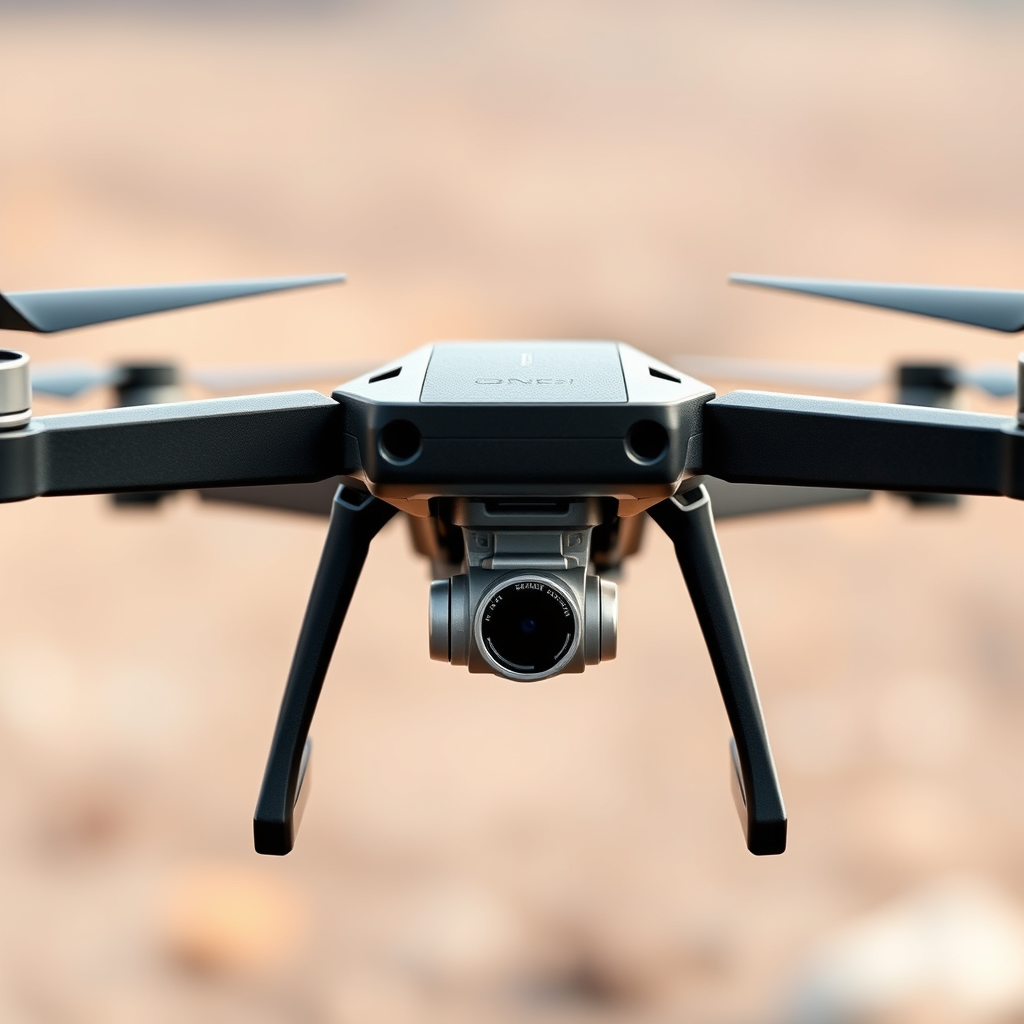
The DJI Mini 4 Pro is designed with portability in mind. Weighing just 249 grams, it features a sleek, compact design that makes it easy to carry during travel or outdoor adventures. This drone’s aerodynamic shape not only enhances its aesthetic appeal but also contributes to improved flight efficiency. The foldable arms allow it to fit snugly into a small carrying case, making it an ideal choice for drone enthusiasts on the go.
In contrast, the Potensic Atom 2 is slightly bulkier and weighs around 350 grams. While it may not be as portable as the Mini 4 Pro, its robust construction offers a sense of durability that some users may prefer. The Atom 2 is designed to withstand minor impacts and is built with a plastic composite that can endure the rigors of casual flying. While both drones are designed for ease of use, the Mini 4 Pro edges out in terms of portability, whereas the Atom 2 holds its ground with a sturdy build.
Camera and Image Quality
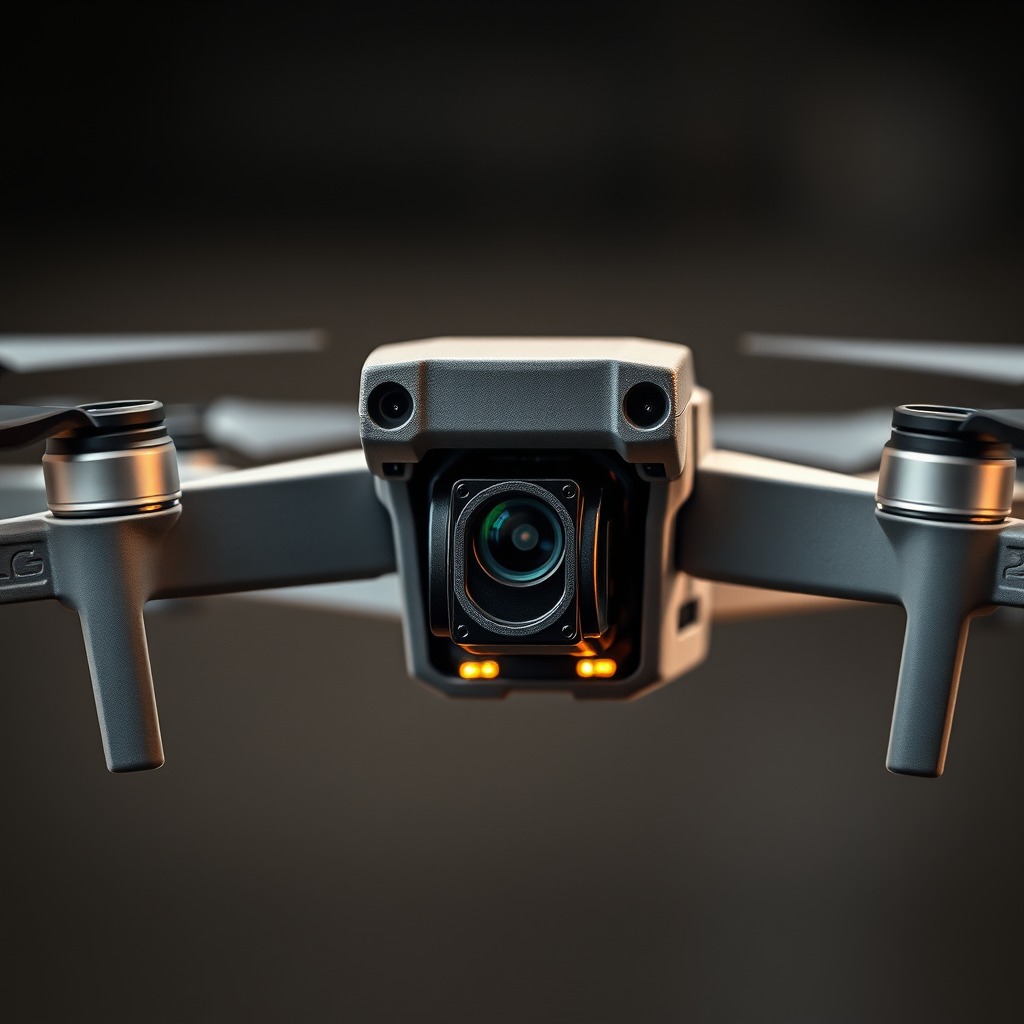
When it comes to camera capabilities, the DJI Mini 4 Pro is a standout performer. It features a 1/1.3-inch sensor capable of capturing stunning 4K video at 60 frames per second and 48MP still images. Furthermore, the drone supports advanced shooting modes, including HDR video and a variety of intelligent shooting functions like QuickShots and Mastershots. These features allow users to maximize their creative potential and capture breathtaking aerial footage with ease.
On the other hand, the Potensic Atom 2 provides decent image quality, equipped with a 1080p camera that delivers satisfactory video and photo outputs for casual users. While it may not compete with the Mini 4 Pro in terms of resolution and advanced features, it still offers a good entry point for beginners looking to explore aerial photography without overwhelming complexity. The Atom 2 is capable of capturing enjoyable memories and offers a suitable experience for those not requiring professional-grade footage.
Flight Performance and Range
The DJI Mini 4 Pro excels in flight performance, boasting a maximum transmission range of 10km thanks to its O3 transmission technology. This extended range allows users to explore vast landscapes, capture stunning vistas, and enjoy a more immersive flying experience. The drone can maintain a stable connection even at significant distances, enabling users to fly with confidence and take advantage of its intelligent flight modes.
In comparison, the Potensic Atom 2’s 7.5km range is more than sufficient for casual flying and local exploration. While it may not match the Mini 4 Pro in terms of distance, it still provides a satisfying experience for those who primarily use drones for recreational purposes. The Atom 2’s flight performance is commendable, featuring stable hovering capabilities and responsive controls, making it suitable for beginners who are just getting acquainted with drone piloting.
Battery Life and Charging
Battery life is a critical consideration for any drone user, and the DJI Mini 4 Pro excels in this area as well. With a flight time of up to 34 minutes, users can enjoy extended flying sessions without frequent interruptions for recharging. This longer battery life is particularly beneficial for professionals or enthusiasts who wish to capture expansive footage without the hassle of changing batteries mid-flight.
The Potensic Atom 2, while offering a shorter flight time of approximately 15 minutes, compensates with its quick charging capabilities. The drone can be fully charged in about 60-70 minutes, making it an excellent choice for users who prefer quick outings and spontaneous flights. This feature allows users to maximize their flying opportunities, especially for casual users who may not require extended flight durations.
User Experience and Features
User experience is a crucial factor in the overall appeal of any drone, and the DJI Mini 4 Pro offers a sophisticated and intuitive interface. Equipped with advanced features such as obstacle avoidance, GPS tracking, and various intelligent flight modes, it caters to both seasoned pilots and newcomers alike. The user-friendly DJI Fly app provides an easy way to plan flights, adjust camera settings, and access editing tools, enhancing the overall flying experience.
Conversely, the Potensic Atom 2 is designed with beginners in mind, featuring a simple control interface and basic flight modes. It includes features such as altitude hold and one-key takeoff/landing, making it easy for novice pilots to operate. While it may lack the advanced functionalities of the Mini 4 Pro, users will appreciate the Atom 2’s focus on ease of use, allowing them to gain confidence in their flying skills without feeling overwhelmed.
Price and Value
The DJI Mini 4 Pro comes at a premium price point, reflective of its advanced capabilities and features. While the investment may seem substantial, the drone’s performance, image quality, and extended range justify the cost for serious users who demand high-quality results. Whether you’re a professional videographer or an avid hobbyist, the Mini 4 Pro offers exceptional value for those seeking advanced technology in their aerial photography.
In contrast, the Potensic Atom 2 presents a budget-friendly option, making it appealing to entry-level users who want to explore drone flying without a significant financial commitment. Its affordable price allows users to experience the joy of flying drones while providing decent performance and satisfactory image quality for recreational use. The Atom 2 serves as a valuable stepping stone for beginners, allowing them to develop their skills before potentially upgrading to a more advanced model in the future.
Ideal User Profiles
The DJI Mini 4 Pro is ideal for enthusiasts and professionals seeking high-quality footage and extended capabilities. Its advanced features, impressive camera quality, and superior flight performance make it suitable for those who prioritize capturing stunning aerial visuals and require a reliable drone for various applications, from filmmaking to surveying.
On the other hand, the Potensic Atom 2 is perfect for beginners or hobbyists looking for an affordable and user-friendly drone. It’s a great entry-level option for those eager to learn about drone flight and capture fun memories without the complexity of advanced technology. The Atom 2’s straightforward controls and decent performance make it an excellent choice for users who want to enjoy casual flying experiences.
The comparison of the DJI Mini 4 Pro and Potensic Atom 2 underscores the strengths and weaknesses of both drones. The Mini 4 Pro excels in range, camera quality, and advanced features, making it suitable for serious users. In contrast, the Atom 2 offers a more budget-friendly option with decent performance for casual flyers. Ultimately, considering your priorities and budget will guide you in choosing the right drone that fits your needs, ensuring an enjoyable and fulfilling flying experience.
Frequently Asked Questions
What are the key differences between the DJI Mini 4 Pro and Potensic Atom 2 in terms of flight range?
The DJI Mini 4 Pro boasts an impressive O3 transmission technology that allows for a flight range of up to 10 kilometers, making it ideal for capturing stunning aerial footage from a distance. In contrast, the Potensic Atom 2 offers a maximum flight range of 7.5 kilometers. This difference in range can significantly impact your aerial photography or videography sessions, especially in open areas where you want to explore a wider vista.
How does the camera quality of the DJI Mini 4 Pro compare to the Potensic Atom 2?
The DJI Mini 4 Pro features a superior camera system with a 48MP resolution and advanced stabilization technology, which provides crisp and clear images even in challenging conditions. The Potensic Atom 2, while capable, typically features a lower resolution camera that may not perform as well in low-light situations. For users prioritizing high-quality photography and videography, the DJI Mini 4 Pro is likely the better choice.
Why should I choose the DJI Mini 4 Pro over the Potensic Atom 2 for my needs?
If you’re looking for a drone that offers advanced features like obstacle avoidance, extended flight range, and superior camera capabilities, the DJI Mini 4 Pro is the optimal choice. Its robust design and reliability make it suitable for both professional and hobbyist drone enthusiasts who want to capture high-quality content without compromise. Additionally, the DJI ecosystem provides extensive support and accessories, enhancing the overall user experience.
Which drone is better for beginners: the DJI Mini 4 Pro or the Potensic Atom 2?
While both drones are user-friendly, the Potensic Atom 2 is often recommended for beginners due to its lower price point and simpler controls. It’s easier to operate and comes with features like one-key takeoff and landing, making it accessible for those new to flying drones. However, if a beginner is willing to invest in a more advanced system with greater long-term potential, the DJI Mini 4 Pro offers excellent tutorials and a more robust flying experience.
What should I consider when choosing between the DJI Mini 4 Pro and Potensic Atom 2 for travel?
When selecting a drone for travel, consider factors such as portability, weight, battery life, and camera quality. The DJI Mini 4 Pro is lightweight and compact, making it easy to pack for trips, while also offering longer flight times and better camera performance. The Potensic Atom 2 is also lightweight but may not provide the same level of performance or features, so assess your travel needs and whether you prioritize photo quality or ease of use in the field.
References
- https://en.wikipedia.org/wiki/Comparison_of_drones
- https://www.theguardian.com/technology/2023/oct/15/drones-2023-what-to-know
- https://www.reuters.com/technology/dji-launches-new-drone-2023-09-01
- https://www.techcrunch.com/2023/09/05/dji-mini-4-pro-review
- https://www.sciencedirect.com/topics/computer-science/drone-technology
- https://www.nytimes.com/2023/09/10/technology/drones-innovation.html
- https://www.wired.com/story/drone-technology-2023/
