
The DJI Mini 4 Pro is the superior choice for most cinematic enthusiasts, primarily due to its impressive range and lightweight design. With cutting-edge technology that allows for longer flight distance and easier portability, the Mini 4 Pro is positioned as an accessible yet powerful tool for creators. In this article, we will delve into a comprehensive comparison of the DJI Mini 4 Pro and the Freefly Alta 8 Pro, examining their technical specifications, usability, and overall performance to help you determine which drone aligns best with your creative aspirations.
Overview of Both Drones
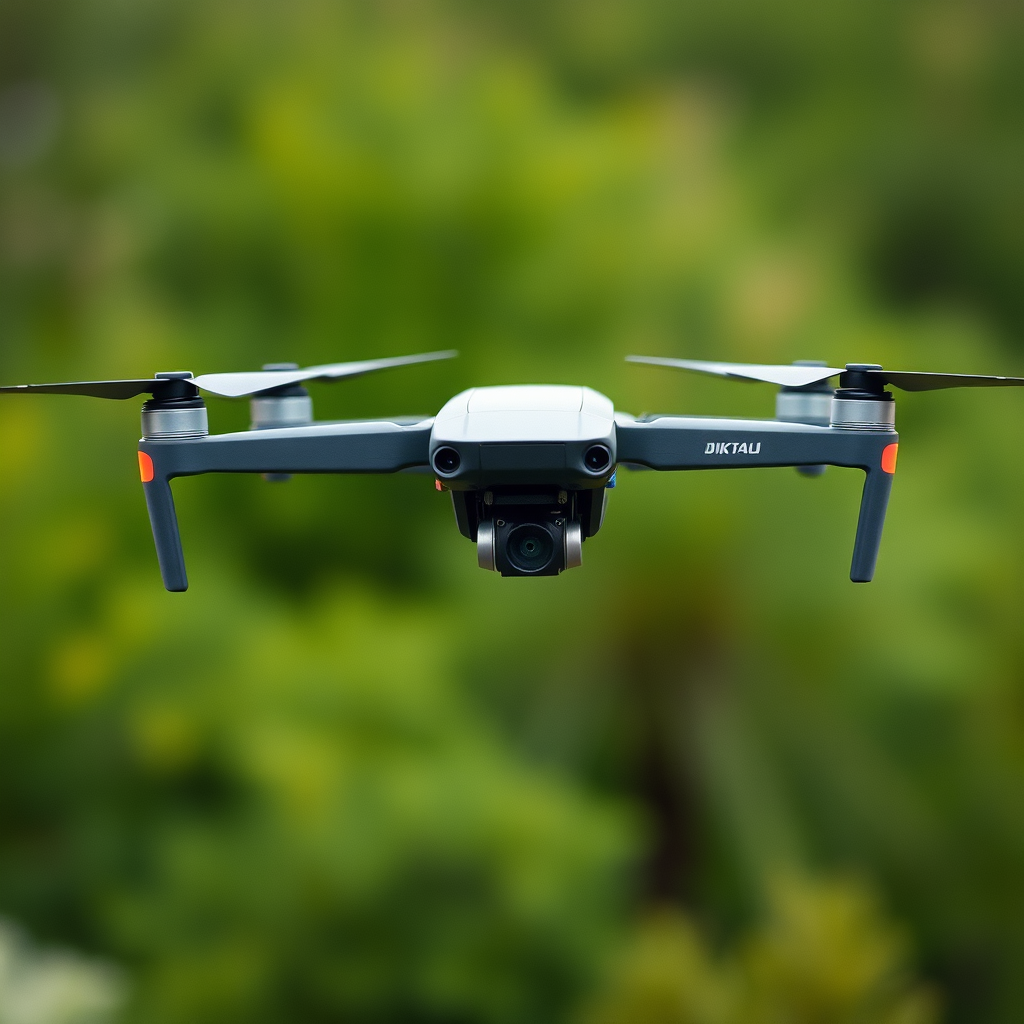
The DJI Mini 4 Pro is a compact and lightweight drone packed with advanced features that cater to both amateur and professional filmmakers. It boasts a high-quality camera capable of capturing stunning 4K video at 60 frames per second, combined with a 48MP still image capability. The drone’s intelligent shooting modes and advanced obstacle avoidance systems make it user-friendly while ensuring high-quality outputs.
In contrast, the Freefly Alta 8 Pro is designed for more specialized applications, particularly in the realm of professional filmmaking. This drone supports a wider range of camera payloads, accommodating setups that can weigh up to 8kg, including high-end cinema cameras. With a maximum flight time of approximately 30 minutes, the Alta 8 Pro is engineered for demanding cinematographic scenarios, making it a go-to choice for crews in need of versatility and reliability.
Range and Signal Strength Comparison
One of the standout features of the DJI Mini 4 Pro is its O3 technology, which provides an impressive transmission range of up to 10 kilometers. This extended range allows filmmakers to capture stunning aerial shots without the constant stress of losing signal or worrying about battery life. The O3 technology also enhances the stability and clarity of the live video feed, facilitating easier operation even at long distances.
Conversely, the Freefly Alta 8 Pro offers a maximum radio range of 5 kilometers. While this is adequate for many professional applications, it does limit the drone’s utility for long-distance shots. The reduced range combined with the drone’s heavier weight can make it less appealing for creators who prioritize freedom in their aerial shoots. For those who need to cover expansive areas without physical barriers, the DJI Mini 4 Pro clearly holds an advantage.
Weight and Portability Factors
The DJI Mini 4 Pro weighs just 249 grams, making it one of the lightest drones in its category. This lightweight design not only enhances portability but also makes it easier to transport and maneuver in challenging environments. Filmmakers often find value in a drone that can be easily packed into a backpack or carried on location without the need for extensive setup.
In contrast, the Freefly Alta 8 Pro weighs significantly more, around 4.5 kilograms, which can present challenges in terms of transport and setup. The added weight can be a disadvantage for filmmakers working in remote locations or those who require quick deployment. For content creators who prioritize mobility and the ability to shoot on the go, the DJI Mini 4 Pro is clearly the more practical option.
Camera Quality and Cinematic Features
When it comes to camera quality, both drones offer impressive specifications, though they cater to different user needs. The DJI Mini 4 Pro is equipped with a 1/1.3-inch CMOS sensor that delivers 4K video recording at up to 60fps, ensuring vibrant colors and sharp details. Additionally, it features advanced stabilization technology, including a 3-axis gimbal, which minimizes vibrations and ensures smooth footage, even in challenging conditions.
On the other hand, the Freefly Alta 8 Pro’s versatility allows it to carry a wide range of cameras, including heavier cinema-grade options like the RED Komodo or Blackmagic URSA Mini. This capability enables filmmakers to capture high-resolution footage with professional tools, offering flexibility that the Mini 4 Pro cannot match. However, the Alta 8 Pro does not inherently come with a camera, meaning users must factor in additional costs for high-end camera equipment.
User Experience and Interface
Both drones are designed with user experience in mind, but their approaches differ significantly. The DJI Mini 4 Pro features an intuitive interface and streamlined setup process, making it accessible for users at any skill level. The accompanying DJI Fly app is user-friendly and provides real-time telemetry, allowing filmmakers to focus on their creative vision rather than technical hurdles.
In contrast, the Freefly Alta 8 Pro caters more towards experienced professionals. Its setup can be more complex, requiring users to understand various configurations for different camera setups and payloads. While the learning curve may be steeper, it provides extensive capabilities for those who are willing to invest time into mastering the drone. User reviews indicate that while the Alta 8 Pro excels in performance and versatility, it may not be the first choice for casual users or beginners.
Price Point and Value for Money
The DJI Mini 4 Pro is priced competitively for its feature set, generally retailing around $749 for the standard package. This price includes the drone, remote controller, and essential accessories, making it an excellent value for hobbyists and those entering the world of aerial cinematography. Given its high-quality camera and extensive features, the Mini 4 Pro offers solid bang for the buck.
Conversely, the Freefly Alta 8 Pro is significantly more expensive, typically costing around $13,000. While the Alta 8 Pro justifies its high price tag with its ability to support heavier camera rigs and deliver professional-grade performance, it may not be suitable for budget-conscious creators or those who do not require advanced capabilities. Evaluating your specific needs and budget is crucial when deciding between these two options.
Ideal Use Cases for Each Drone
The DJI Mini 4 Pro is ideal for content creators who prioritize portability, ease of use, and cinematic quality at an accessible price point. It excels in situations where quick deployment is necessary, such as travel vlogs, outdoor adventures, and social media content creation. Its blend of features makes it an optimal choice for those looking to explore aerial cinematography without extensive technical knowledge.
On the other hand, the Freefly Alta 8 Pro is tailored for professional filmmakers and production crews who demand versatility and the ability to work with high-end camera systems. It shines in environments such as film sets, commercial shoots, and scenarios requiring heavy payloads. For users who need to achieve cinematic results with specialized equipment, the Alta 8 Pro stands out as a powerful tool.
In summary, the DJI Mini 4 Pro offers superior range and lightweight design, making it the ideal choice for many creators, while the Freefly Alta 8 Pro provides robust features for specialized filmmaking needs. Assess your priorities in terms of range, weight, and budget to make an informed decision about which drone best fits your cinematic aspirations. With either option, you are equipped to elevate your filmmaking to new heights.
Frequently Asked Questions
What are the key differences between the DJI Mini 4 Pro and the Freefly Alta 8 Pro in terms of flight range and capabilities?
The DJI Mini 4 Pro features an impressive O3 transmission technology that allows for a flight range of up to 10 kilometers, making it ideal for hobbyists and filmmakers who need extended coverage. In contrast, the Freefly Alta 8 Pro offers a maximum radio range of approximately 5 kilometers but excels in payload capacity and stability, making it a preferred choice for professional cinematography and heavy camera setups.
How do the weight and portability of the DJI Mini 4 Pro compare to the Freefly Alta 8 Pro?
The DJI Mini 4 Pro is known for its lightweight design, weighing just around 249 grams, which enhances its portability and ease of use for casual users. On the other hand, the Freefly Alta 8 Pro is significantly heavier, designed for professional applications and capable of carrying larger payloads, but it sacrifices some portability due to its size and weight, making it less suitable for casual travel.
Why should filmmakers choose the Freefly Alta 8 Pro over the DJI Mini 4 Pro for cinematic shots?
Filmmakers often prefer the Freefly Alta 8 Pro because it is specifically engineered for carrying high-end cameras and stabilizers, allowing for smoother, more cinematic shots. Its advanced flight control systems and robust build provide enhanced stability and precision, which are crucial for professional-grade film production, while the DJI Mini 4 Pro is more suited for lightweight, casual use and may not handle heavier camera gear as effectively.
Which drone offers better battery life for extended filming sessions, the DJI Mini 4 Pro or the Freefly Alta 8 Pro?
The DJI Mini 4 Pro generally offers a flight time of up to 34 minutes under optimal conditions, which is impressive for its category. However, the Freefly Alta 8 Pro, depending on the payload and setup, can have varied flight times, typically around 15 to 20 minutes with heavier equipment. Therefore, while the Mini 4 Pro excels in battery longevity, the Alta 8 Pro’s performance is contingent on the weight of the gear being flown.
What factors should I consider when deciding between the DJI Mini 4 Pro and the Freefly Alta 8 Pro for my specific needs?
When choosing between the DJI Mini 4 Pro and the Freefly Alta 8 Pro, consider factors like your intended use, payload requirements, and budget. If you prioritize portability, ease of use, and a longer flight range for casual filming, the Mini 4 Pro is a great choice. Conversely, if you need to carry heavier cameras for professional cinematography and value advanced features and stability, investing in the Alta 8 Pro will better meet those needs, albeit at a higher cost and with less portability.
References
- https://en.wikipedia.org/wiki/Comparison_of_multirotor_and_fixed-wing_drones
- https://www.bbc.com/news/technology-66950215
- https://www.theguardian.com/technology/2023/oct/01/drones-industry-innovation
- https://www.sciencedirect.com/science/article/pii/S2352864823002176
- https://www.nytimes.com/2023/09/15/technology/drone-technology.html
- https://www.wired.com/story/dji-mini-4-pro-review/
- Alta X – US Made Heavy Lift Drone (NDAA/Blue List)
- https://www.theverge.com/2023/9/20/23884978/dji-mini-4-pro-drone-review-comparison
