
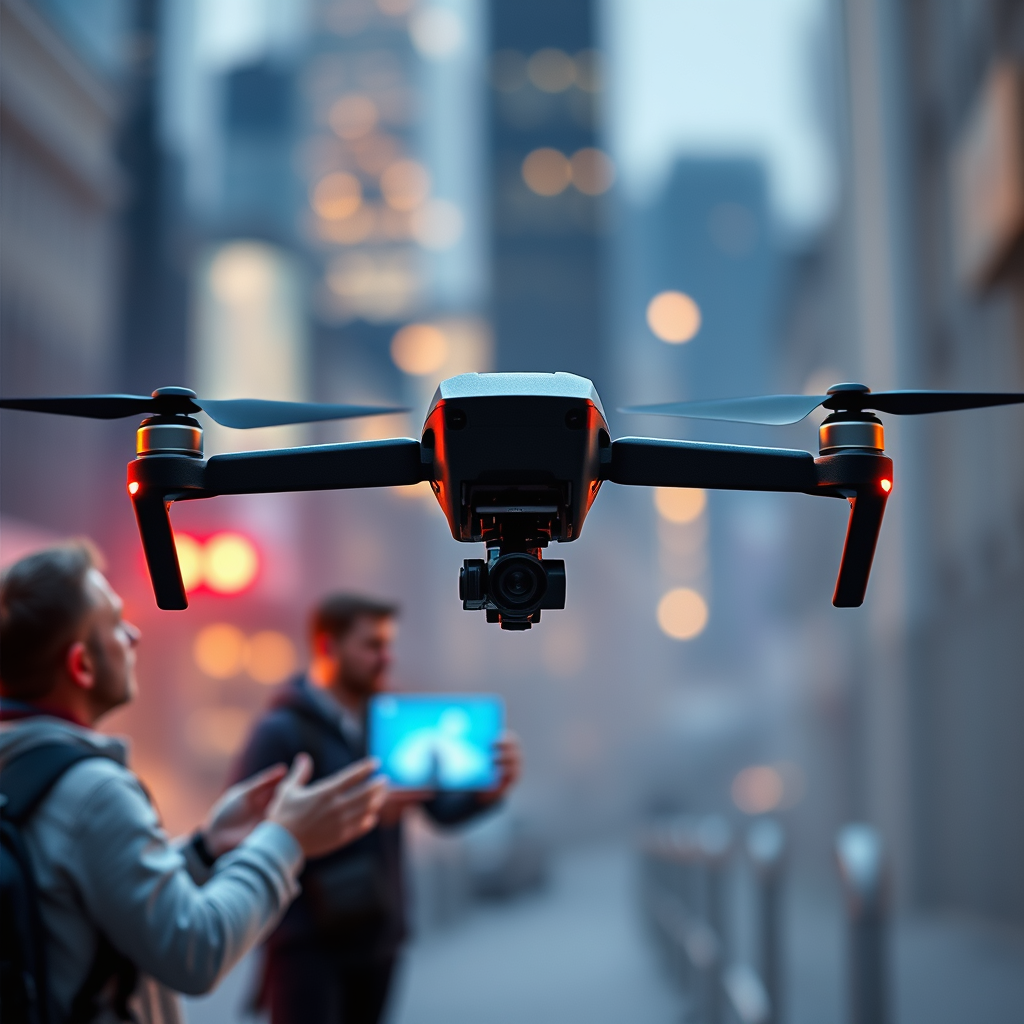
When it comes to enterprise drones, the Freefly Astro Prime and Anzu Raptor V stand out as two of the most compelling options on the market, each with unique advantages tailored to different operational needs. The Astro Prime is designed for high-performance applications with a robust 5km radio range, while the Anzu Raptor V impresses with a longer 7km operational range. This article will explore the features, performance metrics, and practical considerations of both models, enabling users to make an informed choice that aligns with their specific requirements.
Overview of Freefly Astro Prime
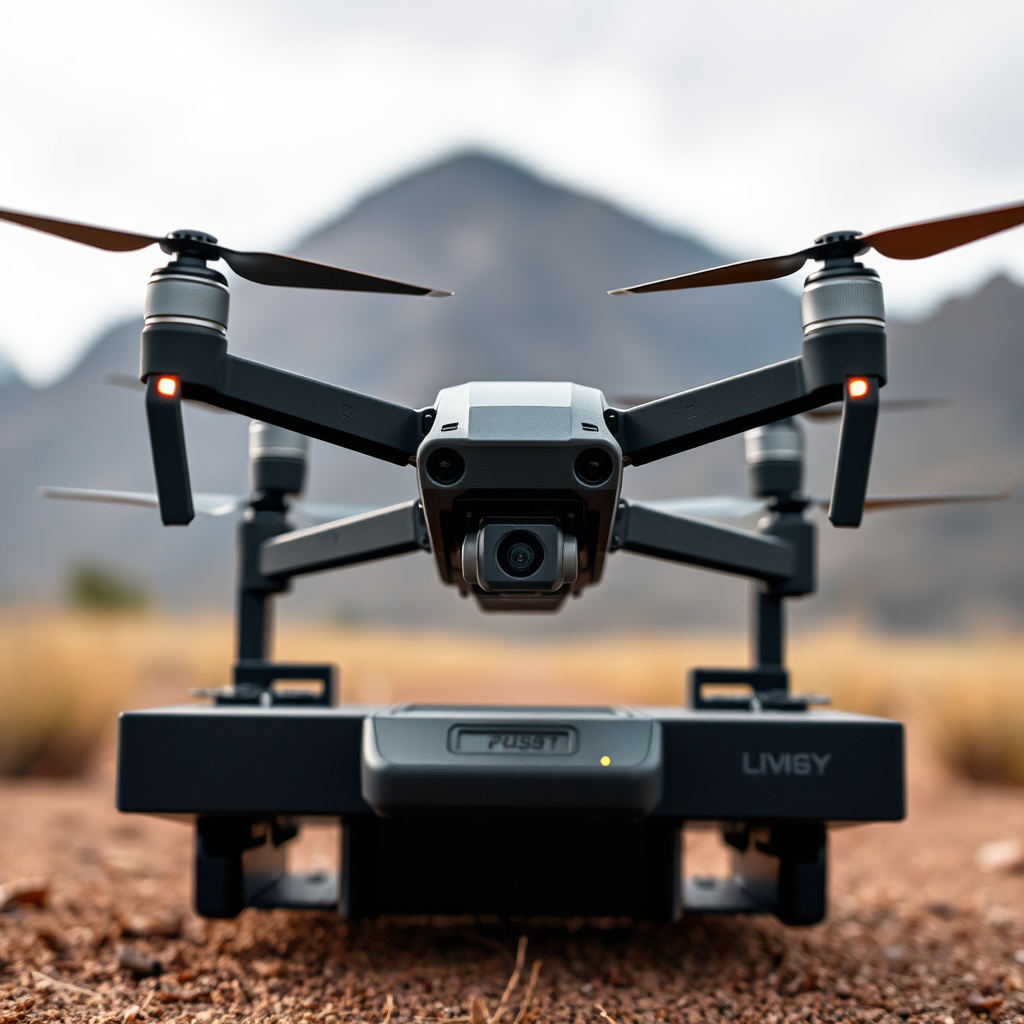
The Freefly Astro Prime is engineered for high-performance applications across various industries, including film production, infrastructure inspection, and agricultural monitoring. One of its standout features is advanced stabilization technology, which ensures smooth and steady imaging even in challenging weather conditions. The Astro Prime is equipped with high-quality cameras capable of capturing both still images and high-definition video, making it an ideal choice for professional filmmakers and content creators. Its modular design allows for easy customization, enabling users to adapt the drone for specific tasks by swapping out payloads as needed.
Additionally, the Astro Prime’s intuitive control system simplifies operation, making it accessible for both experienced pilots and beginners. With a flight time of up to 40 minutes, users can cover significant areas without frequent battery changes, maximizing efficiency during long projects. This drone’s combination of performance, versatility, and reliability positions it as a top choice for enterprises seeking a dependable aerial platform.
Overview of Anzu Raptor V
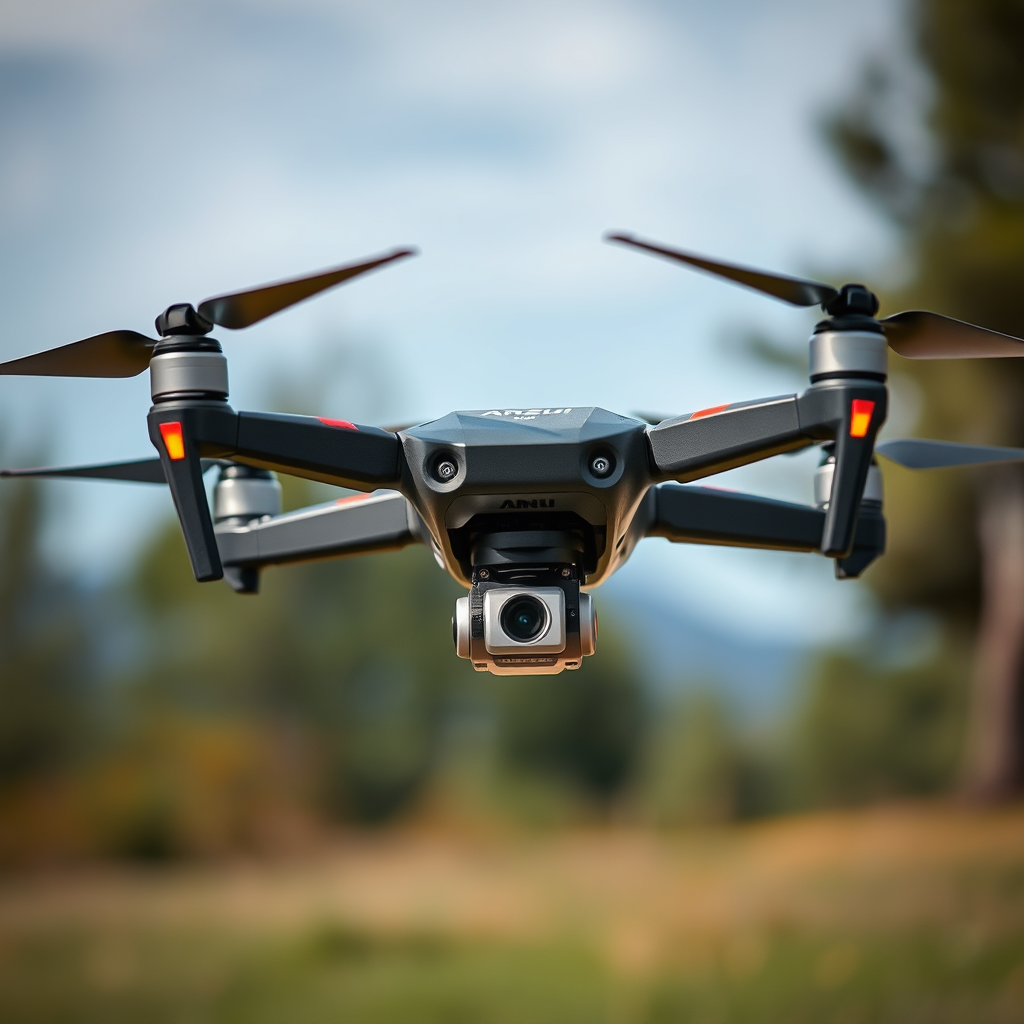
In contrast, the Anzu Raptor V is specifically designed for extensive surveying and mapping tasks, offering a longer operational range that makes it particularly suited for rural and expansive areas. One of its key features is the use of NDAA-compliant components, which ensures that operations are secure and in line with government regulations. This compliance is increasingly important for enterprises involved in sensitive or critical infrastructure projects, as it aligns with federal requirements for drone operations.
The Anzu Raptor V also boasts advanced imaging capabilities, including options for high-resolution cameras and LiDAR systems, catering to industries such as construction, agriculture, and environmental monitoring. With a maximum flight time of around 35 minutes, the Raptor V efficiently covers large areas, and its impressive range allows operators to conduct surveys without being constrained by proximity to the launch site. This drone’s robust design and focus on compliance make it an attractive choice for businesses prioritizing security and extensive operational capacity.
Range Comparison: 5km vs. 7km
The 5km range of the Freefly Astro Prime is particularly suitable for urban environments where obstacles such as buildings and trees can affect signal transmission. This range allows operators to conduct inspections, monitor construction sites, or capture cinematic footage with minimal signal interference. In densely populated areas, having a reliable control range is essential, as it enables pilots to maintain visual line of sight while still utilizing the drone’s advanced features.
On the other hand, the 7km range of the Anzu Raptor V provides a significant advantage for users operating in rural or expansive settings. This extended range allows for more extensive mapping and surveying capabilities, making it ideal for agricultural assessments, environmental studies, and large-scale infrastructure inspections. The ability to operate at greater distances means that users can cover more ground in a single flight, which is particularly beneficial for projects that require broad data collection over large areas.
Performance Metrics
When it comes to performance metrics, both drones exhibit impressive characteristics, though they cater to different needs. The Freefly Astro Prime can achieve a maximum flight time of approximately 40 minutes, depending on payload. Its payload capacity supports a variety of high-end cameras and additional sensors, enabling users to customize their setup according to the specific demands of a project. Signal reliability is one of its strengths, as the drone is designed to manage interference effectively, ensuring stable communication even in complex environments.
Conversely, the Anzu Raptor V, with a flight time of around 35 minutes, is optimized for long-range operations. It features a robust communication system that enhances signal reliability over extended distances, which is crucial for missions that take place far from the operator’s location. The drone’s design minimizes signal degradation, allowing for consistent data transmission and real-time monitoring. Additionally, its payload capacity supports advanced imaging technologies, making it suitable for high-precision tasks such as LiDAR mapping.
Use Cases and Applications
The Freefly Astro Prime excels in scenarios that require high-quality imaging and stabilization, such as film production and detailed inspections of structures or equipment. Its versatility allows it to be used in varied applications, from capturing stunning aerial footage for marketing campaigns to conducting thorough inspections of wind turbines or bridges. The drone’s ability to operate in urban environments, combined with its high-quality imaging capabilities, makes it a valuable asset for creative professionals and engineers alike.
The Anzu Raptor V finds its niche in industries that demand extensive data collection and analysis, such as mapping and surveying. Its long operational range allows it to efficiently cover large agricultural fields, monitor environmental changes, and support construction site management. The drone’s NDAA compliance further enhances its appeal for government contracts and projects that require stringent security measures. Whether used for precise topographic mapping or large-scale agricultural assessments, the Anzu Raptor V stands out as a reliable choice for enterprises focused on extensive fieldwork.
Pricing and Value Proposition
In terms of pricing, the Freefly Astro Prime typically comes at a higher initial investment due to its advanced features and capabilities. However, when considering the long-term value it offers through enhanced productivity and high-quality outputs, many users find it to be a worthwhile investment. Additional costs may arise from necessary accessories, such as extra batteries or specialized payloads, which can significantly enhance the drone’s functionality.
The Anzu Raptor V, while potentially more affordable in terms of upfront costs, also provides substantial value through its extended range and compliance features. Businesses may find that the long-range capabilities reduce the need for multiple drones for different tasks, ultimately saving costs. Like the Astro Prime, users should consider potential add-ons, such as advanced imaging sensors, which could elevate the drone’s performance but also add to the overall investment.
User Experience and Support
Customer feedback for both drones highlights their ease of use and reliability, though experiences may vary based on the specific application. Users of the Freefly Astro Prime often commend its intuitive interface and the quality of the imagery produced, while the modular design is praised for allowing quick adaptations to meet diverse project requirements. Support resources, including tutorials and customer service, are generally noted to be robust, providing users with assistance when needed.
The Anzu Raptor V also receives positive reviews, particularly regarding its operational range and the security features provided by NDAA compliance. Users appreciate the reliable communication and data transmission capabilities, which enhance the overall effectiveness of long-range missions. Additionally, support options, including troubleshooting guides and online resources, are readily available to assist users in maximizing the drone’s potential.
The comparison between the Freefly Astro Prime and the Anzu Raptor V reveals that the choice largely depends on your specific needs for range, performance, and application. Both models have unique strengths; however, understanding their differences can significantly influence your operational success. Consider your intended use and budget, and take the next step by exploring specifications and customer reviews to ensure you select the right drone for your enterprise needs.
Frequently Asked Questions
What are the main differences between the Freefly Astro Prime and Anzu Raptor V drones?
The Freefly Astro Prime and Anzu Raptor V differ primarily in their operational range, design, and intended use cases. The Astro Prime is designed for specialized aerial cinematography with high payload capacity and advanced stabilization features, making it ideal for filmmakers. In contrast, the Anzu Raptor V specializes in long-range operations with a 7km NDAA-compliant radio, catering more to enterprises needing extended operational reach and reliability in various environments.
How does the 5km radio range of the Freefly Astro Prime affect its performance compared to the 7km range of the Anzu Raptor V?
The 5km radio range of the Freefly Astro Prime may limit its operational flexibility in vast open areas or complex environments where extended range is critical. In contrast, the Anzu Raptor V, with its 7km NDAA-compliant radio, offers greater operational distance, which is particularly valuable for enterprise users conducting inspections or surveillance over large terrains without losing connection, thereby enhancing reliability and data acquisition.
Why is NDAA compliance important when choosing between the Freefly Astro Prime and Anzu Raptor V?
NDAA compliance is crucial for users in the United States, particularly government agencies and contractors, as it ensures that the drone meets security standards and minimizes risks associated with foreign technology. The Anzu Raptor V’s NDAA-compliant features make it a safer choice for enterprises that need to adhere to strict regulations, whereas the Freefly Astro Prime may not offer the same level of compliance, potentially limiting its use in sensitive operations.
Which drone is better for aerial photography: Freefly Astro Prime or Anzu Raptor V?
The Freefly Astro Prime is generally considered better for aerial photography due to its advanced stabilization features, high payload capacity, and compatibility with professional camera systems. These attributes make it ideal for filmmakers and photographers seeking high-quality visuals. Conversely, while the Anzu Raptor V can be equipped with cameras, its primary focus is on long-range operations and may not deliver the same level of performance for cinematic applications.
How do I choose the right drone for my needs between the Freefly Astro Prime and Anzu Raptor V?
To choose the right drone, assess your specific needs, such as operational range, payload requirements, and intended applications. If you require a drone primarily for high-quality aerial filming, the Freefly Astro Prime is your best option. However, if you need a drone for long-distance operations that complies with NDAA regulations, the Anzu Raptor V is the more suitable choice. Understanding your operational environment and compliance needs will aid in making the best decision.
References
- Radio-controlled aircraft
- Federal Aviation Administration
- https://www.suasnews.com/2021/04/what-is-the-ndaa-and-why-is-it-important-for-the-drone-industry/
- National Institute of Standards and Technology
- https://www.reuters.com/article/us-usa-drones-insight-idUSKBN2A31K5
- https://www.techrepublic.com/article/how-drone-technology-is-being-used-in-the-us-military/
- https://www.bbc.com/news/technology-56884812
