
The Potensic Atom 3 outshines the Freefly Astro Prime in terms of FPV capability, offering an impressive range of 7.5 kilometers. However, the Astro Prime still holds a solid position with its 5-kilometer radio range, designed for rugged environments and enterprise applications. This article provides a comprehensive comparison of these two budget-friendly enterprise drones, evaluating their features, performance metrics, and overall value to help you determine which drone best suits your operational needs.
Overview of Potensic Atom 3
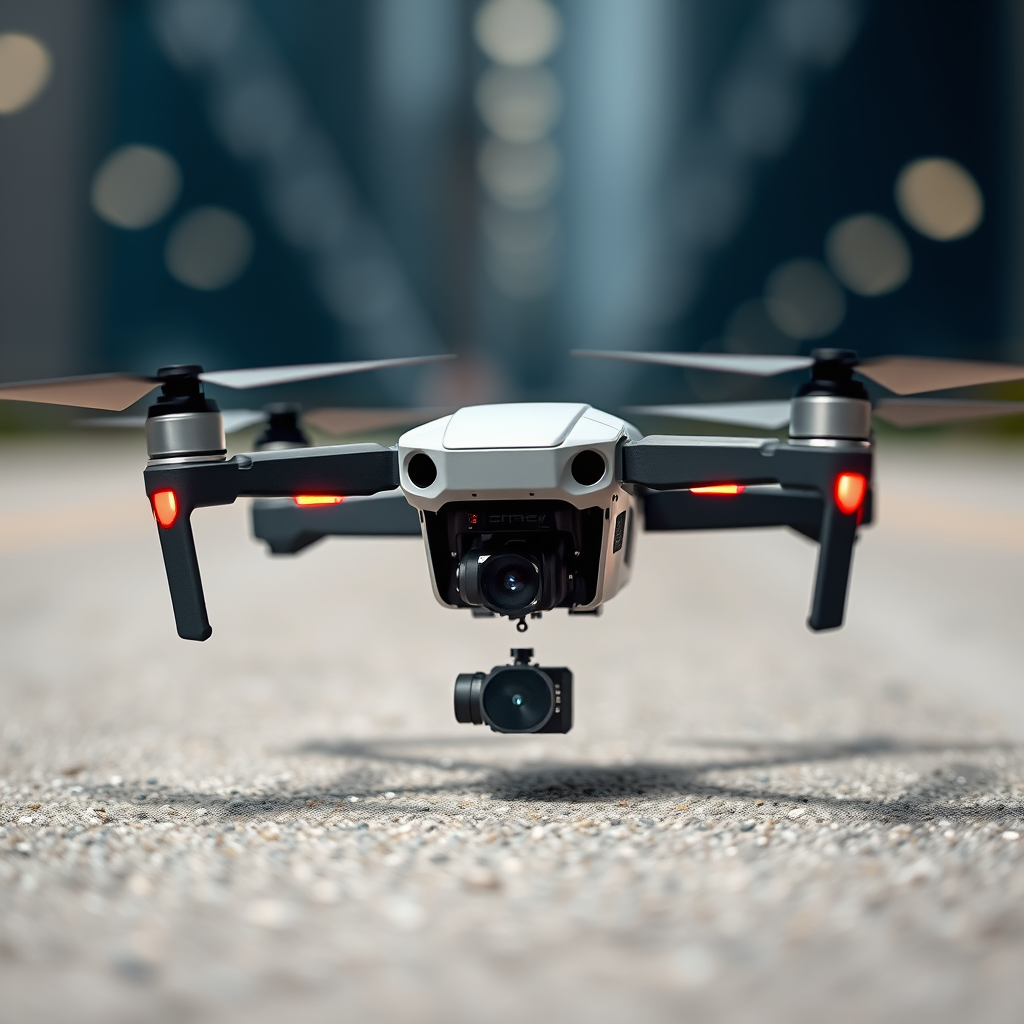
The Potensic Atom 3 is engineered for enthusiasts and professionals who seek extensive FPV capabilities. With a remarkable range of 7.5 kilometers, it allows for extended exploration and surveillance, making it particularly appealing for outdoor applications such as mapping, inspections, and recreational use. This drone is equipped with high-definition cameras that support 4K video recording, ensuring crystal-clear aerial footage. Additionally, it features a 3-axis gimbal stabilization system, which helps in capturing smooth and stable videos even in windy conditions. The Atom 3 also incorporates intelligent flight modes such as follow-me, waypoint navigation, and orbit mode, enhancing its usability for various mission scenarios.
Overview of Freefly Astro Prime
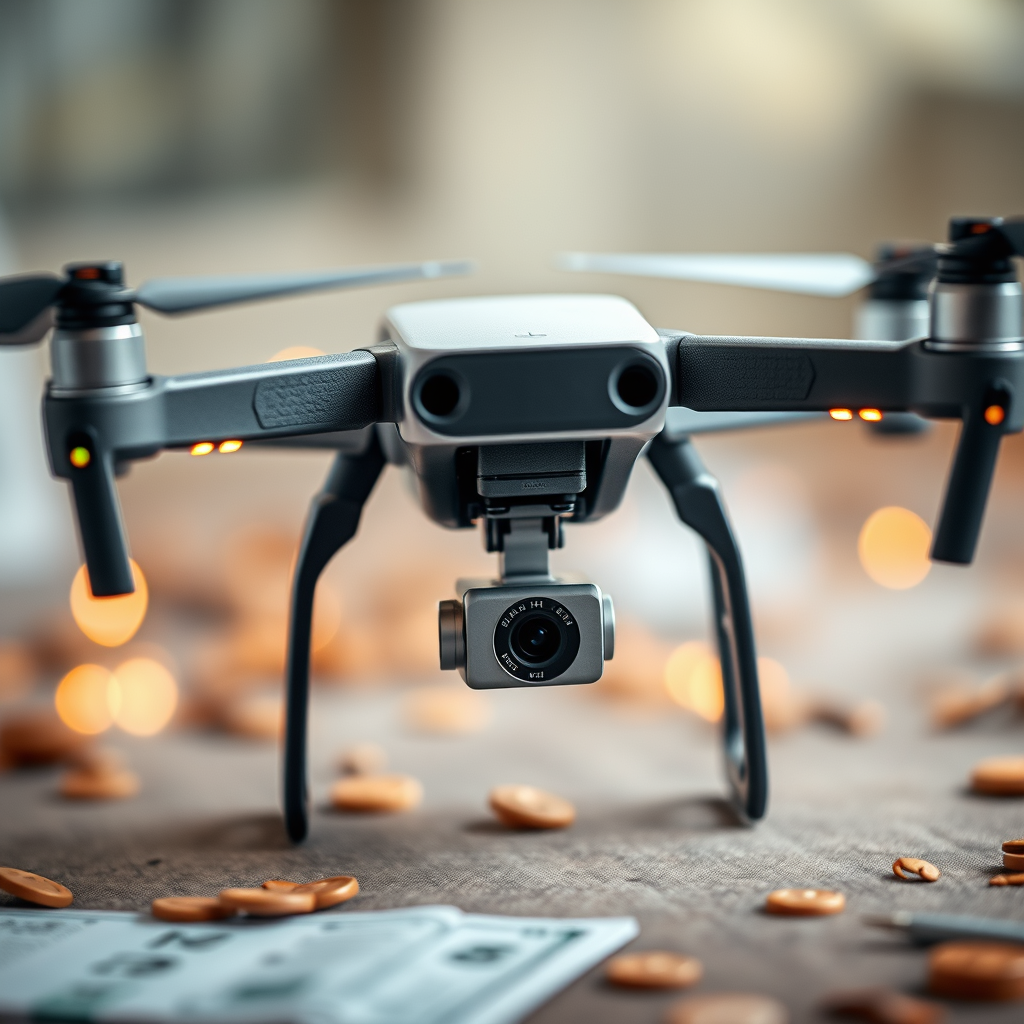
On the other hand, the Freefly Astro Prime is tailored for rugged environments while providing a reliable 5-kilometer radio range. This drone is designed with durability in mind, making it suitable for enterprise applications, including agriculture, construction, and search and rescue operations. The Astro Prime features a modular design, enabling easy upgrades and maintenance, which is a significant advantage for businesses looking to invest in long-term solutions. Its robust build quality ensures that it can withstand harsh weather conditions, and it is equipped with high-resolution imaging capabilities that cater to professional needs. The drone also supports advanced data collection and transmission features, enhancing its functionality in professional settings.
Performance Comparison
When comparing performance, the key difference lies in flight stability and range. The Potensic Atom 3’s longer FPV capability provides more flexibility for extensive aerial surveys and inspections, allowing users to operate at greater distances without sacrificing video quality. However, the Astro Prime’s 5-kilometer radio range is designed to ensure stable control, even in challenging environments.
In terms of battery life, the Atom 3 boasts an impressive flight time of up to 30 minutes under optimal conditions, while the Astro Prime offers around 25 minutes. In real-world scenarios, factors such as wind and payload can affect these durations. Users have reported that the Atom 3 tends to maintain its performance better in windy conditions, thanks to its advanced stabilization systems. Conversely, the Astro Prime excels in rugged terrains where its robust design offers better reliability.
Camera and Imaging Quality
Camera quality is a crucial factor for many drone users, particularly those in the photography and videography sectors. The Potensic Atom 3 features a 4K HD camera with a 120-degree wide-angle lens, which captures stunning visuals with vibrant colors and clarity. Its gimbal stabilization system significantly reduces motion blur, making it an excellent choice for dynamic shooting environments.
In contrast, the Freefly Astro Prime is equipped with a 12-megapixel camera that supports 4K video, but its imaging capabilities are tailored more towards professional applications, focusing on data accuracy rather than sheer visual quality. The Astro Prime’s camera is designed for high-quality data capture, which is essential in fields like surveying and mapping. Moreover, its stabilization features ensure that images and videos remain steady, providing reliable data for analysis. Ultimately, the choice between the two will depend on whether the primary use case is for stunning visuals or precise data collection.
User Experience and Software Features
User experience plays a significant role in the adoption of any drone technology. The Potensic Atom 3 is known for its user-friendly interface, making it accessible for both beginners and experienced pilots. The accompanying mobile app provides intuitive controls and features such as live streaming, automated flight paths, and real-time telemetry data. These features enhance the overall user experience, allowing for seamless operation and control.
The Freefly Astro Prime, while still manageable, may require a steeper learning curve due to its advanced features tailored for professional users. It offers robust software capabilities, including customizable flight modes and extensive telemetry options, which are ideal for enterprise applications but may overwhelm novice pilots. The Astro Prime also supports various third-party apps, allowing users to integrate additional functionalities and tools that enhance its utility in professional environments.
Price and Value Assessment
In terms of pricing, the Potensic Atom 3 is positioned as a more budget-friendly option, making it an attractive choice for hobbyists and small businesses. The overall cost, including essential accessories like extra batteries and carrying cases, remains competitive. However, users should be aware of potential additional costs related to insurance and maintenance, particularly if they plan to use it for commercial purposes.
In contrast, the Freefly Astro Prime typically comes at a higher price point, reflecting its more robust design and professional-grade features. While the upfront investment may be significant, the long-term value is evident, especially for enterprises that require reliable performance in demanding conditions. The modular design allows for upgrades, potentially extending the drone’s lifespan and adaptability to new technologies.
Ideal Use Cases for Each Drone
The Potensic Atom 3 excels in scenarios where extensive aerial coverage and high-quality footage are paramount. It is ideal for recreational users, real estate photography, and educational purposes, where the focus is on capturing stunning visuals and engaging content. Its ease of use and intelligent flight modes also make it suitable for beginners looking to learn the nuances of drone operation.
Conversely, the Freefly Astro Prime is better suited for professional applications in industries such as agriculture, construction, and emergency response. Its rugged design, reliable control, and advanced imaging capabilities make it an indispensable tool for professionals requiring accurate data collection in challenging environments. The Astro Prime is particularly advantageous for users who prioritize durability and reliability over extensive range and ease of use.
The Potensic Atom 3 and Freefly Astro Prime each have their strengths, catering to different needs in the drone market. By considering their features, performance, and value, you can make an informed decision on which drone aligns best with your requirements. Explore your options further by checking reviews and user experiences to find the perfect fit for your enterprise needs.
Frequently Asked Questions
What are the key differences between the Potensic Atom 3 and Freefly Astro Prime in terms of flight range?
The Potensic Atom 3 boasts an impressive FPV flight range of up to 7.5km, allowing for extended aerial exploration and capturing high-quality footage from greater distances. In contrast, the Freefly Astro Prime provides a reliable flight range of 5km, which, while shorter, is still sufficient for many commercial applications. When considering the range, it’s essential to evaluate how you plan to use the drone, as the Atom 3’s extended range may be more beneficial for expansive outdoor projects.
How does the camera quality of Potensic Atom 3 compare to the Freefly Astro Prime?
The Potensic Atom 3 features a high-definition camera that captures stunning 4K video, making it an excellent choice for professionals who prioritize video quality. The Freefly Astro Prime, while equipped with a capable camera, typically supports lower resolutions, which may not meet the needs of those seeking top-tier footage. Therefore, if high-resolution imaging is a significant factor in your decision, the Atom 3 is likely the better option.
Why should I choose the Potensic Atom 3 over the Freefly Astro Prime for enterprise use?
The Potensic Atom 3 is designed with versatility and budget-friendliness in mind, making it an attractive option for enterprises that require cost-effective solutions without sacrificing performance. With its longer flight range and superior camera capabilities, the Atom 3 is ideal for industries like agriculture and surveying, where detailed aerial data is crucial. Conversely, the Freefly Astro Prime may be better suited for specialized applications that require its unique features, so it’s essential to assess your specific enterprise needs.
Which drone offers better battery life: Potensic Atom 3 or Freefly Astro Prime?
The Potensic Atom 3 generally offers a longer battery life, allowing for extended flight times that can reach up to 30 minutes per charge under optimal conditions. The Freefly Astro Prime, while efficient, typically provides slightly shorter flight durations, which could limit its usage for longer projects. When selecting a drone for enterprise tasks, consider the battery life, as it directly impacts your ability to complete jobs without frequent recharges.
What factors should I consider when deciding between the Potensic Atom 3 and Freefly Astro Prime?
When choosing between the Potensic Atom 3 and Freefly Astro Prime, consider factors such as flight range, camera quality, battery life, and specific use cases. Evaluate whether you prioritize a longer range and higher resolution footage or the specialized features that the Astro Prime may offer. Additionally, consider your budget, as the Atom 3 is often more affordable, making it a better fit for budget-conscious enterprises. Ultimately, your choice should align with your operational requirements and the type of projects you plan to undertake.
References
- Drone
- https://www.reuters.com/technology/drone-delivery-service-startups-are-flying-high-2021-03-10/
- https://www.sciencedirect.com/science/article/abs/pii/S2352864821001263
- drones | TechCrunch
- Space | WIRED
- https://www.nasa.gov/audience/forstudents/postsecondary/features/F_Drone_Aircraft.html
- Unmanned Aircraft Systems (UAS) | Federal Aviation Administration
- https://www.aaai.org/Papers/AAAI/2001/AAAI01-002.pdf
