
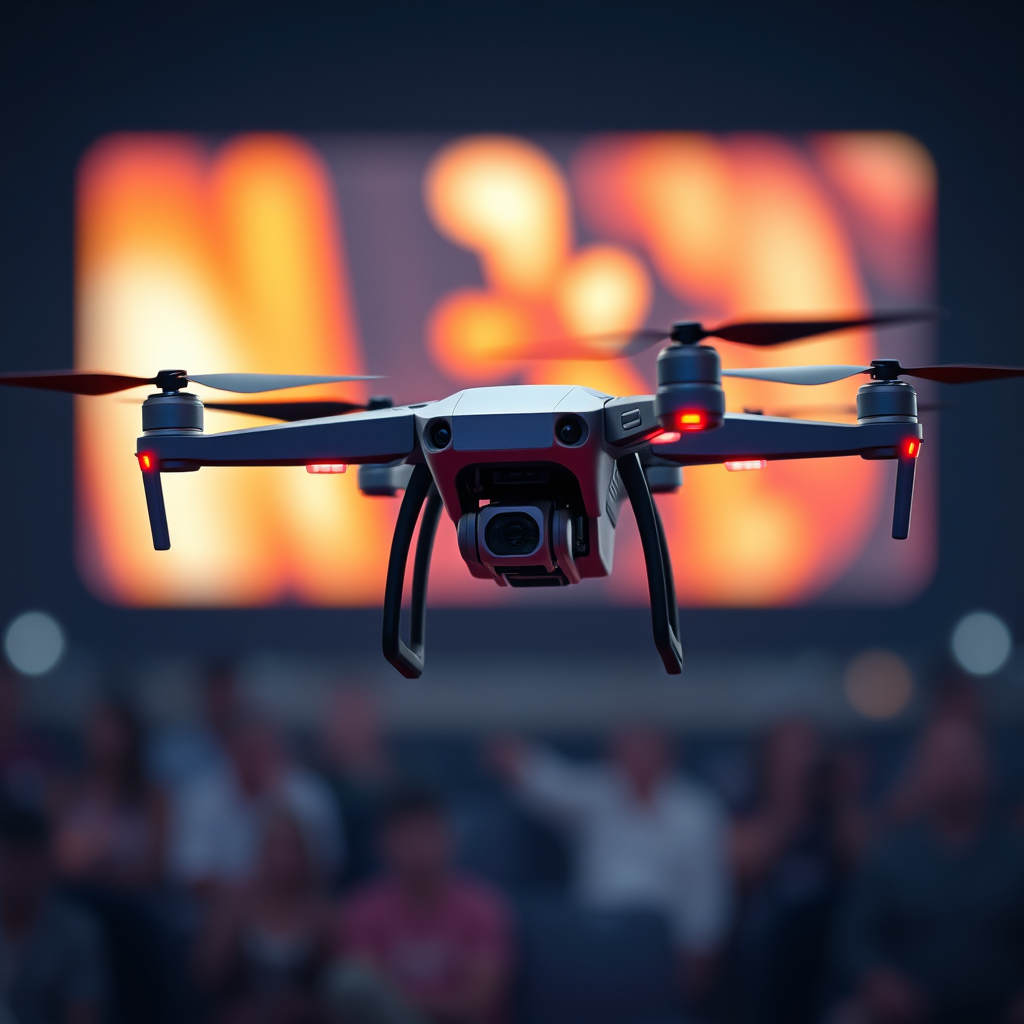
In the realm of long-endurance drones, the AeroVironment Puma LE significantly outperforms the Autel EVO Lite+ V2 with its remarkable 20km radio range, making it a leader in extended operational capabilities. While both drones offer unique features and applications, the Puma LE is tailored for professional use, particularly in military and surveillance operations, whereas the EVO Lite+ V2 excels in consumer and commercial photography with its accessible technology and affordability. This article will delve into the specifications, performance metrics, and real-world applications of both drones, guiding you to determine which model aligns best with your needs.
Overview of Drone Specifications
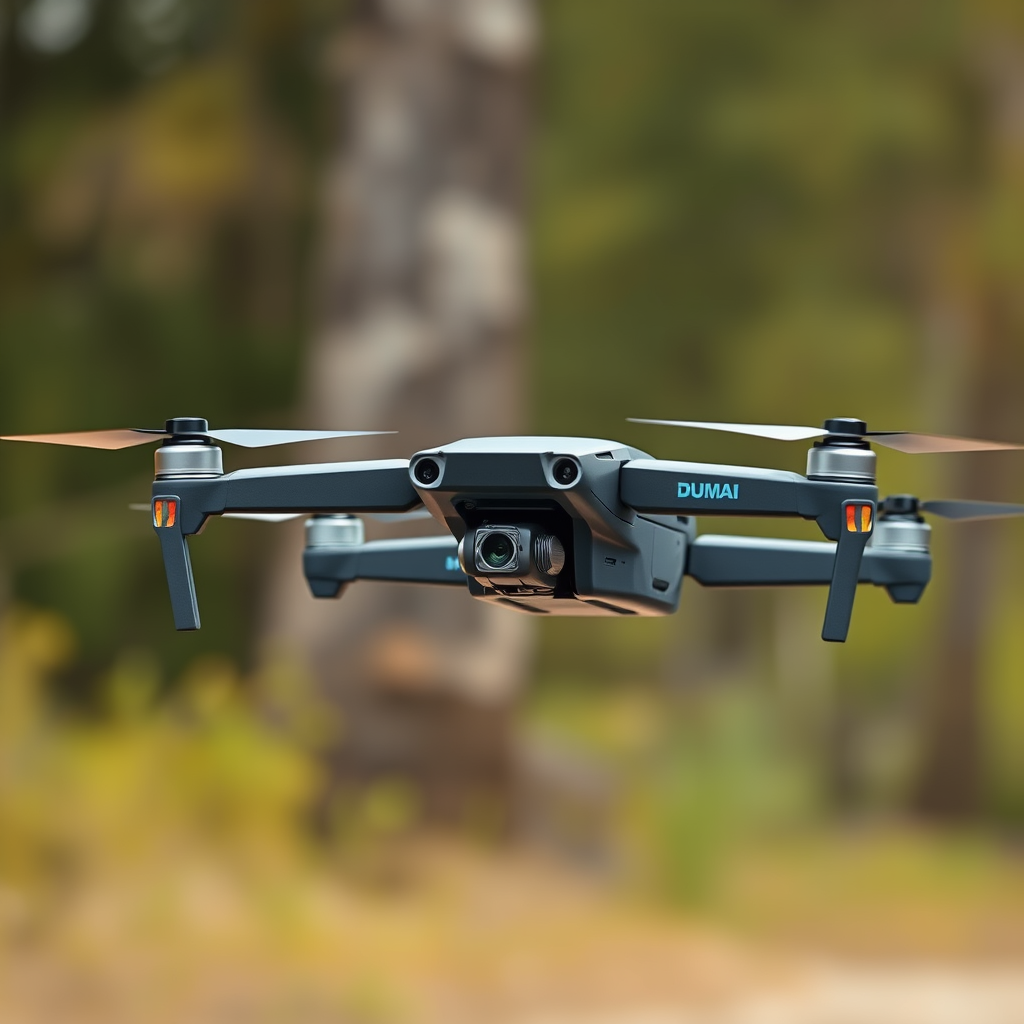
– AeroVironment Puma LE Specs: The AeroVironment Puma LE is engineered for robustness and efficiency, weighing approximately 13.5 pounds (6.1 kg) with a wingspan of 9.2 feet (2.8 meters). Designed for versatility, it can carry a payload of up to 5 pounds (2.3 kg), facilitating a variety of sensors and cameras for reconnaissance or data collection. Its rugged design ensures durability in challenging environments, which is essential for military applications.
– Autel EVO Lite+ V2 Specs: In contrast, the Autel EVO Lite+ V2 is a more compact and consumer-friendly option, weighing around 2.5 pounds (1.1 kg) with dimensions of 7.6 x 4.4 x 5.5 inches (195 x 112 x 140 mm) when folded. It supports a payload capacity suitable for lightweight cameras and accessories, making it ideal for photography and videography. The drone’s size and weight contribute to its portability, allowing users to easily transport it for various applications.
Range and Endurance Comparisons
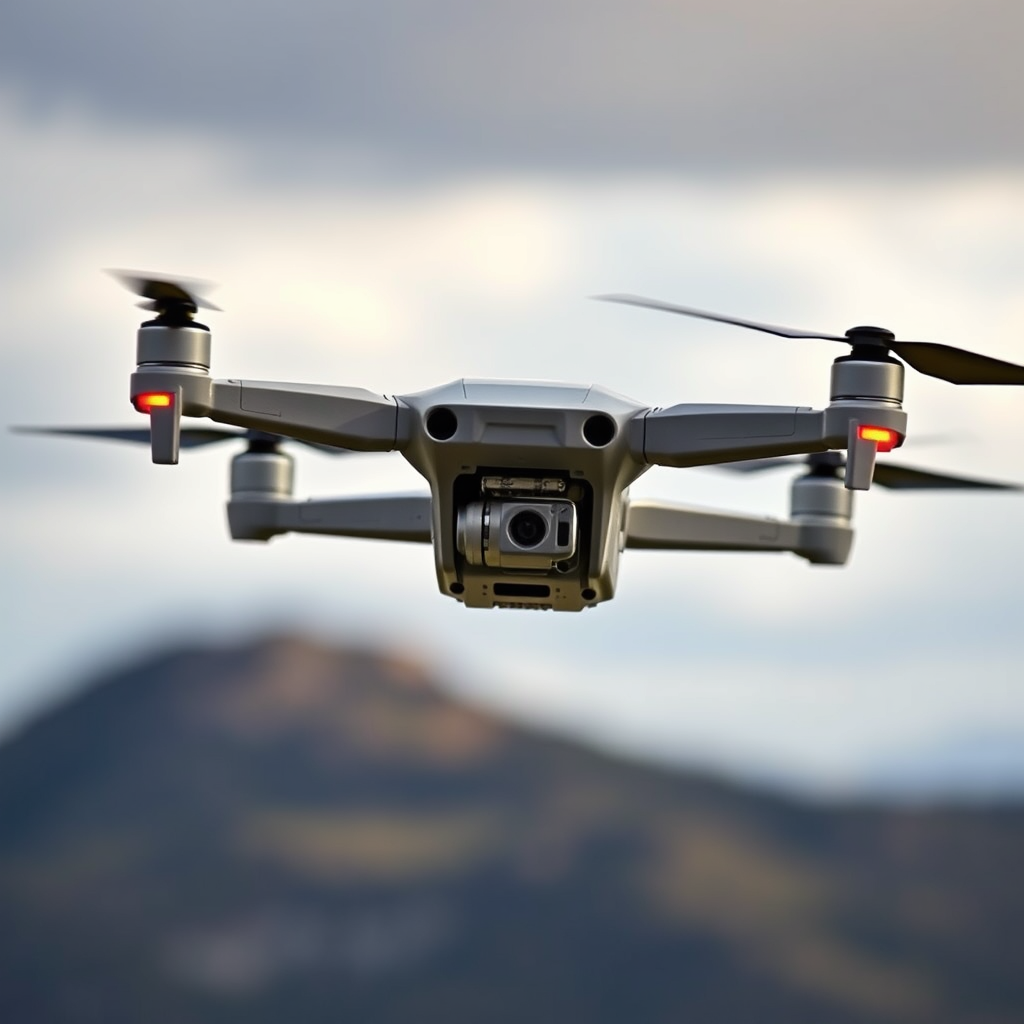
– Radio Range of Puma LE: The Puma LE’s exceptional 20km radio range is a game-changer in drone capabilities, particularly for military and surveillance operations. This extended range allows operators to conduct missions over vast areas without losing connection, which is critical for real-time data collection and reconnaissance. The ability to maintain control over such distances enhances operational flexibility, enabling missions in remote or hazardous environments.
– SkyLink of EVO Lite+ V2: The Autel EVO Lite+ V2, while more limited with a 12km SkyLink capability, is still impressive for its intended use. This range is sufficient for most commercial applications, such as aerial photography and mapping. The practical uses of the EVO Lite+ V2’s range enable users to capture high-quality imagery and video within urban areas or during events without the need for extensive operational distances.
Flight Performance and Stability
– Puma LE Flight Features: The flight performance of the Puma LE is designed for stability and reliability, even in challenging weather conditions. Its advanced flight control systems and robust construction allow it to remain stable during high winds and turbulence, making it a preferred choice for military applications that require precision. The responsiveness of its controls also ensures that operators can execute complex maneuvers with ease, enhancing mission effectiveness.
– EVO Lite+ V2 Flight Dynamics: The EVO Lite+ V2 incorporates cutting-edge stabilization technologies, including a three-axis gimbal, which ensures smooth footage and stability during flight. User feedback highlights its ease of handling, making it accessible for novice pilots while still satisfying experienced users. The drone’s intelligent flight modes, such as Follow Me and Waypoint, allow for automated operations, expanding its usability for various applications.
Camera and Imaging Capabilities
– Puma LE Camera Features: Equipped with high-quality imaging technology, the Puma LE can support various advanced cameras and sensors, including thermal imaging and multispectral cameras. This capability is vital for military reconnaissance and environmental monitoring, providing operators with detailed data collection options. The ability to integrate specialized payloads makes the Puma LE a versatile tool for various complex missions.
– EVO Lite+ V2 Camera Advantages: The Autel EVO Lite+ V2 features a powerful 1-inch CMOS sensor capable of capturing 50MP still images and 6K video at 30fps. This impressive resolution and frame rate cater to videographers and photographers alike, providing high-quality content suitable for professional use. Its versatility in camera settings and conditions makes it an excellent choice for commercial applications, such as real estate photography and event documentation.
Use Cases and Applications
– Puma LE Use Cases: The Puma LE is primarily suited for military, surveillance, and reconnaissance applications. Its long-range capabilities make it ideal for border patrol, search and rescue missions, and environmental monitoring. The drone’s ability to operate in various weather conditions and carry specialized payloads enhances its effectiveness in gathering crucial intelligence and data in real-time.
– EVO Lite+ V2 Applications: The EVO Lite+ V2 is geared more towards commercial and recreational use, excelling in photography and videography. Its portability and advanced camera features make it a go-to option for content creators, real estate agents, and businesses needing aerial imagery. Additionally, its ease of use and intelligent flight modes make it suitable for enthusiasts looking to capture stunning visuals without extensive drone operation experience.
Pricing and Value Assessment
– Cost of Puma LE: The AeroVironment Puma LE typically has a higher price point, often exceeding $100,000, reflecting its specialized design and advanced capabilities. This investment is justifiable for military and government organizations that require high-performance drones for critical missions. Buyers can expect a robust support system and training to maximize the drone’s potential.
– EVO Lite+ V2 Pricing: In contrast, the Autel EVO Lite+ V2 is priced more affordably, generally ranging from $1,000 to $1,500, making it accessible for both commercial users and hobbyists. This competitive pricing, combined with its advanced features, offers excellent value for those looking to capitalize on drone technology without the hefty investment.
User Reviews and Feedback
– Puma LE User Insights: Users of the Puma LE often highlight its reliability and performance in demanding conditions, praising its long-range capabilities and versatility in payload options. However, some users note the steep learning curve associated with operating such advanced technology, underscoring the importance of thorough training.
– EVO Lite+ V2 User Experiences: Feedback for the EVO Lite+ V2 generally reflects satisfaction with its ease of use and high-quality output. Many users appreciate its intuitive controls and impressive camera performance, although some have mentioned limitations in battery life compared to higher-end models. Overall, users find it a comprehensive solution for their aerial imaging needs.
Both drones have unique strengths that cater to different user needs. The Puma LE is unmatched in range and endurance, making it ideal for specific operational tasks, while the EVO Lite+ V2 provides excellent imaging capabilities at a more accessible price point. Evaluate your specific requirements and consider which drone aligns best with your objectives. For detailed product comparisons and purchasing options, check the respective manufacturers’ websites.
Frequently Asked Questions
What are the key differences between the AeroVironment Puma LE and the Autel EVO Lite+ V2?
The AeroVironment Puma LE is primarily designed for military and tactical applications, featuring a rugged design, long flight endurance, and advanced surveillance capabilities. In contrast, the Autel EVO Lite+ V2 is geared towards the consumer and commercial market, offering a 4K camera and intelligent flight features like obstacle avoidance. While the Puma LE boasts a radio range of up to 20 km, the EVO Lite+ V2 operates with a SkyLink range of approximately 12 km, highlighting the Puma’s advantage in long-distance operations.
How does the flight endurance of the AeroVironment Puma LE compare to the Autel EVO Lite+ V2?
The AeroVironment Puma LE excels in long-endurance operations, with flight times of up to 12 hours, making it ideal for extended missions in military scenarios. Conversely, the Autel EVO Lite+ V2 offers a respectable flight time of around 40 minutes under optimal conditions, suitable for commercial and recreational use. Users should consider their specific needs for endurance based on mission requirements when choosing between these two drones.
Why would someone choose the AeroVironment Puma LE over the Autel EVO Lite+ V2?
Someone might choose the AeroVironment Puma LE if they require a robust drone for military applications or extensive surveillance missions. Its superior range of 20 km and long-endurance capabilities make it suitable for tactical situations where durability and reliability are paramount. Additionally, the Puma LE’s advanced technology and adaptability for various payloads position it as a better choice for professionals needing high-performance aerial solutions.
Which drone is better for beginners: the AeroVironment Puma LE or the Autel EVO Lite+ V2?
The Autel EVO Lite+ V2 is more suitable for beginners due to its user-friendly interface, automated flight features, and built-in safety mechanisms such as obstacle detection. It is designed for ease of use, making it accessible for those new to drone flying. In contrast, the AeroVironment Puma LE’s complexity and specialized military features may be overwhelming for novice users, making it less ideal for those just starting in drone piloting.
What are the best use cases for the Autel EVO Lite+ V2 compared to the AeroVironment Puma LE?
The Autel EVO Lite+ V2 is best suited for commercial photography, videography, and recreational use due to its high-resolution camera and intelligent flight modes. Users can leverage its advanced imaging capabilities for creative projects, real estate, and inspections. On the other hand, the AeroVironment Puma LE is tailored for military and surveillance missions, environmental monitoring, and search-and-rescue operations, where long-range capabilities and ruggedness are critical.
References
- Unmanned aerial vehicle
- https://www.nytimes.com/2021/09/14/business/drone-delivery.html
- https://www.reuters.com/technology/drone-technology-advancements-2021-10-12/
- https://www.sciencedirect.com/topics/engineering/unmanned-aerial-vehicles
- Unmanned Aircraft Systems (UAS) | Federal Aviation Administration
- drones | TechCrunch
- https://www.nasa.gov/mission_pages/Global_Hawk/
- https://www.wired.com/category/science/drone/
