
The Amazon MK30 and Freefly Alta 8 Pro represent two distinct approaches to cinematic drone technology, with the MK30 featuring a cutting-edge 5km LTE delivery system and the Alta 8 Pro utilizing a robust 5km radio control mechanism. Choosing between them hinges on your specific operational requirements, filmmaking style, and the environments you intend to work in. This article delves into the key differences between these two drones, providing a comprehensive analysis to help you determine which model aligns best with your needs.
Overview of the Amazon MK30
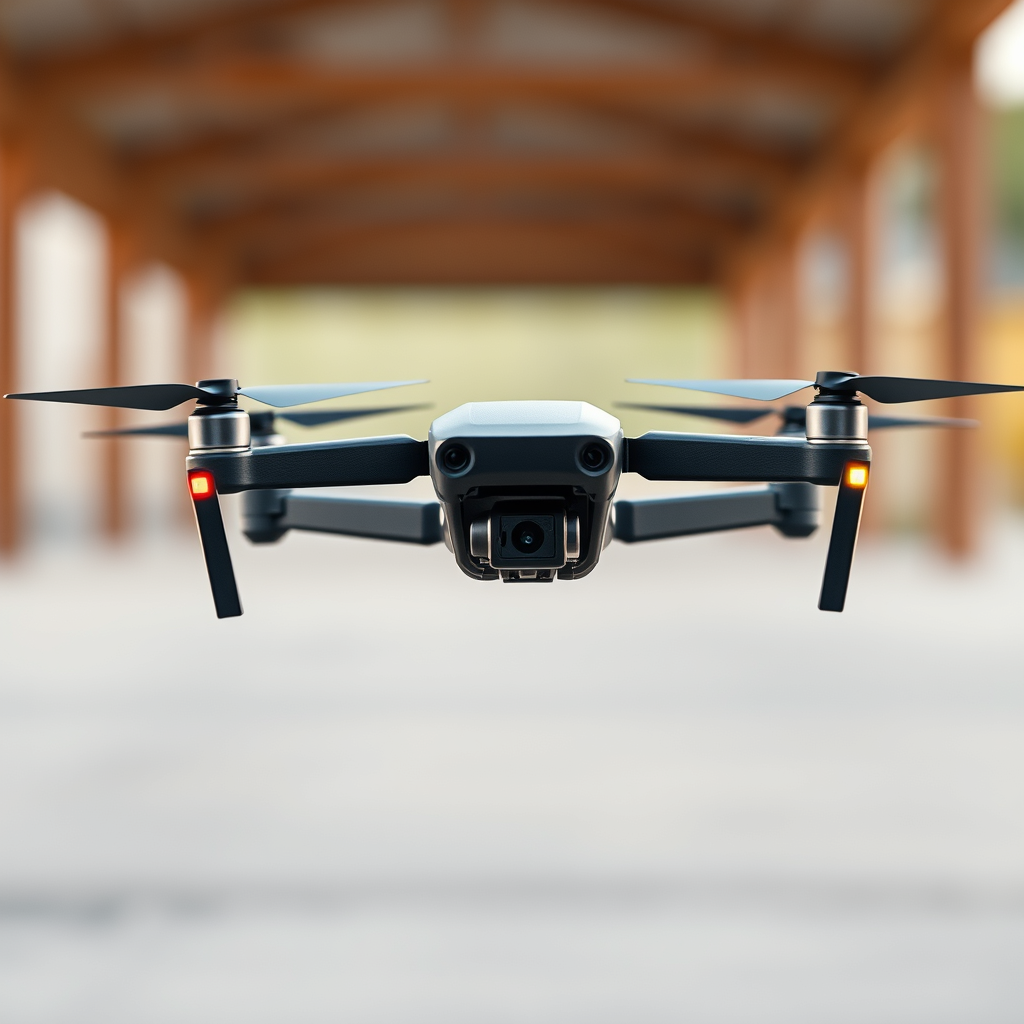
The Amazon MK30 is equipped with advanced LTE connectivity, allowing for real-time video transmission over long distances. This feature is particularly advantageous for filmmakers who require immediate feedback from their aerial shots, enabling timely adjustments during a shoot. The drone is designed for smoother, long-distance delivery operations, making it suitable for expansive filming environments. Furthermore, its lightweight construction enhances maneuverability, while built-in safety features ensure reliable operations in various conditions. With a focus on seamless integration with Amazon’s logistics network, the MK30 is positioned as a versatile tool for both commercial and cinematic applications.
Overview of the Freefly Alta 8 Pro
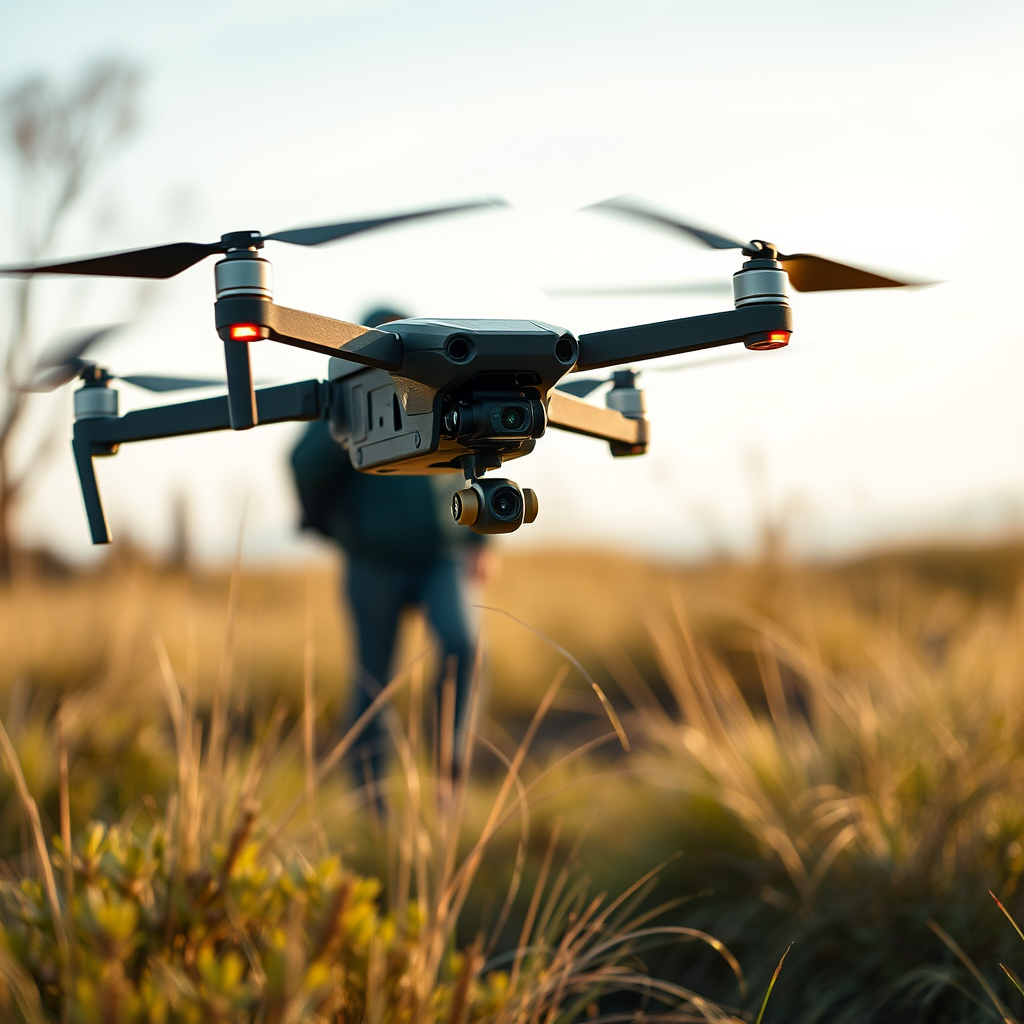
In contrast, the Freefly Alta 8 Pro employs a highly reliable 5km radio control system, known for its robust communication capabilities and exceptional stability, even in windy conditions. This drone is particularly lauded for its high payload capacity, allowing filmmakers to mount professional-grade cameras without compromising flight performance. The Alta 8 Pro’s design is rooted in versatility, accommodating a wide range of camera setups, which makes it the preferred choice for professional cinematographers seeking high-quality aerial footage. Additionally, the drone’s intuitive controls and rugged build ensure that it can withstand the rigors of various filming environments, from bustling cityscapes to remote natural settings.
Performance Comparison
When comparing flight range and operational efficiency, both the Amazon MK30 and Freefly Alta 8 Pro offer impressive capabilities. The MK30’s LTE connectivity provides a stable and responsive link over its 5km range, which is essential for real-time applications such as live streaming or immediate monitoring. However, this performance is contingent upon the availability of cellular networks, which can vary by location.
On the other hand, the Alta 8 Pro’s radio control system ensures a more consistent connection, especially in areas with limited cellular coverage. This can be crucial during extended missions where reliability is paramount. In terms of battery life, the MK30 boasts an endurance of approximately 30 minutes under optimal conditions, while the Alta 8 Pro can achieve similar performance with its dual battery setup, ensuring longer flight times for demanding projects. Both drones provide sufficient battery life for most filming needs, but the choice may depend on the specific requirements of the shoot.
Cinematic Capabilities
Cinematic capabilities are another critical differentiator between these two drones. The Amazon MK30 offers advanced stabilization technology that facilitates smooth footage capture, essential for high-paced action scenes or cinematic storytelling. However, it is primarily designed for use with specific camera configurations, which may limit versatility in some filming scenarios.
Conversely, the Freefly Alta 8 Pro stands out with its ability to carry a wider array of camera systems, from mirrorless to cinema-grade cameras, without sacrificing stability or image quality. The Alta 8 Pro’s gimbal system is renowned for its precision, allowing filmmakers to achieve stunning aerial shots with exceptional clarity and detail. Whether filming a nature documentary or a commercial advertisement, the Alta 8 Pro’s ability to accommodate various filming scenarios makes it a compelling choice for professionals.
User Experience and Control
User experience plays a crucial role in the operational efficiency of both drones. The Amazon MK30 features an intuitive interface that simplifies the flying and filming process, making it accessible for both novices and experienced operators. The integration with Amazon’s software ecosystem enhances its usability, providing operators with a seamless experience from pre-flight planning to post-production.
In contrast, the Freefly Alta 8 Pro caters specifically to professional filmmakers, offering a more complex control system that allows for fine-tuning of various flight parameters. While this may present a steeper learning curve for beginners, it provides experienced users with the precision needed for high-stakes filming. The Alta 8 Pro’s remote controller is designed for responsiveness, ensuring that operators can react swiftly to changing conditions during a shoot.
Cost and Value Analysis
Cost is always a significant consideration when investing in cinematic drones. The Amazon MK30 is competitively priced within the market, particularly for organizations that can leverage its LTE capabilities for commercial applications. Its pricing structure reflects not only the technology embedded within but also the potential for operational efficiencies that can result in cost savings over time.
On the other hand, the Freefly Alta 8 Pro comes at a higher price point, largely attributed to its advanced engineering and superior payload capabilities. For professionals seeking to invest in a versatile drone that can handle a wide range of filming scenarios, the Alta 8 Pro offers substantial value. However, the decision ultimately depends on the specific requirements of your projects and budget constraints.
Use Case Scenarios
When assessing ideal applications for each drone, the Amazon MK30 shines in scenarios where real-time video transmission is critical, such as live events, sports broadcasting, or emergency response situations. Its LTE connectivity allows for immediate feedback and rapid decision-making, making it an excellent choice for dynamic environments.
In contrast, the Freefly Alta 8 Pro is ideal for professional filmmaking, particularly in environments that demand high payload capacity and precise camera control. Its stability in windy conditions makes it suitable for outdoor shoots, while its versatility allows for a range of creative applications—from commercials to feature films. However, potential limitations include its reliance on a more complicated control system and a higher initial investment, which may not be suitable for all users.
Summarizing the key features and capabilities of the Amazon MK30 and Freefly Alta 8 Pro illustrates their respective strengths and weaknesses in the cinematic drone market. Understanding these differences will help you make an informed choice based on your specific needs. For those looking to invest in a drone for filmmaking, consider your priorities such as connectivity, performance, and user experience before making a final decision.
Frequently Asked Questions
What are the key differences between the Amazon MK30 and the Freefly Alta 8 Pro in terms of delivery range?
The Amazon MK30 utilizes a 5km LTE delivery system, which allows for real-time connectivity and the ability to transmit data over cellular networks, making it suitable for urban environments with potential obstacles. In contrast, the Freefly Alta 8 Pro relies on a 5km radio transmission system, which can offer more stable connectivity in remote areas but may face interference in densely populated locations. Understanding these differences is crucial for users, as it affects operational efficiency and reliability in various settings.
How does the payload capacity of the Amazon MK30 compare to the Freefly Alta 8 Pro?
The Amazon MK30 is designed primarily for lightweight deliveries and typically supports payloads of around 2-3 kg, ideal for smaller packages like groceries or documents. On the other hand, the Freefly Alta 8 Pro boasts a much higher payload capacity of up to 8 kg, allowing it to carry heavier and more complex equipment, such as cinema-grade cameras. This significant difference makes the Alta 8 Pro a preferable choice for filmmakers and professional content creators needing to transport substantial gear.
Which drone is better for cinematic applications, the Amazon MK30 or Freefly Alta 8 Pro?
For cinematic applications, the Freefly Alta 8 Pro is generally the better option due to its high payload capacity, advanced stabilization technology, and compatibility with professional camera equipment. Its robust design and superior flight stability allow for capturing high-quality aerial footage, whereas the Amazon MK30 is more tailored for delivery purposes and may not meet the demands of professional cinematography. Therefore, filmmakers should prioritize the Alta 8 Pro for their projects.
Why should I consider LTE connectivity over radio transmission for drone delivery?
LTE connectivity, like that offered by the Amazon MK30, provides several advantages, including the ability to leverage cellular networks for real-time data transmission, which ensures better control and monitoring of the drone. This is particularly beneficial in urban settings where the drone may encounter various obstacles. On the other hand, radio transmission may be more reliable in open spaces but can suffer from interference in crowded areas. Choosing LTE can enhance operational flexibility and efficiency, making it a strong choice for urban drone deliveries.
What are the operational limitations of the Amazon MK30 and Freefly Alta 8 Pro?
The Amazon MK30’s operational limitations primarily stem from its reliance on LTE connectivity, which may not be available in remote areas, potentially restricting its delivery range. Additionally, its lighter payload capacity limits the types of packages it can transport. In contrast, while the Freefly Alta 8 Pro offers a greater payload capacity, its reliance on radio transmission can lead to issues in urban environments where signal interference is common. Understanding these limitations is crucial for users to make informed decisions based on their specific operational needs.
References
- Delivery drone
- https://www.theguardian.com/technology/2021/oct/07/drones-delivery-technology
- https://www.bbc.com/news/technology-57845823
- https://www.sciencedirect.com/science/article/pii/S2352146517300015
- https://www.techcrunch.com/2021/06/01/drone-delivery-technology-advancements/
- https://www.wired.com/story/future-of-drone-delivery/
- https://www.reuters.com/business/aerial-delivery-drones-what-you-need-know-2021-07-23/
- https://www.nist.gov/news-events/news/2021/02/nist-research-drone-delivery-systems
- https://www.itu.int/en/ITU-T/focusgroups/ict4d/Pages/default.aspx
