
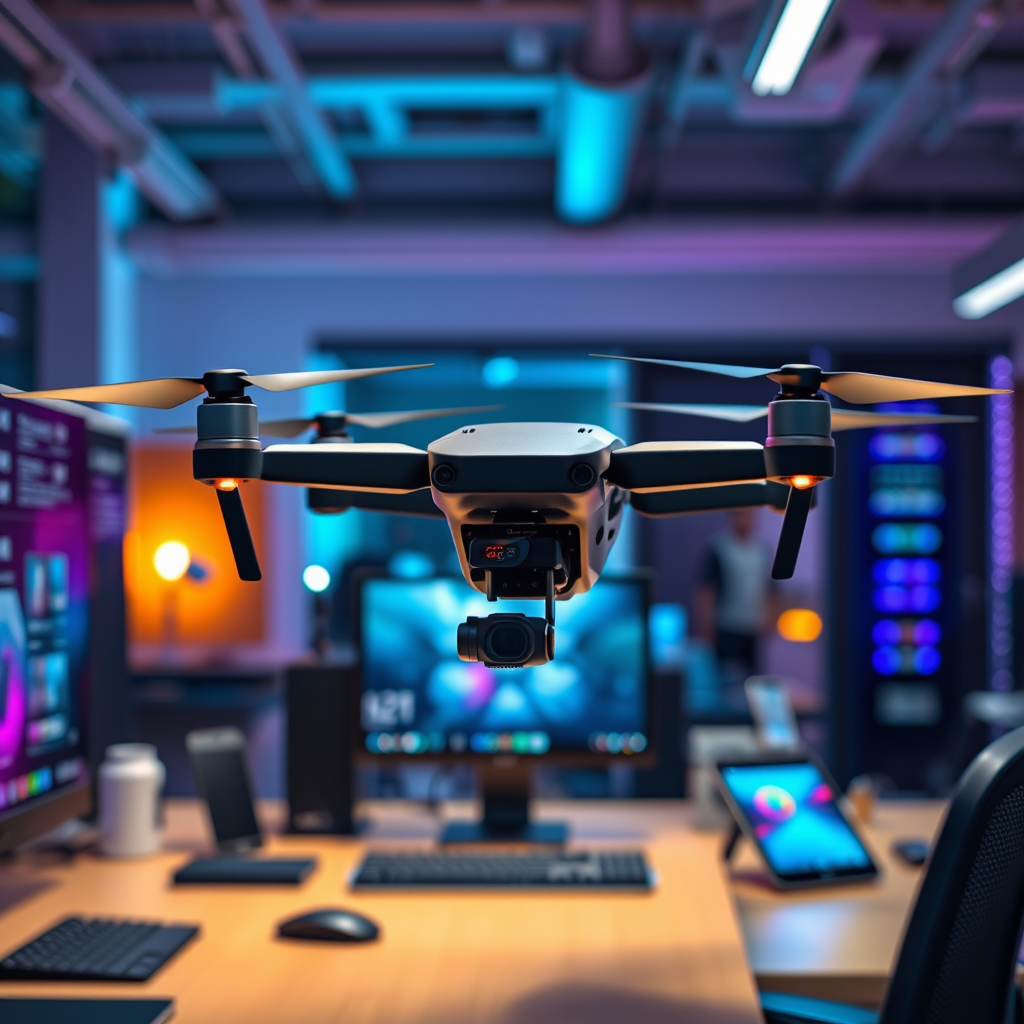
The Yuneec H850 RTK and Flyability Elios 3 are two exceptional drones tailored for aerial inspections, yet they serve distinct operational needs. The H850 RTK stands out with its impressive 9km DataLink, facilitating extensive data transmission over vast areas, while the Elios 3 excels in confined spaces, thanks to its modular design and a Wi-Fi range of 100m. This article will explore their features, performance metrics, and ideal use cases to help you decide which drone best fits your inspection requirements.
Overview of the Yuneec H850 RTK
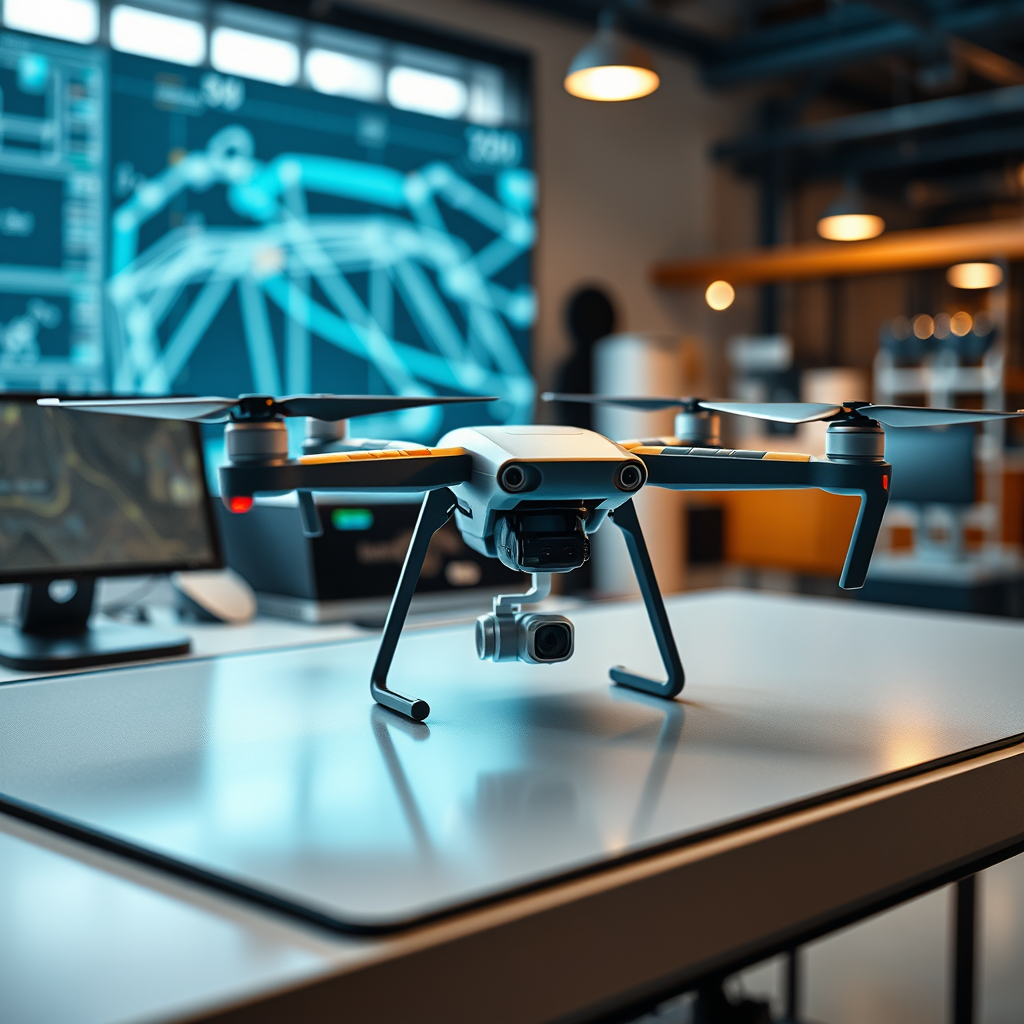
The Yuneec H850 RTK is a powerful tool designed for high-precision aerial mapping and inspections. Equipped with advanced Real-Time Kinematic (RTK) technology, it provides centimeter-level accuracy, making it ideal for surveying and agricultural monitoring. Its 9km DataLink range allows operators to cover large areas without losing connection or data quality, which is particularly beneficial for extensive infrastructure projects or agricultural fields where the drone must fly long distances. The H850 RTK also features a robust camera system capable of capturing high-resolution images and video, enhancing the quality of data collected during inspections.
Overview of the Flyability Elios 3
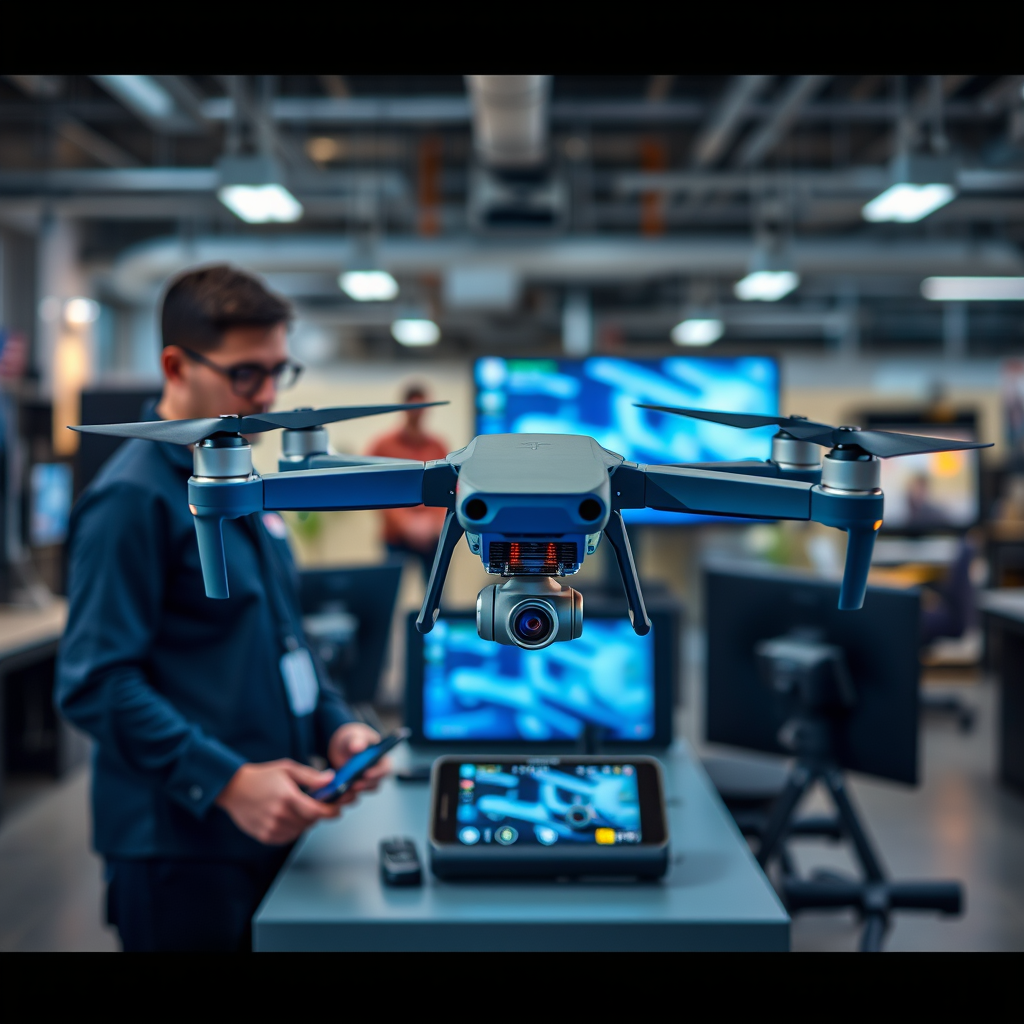
In contrast, the Flyability Elios 3 is engineered specifically for indoor and confined space inspections, making it an invaluable asset for industries like construction, energy, and manufacturing. Its compact and protective casing ensures durability while navigating tight spaces, and its 100m Wi-Fi range is optimized for environments where long-range connectivity is unnecessary. The Elios 3 includes advanced features such as obstacle avoidance and a high-definition camera, which allows for detailed inspections in complex environments. This design prioritizes safety and maneuverability, enabling operators to conduct thorough inspections in challenging conditions.
Comparison of Data Transmission Capabilities
The data transmission capabilities of the Yuneec H850 RTK and Flyability Elios 3 highlight their differing operational focuses. The H850’s 9km DataLink provides unparalleled range, allowing for data acquisition over expansive areas without interruptions. This feature is critical for projects requiring extensive aerial surveys, such as mapping large agricultural fields or inspecting vast infrastructure like bridges and power lines. The long-range capability ensures that operators can gather data efficiently and avoid the need for multiple flights.
On the other hand, the Elios 3’s 100m Wi-Fi connectivity is designed to excel in tight or hazardous environments. While this range is limited compared to the H850, it is sufficient for inspections in confined spaces where maneuverability is paramount. The Elios 3 can navigate through complex structures, such as pipelines and building interiors, ensuring that operators maintain a direct connection with the drone at all times. This aspect of its design is especially valuable in situations where visual feedback is crucial for assessing conditions and making real-time decisions.
Camera and Imaging Technology
When it comes to imaging capabilities, both drones offer distinct advantages tailored to their respective applications. The Yuneec H850 RTK is equipped with a high-resolution camera capable of capturing detailed images and video, essential for surveying and mapping tasks. The sensor’s quality allows for the collection of precise data that can be used for analysis and reporting, making it ideal for industries that require detailed visual documentation.
Conversely, the Flyability Elios 3 features a specialized camera system designed for close-up inspections. Its camera provides high-definition video and images, allowing inspectors to capture critical details in challenging environments. The Elios 3 also includes features such as thermal imaging and low-light capabilities, which are invaluable for detecting issues that may not be visible in standard lighting conditions. This versatility in imaging technology enables inspectors to conduct thorough evaluations and ensure safety compliance in various scenarios.
Flight Time and Battery Life
Battery life and flight time are crucial considerations for any drone operation, particularly in professional inspections where efficiency is paramount. The Yuneec H850 RTK boasts an impressive flight time of approximately 50 minutes under optimal conditions, which is advantageous for covering large areas without the need for frequent recharges. This extended battery life allows operators to complete extensive inspection missions in a single flight, enhancing productivity and reducing operational downtime.
The Flyability Elios 3, while having a shorter flight time of around 20 minutes, is designed for quick, high-frequency inspections within confined spaces. This battery performance is adequate for its intended use case, where rapid assessments are necessary, and the drone can be easily redeployed for successive flights. Although its flight duration may seem limited, the Elios 3’s design and capabilities ensure that operators can maximize each flight’s effectiveness in tightly constrained environments.
Use Cases and Ideal Applications
The Yuneec H850 RTK is particularly suited for applications involving large-scale inspections and mapping. Its long-range capabilities and high-precision data collection make it an excellent choice for agricultural monitoring, where farmers can assess crop health over vast fields, or for infrastructure projects requiring detailed surveys of roads, bridges, and buildings. Its ability to operate in various weather conditions further enhances its versatility as a reliable tool for outdoor inspections.
Conversely, the Flyability Elios 3 shines in specialized scenarios such as building inspections, industrial maintenance, and confined space evaluations. Its robust design allows it to navigate through challenging environments, such as inside tanks, pipelines, or between structural components, making it indispensable for industries that require regular safety assessments. The Elios 3 is also a valuable tool for conducting inspections in hazardous environments, where traditional access methods may pose significant risks to personnel.
Pricing and Value Proposition
When considering the financial aspect, the Yuneec H850 RTK is typically priced higher than the Flyability Elios 3, reflecting its advanced capabilities and long-range performance. The investment in the H850 RTK is justified by its extensive operational range and high precision, which can lead to significant cost savings in data collection and analysis over time. Industries that rely heavily on accurate mapping and inspections will find substantial value in its features.
The Flyability Elios 3, while more affordable, offers a compelling value proposition through its specialized design for confined space inspections. The cost savings associated with avoiding the need for scaffolding or other access equipment can quickly offset the initial purchase price. For businesses focused on indoor inspections or those working in hazardous environments, the Elios 3 presents a cost-effective solution that enhances safety and efficiency.
Both drones offer unique advantages, and understanding their pricing in relation to their features can guide organizations in selecting the right tool for their specific inspection needs.
The Yuneec H850 RTK and Flyability Elios 3 cater to different inspection requirements, with the H850 RTK providing extensive range and precision for large-scale operations, while the Elios 3 is optimized for safety and maneuverability in confined spaces. Ultimately, your choice should depend on your specific operational environment and the nature of the inspections you conduct. By carefully considering the strengths of each drone, you can make an informed decision that enhances your inspection capabilities and drives operational efficiency.
Frequently Asked Questions
What are the key differences between the Yuneec H850 RTK and the Flyability Elios 3 in terms of inspection capabilities?
The Yuneec H850 RTK is designed for aerial mapping and surveying with a robust 9km DataLink range, making it ideal for large-scale inspections. In contrast, the Flyability Elios 3 features a 100m Wi-Fi connection, optimized for close-range inspections in confined spaces such as industrial facilities or infrastructure. This makes the H850 RTK better suited for expansive areas, while the Elios 3 excels in navigating tight, hazardous environments.
How does the 9km DataLink of the Yuneec H850 RTK enhance data collection during inspections?
The 9km DataLink of the Yuneec H850 RTK allows operators to maintain a stable connection over long distances, enabling them to gather high-resolution data in real-time without losing control of the drone. This extended range is particularly beneficial for large industrial sites or expansive agricultural fields, where operators can monitor and collect data from significant distances without needing to reposition frequently.
Why might the Flyability Elios 3 be the better choice for indoor inspections compared to the Yuneec H850 RTK?
The Flyability Elios 3 is specifically engineered for indoor and confined space inspections, featuring a protective cage that allows it to navigate tight environments safely. Its 100m Wi-Fi range is sufficient for most indoor applications, providing a stable connection while avoiding obstacles. This makes the Elios 3 ideal for inspecting infrastructure like tanks, ducts, and other confined areas where traditional drones like the H850 RTK may struggle.
Which drone offers better battery life and flight time for extended inspection tasks?
The Yuneec H850 RTK generally offers a longer flight time of approximately 30-40 minutes depending on conditions and payload, making it suitable for extended aerial surveys. Conversely, the Flyability Elios 3 typically provides around 20 minutes of flight time. For users needing to cover large areas or conduct lengthy inspections, the H850 RTK may be the more efficient option.
What are the primary use cases for the Yuneec H850 RTK versus the Flyability Elios 3?
The Yuneec H850 RTK is best suited for applications such as land surveying, agriculture monitoring, and large-scale infrastructure inspections due to its long-range capabilities and high-accuracy RTK positioning. In contrast, the Flyability Elios 3 excels in scenarios that require inspecting confined spaces, such as power plants, warehouses, and buildings, where its agility and protective design allow for safe and effective operation. Each drone serves distinct purposes based on the inspection environment and requirements.
References
- https://en.wikipedia.org/wiki/Drone_technology
- https://www.flyability.com/eliostech
- https://www.yuneec.com/en_US/products/h520e/
- https://www.nasa.gov/feature/nasa-s-drone-program-expands-into-inspection-and-surveillance
- https://www.sciencedirect.com/science/article/pii/S0925537319301922
- https://www.itu.int/en/ITU-T/air-traffic/Pages/default.aspx
- https://www.researchgate.net/publication/331202212_Comparison_of_drone_inspection_technologies_for_flood_infrastructure
- GovInfo
