

When comparing the Yuneec H850 RTK and the Autel EVO II Dual 640T, the choice largely hinges on your specific operational needs. The Autel EVO II Dual 640T is designed for those prioritizing superior thermal imaging capabilities and extended range, boasting a remarkable 12km SkyLink. Conversely, the Yuneec H850 RTK stands out for its precision and reliable data transmission, characterized by its robust 9km DataLink system. In this article, we will delve into the features, capabilities, and applications of both drones to assist you in making a well-informed decision.
Overview of the Drones
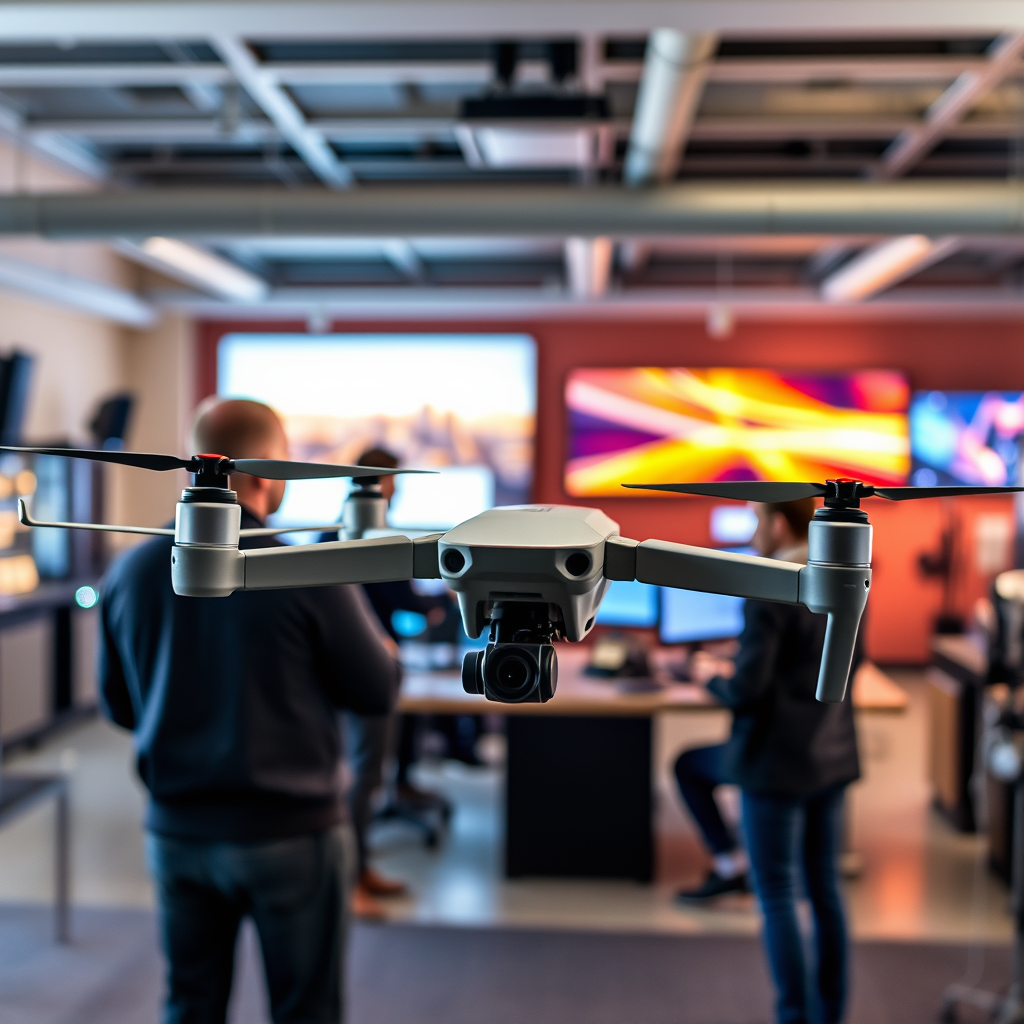
The Yuneec H850 RTK is a versatile and sophisticated drone primarily aimed at professional surveying and mapping applications. This drone is equipped with a high-definition camera and RTK (Real-Time Kinematic) technology, which enhances its positioning accuracy to within a few centimeters. Its robust design and ease of use make it suitable for various industries, including agriculture, construction, and environmental monitoring. The H850 RTK also supports dual-operator controls, allowing for simultaneous piloting and camera operation, thereby enhancing workflow efficiency.
On the other hand, the Autel EVO II Dual 640T is engineered with advanced thermal imaging capabilities, making it an excellent choice for applications requiring precise temperature measurement and detailed thermal analytics. Its dual-camera system combines a 640×512 thermal sensor with an 8K visual camera, allowing users to capture high-resolution images and videos in various environmental conditions. This drone is particularly well-suited for search and rescue operations, security surveillance, and industrial inspections. Both drones are equipped with intelligent flight modes that enhance their usability, but their core functionalities cater to different user needs.
Data Transmission Ranges

The Yuneec H850 RTK utilizes a 9km DataLink system, which provides a stable and reliable connection essential for real-time data transmission. This system is particularly crucial for applications where precise positioning data is required, such as surveying and mapping. The DataLink technology ensures that operators receive uninterrupted telemetry and video feeds, allowing for seamless operation even in challenging environments.
In contrast, the Autel EVO II Dual 640T features a 12km SkyLink transmission system, which offers an extended range for both video and data transmission. This longer range is advantageous for various applications, particularly in expansive areas where operators might need to cover significant distances. The SkyLink system enhances signal integrity and reduces latency, ensuring that operators can maintain control over the drone, as well as receive high-quality video feeds even at great distances. For users who require extensive coverage and operational flexibility, the Autel EVO II Dual 640T’s superior transmission range could be a considerable advantage.
Thermal Imaging Capabilities
The thermal imaging capabilities of the Autel EVO II Dual 640T are among its standout features. It is equipped with a FLIR thermal sensor that can detect temperature variations as subtle as 0.1°C, providing users with detailed thermal data critical for applications such as building inspections, firefighting, and wildlife monitoring. The 640×512 resolution ensures that even the smallest thermal signatures can be identified, facilitating accurate assessments.
In comparison, while the Yuneec H850 RTK does not inherently focus on thermal imaging, it can be outfitted with various payload options, including thermal cameras, depending on the user’s needs. However, it lacks the integrated dual-sensor capabilities of the Autel. Users looking for advanced thermal imaging solutions may find the dual-camera system of the EVO II Dual 640T significantly beneficial, as it ensures that both thermal and visual data can be collected simultaneously, enhancing situational awareness.
Flight Time and Battery Life
The Yuneec H850 RTK offers a flight time of approximately 50 minutes under optimal conditions, which is impressive for a drone of its size and capability. This extended flight duration can significantly enhance productivity, allowing operators to cover larger areas without the need for frequent battery changes. The drone’s intelligent battery management system also helps ensure that the drone operates safely and efficiently throughout its flight.
In contrast, the Autel EVO II Dual 640T provides a flight time of about 40 minutes, which is still competitive within the industry. The battery efficiency of the EVO II Dual 640T allows for consistent performance, making it suitable for extended missions. While the flight time is slightly less than that of the Yuneec H850 RTK, the trade-off may be worth it for users prioritizing thermal imaging capabilities and the extended data transmission range.
Use Cases and Applications
The Yuneec H850 RTK is particularly well-suited for surveying and mapping applications. Its high-accuracy RTK technology allows for precise geospatial data collection, making it invaluable for construction projects, land surveying, and agricultural assessments. Additionally, its capability to operate in dual-operator mode allows for enhanced workflow in professional settings.
On the other hand, the Autel EVO II Dual 640T excels in applications such as search and rescue missions, security surveillance, and industrial inspections. Its thermal imaging capabilities allow for quick identification of heat signatures, which can be crucial in locating missing persons or detecting equipment failures in industrial settings. The versatility and advanced imaging technology make it a preferred choice for professionals in emergency services and security industries.
Pricing and Value for Money
In terms of pricing, the Yuneec H850 RTK typically falls within a higher price bracket due to its advanced surveying capabilities and RTK technology. The investment may be justified for professionals requiring high precision and reliability in their data collection efforts.
Conversely, the Autel EVO II Dual 640T, while also positioned in the premium segment, offers a compelling value proposition with its dual-camera system and extended range. For users who need thermal imaging as a primary function, the features offered by the EVO II Dual 640T may present a more attractive price-to-value ratio, especially when considering its specialized applications.
User Reviews and Feedback
User experiences with the Yuneec H850 RTK frequently highlight its precision and ease of use, particularly in mapping and surveying contexts. Many operators appreciate the dual-operator functionality, which enhances collaboration during complex projects. However, some users have noted the learning curve associated with its advanced features, indicating that prior drone experience may be beneficial.
The Autel EVO II Dual 640T has garnered positive feedback for its thermal imaging capabilities and ease of operation. Users commend the high-resolution thermal sensor and the quality of the visual camera, making it a favorite among emergency responders and security personnel. The reliability of the SkyLink transmission system has also been praised, with many users reporting excellent performance even at longer distances.
In conclusion, both the Yuneec H850 RTK and the Autel EVO II Dual 640T are exceptional drones with unique strengths tailored for different applications. The Yuneec H850 RTK excels in precision and data transmission, making it ideal for surveying and mapping, while the Autel EVO II Dual 640T stands out with its superior thermal imaging capabilities and extended range, catering to search and rescue, security, and industrial inspection needs. Ultimately, your decision should be guided by your primary use cases, budget considerations, and the specific features that best suit your operational requirements.
Frequently Asked Questions
What are the key differences between the Yuneec H850 RTK and the Autel EVO II Dual 640T?
The Yuneec H850 RTK is designed primarily for high-precision aerial surveying and mapping, featuring Real-Time Kinematic (RTK) positioning for enhanced accuracy. In contrast, the Autel EVO II Dual 640T emphasizes versatility with its dual-sensor capabilities, offering both thermal and 4K visual imaging. Additionally, the Yuneec H850 RTK has a DataLink range of 9 km, while the Autel EVO II Dual boasts a SkyLink range of 12 km, which may be crucial for users needing extended operation distances.
How does the thermal imaging capability of the Autel EVO II Dual 640T compare to the Yuneec H850 RTK?
The Autel EVO II Dual 640T features a robust thermal imaging sensor with a resolution of 640×512 pixels, allowing for detailed thermal analysis. On the other hand, the Yuneec H850 RTK lacks a dedicated thermal imaging sensor, making it less suitable for applications requiring thermal data collection, such as search and rescue or infrastructure inspection. For users seeking thermal capabilities, the Autel EVO II Dual 640T is the better option.
Why is the DataLink range of the Yuneec H850 RTK important for drone operators?
The DataLink range of the Yuneec H850 RTK is crucial for drone operators working in complex environments where precise data collection is essential. With a range of 9 km, it allows for reliable communication and data transfer between the drone and the ground control station, ensuring uninterrupted operations, especially in mapping and surveying tasks. This level of connectivity helps in maintaining drone stability and data integrity over longer distances.
Which drone is better for commercial applications: Yuneec H850 RTK or Autel EVO II Dual 640T?
The choice between the Yuneec H850 RTK and the Autel EVO II Dual 640T for commercial applications largely depends on the specific use case. If precision mapping and surveying are the primary focus, the Yuneec H850 RTK with its RTK capabilities is preferable. Conversely, if versatility and thermal imaging are essential, the Autel EVO II Dual 640T stands out due to its dual-sensor system, making it ideal for industries like inspection, firefighting, and agriculture.
How does the modular design of the Autel EVO II Dual 640T enhance its usability?
The modular design of the Autel EVO II Dual 640T enhances usability by allowing operators to easily swap out payloads based on the task at hand. This flexibility means that users can adapt the drone for various applications, whether requiring high-resolution visual data or thermal imaging. This versatility not only extends the drone’s functionality but also provides cost-effectiveness for users who need multiple capabilities in a single platform, making it a valuable investment for diverse commercial needs.
References
- Drone
- https://www.nasa.gov/mission_pages/tdm/tdm.html
- Unmanned Aircraft Systems (UAS) | Federal Aviation Administration
- https://www.reuters.com/technology/drone-technology-2021-06-01/
- https://www.sciencedirect.com/science/article/pii/S2352864821000010
- https://www.bbc.com/news/technology-53786234
- https://www.techrepublic.com/article/how-drones-are-changing-the-future-of-business/
