
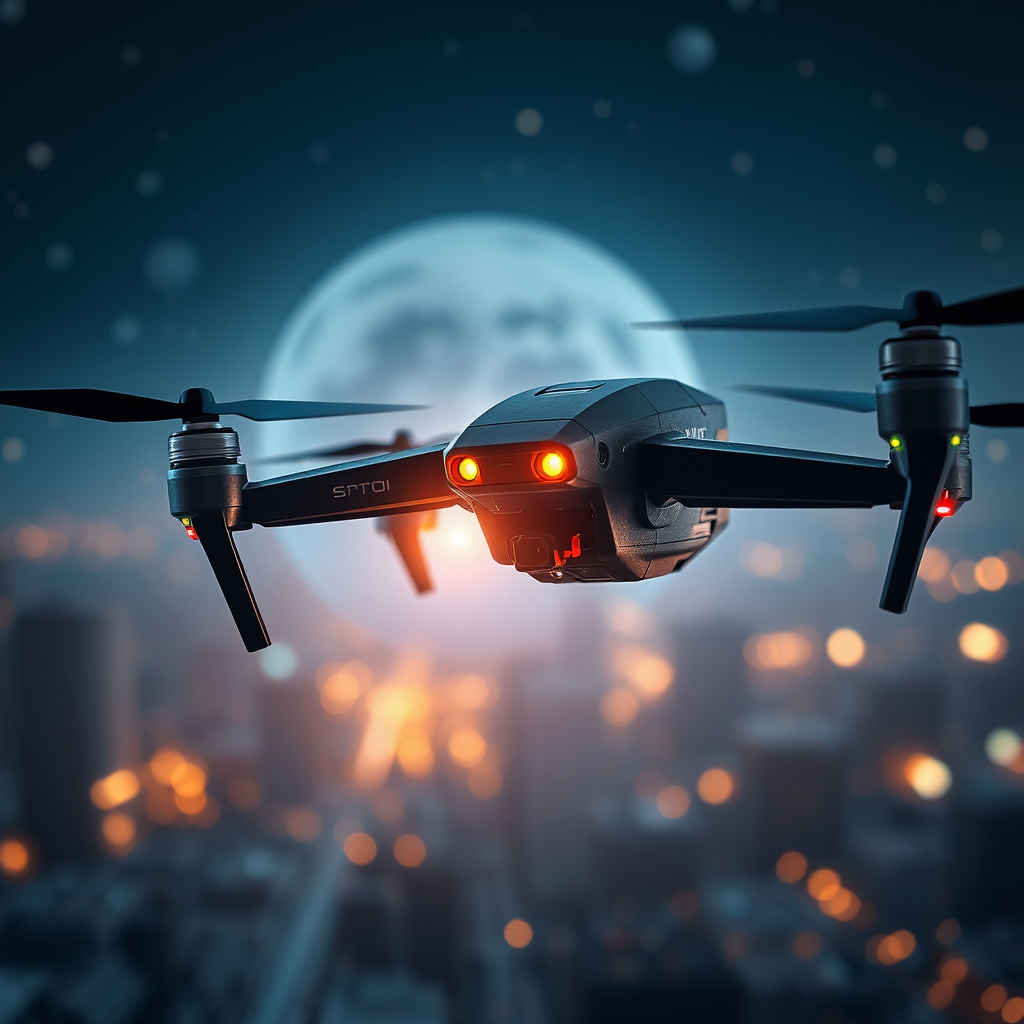
When comparing the Coretronic D16 and Freefly Astro Prime in the 5km radio emerging enterprise market, the key takeaway is that each device offers distinct advantages catering to different operational needs. The Coretronic D16 excels in robust outdoor performance and advanced imaging capabilities, while the Freefly Astro Prime stands out for its lightweight design and innovative stabilization technology. This article will provide a comprehensive comparison of these two devices, examining their features, performance, usability, cost, and real-world applications to help you make an informed choice.
Overview of Coretronic D16
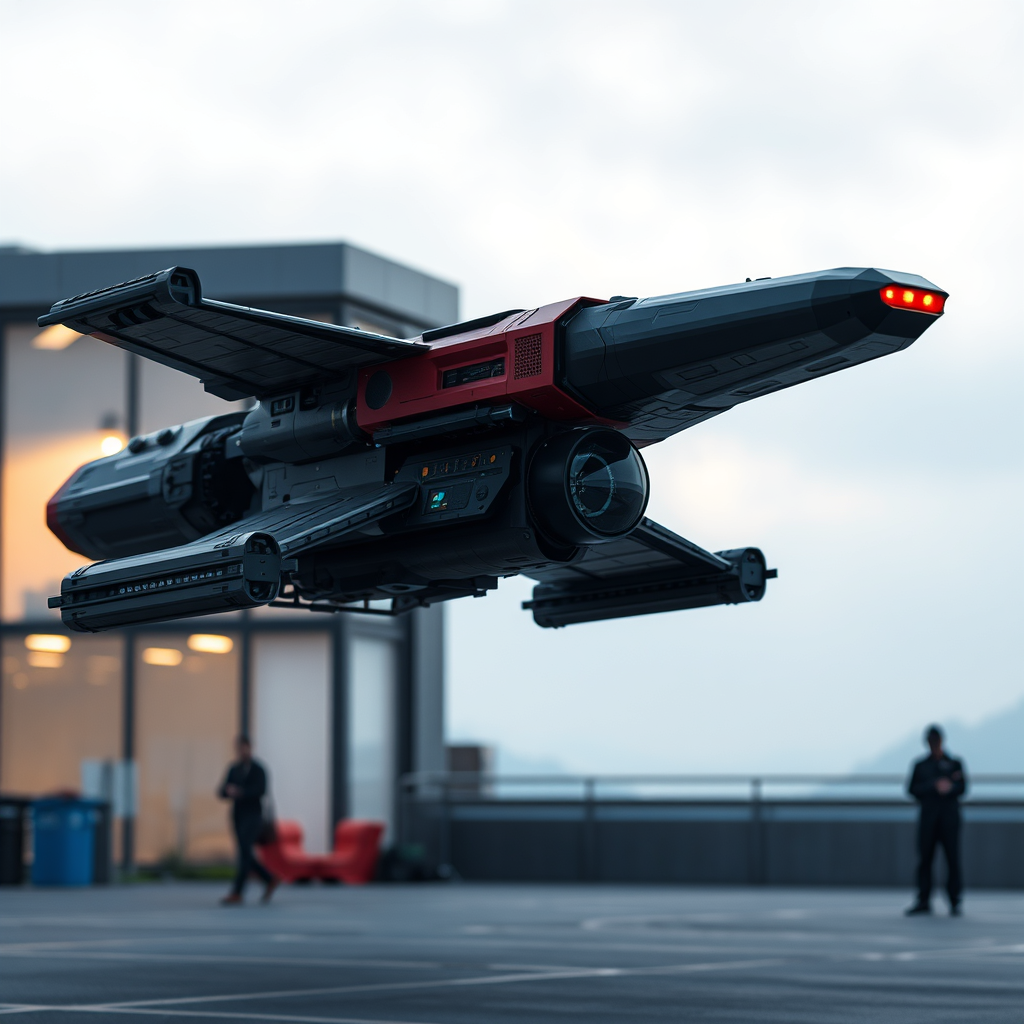
The Coretronic D16 is designed with resilience in mind, featuring a robust structure that can withstand the rigors of outdoor environments. Its casing is engineered to be weather-resistant, which is essential for enterprises operating in diverse climatic conditions. One of its standout features is the advanced imaging technology, which allows for high-definition data capture even at extended ranges. This capability is particularly beneficial for industries such as agriculture, surveillance, and environmental monitoring, where precision and quality are paramount. Additionally, the D16 incorporates powerful radio transmission systems that ensure reliable communication over a 5km radius, making it an ideal choice for enterprise applications requiring extensive coverage.
Overview of Freefly Astro Prime
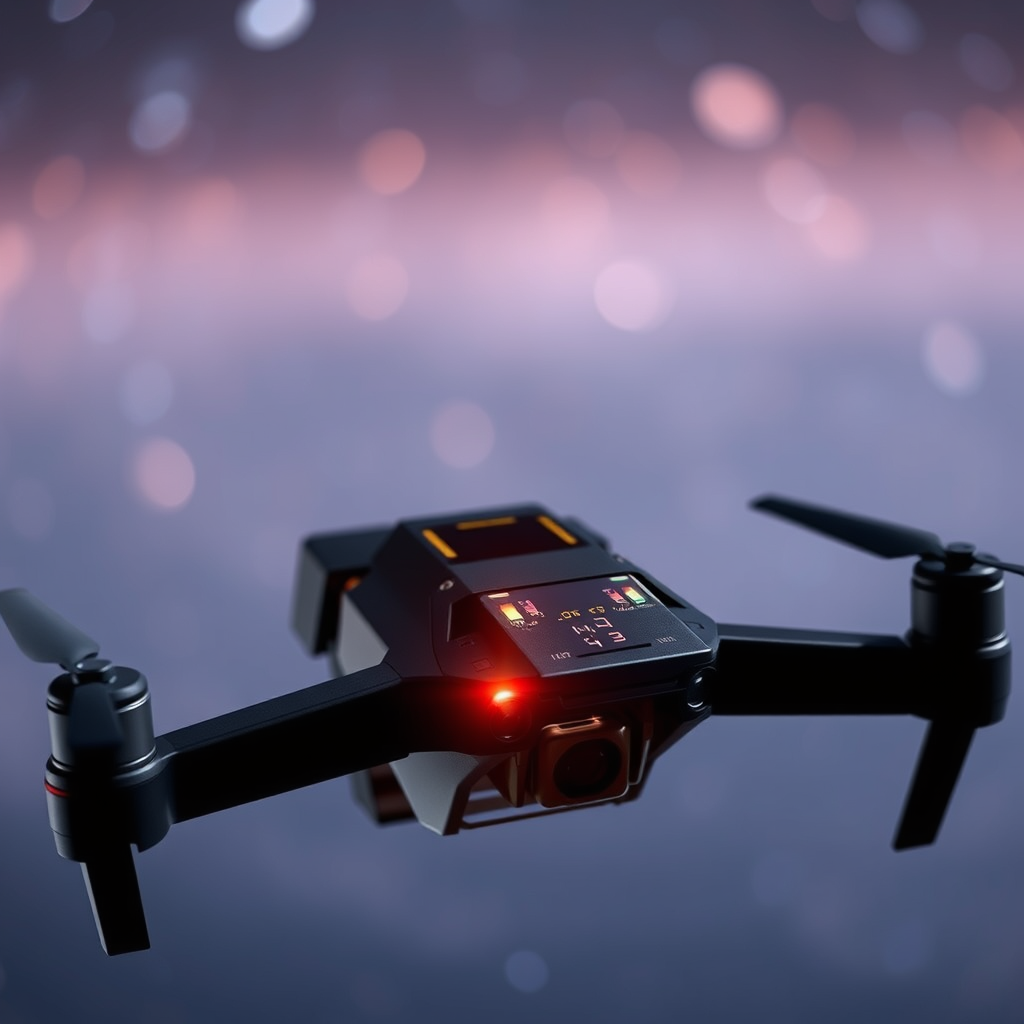
In contrast, the Freefly Astro Prime is renowned for its lightweight and portable design, making it an excellent option for enterprises that prioritize mobility. Weighing significantly less than many of its competitors, the Astro Prime facilitates easy transport and rapid deployment in various scenarios. It employs cutting-edge stabilization technology that ensures smooth operation even in dynamic environments, such as aerial cinematography or real-time data collection in fast-paced industries. The device’s ability to maintain steady performance while capturing high-quality video and imagery is a key selling point, particularly for enterprises focused on content creation or remote monitoring.
Performance Comparison
When analyzing the performance of the Coretronic D16 and Freefly Astro Prime, several critical factors come into play, including transmission range, signal reliability, battery life, and operational efficiency. The Coretronic D16 boasts a commendable transmission range of up to 5km, with a signal reliability that is bolstered by advanced error-correction algorithms. However, it is essential to consider that the operational efficiency can vary based on environmental factors such as obstructions and interference.
On the other hand, the Freefly Astro Prime, while slightly limited in transmission range compared to the D16, compensates with its exceptional signal stability and battery life. Users report longer operational hours under continuous use, which is advantageous for extended missions. This model also performs admirably in challenging conditions, demonstrating a strong ability to maintain signal integrity even when faced with obstacles or adverse weather.
Usability and Interface
The user interface of both devices plays a crucial role in their overall effectiveness. The Coretronic D16 features an intuitive interface that allows users to navigate settings and functionalities with ease. Setup is straightforward, and the device is designed for seamless integration with existing systems, making it a user-friendly choice for enterprises that may lack extensive technical expertise.
Conversely, the Freefly Astro Prime emphasizes a minimalist design that prioritizes simplicity and efficiency. Its setup is quick, with a user-friendly application that provides real-time feedback and control. This interface is particularly appealing to users who need to make rapid adjustments on the fly, such as in filming or remote sensing applications. Furthermore, both devices offer compatibility with various software platforms, enhancing their versatility in enterprise environments.
Cost Analysis
Cost is always a critical factor when investing in enterprise technology, and both the Coretronic D16 and Freefly Astro Prime have distinct pricing strategies. The Coretronic D16 is positioned at a higher price point, reflecting its robust build and advanced imaging capabilities. While the initial investment may be substantial, enterprises should consider the long-term value it provides through high-quality data capture and reliability, which can lead to better-informed decision-making and reduced operational costs over time.
In contrast, the Freefly Astro Prime is more competitively priced, making it an attractive option for startups or smaller enterprises looking to enter the market without a significant upfront investment. However, potential buyers should consider the long-term costs related to maintenance and upgrades. While the initial purchase is lower, the lightweight design may necessitate more frequent repairs or replacements, impacting the overall lifetime cost of ownership.
Use Cases and Applications
Both the Coretronic D16 and Freefly Astro Prime have found their niches in various industries. The D16 is particularly well-suited for applications in agriculture, where high-quality imaging is crucial for crop monitoring and analysis. Its robust nature also makes it ideal for environmental studies, allowing researchers to gather accurate data in remote or challenging locations.
The Freefly Astro Prime, with its emphasis on portability and stabilization technology, is preferred in the filmmaking industry, where capturing dynamic shots is essential. Its lightweight design makes it an excellent choice for aerial photography and live event coverage, where mobility and quick setup can significantly enhance production value. User testimonials highlight the Astro Prime’s ability to deliver stunning imagery while maintaining ease of use, particularly in fast-moving scenarios.
Final Thoughts on Selection
Ultimately, the decision between the Coretronic D16 and Freefly Astro Prime should be based on your specific needs and operational priorities. If your enterprise demands high-quality imaging and robust durability for extreme environmental conditions, the Coretronic D16 may be the superior option. Conversely, if portability, ease of use, and fast deployment are your primary concerns, the Freefly Astro Prime could be the better fit. It is essential to weigh budget constraints against the performance requirements and potential applications of each device to make the best choice for your enterprise.
In summary, both the Coretronic D16 and Freefly Astro Prime hold their own in the competitive 5km emerging enterprise market. By understanding the strengths and weaknesses of each device, you can align your choice with your operational needs and budget considerations. For personalized advice or further information, do not hesitate to reach out to experts in the field who can provide additional insights tailored to your specific situation.
Frequently Asked Questions
What are the key features that differentiate the Coretronic D16 from the Freefly Astro Prime?
The Coretronic D16 and the Freefly Astro Prime have distinct features tailored to different operational needs. The D16 is known for its advanced imaging technology and longer battery life, making it ideal for extended aerial surveillance. In contrast, the Astro Prime excels in real-time data transmission and has a more robust build for rugged environments, catering to industries that require high durability and reliability during operations.
How do the flight ranges of the Coretronic D16 and Freefly Astro Prime compare in real-world scenarios?
Both the Coretronic D16 and Freefly Astro Prime boast a flight range of up to 5 km, but real-world performance can vary based on environmental factors. The D16 often maintains a stable connection in urban settings, while the Astro Prime is designed to perform consistently in challenging terrains, thanks to its superior radio technology. Users should consider their specific operational environment when choosing between the two.
Why should I choose the Coretronic D16 over the Freefly Astro Prime for enterprise applications?
If your enterprise application prioritizes high-resolution imaging and longer flight times, the Coretronic D16 may be the better choice. Its enhanced camera capabilities are beneficial for industries such as agriculture and infrastructure inspection, where detailed visual data is crucial. However, if your operations require tight maneuverability and resilience in harsh conditions, the Freefly Astro Prime could be more suitable.
Which drone is better suited for outdoor events: Coretronic D16 or Freefly Astro Prime?
For outdoor events, the Freefly Astro Prime is generally the better option due to its rugged design and advanced signal stability, which can handle unpredictable weather and interference. Its ability to maintain a strong connection over long distances makes it ideal for capturing event footage without interruption. The Coretronic D16, while excellent for detailed imaging, may face challenges in harsh outdoor conditions.
What are the maintenance considerations for the Coretronic D16 and Freefly Astro Prime?
Maintenance for both the Coretronic D16 and Freefly Astro Prime is critical for ensuring longevity and optimal performance. The D16 requires regular camera calibration and battery checks, while the Astro Prime benefits from routine inspections of its radio systems and physical components to ensure durability. Users should follow manufacturer guidelines and schedule periodic maintenance to avoid performance issues during operations.
References
- Drone
- https://www.sciencedirect.com/science/article/pii/S2352864821000948
- https://www.techrepublic.com/article/understanding-the-difference-between-drone-types-and-uses/
- https://www.bbc.com/news/technology-45029651
- https://www.nytimes.com/2021/01/12/technology/drone-regulations.html
- https://www.nist.gov/news-events/news/2021/07/making-sense-drone-technology-and-its-impact-industry-and-society
- https://www.wired.com/story/the-evolution-of-drone-technology/
