
The Lucid Sanitization Drone, with its 2km Wi-Fi range, is ideal for local sanitization tasks, while the Autel EVO II Pro V3, boasting an impressive 12km SkyLink capability, excels in extensive cleaning operations. This article delves into a detailed comparison of both drones, evaluating their capabilities, performance, and specifications to assist you in determining which model best fits your cleaning and sanitization needs.
Overview of the Drones
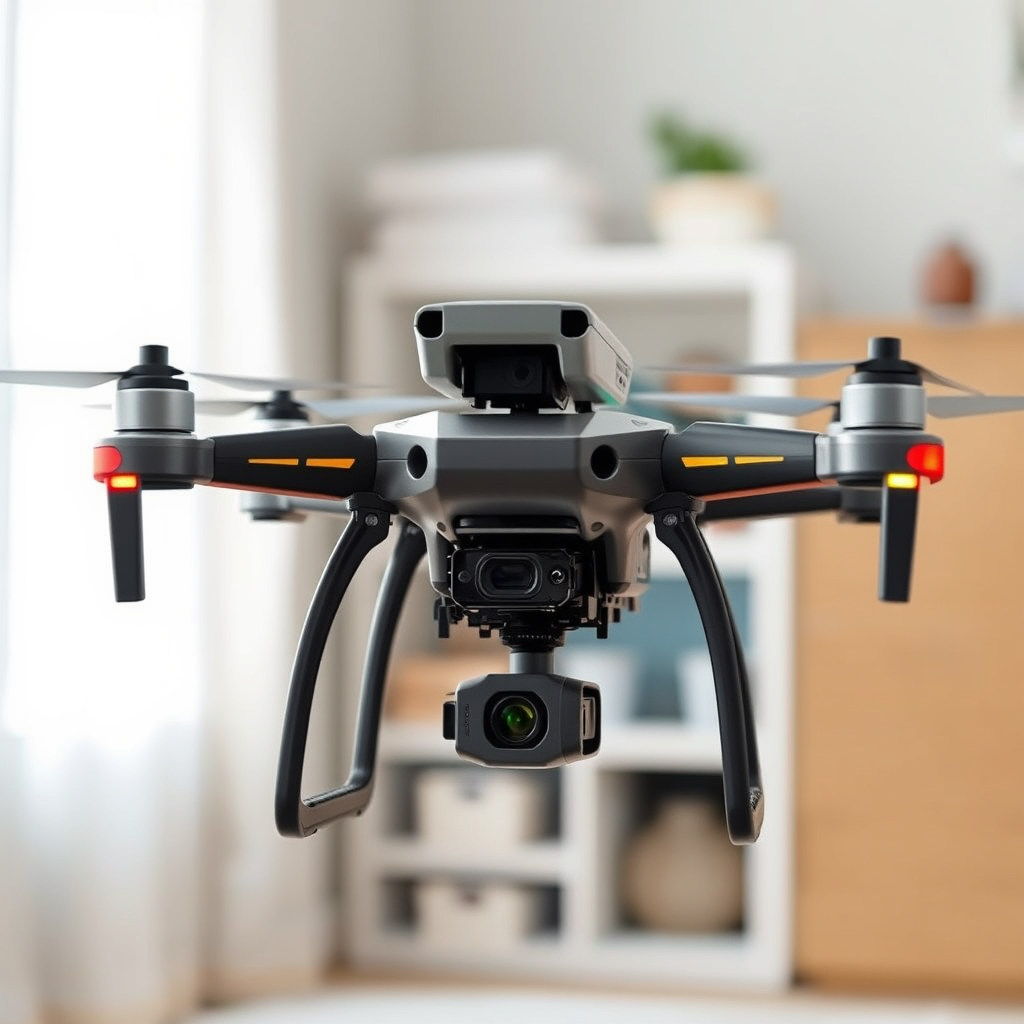
The Lucid Sanitization Drone is specifically designed for the purpose of disinfecting large areas quickly and efficiently. Equipped with advanced sanitization technology, it utilizes UV-C light and aerosolized disinfectants to neutralize pathogens on surfaces from the air, making it highly effective for environments such as hospitals, schools, and public spaces. Its design focuses on ease of operation and effectiveness in delivering sanitization solutions.
On the other hand, the Autel EVO II Pro V3 is a versatile drone that stands out due to its remarkable camera specifications and extended flight capabilities. With a high-resolution 6K camera, it not only excels in capturing stunning aerial footage but also offers robust flight features that enhance its operational versatility. This drone is well-suited for a variety of applications, including surveying, mapping, and, importantly, cleaning and sanitization tasks when combined with appropriate attachments.
Range and Connectivity
The Lucid Sanitization Drone operates within a 2km Wi-Fi range, which is adequate for smaller areas or confined spaces. Its connectivity ensures that users can easily control the drone and monitor its sanitization progress in real-time. However, this limited range may pose challenges for larger facilities or outdoor areas, requiring multiple flights to cover extensive regions.
In contrast, the Autel EVO II Pro V3 leverages its 12km SkyLink technology, allowing for significantly greater operational range. This extended connectivity not only facilitates longer flights but also ensures a stable connection with the drone, even at impressive distances. This feature is particularly advantageous for large industrial sites or expansive outdoor events that require thorough sanitization efforts without the need for constant repositioning.
Cleaning Efficiency
The Lucid Sanitization Drone employs sophisticated cleaning mechanisms designed for effective pathogen elimination. Its UV-C light technology can cover large surface areas quickly, while its aerosolized disinfectant delivery system ensures thorough sanitization of hard-to-reach places. The combination of these technologies allows it to operate efficiently in various settings, ensuring compliance with health and safety standards.
Conversely, the Autel EVO II Pro V3 is not inherently a sanitization drone but can be adapted for cleaning tasks through the integration of specialized attachments. The drone’s versatility allows it to carry various payloads, making it possible to utilize different cleaning solutions, such as disinfectant sprays and misters. This adaptability enhances its efficiency for businesses looking to customize their cleaning approach based on specific needs and environments.
Camera Quality and Reporting
The Lucid Sanitization Drone features a built-in camera that helps operators monitor the sanitization process and ensure thorough coverage. While its primary focus is on cleaning, the camera’s specifications are adequate for basic surveillance and documentation of the cleaning operation. This ability to visually confirm cleaning progress can be crucial in maintaining transparency and accountability, especially in regulated environments.
In comparison, the Autel EVO II Pro V3’s 6K camera offers exceptional image quality, allowing for detailed visual reporting and data collection. This high-resolution capability is beneficial for documenting the cleaning process, helping businesses create comprehensive reports on their sanitization efforts. The advanced imaging features also enhance the drone’s utility in other applications, making it a versatile tool for various industries.
Flight Time and Battery Life
When it comes to battery life and flight time, the Lucid Sanitization Drone typically provides about 20-30 minutes of flight time, depending on the payload and operational conditions. While this duration is sufficient for smaller cleaning tasks, larger jobs may require multiple battery changes or careful planning to optimize flight time.
In contrast, the Autel EVO II Pro V3 excels in battery performance, offering an impressive flight time of up to 40 minutes under optimal conditions. This extended battery life significantly enhances its cleaning capabilities, allowing for more extensive coverage without the need for frequent recharging. The longer flight duration means that users can conduct more thorough cleaning operations in a single session, increasing overall efficiency.
User Experience and Control
The Lucid Sanitization Drone is designed with user-friendliness in mind. Its interface is straightforward, allowing operators to easily set sanitization parameters and monitor the drone’s progress. The controls are intuitive, making it accessible even for users who may not have prior drone experience. This ease of use is particularly important in high-stakes environments where efficient operation is critical.
The Autel EVO II Pro V3 offers a more complex user experience, with a robust app that enhances control and functionality. The app provides various features, including live video streaming, customizable flight paths, and advanced settings for different payloads. While the learning curve may be steeper for new users, the extensive functionalities and control options available make it a powerful tool for those willing to invest the time to master its capabilities.
Pricing and Value
In terms of pricing, the Lucid Sanitization Drone is positioned as a specialized tool for cleaning and sanitization, typically costing less than the Autel EVO II Pro V3. The features it offers are specifically tailored for sanitization tasks, providing good value for businesses focused on health and safety compliance.
The Autel EVO II Pro V3, being a more versatile drone, comes at a higher price point, justified by its advanced camera capabilities and extended range. For businesses or individuals that require a multifaceted drone for various applications beyond just sanitization, the investment in the EVO II Pro V3 may prove worthwhile.
The decision on which drone to choose should be based on the specific needs of the user. Those seeking a dedicated sanitization solution may find the Lucid drone to be the better option, while those looking for a multifunctional device that can perform a range of tasks might lean towards the Autel EVO II Pro V3.
The Lucid Sanitization Drone and the Autel EVO II Pro V3 both offer unique advantages suited for different cleaning needs. The choice between them largely depends on the required range, cleaning efficiency, and specific functionalities pertinent to your tasks. Consider your priorities—whether it’s extensive range, camera quality, or specific sanitization features—and make an informed decision. For those looking to purchase, evaluating real-world performance through user reviews can also provide valuable insights before making a commitment.
Frequently Asked Questions
What are the key differences between the Lucid Sanitization Drone and the Autel EVO II Pro V3?
The Lucid Sanitization Drone is specifically designed for sanitization tasks, featuring a sprayer system for disinfectant solutions, while the Autel EVO II Pro V3 is a versatile drone known for its exceptional camera quality and flight range. The Lucid Drone operates with a 2km Wi-Fi range focused on efficient cleaning, whereas the Autel EVO II Pro V3 utilizes SkyLink technology that extends its operational range up to 12km, making it ideal for broader aerial photography and videography tasks.
How does the cleaning efficiency of the Lucid Sanitization Drone compare to the capabilities of the Autel EVO II Pro V3?
The Lucid Sanitization Drone is optimized for cleaning, featuring specialized nozzles and spray patterns to ensure thorough coverage of disinfectant solutions over surfaces. In contrast, while the Autel EVO II Pro V3 can carry payloads, it lacks specific features tailored for sanitization, making it less efficient for cleaning tasks. Thus, for dedicated sanitization, the Lucid Drone is the better choice, while the Autel excels in photography and general aerial operations.
Which drone is better for outdoor use, the Lucid Sanitization Drone or the Autel EVO II Pro V3?
The Autel EVO II Pro V3 is generally better suited for outdoor use due to its longer range of 12km and superior wind resistance, allowing for stable flights even in challenging conditions. The Lucid Sanitization Drone, while effective for indoor and localized outdoor sanitization tasks, may be limited by its 2km operational range. Therefore, if the objective is to cover larger outdoor areas or gather aerial data, the Autel EVO II Pro V3 is the preferred option.
Why should I choose the Lucid Sanitization Drone for sanitization over other drones?
The Lucid Sanitization Drone is purpose-built for sanitization, equipped with a specialized spray system that evenly distributes disinfectants, ensuring effective coverage. Its design allows for efficient operation in public spaces, such as schools and hospitals, where sanitation is crucial. Unlike general-purpose drones, this model focuses on safety and public health, making it a reliable choice for organizations seeking to enhance their sanitization efforts.
What features make the Autel EVO II Pro V3 a top choice for aerial photography compared to the Lucid Sanitization Drone?
The Autel EVO II Pro V3 stands out for its impressive 6K camera resolution, 1-inch sensor, and advanced obstacle avoidance technology, making it ideal for capturing high-quality images and videos. Its extended flight range of 12km allows for expansive coverage, while its intelligent flight modes facilitate creative aerial shots. In contrast, the Lucid Sanitization Drone lacks advanced imaging capabilities, focusing instead on sanitization, thus positioning the Autel as the superior choice for those interested in aerial photography and videography.
References
- Drone
- https://www.bbc.com/news/technology-57061127
- https://www.sciencedirect.com/science/article/pii/S235286482100051X
- https://www.nytimes.com/2021/07/23/business/drone-use.html
- https://www.theguardian.com/technology/2021/jan/13/drones-in-covid-19-pandemic
- https://www.wired.com/story/drones-using-uv-light-kill-germs/
