
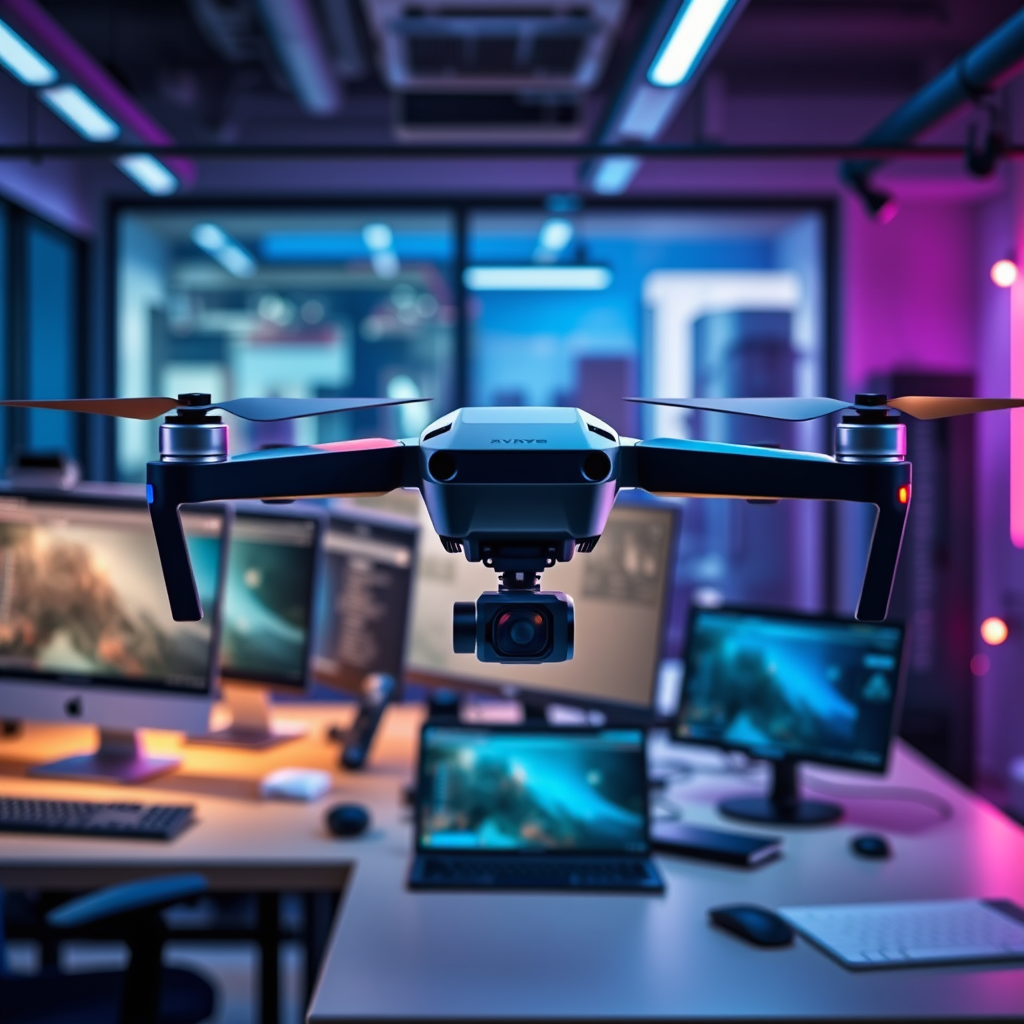
The Yuneec Typhoon H3 and the Anzu Raptor T are both sophisticated drones that cater to distinct needs, with the Typhoon H3 featuring a 7km DataLink for enhanced communication and aerial photography, while the Anzu Raptor T stands out with its NDAA-compliant design and versatile 360-degree gimbal. This article delves into their key differences, advantages, and specific use cases to help you determine which drone aligns best with your requirements.
Overview of the Yuneec Typhoon H3
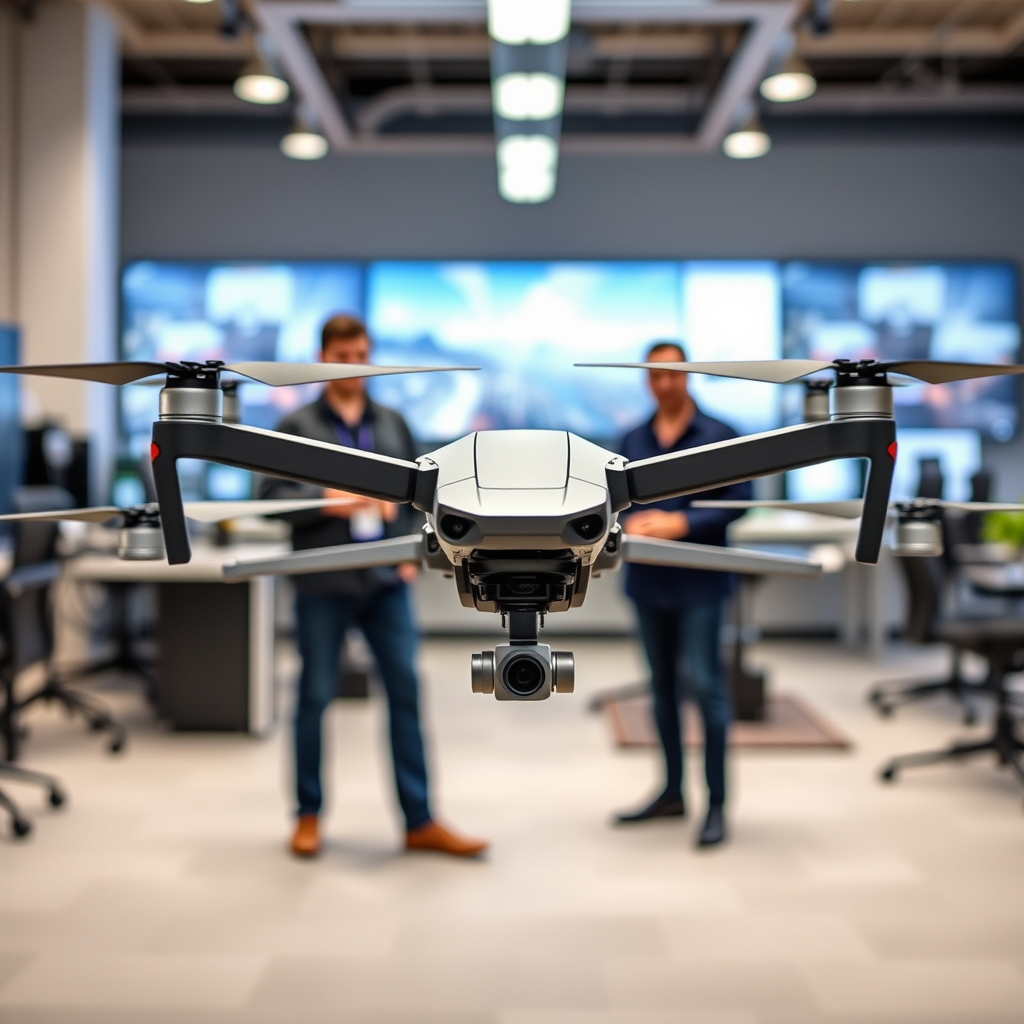
The Yuneec Typhoon H3 is designed for enthusiasts and professionals who demand high-quality aerial imaging capabilities. One of its standout features is the 7km DataLink, which allows for extended range and reliable communication between the pilot and the drone. This capability is essential for capturing stunning visuals without worrying about losing control or signal. The Typhoon H3 is equipped with a high-performance camera that supports 4K resolution, ensuring crisp, vibrant images that are ideal for photography and videography projects. Additionally, it boasts a 3-axis gimbal system that stabilizes the camera, reducing vibrations and enhancing the quality of the footage. The drone’s hexacopter design further improves stability and safety, particularly in adverse weather conditions, making it a strong contender for various aerial applications.
Overview of the Anzu Raptor T
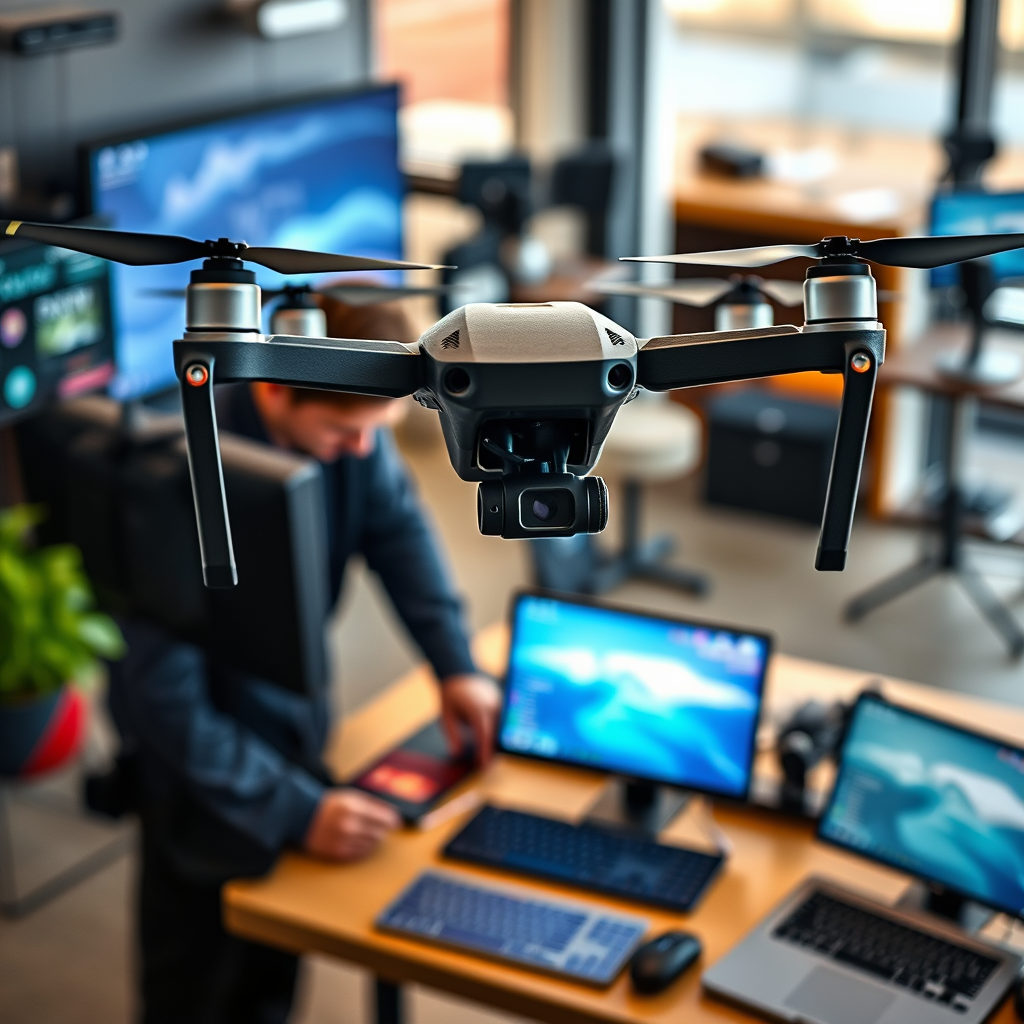
On the other hand, the Anzu Raptor T is engineered with compliance in mind, adhering to the National Defense Authorization Act (NDAA) requirements, making it a prime choice for government and military applications. Its 7km range also ensures reliable communication, but its standout feature is the 360-degree gimbal. This innovative gimbal design allows for versatile shooting angles and smooth stabilization, making it suitable for dynamic environments where flexibility is key. The Raptor T is built with durability in mind, featuring rugged materials that can withstand harsh conditions while maintaining high performance. This drone’s capabilities are particularly beneficial for tasks such as surveillance, inspection, and mapping, where detailed and accurate imaging is critical.
Performance Comparison
When comparing the performance of the Yuneec Typhoon H3 and the Anzu Raptor T, battery life and flight time are crucial factors. The Typhoon H3 typically offers around 25 minutes of flight time on a single charge, depending on environmental conditions and payload weight. Conversely, the Anzu Raptor T provides similar flight times, but its robust design may slightly affect endurance in extreme conditions.
In terms of handling and maneuverability, both drones excel, but they cater to different environments. The Typhoon H3’s hexacopter design lends it exceptional stability, making it ideal for aerial photography and surveying in urban settings. Meanwhile, the Anzu Raptor T’s agility and 360-degree gimbal allow for precise control during inspections and defense operations, where quick adjustments and diverse angles are necessary.
Camera and Gimbal Capabilities
The camera specifications of the Yuneec Typhoon H3 are impressive, boasting a 4K camera with a 1-inch Sony sensor that captures high-resolution images with excellent low-light performance. This feature is particularly beneficial for photographers looking to shoot in varying lighting conditions. The camera’s gimbal stabilization plays a significant role in ensuring smooth footage, especially during dynamic maneuvers.
In contrast, the Anzu Raptor T’s camera system, while also capable of high-resolution imaging, is optimized for versatility rather than raw resolution. The 360-degree gimbal provides a unique advantage by allowing operators to capture images and videos from multiple angles without changing the drone’s position. This capability is invaluable in applications like inspections, where viewing different perspectives is essential for thorough assessments.
Use Cases and Applications
The Yuneec Typhoon H3 shines in scenarios such as aerial photography, surveying, and cinematography, where high image quality and stability are paramount. Its capabilities make it an excellent tool for real estate professionals, filmmakers, and surveyors who require detailed visuals for their projects. The drone’s extended range further enhances its utility, allowing operators to cover vast areas without losing signal.
Conversely, the Anzu Raptor T is ideally suited for defense, inspection, and mapping applications. Its NDAA compliance makes it a suitable choice for government contracts and military operations. The drone’s agile design and versatile gimbal allow for quick assessments of infrastructure and assets, making it a reliable tool for inspectors and security personnel who need real-time data and footage from various angles.
Price and Value Assessment
Price is always a significant consideration when investing in a drone. The Yuneec Typhoon H3 typically retails at a price point that reflects its advanced camera technology and stability features, often falling in the mid to high range for consumer drones. When evaluating value, potential buyers should consider the quality of the camera and the breadth of applications it supports, which can justify the investment for professional users.
The Anzu Raptor T, while potentially more expensive due to its specialized design and NDAA compliance, offers value through its unique capabilities that meet specific governmental and military needs. Prospective buyers should assess the long-term costs associated with maintenance, training, and accessories, as these factors can significantly impact the overall investment.
User Feedback and Reviews
Feedback from users of the Yuneec Typhoon H3 often highlights its exceptional camera quality and ease of use, making it a favorite among hobbyists and professionals alike. Users appreciate its stability and the quality of the images produced, though some have noted that the drone’s weight can be a consideration for long-distance travel.
On the other hand, the Anzu Raptor T receives praise for its rugged design and compliance with NDAA standards, making it a reliable choice for users in government sectors. However, some feedback indicates a learning curve associated with operating the 360-degree gimbal effectively, which may require additional training for new users. Overall, both drones have their strengths and weaknesses, but user satisfaction tends to be high when the devices are used for their intended purposes.
The Yuneec Typhoon H3 and Anzu Raptor T cater to different audiences with their unique features. Whether you prioritize range and camera quality or NDAA compliance and gimbal versatility, understanding these differences will guide your decision. As you explore more about these drones, consider your specific needs and applications to determine which one aligns best with your objectives.
Frequently Asked Questions
What are the key differences between the Yuneec Typhoon H3 and the Anzu Raptor T?
The Yuneec Typhoon H3 and the Anzu Raptor T cater to different user needs and preferences. The Typhoon H3 features a 7km DataLink and is designed for cinematic photography with its high-quality camera and advanced flight modes. In contrast, the Anzu Raptor T emphasizes security and compliance with its 7km NDAA 360-Gimbal, making it suitable for government and commercial applications that require adherence to the National Defense Authorization Act (NDAA) regulations.
How does the 7km DataLink of the Yuneec Typhoon H3 enhance its usability?
The 7km DataLink in the Yuneec Typhoon H3 provides a robust communication link between the drone and the controller, allowing for extended flight range and reliable video streaming. This feature is particularly beneficial for aerial photography and surveying, as it ensures stable connections even at longer distances. Users can operate the drone with confidence, knowing they maintain control and receive real-time data from the camera.
Why is the NDAA compliance important for the Anzu Raptor T?
NDAA compliance is crucial for the Anzu Raptor T because it assures users that the drone meets specific safety and security standards mandated by the U.S. government. This compliance is particularly vital for government entities and contractors, as it mitigates risks associated with using foreign-manufactured technology. By choosing an NDAA-compliant drone like the Anzu Raptor T, users can ensure that they are operating within legal and ethical boundaries, which is essential for sensitive operations.
Which drone is better for professional photography, the Yuneec Typhoon H3 or the Anzu Raptor T?
For professional photography, the Yuneec Typhoon H3 is generally the better choice due to its superior camera capabilities and intelligent flight modes designed specifically for capturing high-quality images and videos. The Typhoon H3 features a premium camera with enhanced optics, making it ideal for cinematographers and photographers seeking exceptional visual content. While the Anzu Raptor T is robust in its own right, it is more tailored to compliance-driven industries rather than artistic applications.
How does the 360-Gimbal of the Anzu Raptor T improve its aerial performance?
The 360-Gimbal of the Anzu Raptor T significantly enhances aerial performance by providing smooth stabilization and versatile camera angles during flight. This feature allows for uninterrupted video capture and clear imaging, even in challenging conditions. The gimbal’s full rotation capability ensures that operators can capture dynamic shots without losing sight of their subject, making it an excellent tool for surveillance, inspection, and other commercial purposes.
References
- https://en.wikipedia.org/wiki/Yuneec_Typhoon_H
- https://www.reuters.com/technology/yuneec-typhoon-h3-launches-2021-09-15/
- https://www.theguardian.com/technology/2020/may/19/drones-non-military-uses
- https://www.societyofdrones.org/
- https://www.nist.gov/news-events/news/2021/02/nist-initiatives-drone-safety-and-security
- drones | TechCrunch
- https://www.sciencedirect.com/topics/engineering/drone-technology
- https://www.bbc.com/news/technology-48382057
