
When it comes to lightweight drones, the DJI Mini 3 and Autel EVO II Pro V3 stand out as two of the best options available today. The Mini 3 is perfect for casual users who value portability and ease of use, while the EVO II Pro V3 caters to professionals seeking higher resolution and extended range capabilities. This article will delve into their specifications, performance, camera quality, and flight features, ensuring you can make an informed decision based on your aerial photography needs.
Overview of the Drones
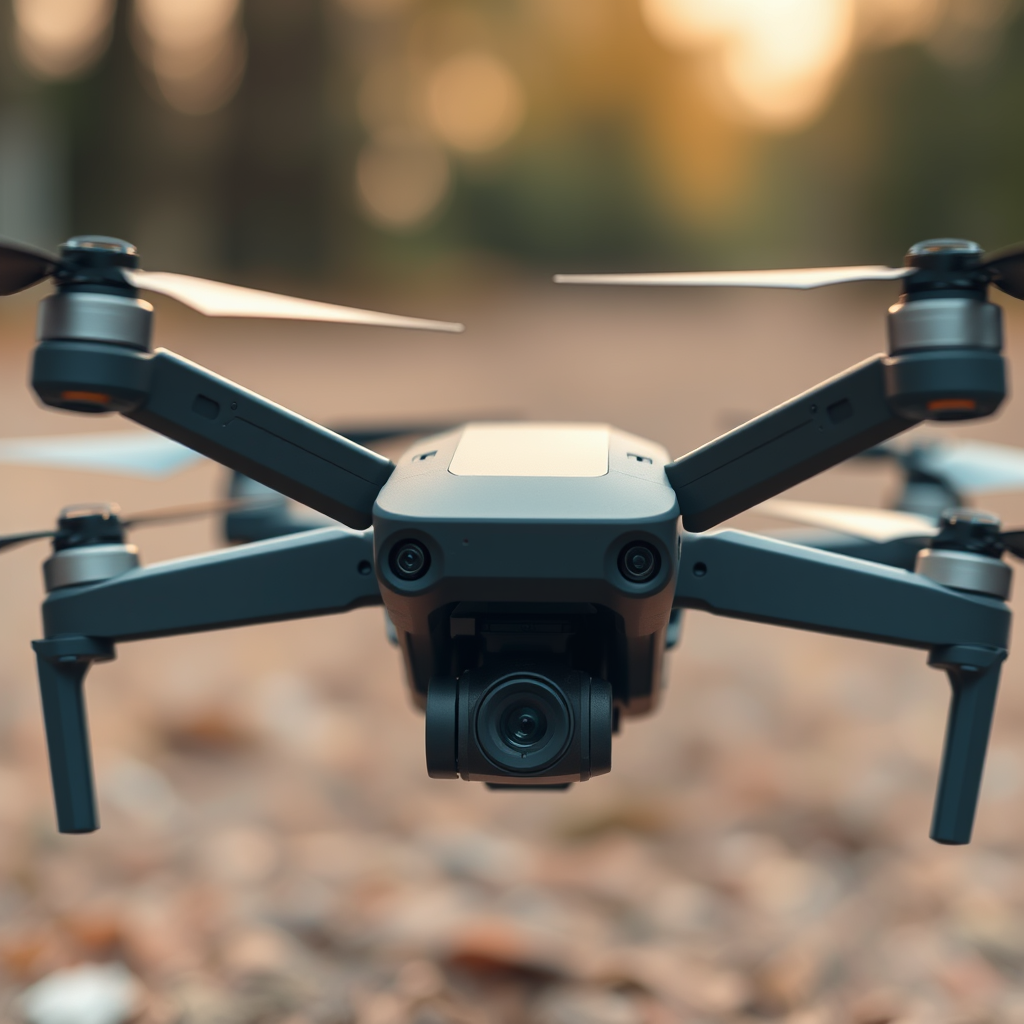
The DJI Mini 3 is an ultra-lightweight drone weighing just 249 grams, equipped with a 4K camera that captures stunning aerial footage. It features impressive battery life of up to 38 minutes, making it ideal for extended flights. The Mini 3 also includes advanced safety features such as obstacle detection and a streamlined design that enhances its portability.
On the other hand, the Autel EVO II Pro V3 offers a more robust build, weighing approximately 960 grams. This drone features a 6K camera capable of capturing high-resolution video and images with exceptional detail. The EVO II Pro V3 boasts a flight time of around 40 minutes, along with advanced flight modes and a durable design, making it an excellent choice for commercial use and serious enthusiasts.
Camera Capabilities
The DJI Mini 3 excels in video and photo quality with its 4K capabilities, providing stunning visuals at 30 frames per second. It also supports HDR video and boasts a 12MP camera with a 1/1.3-inch sensor, which allows for clearer images and better performance in low-light conditions. With features like Digital Zoom and QuickShots, the Mini 3 is user-friendly and perfect for those looking to capture high-quality content without extensive technical knowledge.
The Autel EVO II Pro V3 takes it a step further with its 6K video capability, recording at 30 frames per second and offering a higher bitrate for better color depth and dynamic range. Its 1-inch sensor with a 48MP camera enhances low-light performance, making it suitable for capturing night scenes with clarity. The adjustable aperture (from f/2.8 to f/11) provides flexibility in various lighting conditions, giving professional users the ability to control depth of field effectively.
Flight Range and Connectivity
The DJI Mini 3 employs O3 (OcuSync 3.0) technology, which provides a reliable transmission range of up to 10km. This advanced system ensures a stable connection and minimal lag, allowing users to maintain control over their drone even at considerable distances. The O3 technology also enhances live video feed quality, providing a seamless viewing experience while flying.
In contrast, the Autel EVO II Pro V3 utilizes SkyLink technology, which boasts an impressive transmission range of up to 12km. This system utilizes a dual-frequency (2.4GHz and 5.8GHz) signal, which allows for better adaptability in different environments. The extended range and superior connectivity make the EVO II Pro V3 suitable for commercial applications where reliable control and video transmission are paramount.
Weight and Portability
One of the standout features of the DJI Mini 3 is its lightweight design, making it an exceptional choice for on-the-go users. Its compact form factor allows it to be easily transported, fitting conveniently in backpacks or even larger pockets. This portability is especially beneficial for travelers and casual users who want to capture moments without the burden of cumbersome equipment.
Although the Autel EVO II Pro V3 is heavier, its design is built to accommodate a more robust set of features. Weighing 960 grams, it strikes a balance between durability and functionality. While it may not be as portable as the Mini 3, it offers enhanced stability in windy conditions, making it a reliable choice for serious aerial photography and videography.
User Experience and Control
The DJI Mini 3 is designed with the user in mind, featuring intuitive controls that make it accessible for beginners and casual flyers. The DJI Fly app enhances the flying experience by providing a user-friendly interface, allowing users to access features like QuickShots, automated flight paths, and edit videos directly on their smartphones. This streamlined approach makes it easy for anyone to capture stunning footage without extensive drone flying experience.
Conversely, the Autel EVO II Pro V3 is tailored for professionals who require advanced features and controls. Its customizable settings allow for a high degree of control over camera parameters, flight modes, and responsiveness. The Autel Explorer app provides comprehensive telemetry data, enabling users to monitor essential flight information in real-time. This level of detail is crucial for professional users who need precision in their aerial work.
Price Point and Value
In terms of pricing, the DJI Mini 3 is generally more affordable, making it an attractive option for hobbyists and casual users. Its price point reflects its ease of use, portability, and the essential features that meet the needs of most recreational drone flyers.
On the other hand, the Autel EVO II Pro V3 commands a higher price due to its advanced capabilities and professional-grade features. While it requires a larger investment, the value for money is evident for users who need high-resolution imagery and longer flight capabilities. The additional features, such as obstacle avoidance sensors and enhanced connectivity options, justify the cost for those in commercial industries.
Use Cases and Recommendations
The DJI Mini 3 is best suited for casual users, travelers, and hobbyists who prioritize portability and ease of use. It excels in scenarios like family gatherings, vacations, and outdoor adventures where quick setup and operation are essential. Its compact size and user-friendly app make it an excellent choice for anyone looking to capture beautiful moments without the need for extensive technical knowledge.
In contrast, the Autel EVO II Pro V3 is ideal for professional applications such as real estate photography, surveying, and filmmaking. Its higher resolution and longer flight range make it a preferred tool for those whose work relies on high-quality imagery and video. Whether it’s capturing expansive landscapes or intricate details of buildings, the EVO II Pro V3 provides the quality and reliability professionals demand.
Both drones have their unique strengths tailored to different user needs. The DJI Mini 3 is ideal for casual users seeking portability and ease of use, while the Autel EVO II Pro V3 is better suited for professional applications requiring higher resolution and longer range. Consider your specific needs and preferences to make the best choice for your next aerial adventure.
Frequently Asked Questions
What are the key differences between the DJI Mini 3 and Autel EVO II Pro V3 regarding flight range and video quality?
The DJI Mini 3 boasts a flight range of up to 10 kilometers with its O3 transmission technology, while the Autel EVO II Pro V3 extends its range to 12 kilometers using the SkyLink system. In terms of video quality, the Mini 3 captures 4K video, whereas the EVO II Pro V3 is equipped with a 6K camera, providing superior detail and clarity, especially in professional applications. This difference makes the Autel a better choice for videographers seeking high-resolution footage.
How does the weight and portability of the DJI Mini 3 and Autel EVO II Pro V3 affect their usability?
The DJI Mini 3 is known for its lightweight design, weighing around 249 grams, which enhances its portability and ease of use, making it ideal for casual flyers and travel enthusiasts. In contrast, the Autel EVO II Pro V3 is heavier, weighing approximately 800 grams, which might affect its portability but compensates with advanced features and longer flight time. Depending on your flying needs, the Mini 3 is perfect for on-the-go users, while the EVO II Pro V3 suits those prioritizing performance over weight.
Which drone offers better battery life, the DJI Mini 3 or the Autel EVO II Pro V3?
The DJI Mini 3 typically offers around 38 minutes of flight time under optimal conditions, which is impressive for such a lightweight drone. On the other hand, the Autel EVO II Pro V3 provides slightly less flight time, around 40 minutes, but its larger battery supports its heavier payload and advanced features. Ultimately, both drones have competitive battery performance, but your choice may depend on how you plan to utilize that flight time.
Why should I choose the DJI Mini 3 over the Autel EVO II Pro V3 for recreational use?
The DJI Mini 3 is specifically designed for ease of use and accessibility, making it an excellent choice for recreational users. Its lightweight design, intuitive controls, and user-friendly features, like QuickShots and automated flight modes, simplify the flying experience for beginners. Additionally, the Mini 3’s compact size and affordability make it a more attractive option for hobbyists looking to capture stunning aerial footage without the complexity of more advanced systems like the Autel EVO II Pro V3.
What factors should I consider when deciding between the DJI Mini 3 and the Autel EVO II Pro V3 for professional videography?
When choosing between the DJI Mini 3 and the Autel EVO II Pro V3 for professional videography, consider factors such as camera resolution, flight stability, and post-processing capabilities. The Autel EVO II Pro V3’s 6K video capability and larger sensor allow for greater detail and better low-light performance, making it more suitable for high-end video production. Additionally, evaluate the drone’s ease of transport and setup time, as these can impact your overall workflow during shoots.
References
- DJI Mini
- https://en.wikipedia.org/wiki/Autel_EVO_II_Pro
- https://www.theverge.com/2023/5/10/23718583/dji-mini-3-autel-evo-ii-pro-drone-comparison
- https://www.techradar.com/news/dji-mini-3-vs-autel-evo-ii-pro-which-drone-should-you-buy
- https://www.cnet.com/tech/mobile/dji-mini-3-vs-autel-evo-ii-pro-which-drone-is-better/
- https://www.digitaltrends.com/space/dji-mini-3-vs-autel-evo-ii-pro-comparison/
