
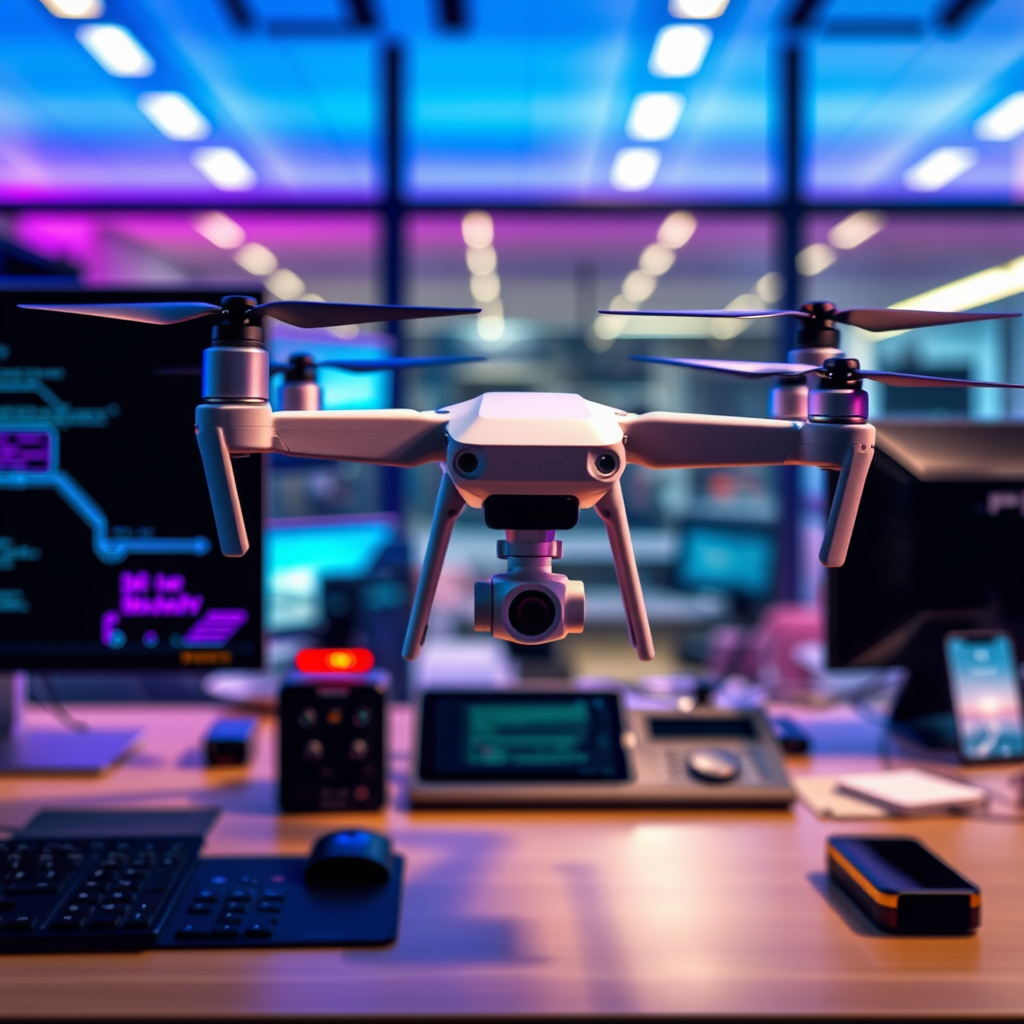
The Yuneec H850 RTK is superior to the Freefly Alta 8 Pro in terms of range, boasting an impressive 9km DataLink system, which provides enhanced operational flexibility for a variety of applications. Conversely, the Alta 8 Pro’s robust 5km radio modular system is tailored for professional cinematography, making both drones suitable for different purposes. In this article, we’ll break down the key differences between these two cinematic drones to help you choose the best option for your aerial filming needs.
Overview of the Yuneec H850 RTK
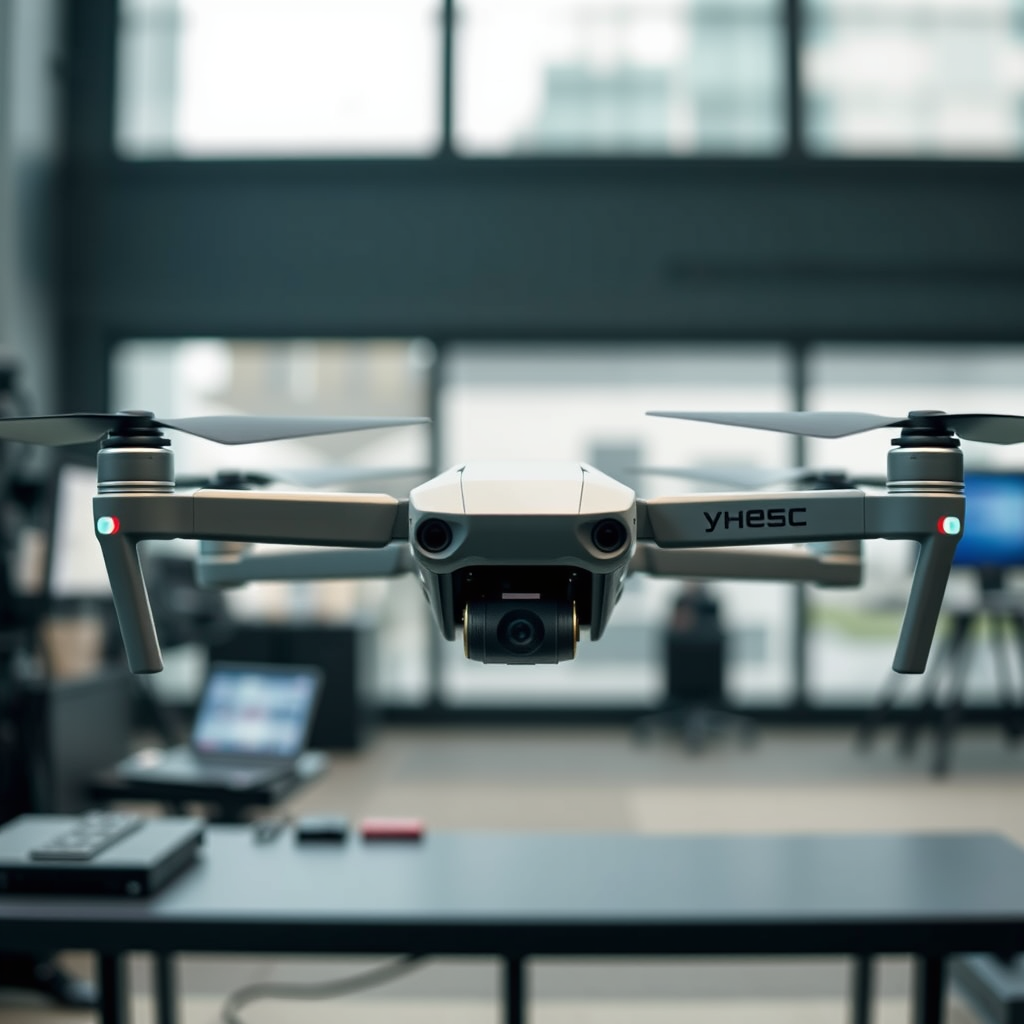
The Yuneec H850 RTK is a cutting-edge drone designed with advanced Real-Time Kinematic (RTK) technology, which significantly enhances its positioning accuracy. This precision makes it an ideal choice for applications requiring detailed mapping and surveying, as the RTK system allows for centimeter-level accuracy. Additionally, the Yuneec H850 RTK can maintain long-range flights of up to 9km, providing operators with greater flexibility in monitoring and capturing data from expansive areas. With its dual-operator capability, the drone can be controlled alongside a camera operator, enhancing collaborative filming tasks and ensuring that high-quality footage is captured with minimal effort.
Overview of the Freefly Alta 8 Pro
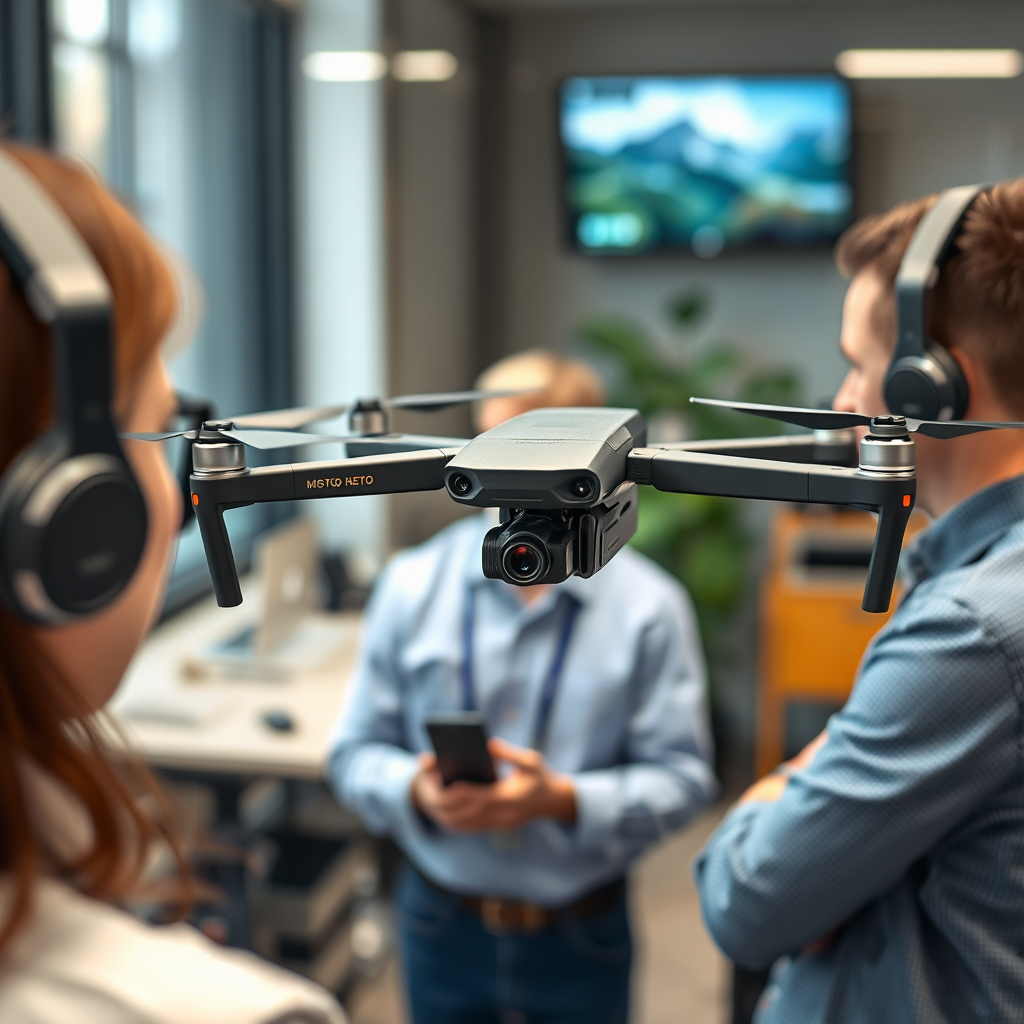
The Freefly Alta 8 Pro is specifically designed for high-end cinematography and boasts a modular design that allows filmmakers to customize their setup according to project requirements. With a reliable 5km radio control range, it is well-suited for various filming scenarios, including action shots and dynamic environments. The Alta 8 Pro can carry a diverse array of camera systems, including heavy cinema cameras, enabling filmmakers to achieve their desired artistic vision without compromise. Its intelligent flight modes and advanced stabilization systems ensure smooth and stable footage, making it a favorite among professional videographers and filmmakers.
Key Performance Comparisons
When comparing the flight stability and control responsiveness of both drones, the Yuneec H850 RTK stands out due to its RTK technology, which allows for precise positioning and stability in challenging conditions. The drone’s advanced flight control system enables it to maintain a steady hover even in windy environments, making it ideal for surveying and mapping tasks.
On the other hand, the Freefly Alta 8 Pro excels in providing exceptional maneuverability and responsiveness, which is crucial for capturing dynamic cinematic shots. Its advanced flight modes, such as Follow Me and Waypoint navigation, allow operators to creatively execute complex filming sequences. In terms of battery life, the Yuneec H850 RTK typically offers longer flight times, making it suitable for extended operational needs, while the Alta 8 Pro’s battery life is optimized for shorter, intense filming sessions.
Camera and Payload Capacity
The camera and payload capacity of both drones play a significant role in determining their suitability for various applications. The Yuneec H850 RTK supports a range of cameras, including high-resolution models, with a maximum payload capacity of 3 kg. This allows users to mount high-end cameras for detailed aerial photography and mapping.
In comparison, the Freefly Alta 8 Pro is designed to accommodate a heavier payload, capable of carrying up to 8 kg. This gives filmmakers the flexibility to use larger cinema cameras and additional equipment such as gimbals and lighting setups. The ability to support a wider range of camera systems enhances the cinematic quality of the footage produced, making the Alta 8 Pro a preferred choice for high-stakes filming environments.
Use Cases and Ideal Applications
The Yuneec H850 RTK is ideal for applications such as surveying, mapping, and agricultural monitoring, where precision and range are paramount. Its RTK technology allows for accurate data collection over large areas, making it an essential tool for professionals in the fields of construction, land management, and environmental monitoring.
Conversely, the Freefly Alta 8 Pro excels in filmmaking environments where creative flexibility and high-quality output are essential. It is particularly well-suited for commercial productions, live events, and cinematic projects that demand the use of high-end camera systems. Its modular capabilities allow filmmakers to adapt quickly to different shooting conditions and requirements, making it an invaluable asset in the film industry.
Price and Value Proposition
When considering the pricing of both drones, the Yuneec H850 RTK typically comes at a higher price point due to its advanced RTK technology and extended range capabilities. However, this investment is justified for professionals needing precise mapping and surveying tools.
The Freefly Alta 8 Pro also carries a premium price tag, but its modular design and versatility make it a worthwhile investment for filmmakers seeking high-quality aerial cinematography. Both brands offer warranty and customer support options, which can be an important consideration for buyers investing in high-end drone technology. Assessing the overall value includes considering the specific needs of the user, as both drones bring unique advantages to their respective fields.
User Reviews and Feedback
User feedback on the Yuneec H850 RTK highlights its impressive range and accuracy, with many users praising its performance in challenging environments. Reviews often cite its reliability during extended flights and ease of use, making it a favorite among surveying professionals.
On the other hand, the Freefly Alta 8 Pro receives accolades for its stability and the quality of footage produced, with users frequently commending its ability to handle heavy payloads without compromising performance. However, some users have noted that its learning curve can be steep for beginners, emphasizing the importance of experience in piloting complex drone systems.
In summary, both drones have garnered positive feedback, but they cater to different audiences and applications, with the Yuneec H850 RTK favored by surveying professionals and the Freefly Alta 8 Pro appealing to cinematographers.
The Yuneec H850 RTK offers a longer range and precise RTK technology, making it excellent for detailed mapping and surveying, while the Freefly Alta 8 Pro shines in professional cinematography with its modular design. Your choice should align with your specific needs—whether you prioritize range or modular filming capabilities. Consider testing both drones to determine which one fits your workflow best.
Frequently Asked Questions
What are the key differences between the Yuneec H850 RTK and the Freefly Alta 8 Pro?
The Yuneec H850 RTK is designed with advanced real-time kinematic (RTK) technology, providing high precision for mapping and surveying applications, while the Freefly Alta 8 Pro is focused on cinematic aerial videography with a modular design that supports various payloads. The H850 RTK boasts a 9km DataLink range, enhancing its usability for long-distance missions, whereas the Alta 8 Pro features a 5km radio range, making it ideal for closer, high-quality cinematic shoots.
How does the performance of the Yuneec H850 RTK compare to the Freefly Alta 8 Pro for professional filming?
The Yuneec H850 RTK excels in applications requiring high-precision positioning for mapping and surveying, making it less suitable for traditional cinematography. In contrast, the Freefly Alta 8 Pro is tailored for filmmakers, offering superior stability and payload versatility, which is crucial for capturing stunning aerial footage. If your primary goal is high-end cinematic production, the Alta 8 Pro is typically the better choice.
Why should I consider the Yuneec H850 RTK for surveying over the Freefly Alta 8 Pro?
If your focus is on surveying, mapping, or agricultural applications, the Yuneec H850 RTK is specifically designed for these tasks, providing centimeter-level accuracy through its RTK capabilities. This allows for detailed data collection that is critical in industries such as construction and land surveying. The Freefly Alta 8 Pro, while excellent for cinematography, lacks the specialized features required for precise surveying tasks.
Which drone has better battery life, the Yuneec H850 RTK or the Freefly Alta 8 Pro?
The Yuneec H850 RTK generally offers a longer flight time, with up to 45 minutes of operational time depending on payload and environmental conditions. The Freefly Alta 8 Pro typically has a flight time of around 25-35 minutes, which can vary based on the equipment being used. For extended missions, especially in surveying, the H850 RTK’s longer battery life can be a significant advantage.
What should I consider when choosing between the Yuneec H850 RTK and the Freefly Alta 8 Pro for my project?
When deciding between these two drones, consider the specific needs of your project. If precision mapping and long-range data collection are your priorities, the Yuneec H850 RTK is the better option due to its advanced RTK capabilities. However, if your main focus is on high-quality aerial cinema and flexible payload options, the Freefly Alta 8 Pro’s design and stability will likely serve you better. Assess your project goals, operational range, and desired output to make the best choice.
References
- Radio-controlled aircraft
- https://www.theguardian.com/technology/2021/nov/09/drones-are-revolutionising-the-way-we-see-the-world
- https://www.bbc.com/news/technology-49323312
- https://www.sciencedirect.com/science/article/pii/S2351978921001810
- https://www.nasa.gov/mission_pages/tdm/overview/index.html
- https://www.techrepublic.com/article/drones-in-the-2020s-what-to-expect/
- https://www.reuters.com/business/aerospace-defense/yuneec-launches-new-drone-with-rtk-technology-2021-10-20/
