
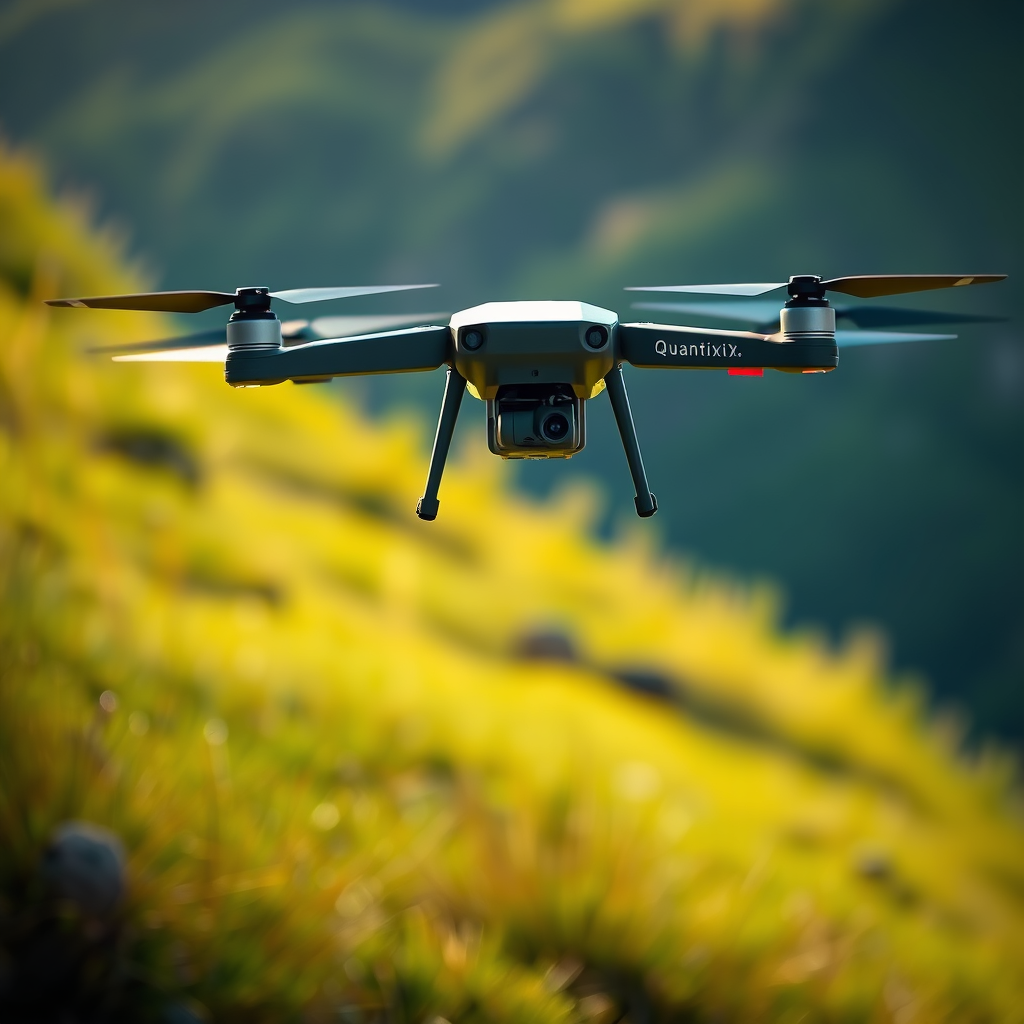
The AeroVironment Quantix and the Anzu Raptor T are two formidable contenders in the realm of reconnaissance drones, each designed to meet specific operational needs. While the Quantix excels in short-range tactical missions with a 1km operational range, the Raptor T is engineered for long-range surveillance, boasting an impressive 7km capability while adhering to NDAA compliance. In this article, we will delve deeply into their specifications, performance, and potential applications to guide you in determining which drone best aligns with your operational requirements.
Overview of AeroVironment Quantix
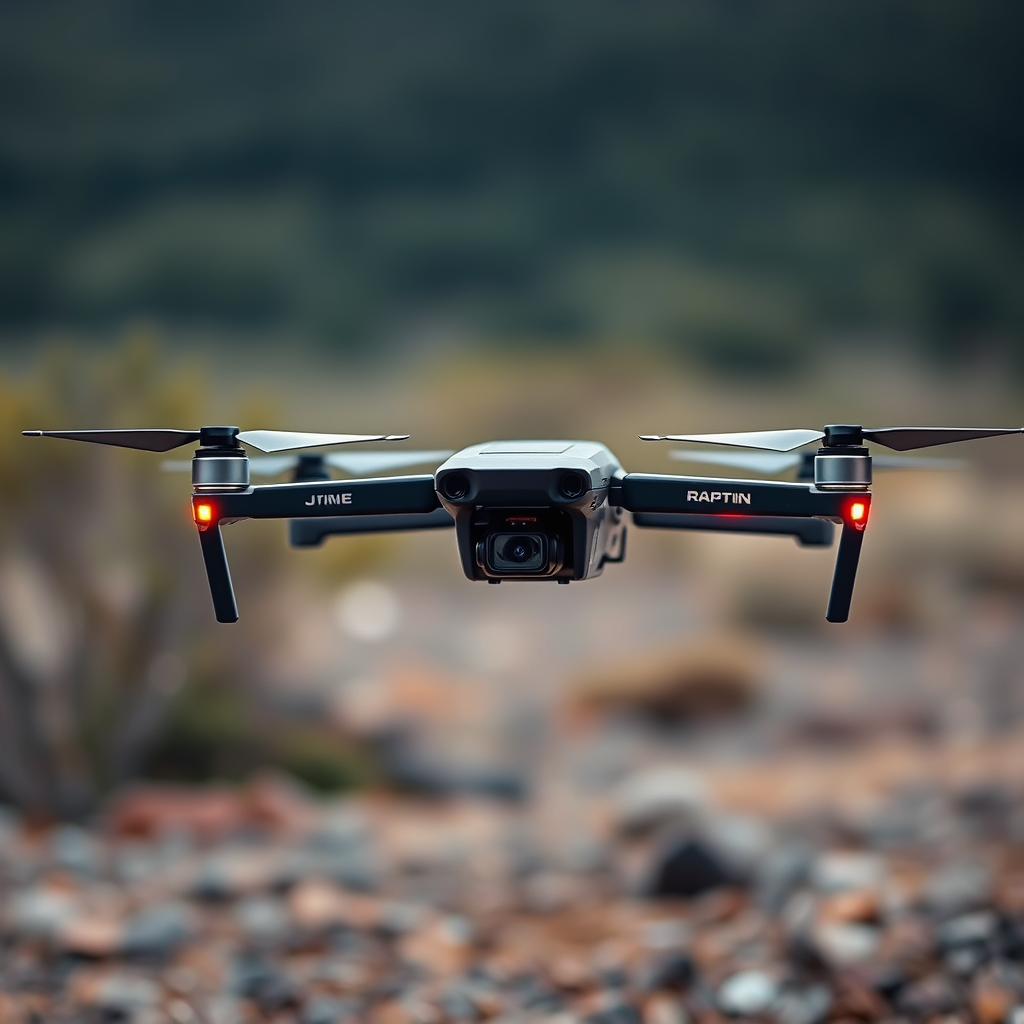
The AeroVironment Quantix is a drone specifically crafted for tactical reconnaissance, emphasizing short-range operations. Its design incorporates vertical takeoff and landing (VTOL) capabilities, allowing for a flexible deployment in a variety of environments, including urban settings and rugged terrains. This versatility is further enhanced by the drone’s ability to transition seamlessly from hover to forward flight, making it a valuable asset for rapid assessments.
Equipped with advanced imaging systems, the Quantix is capable of real-time data collection, which is critical for decision-making in fast-paced situations. The drone features a dual payload system that includes high-resolution optical cameras and infrared sensors, providing comprehensive situational awareness. Its user-friendly interface and intuitive controls make it accessible even for operators with limited UAV experience, ensuring that teams can quickly deploy and operate the drone effectively.
Overview of Anzu Raptor T
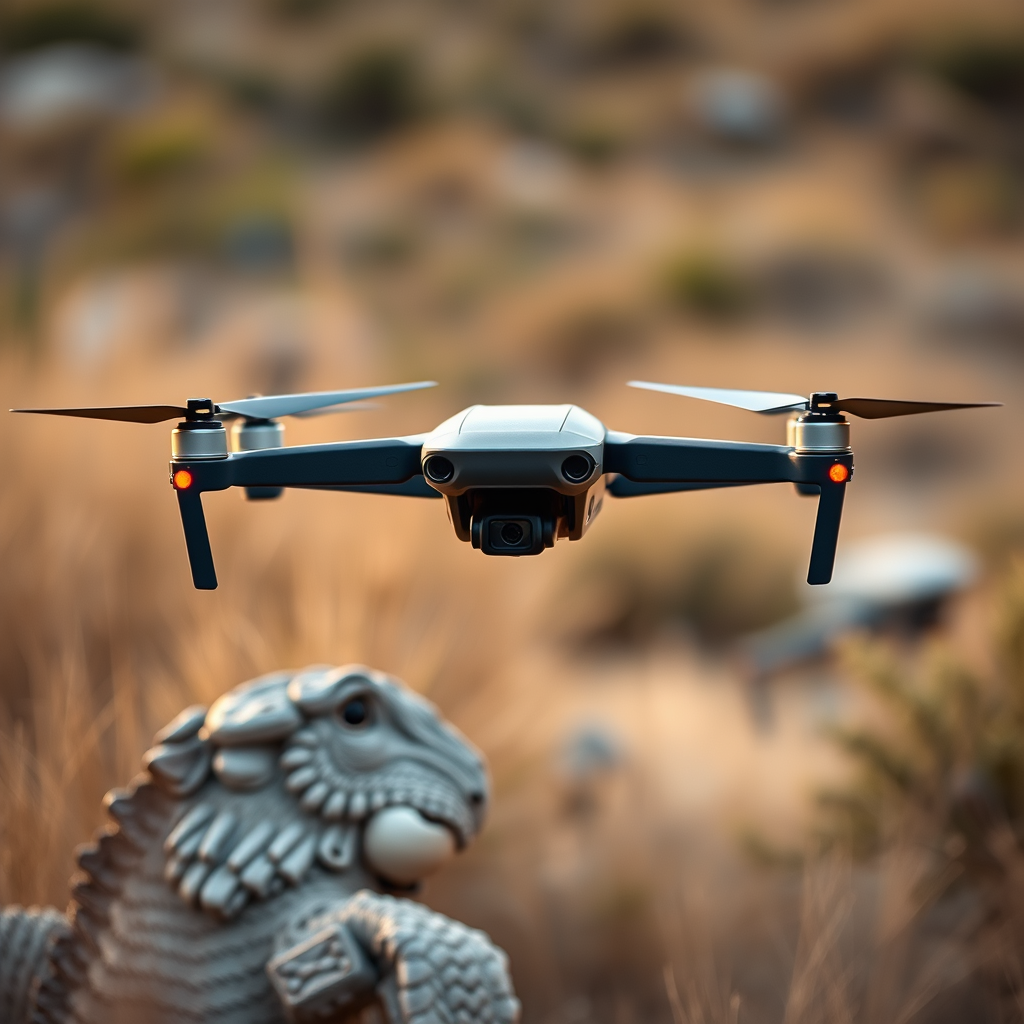
In contrast, the Anzu Raptor T is tailored for long-range reconnaissance missions, boasting a significant operational range of 7km. This extensive reach is particularly beneficial for strategic surveillance, enabling operators to monitor larger areas without needing to reposition frequently. The drone incorporates military-grade technology, ensuring compliance with NDAA regulations, which is crucial for government and defense contracts.
The Raptor T is designed for endurance, featuring advanced aerodynamics and a robust propulsion system that allows for longer flight times and greater stability during extended missions. This drone supports a variety of payloads, including high-definition cameras and sophisticated thermal and multispectral sensors, making it an excellent choice for comprehensive data collection and analysis. Its ability to operate in diverse environments, from rural landscapes to complex urban settings, positions it as a versatile tool for military and civilian applications alike.
Key Comparison: Range and Connectivity
When it comes to operational range, the differences between the Quantix and the Raptor T are stark. The Quantix operates effectively within a 1km radius, making it particularly suitable for localized missions, such as assessing damage in disaster-stricken areas or conducting reconnaissance in urban environments. Its short-range capability is ideal for tactical applications where quick, precise information is paramount.
On the other hand, the Raptor T’s 7km range allows it to conduct strategic surveillance over expansive territories. This extended reach is essential for missions like border patrols, where monitoring large stretches of land is necessary. The Raptor T’s connectivity features, including real-time data transmission and secure communication links, enhance its operational effectiveness, allowing for seamless information sharing with command centers and allied units.
Imaging and Data Collection Capabilities
In terms of imaging and data collection capabilities, both drones offer unique advantages tailored to their operational focuses. The Quantix is equipped with high-resolution cameras that provide detailed imagery, making it ideal for missions requiring precise visual data. Its imaging system can capture aerial photographs and videos that are critical for mapping and situational analysis.
Conversely, the Raptor T is outfitted with advanced thermal and multispectral sensors, allowing for more comprehensive data analysis. These sensors enable operators to conduct environmental monitoring, assess vegetation health, and identify heat signatures for military applications. The drone’s ability to gather and process various data types in real time is a significant advantage for missions that demand quick and informed decision-making.
Operational Use Cases
The operational use cases for the Quantix and Raptor T further highlight their distinct capabilities. The Quantix is optimal for rapid assessments and tactical missions, particularly in urban environments. Its ability to deploy quickly and operate effectively in confined spaces makes it a favorite among first responders and tactical teams who need immediate situational awareness.
In contrast, the Raptor T shines in extensive border patrols, environmental monitoring, and military reconnaissance. Its long-range capabilities allow for sustained surveillance over large areas, making it suitable for missions that require extended operational periods without the need for frequent re-deployment. The drone’s advanced sensors also enable it to gather critical intelligence in diverse conditions, ranging from day to night operations.
Cost and Accessibility
From a cost perspective, the AeroVironment Quantix is generally more affordable, with lower operational costs associated with its shorter range and simpler technology. This makes it an attractive option for smaller organizations or governmental entities with budget constraints while still needing effective reconnaissance solutions.
On the other hand, the Anzu Raptor T comes at a higher price point, reflecting its advanced features and extended capabilities. While this investment may be significant, the Raptor T’s robust performance and compliance with military standards justify the cost for serious applications, particularly for organizations that require reliable long-range surveillance solutions.
User Feedback and Reviews
User feedback for both drones underscores their respective strengths. Operators of the Quantix often highlight its ease of use, quick deployment capabilities, and reliability in rapidly changing environments. Users appreciate its intuitive interface, which allows even novice pilots to operate effectively with minimal training.
Conversely, users of the Raptor T commend its long-range performance, exceptional data collection capabilities, and rugged construction that withstands challenging operational conditions. Many operators note that its advanced analytics tools significantly enhance mission effectiveness, providing actionable insights that are critical in tactical scenarios.
The AeroVironment Quantix is ideal for short-range tactical needs, while the Anzu Raptor T excels in long-range operations, making it essential to assess your specific requirements. Both drones provide unique advantages that cater to different operational contexts. Consider your mission needs, budget, and desired capabilities carefully to make an informed decision. Ultimately, the choice between the Quantix and Raptor T should align with your operational objectives and strategic goals, ensuring that you select the drone that best meets your reconnaissance requirements.
Frequently Asked Questions
What are the key differences between the AeroVironment Quantix and the Anzu Raptor T drones?
The AeroVironment Quantix is designed for dual-use applications, combining fixed-wing and vertical takeoff capabilities, making it versatile for various reconnaissance missions. In contrast, the Anzu Raptor T features a longer operational range of 7km, thanks to its NDAA-compliant design, which may appeal more to military and defense applications. Additionally, the Quantix has a 1km radio range, which limits its operational distance compared to the Raptor T, making it crucial to assess your specific needs when choosing between these two drones.
How does the range of the AeroVironment Quantix compare to the Anzu Raptor T in real-world scenarios?
In real-world applications, the AeroVironment Quantix’s 1km radio range can be limiting, particularly for missions that require extensive monitoring over larger areas. Conversely, the Anzu Raptor T’s 7km range allows for more extensive reconnaissance operations, providing a significant advantage in scenarios where distance and data collection over a broad area are critical. Users should consider their operational requirements to determine which drone’s range best suits their needs.
Why is NDAA compliance important when choosing between the Quantix and the Raptor T?
NDAA compliance is crucial for organizations, especially those in the defense sector, as it ensures that the drone systems are manufactured without using components from companies deemed a threat to national security. The Anzu Raptor T’s NDAA compliance makes it a safer choice for government and military operations, reducing legal and ethical concerns associated with procurement. In contrast, the AeroVironment Quantix may not meet these compliance standards, potentially limiting its use in certain government contracts.
Which drone offers better data collection capabilities, the AeroVironment Quantix or the Anzu Raptor T?
When it comes to data collection, the AeroVironment Quantix excels with its advanced imaging and sensor technology, allowing for high-resolution aerial mapping and surveillance. However, the Anzu Raptor T’s extended range of 7km can provide a broader perspective, making it suitable for large-scale reconnaissance missions. Ultimately, the best choice for data collection will depend on your specific operational requirements and whether you prioritize range or imaging capabilities.
What factors should I consider when deciding between the AeroVironment Quantix and the Anzu Raptor T?
When choosing between these two drones, consider factors such as operational range, compliance with NDAA regulations, data collection needs, and flight versatility. If your mission requires long-distance reconnaissance and NDAA compliance, the Anzu Raptor T is likely the better option. However, if you need a versatile drone for varied terrains and advanced imaging, the AeroVironment Quantix might be more suited to your goals. Evaluating your specific mission requirements will help guide your decision-making process effectively.
References
- Unmanned aerial vehicle
- https://www.nytimes.com/2021/07/20/us/drones-military.html
- https://www.reuters.com/technology/defense-drones-2021-09-30/
- https://www.sciencedirect.com/science/article/pii/S2213138821001281
- https://www.armytimes.com/2022/03/04/us-army-takes-another-step-toward-its-next-generation-drone/
- https://www.defense.gov/Explore/News/Article/Article/2270672/defense-department-unveils-new-drone-strategy/
- https://www.ausairpower.net/APA-Drone-Comparison.html
