
The Teal 2 Night Vision and Freefly Alta 8 Pro serve distinct purposes in the realm of tactical cinematography, each excelling in different environments and conditions. The Teal 2 offers a robust 7km LTE transmission range, which enhances its utility in challenging situations, while the Freefly Alta 8 Pro, with its 5km radio control system, provides stability and high payload capacity for professional cinematic projects. Understanding these differences can help filmmakers choose the right drone for their specific needs, whether it be for low-light conditions or high-end filming.
Overview of Teal 2 Night Vision
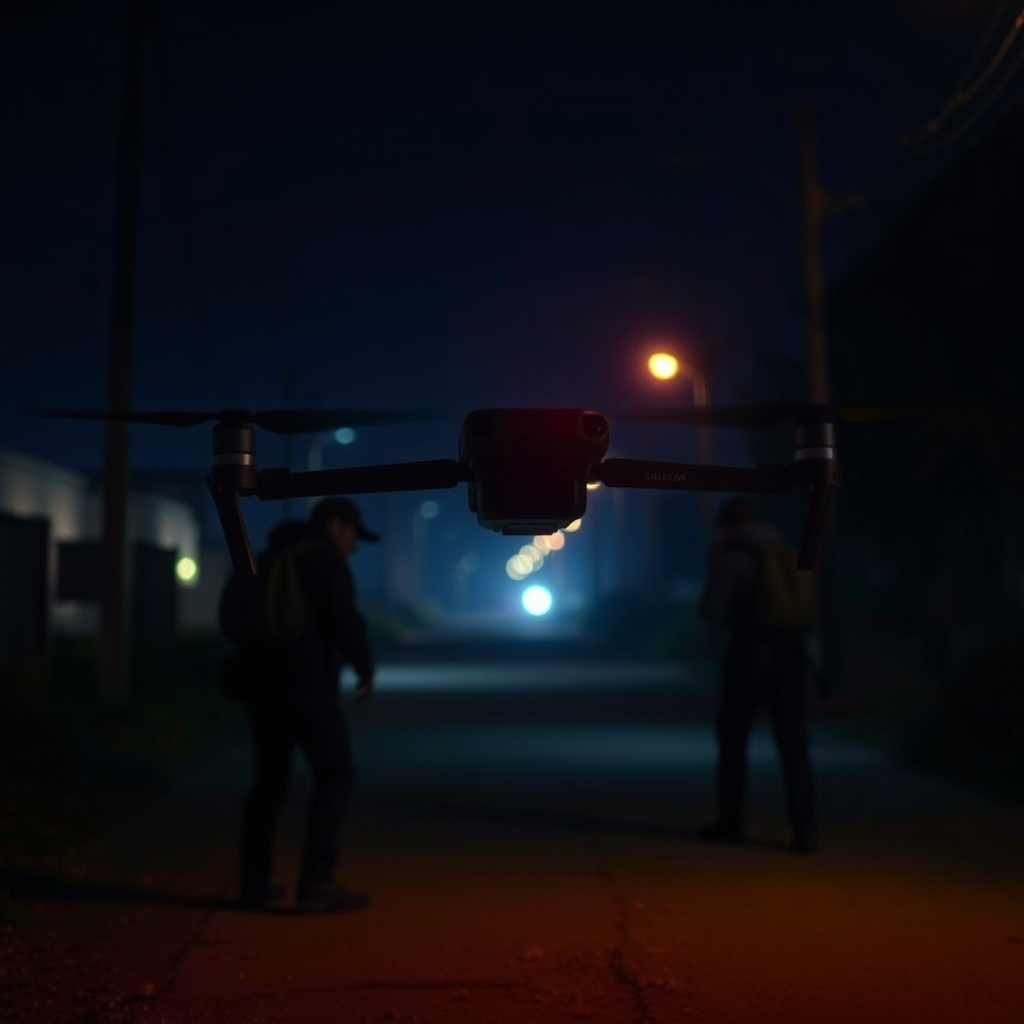
The Teal 2 Night Vision drone is engineered specifically for low-light environments, making it an ideal choice for tactical operations and nighttime filming. The device features advanced night vision technology that allows operators to capture high-quality imagery even in near-complete darkness. One of the standout features of the Teal 2 is its impressive 7km LTE transmission range. This capability not only enhances video quality but also ensures reliable connectivity over long distances, which is crucial in scenarios where maintaining a signal is vital. The drone’s design emphasizes portability and ease of use, allowing filmmakers and tactical operators to deploy it quickly without extensive setup. Additionally, its rugged construction makes it suitable for various environments, from urban landscapes to remote wilderness areas.
Overview of Freefly Alta 8 Pro
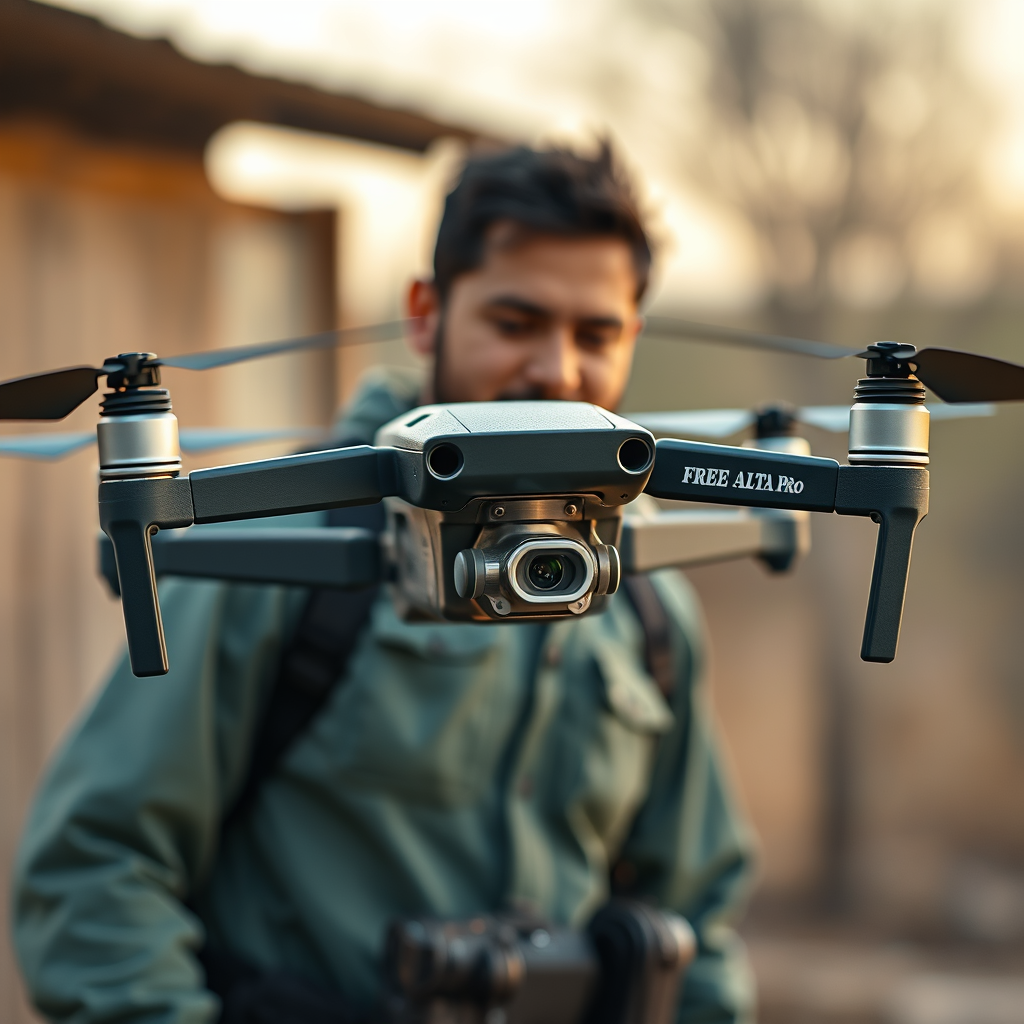
The Freefly Alta 8 Pro is renowned for its exceptional payload capacity and stability, catering primarily to high-end cinematography. It can carry a variety of professional camera systems, including heavy cinema cameras, and provides the reliability that filmmakers demand for intricate shots. The Alta 8 Pro operates with a 5km radio control system, which, while robust, is limited in range when compared to the LTE capabilities of the Teal 2. This drone is designed for versatility, allowing filmmakers to create breathtaking aerial shots with precision and control. Its advanced stabilization technology ensures smooth footage, even in windy conditions, making it a preferred choice for filmmakers who prioritize quality and stability in their projects.
Comparison of Transmission Technologies
The transmission technology employed by a drone significantly impacts its operational capabilities. The Teal 2’s LTE system offers several advantages, particularly for real-time video streaming. This technology allows operators to maintain a video feed and control the drone even in challenging environments where traditional radio signals may falter. The LTE network’s ability to transmit data over long distances with minimal latency is especially beneficial for reconnaissance and tactical operations, where every second counts.
In contrast, the Freefly Alta 8 Pro’s 5km radio control system is known for its reliability in stable environments. However, users may encounter interference from urban structures, which can hinder performance. While radio systems generally have lower latency, the limited range can pose challenges in expansive filming locations or when the drone is deployed at a distance from the pilot. Thus, the choice between these technologies hinges on the specific needs of the operation—whether long-range connectivity or reliable control in confined spaces is the priority.
Cinematic Capabilities
When it comes to cinematic capabilities, the Teal 2’s night vision technology shines for filmmakers working in low-light scenarios. This feature allows for capturing stunning visuals in conditions that would typically render other drones ineffective. Whether filming a nighttime event or conducting surveillance in dimly lit environments, the Teal 2 provides the necessary tools to deliver high-quality footage.
Conversely, the Freefly Alta 8 Pro excels in stability and payload versatility. Its ability to carry heavy camera setups, such as the ARRI Alexa or RED cameras, makes it a go-to option for professional filmmakers looking for high production value. The drone’s design incorporates advanced stabilization technology that minimizes vibrations and compensates for movement, thereby ensuring that even the most dynamic shots remain smooth and cinematic. The choice between these two drones ultimately depends on whether the filmmaker needs low-light performance or the capability to carry heavier equipment.
Use Cases and Best Scenarios
The Teal 2 is particularly well-suited for scenarios that require reconnaissance and night shoots. Its long-range LTE transmission and night vision capabilities make it an excellent choice for military operations, search and rescue missions, or any filming that takes place in low-light conditions. The drone’s operational flexibility allows it to adapt to various environments, making it a valuable asset for tactical cinematography.
On the other hand, the Freefly Alta 8 Pro is ideal for high-end cinematic productions that demand versatility and stability. Filmmakers working on commercial projects, feature films, or documentaries will benefit from the Alta 8 Pro’s ability to carry professional cameras and provide smooth aerial footage. It is particularly advantageous in urban settings where the drone needs to maneuver around structures while capturing high-quality visuals.
User Experience and Feedback
User feedback highlights the strengths of both drones, with Teal 2 users frequently praising its intuitive interface and effective night vision capabilities. Operators find it easy to navigate and control, making it a preferred choice for those new to aerial videography as well as seasoned professionals. The LTE transmission is often noted for its reliability, which is crucial during tactical operations.
In contrast, Freefly Alta 8 Pro users commend its robust performance and reliability in dynamic environments. Users appreciate the drone’s stability, particularly when capturing complex aerial shots, and the ability to handle various payloads. Feedback often points to its durability and ease of setup, making it a reliable companion for professional filmmakers during demanding shoots. While both drones receive positive reviews, their suitability largely depends on the specific use case and filming conditions.
Price and Value Considerations
In terms of pricing, the Teal 2 Night Vision comes at a premium due to its advanced technology and specialized features. The investment reflects its capabilities in low-light conditions, real-time streaming, and overall operational performance. For filmmakers focused on tactical operations and nighttime cinematography, the cost may be justified given the unique advantages it offers.
The Freefly Alta 8 Pro, while still a significant investment, presents a more balanced option for those in the field of professional filmmaking. Its performance, coupled with the ability to carry higher-end camera systems, provides value for filmmakers looking to enhance their production quality. For those whose projects require versatility and stability, the Alta 8 Pro represents a compelling choice that aligns with their budget.
Both the Teal 2 Night Vision and Freefly Alta 8 Pro have unique advantages that cater to different filming needs. By weighing the benefits of their transmission technologies and overall capabilities, you can make an informed decision on which system will elevate your cinematography projects. Explore your options further to determine the best fit for your specific requirements.
Frequently Asked Questions
What are the key differences between Teal 2 Night Vision and Freefly Alta 8 Pro in terms of operational range?
The Teal 2 Night Vision drone boasts a remarkable 7km LTE operational range, allowing for extended surveillance and data transmission. In contrast, the Freefly Alta 8 Pro operates with a 5km radio range, which is sufficient for many cinematic applications but may limit long-distance monitoring. The choice between the two will largely depend on your specific usage scenarios, whether you prioritize extended range or advanced cinematic capabilities.
How does the night vision capability of the Teal 2 compare to the camera quality of the Freefly Alta 8 Pro?
The Teal 2 is equipped with advanced night vision technology, enabling it to capture high-quality imagery in low-light conditions, making it ideal for tactical operations and surveillance. On the other hand, the Freefly Alta 8 Pro is designed for cinematic use and can carry high-end camera systems like the RED or Arri, providing exceptional image quality for filmmakers. Therefore, if your primary need is night vision and tactical applications, Teal 2 is the better choice, while filmmakers might prefer the Alta 8 Pro for its camera versatility.
Why is LTE connectivity important in the Teal 2 Night Vision drone?
LTE connectivity in the Teal 2 Night Vision drone is crucial for real-time data transmission and remote operation, which is especially beneficial for law enforcement or military applications. This connectivity allows operators to maintain control and receive live video feeds from distances up to 7km, enhancing situational awareness and decision-making. In contrast, the Freefly Alta 8 Pro relies on traditional radio communication, which can be limited by range and terrain.
Which drone is better for cinematography, Teal 2 Night Vision or Freefly Alta 8 Pro?
For cinematography, the Freefly Alta 8 Pro is generally the better option due to its ability to carry a wide range of high-quality cameras and gimbals that deliver cinematic-grade footage. Its design caters specifically to filmmakers looking for stability and versatility in aerial shots. Meanwhile, the Teal 2 is focused on tactical applications and may not provide the same level of cinematic capabilities, making it less suitable for professional film production.
How do I decide between Teal 2 Night Vision and Freefly Alta 8 Pro for my specific needs?
To choose between the Teal 2 Night Vision and the Freefly Alta 8 Pro, consider the primary application of the drone. If your focus is on tactical operations requiring night vision and extended range, the Teal 2 is the optimal choice. Conversely, if your goal is to produce high-quality cinematic content, the Freefly Alta 8 Pro offers superior camera support and stability. Assessing your specific requirements, such as operational range, camera needs, and intended use, will help you make an informed decision.
References
- Night vision
- https://www.nytimes.com/2021/05/18/technology/drone-technology.html
- https://www.bbc.com/news/technology-57811648
- https://www.sciencedirect.com/science/article/pii/S2352864821000841
- https://www.reuters.com/technology/drone-technology-and-its-application-2021-09-15/
- https://www.wired.com/story/future-of-drone-technology/
- https://www.techcrunch.com/2022/03/04/freefly-alta-8-pro-review/
- https://www.nasa.gov/mission_pages/drones/overview/index.html
