
The DJI Mini 3 Pro surpasses the HoverAir X1 Pro Max dramatically in terms of range, offering a cutting-edge O3 transmission system that extends up to 10 kilometers, compared to the HoverAir’s limited 500 meters via Wi-Fi. This article will provide an in-depth comparison of these two popular lightweight selfie drones, exploring their features, performance, and overall value to help you determine the best aerial photography tool for your needs.
Overview of the Drones
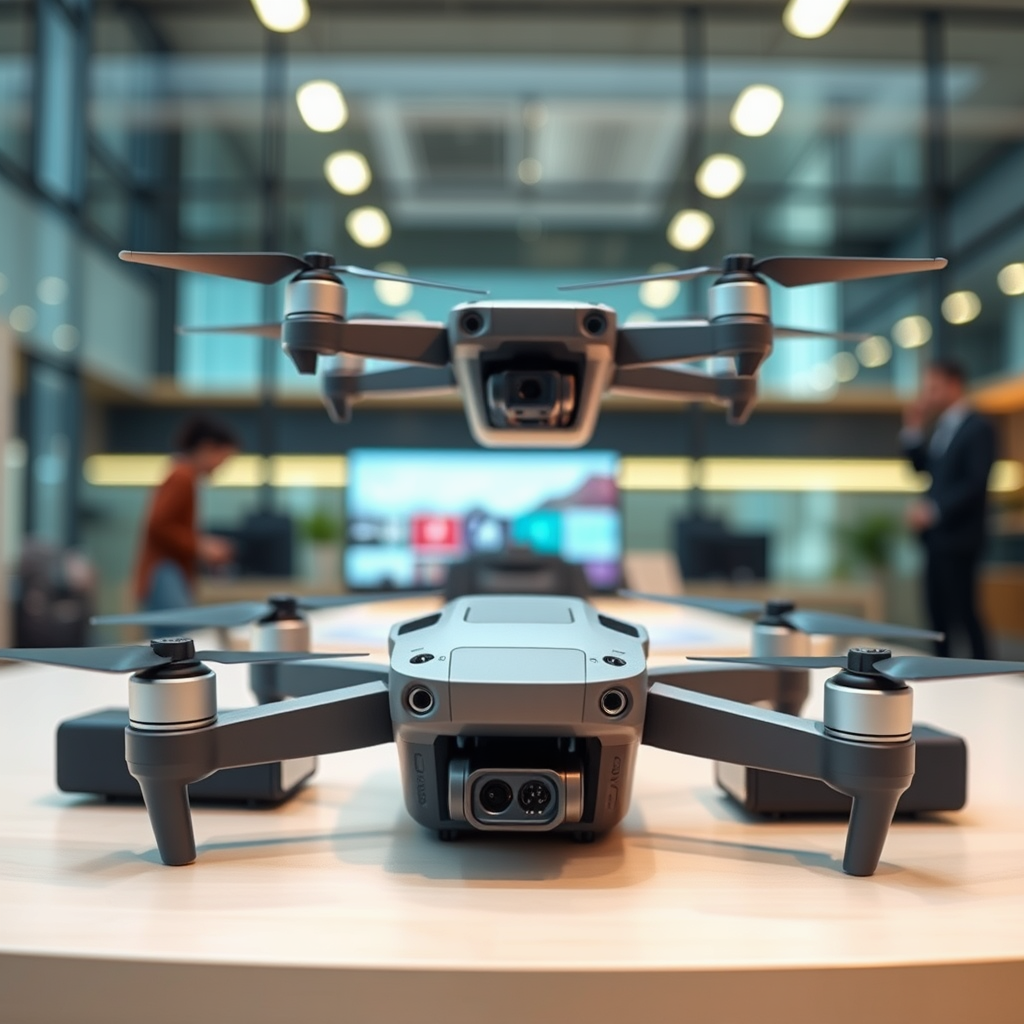
The DJI Mini 3 Pro and the HoverAir X1 Pro Max are both celebrated entries in the burgeoning lightweight selfie drone market, attracting hobbyists and professionals alike. The DJI Mini 3 Pro has quickly gained a reputation for its advanced technology, exceptional camera capabilities, and robust performance, making it a go-to choice for capturing stunning aerial selfies. Meanwhile, the HoverAir X1 Pro Max appeals to a more budget-conscious audience, providing an entry-level option with basic features and ease of use. Both drones have carved out their niches, but understanding their strengths and weaknesses is key to making an informed decision.
Range and Connectivity
One of the most significant distinctions between the DJI Mini 3 Pro and the HoverAir X1 Pro Max lies in their range and connectivity capabilities. The DJI Mini 3 Pro is equipped with O3 transmission technology, which allows for a remarkable control range of up to 10 kilometers. This advanced system utilizes dual-band frequency transmission, ensuring a stable and reliable connection even at extended distances. This capability is particularly advantageous for capturing expansive landscapes or filming events from a distance, as it allows users to maintain a clear signal without sacrificing video quality.
In contrast, the HoverAir X1 Pro Max operates on a more conventional Wi-Fi connectivity system, which limits its range to a mere 500 meters. While this may suffice for casual users flying in small areas, the restricted distance can be a significant drawback for those seeking to explore larger environments or capture more dynamic shots. The limited connectivity not only affects the potential for creative shots but also poses challenges in maintaining a stable connection during flight.
Camera Quality and Features
When it comes to camera specifications, the DJI Mini 3 Pro outshines the HoverAir X1 Pro Max significantly. The Mini 3 Pro boasts a high-quality 48MP camera capable of shooting 4K video at 60 frames per second, providing exceptional clarity and detail for both photographs and videos. Additionally, the Mini 3 Pro features advanced stabilization technology, including a three-axis gimbal, ensuring smooth footage even in windy conditions or during rapid movements.
The HoverAir X1 Pro Max, while equipped with a more basic camera, offers a resolution of 12MP and supports 1080p video recording. Although this is adequate for casual use, it falls short of the high-definition quality that many users expect from modern drones. Moreover, the Mini 3 Pro offers a range of intelligent shooting modes, such as ActiveTrack and Spotlight, which enhance the user experience by making it easier to capture dynamic shots. The HoverAir, on the other hand, lacks these advanced tracking features, which can limit the creative possibilities for users.
Flight Performance and Battery Life
In terms of flight performance, the DJI Mini 3 Pro is engineered for excellence, featuring a maximum flight time of approximately 34 minutes under optimal conditions. This extended battery life allows users to capture more footage without the need for frequent recharging. The Mini 3 Pro also incorporates advanced flight stabilization technology, ensuring smooth and controlled maneuvers, even in challenging weather conditions.
The HoverAir X1 Pro Max, while user-friendly, offers a significantly shorter flight time, averaging around 15 minutes. This limitation can be a considerable inconvenience for users looking to maximize their aerial photography sessions. Additionally, the HoverAir’s stability may not match that of the Mini 3 Pro, especially in windy conditions, which could result in less reliable flight performance.
Portability and Design
Both drones are designed with portability in mind, but they differ in their specifications. The DJI Mini 3 Pro weighs approximately 249 grams, making it very lightweight and easy to transport. Its foldable design allows users to pack it conveniently into backpacks or carry-on luggage, enhancing its appeal for travelers and adventurers.
The HoverAir X1 Pro Max, while also lightweight, weighs slightly more and has a bulkier design. Although it is still portable, the lack of a foldable design could make it less convenient for users who prioritize easy transport. In terms of aesthetics, the Mini 3 Pro features a sleek, modern look, while the HoverAir has a more conventional drone appearance. User-friendliness is also an essential factor; the DJI Mini 3 Pro offers an intuitive app interface, facilitating ease of use for both beginners and experienced drone pilots.
Price Comparison and Value for Money
Price is always a critical factor when considering a new drone. The DJI Mini 3 Pro is positioned at a higher price point, typically around $759, reflecting its advanced features and capabilities. In contrast, the HoverAir X1 Pro Max is more budget-friendly, generally available for around $299. However, while the HoverAir may seem like an attractive option for those on a budget, the significant performance differences—particularly in camera quality, range, and flight time—may make the Mini 3 Pro a more worthwhile investment for serious enthusiasts.
When evaluating value for money, it’s essential to consider not only the initial purchase price but also the long-term benefits of each drone. The DJI Mini 3 Pro’s superior technology and performance can lead to a more satisfying user experience, potentially justifying the higher cost for those who intend to use the drone frequently or for professional purposes.
User Reviews and Community Feedback
User reviews and community feedback play a crucial role in understanding the real-world performance of these drones. The DJI Mini 3 Pro has garnered overwhelmingly positive reviews, with users praising its camera quality, flight stability, and range. Many users highlight the intuitive app interface and the variety of intelligent shooting modes as standout features, resulting in an overall high satisfaction rating.
Conversely, the HoverAir X1 Pro Max has received mixed reviews. While users appreciate its affordability and ease of use, many express disappointment with its limited range and basic camera capabilities. Common complaints include connectivity issues and shorter flight times, indicating that while the HoverAir is suitable for beginners, it may not meet the expectations of more experienced pilots looking for advanced features.
The competition between the DJI Mini 3 Pro and HoverAir X1 Pro Max shows a clear distinction in capabilities, particularly in range and photo quality. The Mini 3 Pro stands out with its superior technology and features, making it a top choice for selfie enthusiasts. If you’re looking for a drone that delivers exceptional performance and quality, the DJI Mini 3 Pro is likely the better investment. Explore your options further and find the drone that best fits your photography style and needs.
Frequently Asked Questions
What are the key differences between the DJI Mini 3 Pro and the HoverAir X1 Pro Max in terms of camera quality?
The DJI Mini 3 Pro boasts a superior camera system, featuring a 48MP sensor that can shoot 4K video at 60fps, making it ideal for high-quality aerial photography and videography. In contrast, the HoverAir X1 Pro Max has a more modest camera setup, typically offering lower resolutions that may not meet the demands of professional users. For those prioritizing image and video quality, the DJI Mini 3 Pro is the clear choice.
How does the transmission range compare between the DJI Mini 3 Pro and the HoverAir X1 Pro Max?
The DJI Mini 3 Pro is equipped with O3 technology, allowing for an impressive transmission range of up to 10 kilometers, which is ideal for extensive aerial exploration and capturing distant subjects. Meanwhile, the HoverAir X1 Pro Max operates over a Wi-Fi connection with a significantly shorter range of about 500 meters, limiting its usability for long-distance flights. Users who plan to fly far or in expansive areas will benefit from the DJI Mini 3 Pro’s extended range.
Why is the weight of a drone important when choosing between the DJI Mini 3 Pro and the HoverAir X1 Pro Max?
The weight of a drone plays a crucial role in its portability, flight time, and regulatory requirements. The DJI Mini 3 Pro is lightweight and compact, making it easy to carry for on-the-go shooting, while also benefiting from longer flight durations due to its efficient design. In contrast, the HoverAir X1 Pro Max is generally heavier, which could affect its ease of transport and may require more effort to meet certain regulatory standards in various regions.
Which drone is better for beginners, the DJI Mini 3 Pro or the HoverAir X1 Pro Max?
For beginners, the DJI Mini 3 Pro is often considered the better option due to its user-friendly features such as automated shooting modes, obstacle avoidance, and a more stable flight experience. These features help new pilots gain confidence while capturing high-quality footage. The HoverAir X1 Pro Max, while still accessible, may lack some of the advanced features that enhance safety and ease of use for novice drone operators.
What are the battery life and flight time differences between the DJI Mini 3 Pro and the HoverAir X1 Pro Max?
The DJI Mini 3 Pro offers an impressive flight time of up to 34 minutes on a single charge, allowing for extended shooting sessions without the need for frequent landings to swap batteries. On the other hand, the HoverAir X1 Pro Max typically has a shorter flight duration, often around 15-20 minutes, depending on usage. This difference in battery life can significantly impact how users plan their aerial activities, with the Mini 3 Pro providing more flexibility for longer flights.
References
- Drone
- https://www.bbc.com/news/technology-63215438
- https://www.theguardian.com/technology/2023/oct/18/drones-in-2023-what-you-need-to-know
- https://www.nytimes.com/2023/10/15/technology/drones-2023.html
- https://www.wired.com/category/tech/
- https://www.sciencedirect.com/science/article/pii/S221201731930020X
- https://www.nist.gov/news-events/news/2023/06/understanding-drone-technology-and-its-impact-society
- Unmanned Aircraft Systems (UAS) | Federal Aviation Administration
- https://www.techcrunch.com/2023/10/17/consumer-drone-technology-advancements/
