
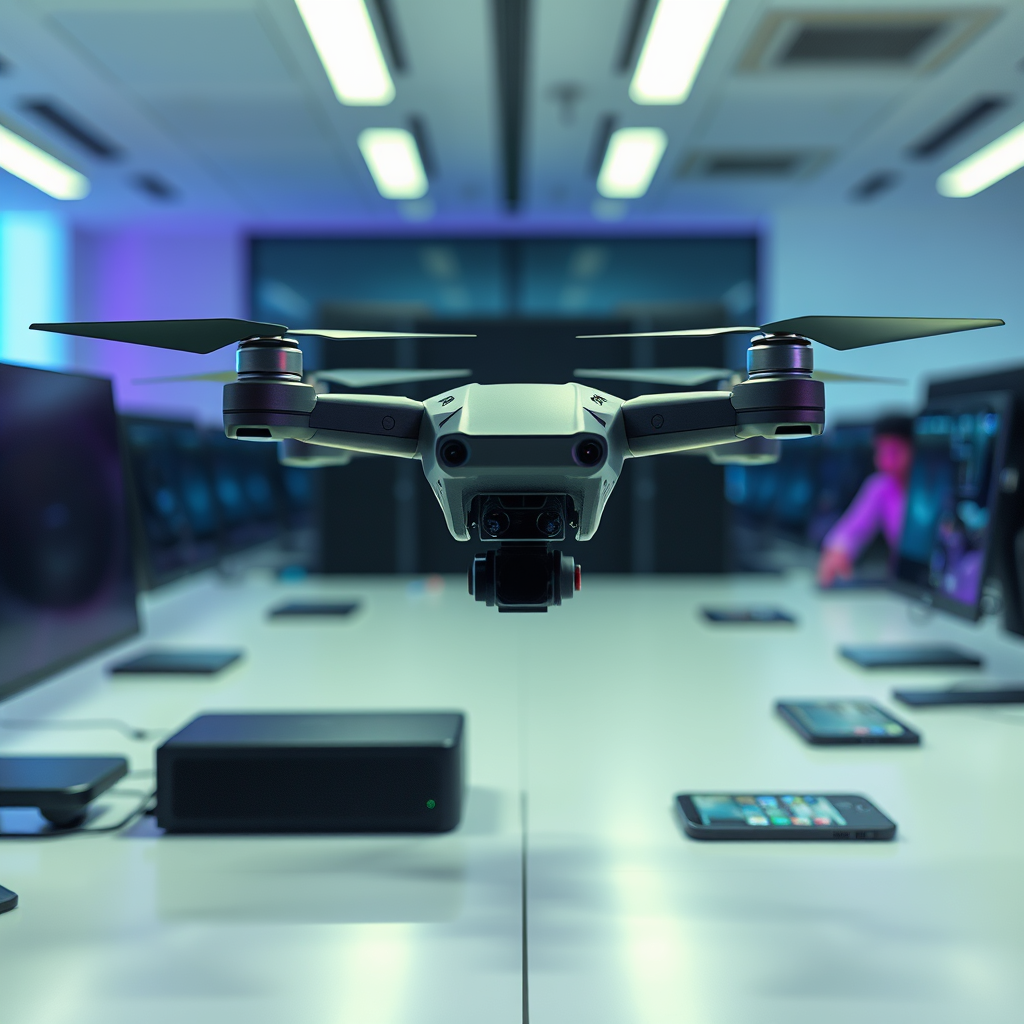
The Lucid Sanitization Drone outshines the HoverAir X1 Pro Max in terms of Wi-Fi coverage, boasting a robust 2km range compared to the HoverAir’s 500m. This makes the Lucid drone a superior option for those seeking extensive sanitization capabilities across larger areas. In this article, we will delve into the features, performance, and usability of both drones, providing you with a comprehensive understanding to determine which model is best suited for your cleaning needs.
Overview of the Drones
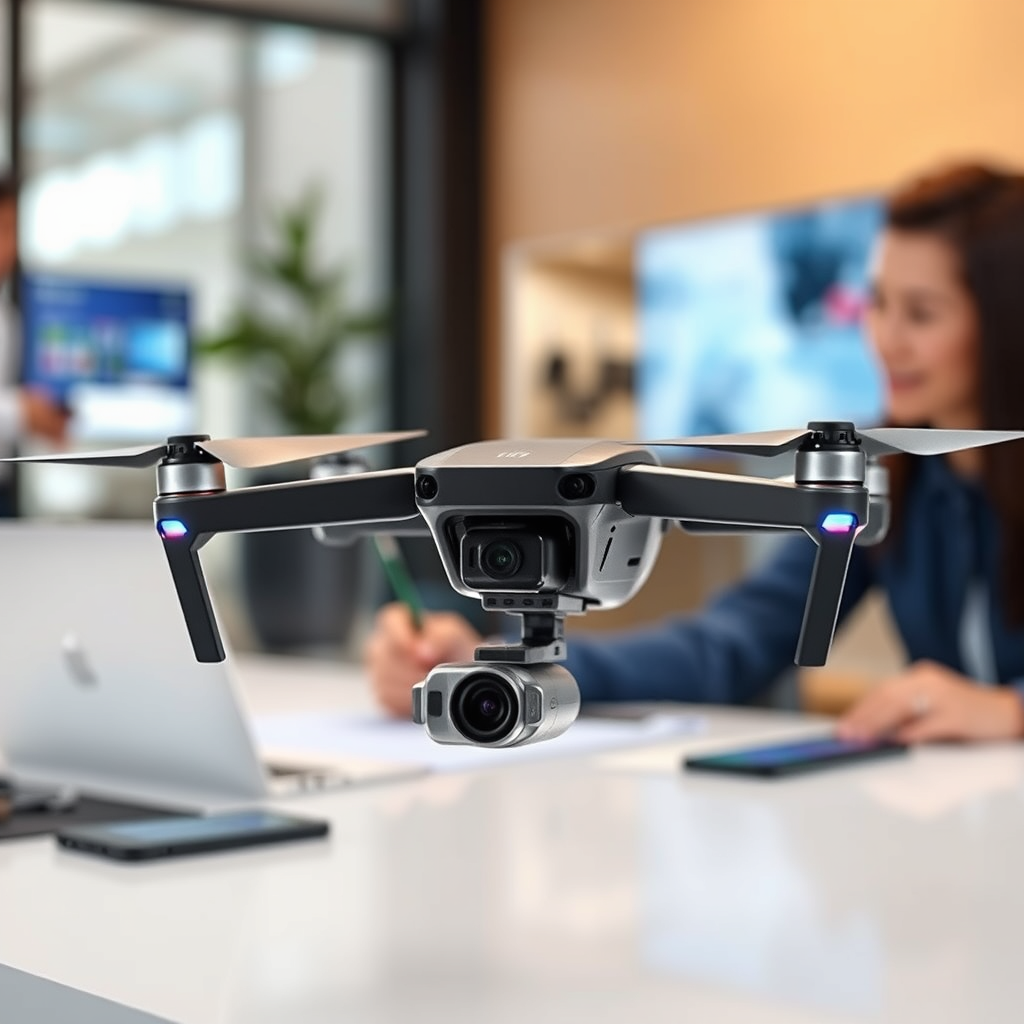
The Lucid Sanitization Drone is designed specifically for sanitization purposes, leveraging advanced technology to deliver effective disinfection solutions in various environments, from large commercial spaces to outdoor areas. Equipped with a high-capacity misting system, the Lucid drone is capable of dispersing sanitizing agents efficiently over substantial distances, making it an ideal choice for public health efforts, especially in the wake of global health challenges.
On the other hand, the HoverAir X1 Pro Max is marketed as a versatile cleaning drone, suitable for both indoor and outdoor applications. While it aims to provide effective cleaning capabilities, its design leans more towards general cleaning tasks rather than specialized sanitization. The HoverAir’s compact design and maneuverability make it a practical option for smaller spaces, but it may not be as effective in broader areas where thorough sanitization is needed.
Wi-Fi Range Comparison
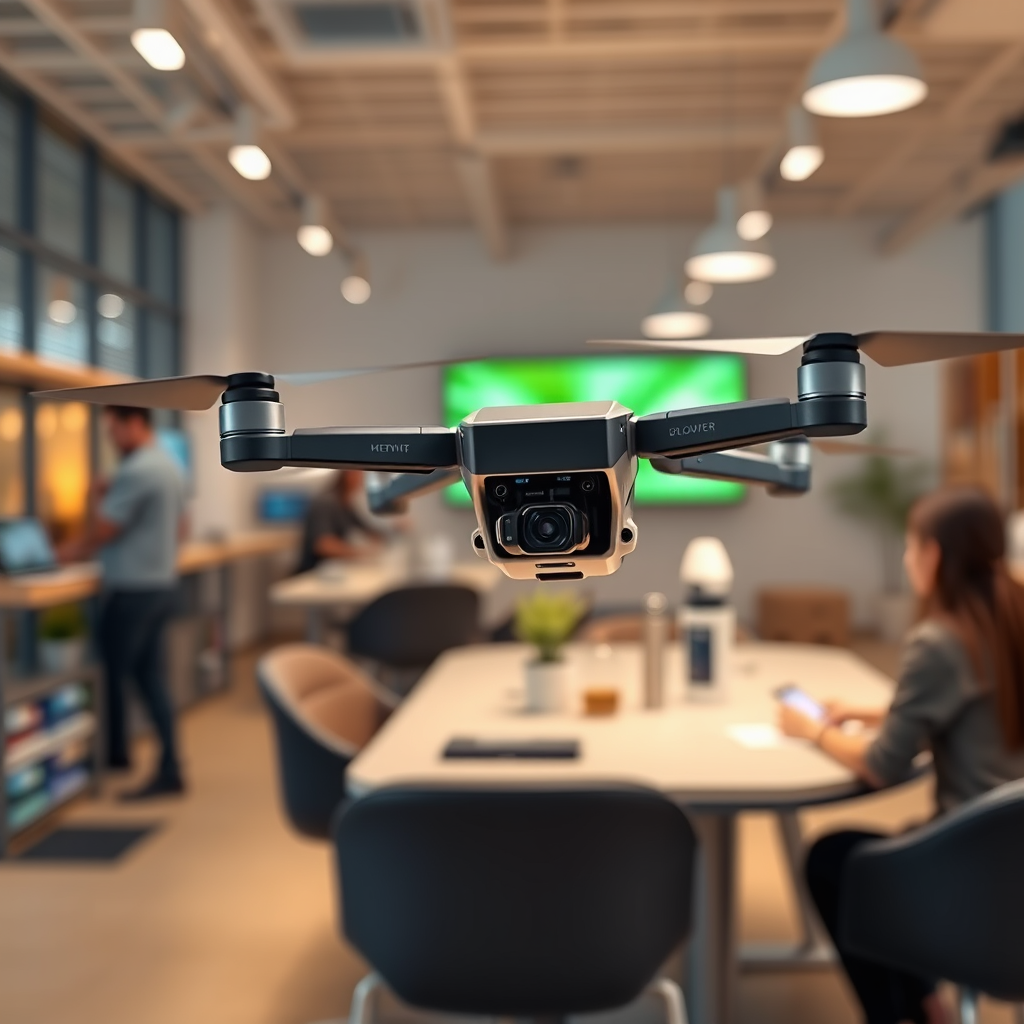
The standout feature of the Lucid Sanitization Drone is its impressive 2km Wi-Fi range. This extended coverage allows users to control the drone from a significant distance, enabling it to reach remote and expansive locations without the need for constant supervision. The drone’s robust connectivity is particularly advantageous in large facilities, outdoor venues, and even urban environments where maintaining a safe distance from crowds is essential.
In contrast, the HoverAir X1 Pro Max’s 500m Wi-Fi range poses limitations on its operational scope. While this range may suffice for smaller properties, it restricts the drone’s ability to cover larger areas efficiently. Users may find themselves needing to reposition frequently or operate the drone within close proximity to maintain a reliable connection, which can be a drawback for those looking to maximize their cleaning efforts in larger settings.
Cleaning Efficiency
When it comes to cleaning efficiency, both drones employ distinct technologies tailored to their intended uses. The Lucid Sanitization Drone utilizes a high-efficiency misting system that allows for thorough coverage with minimal solution waste. Its ability to saturate surfaces evenly ensures effective disinfection, making it suitable for environments requiring stringent hygiene standards, such as hospitals, schools, and public transportation facilities.
The HoverAir X1 Pro Max, while equipped with a basic cleaning mechanism that includes vacuuming and scrubbing functions, may not achieve the same level of sanitization precision as the Lucid model. Its capabilities are more aligned with routine cleaning tasks, such as removing dirt and debris, rather than in-depth sanitization. As such, users may find that while the HoverAir is adequate for general cleaning, it falls short in scenarios that necessitate thorough disinfection.
Performance metrics further illustrate these differences. The Lucid Sanitization Drone’s operational speed is optimized for sanitization, allowing it to cover large areas quickly without compromising effectiveness. Conversely, the HoverAir X1 Pro Max, while agile, may require more time to achieve satisfactory results in larger spaces due to its limited range and cleaning power.
Usability Features
The Lucid Sanitization Drone excels in user-friendliness, boasting an intuitive control interface that simplifies operation for users of all skill levels. Its mobile application provides real-time monitoring, allowing users to adjust settings and track progress from their smartphones. Additionally, the drone features automated flight paths, enabling it to operate independently, which enhances its usability in complex environments.
In contrast, the HoverAir X1 Pro Max offers certain unique features, such as customizable cleaning modes and a user-friendly remote control. However, the 500m connectivity limitation can hinder its overall usability in larger settings. Users may experience frustration if they need to continuously navigate the drone within the restricted range. While it is designed to be straightforward, the HoverAir’s functionality is somewhat compromised by its infrastructure and operational constraints.
Maintenance and Support
Maintenance requirements for the Lucid Sanitization Drone are relatively straightforward. Regular cleaning of the misting system and occasional software updates ensure optimal performance. The manufacturer provides comprehensive guidelines for upkeep, including troubleshooting tips, which are invaluable for new users.
The HoverAir X1 Pro Max also has manageable maintenance needs, with primary focus on battery care and cleaning of the vacuum components. However, users may encounter challenges if the drone requires repairs, as customer support responses can vary. In terms of warranty options, both models offer reasonable coverage; however, the specifics may differ, making it essential for potential buyers to review the terms carefully.
Price and Value Assessment
In terms of pricing, the Lucid Sanitization Drone generally commands a higher price point, reflecting its advanced technology and extensive sanitization capabilities. While the initial investment may be substantial, the value it provides in terms of efficiency and health safety can outweigh the costs, particularly for businesses and organizations that prioritize hygiene.
The HoverAir X1 Pro Max is positioned at a more accessible price range, making it an attractive option for consumers seeking an affordable cleaning solution. However, it is crucial to consider the long-term value. While the lower upfront cost may seem appealing, users must evaluate whether its limited functionality can meet their cleaning needs adequately.
User Reviews and Feedback
Customer reviews for the Lucid Sanitization Drone are largely positive, with many users praising its effectiveness and ease of use. Feedback often highlights the drone’s ability to reach difficult areas and provide thorough sanitization, making it a preferred choice for large-scale operations. Some users have noted the excellent customer support, which enhances the overall ownership experience.
In comparison, user experiences with the HoverAir X1 Pro Max are mixed. While some appreciate its compact design and general cleaning capabilities, others express concerns about the limitations posed by its Wi-Fi range and cleaning power. Users seeking robust sanitization may find themselves disappointed, as the HoverAir does not consistently meet the cleaning standards required in more sensitive environments.
The Lucid Sanitization Drone clearly leads in Wi-Fi range and cleaning capability, making it a more versatile option for those in need of effective sanitization solutions. Meanwhile, the HoverAir X1 Pro Max offers unique features that may appeal to specific users. Weighing these factors will help you make an informed decision on which drone best fits your cleaning needs.
Frequently Asked Questions
What are the main differences between the Lucid Sanitization Drone and the HoverAir X1 Pro Max in terms of sanitization capabilities?
The Lucid Sanitization Drone is specifically designed for large-scale sanitization tasks, utilizing UV-C light technology and a high-capacity disinfectant spray system. In contrast, the HoverAir X1 Pro Max focuses on versatility with advanced imaging features, but its sanitization capabilities are limited to a smaller area due to its 500m Wi-Fi range. If your priority is thorough sanitization over a wider area, the Lucid Drone may be the better option.
How does the Wi-Fi range impact the operational efficiency of the Lucid Sanitization Drone and HoverAir X1 Pro Max?
The Lucid Sanitization Drone boasts a 2km Wi-Fi range, allowing for greater operational flexibility and the ability to cover large areas without losing connection. This extended range ensures that operators can control the drone from a significant distance, making it suitable for expansive environments. On the other hand, the HoverAir X1 Pro Max, with its 500m Wi-Fi limit, may require more frequent repositioning or manual oversight, potentially reducing efficiency during extensive cleaning tasks.
Why is Wi-Fi range important for drones used in sanitization tasks?
Wi-Fi range is crucial for sanitization drones because it determines how far the operator can control the drone without losing connectivity. A longer range allows for remote operation over larger areas, which is particularly beneficial for sanitizing large facilities or outdoor spaces. In contrast, a shorter range may necessitate closer proximity, which can hinder the drone’s effectiveness in covering extensive regions quickly and efficiently.
Which drone is best for commercial sanitization purposes, the Lucid Sanitization Drone or the HoverAir X1 Pro Max?
For commercial sanitization purposes, the Lucid Sanitization Drone is typically the better choice due to its specialized design for disinfecting large areas effectively. Its advanced sanitization features, including UV-C lighting and a larger disinfectant capacity, make it ideal for businesses seeking efficient cleaning solutions. While the HoverAir X1 Pro Max offers versatile features and imaging capabilities, its limited sanitization effectiveness and shorter Wi-Fi range may not meet the demands of larger commercial operations.
How do the features of the Lucid Sanitization Drone and the HoverAir X1 Pro Max affect their cost-effectiveness in sanitization?
The Lucid Sanitization Drone, though potentially higher in initial cost due to its specialized technology, often proves more cost-effective in the long run for large sanitization projects due to its efficiency and effectiveness. Faster coverage of larger areas can result in lower labor costs and quicker turnaround times. Meanwhile, the HoverAir X1 Pro Max may be less expensive upfront, but its limited range and capabilities could lead to increased operational time and labor expenses, making it less cost-effective for extensive sanitization tasks.
References
- Drone
- https://www.bbc.com/news/technology-57356826
- https://www.sciencedirect.com/science/article/pii/S2352864821002468
- https://www.nytimes.com/2021/02/17/technology/drones-cleaning.html
- https://www.theguardian.com/us-news/2020/mar/27/drones-use-coronavirus-cleaning-sanitization
- https://www.wired.com/story/how-drones-are-helping-in-the-fight-against-covid-19/
- https://www.techcrunch.com/2021/05/12/cleaning-drones/
- https://www.nasa.gov/centers/armstrong/news/FactSheets/FS-070-DFRC.html
- Unmanned Aircraft Systems (UAS) | Federal Aviation Administration
- https://www.cdc.gov/niosh/topics/cleaning.html
