
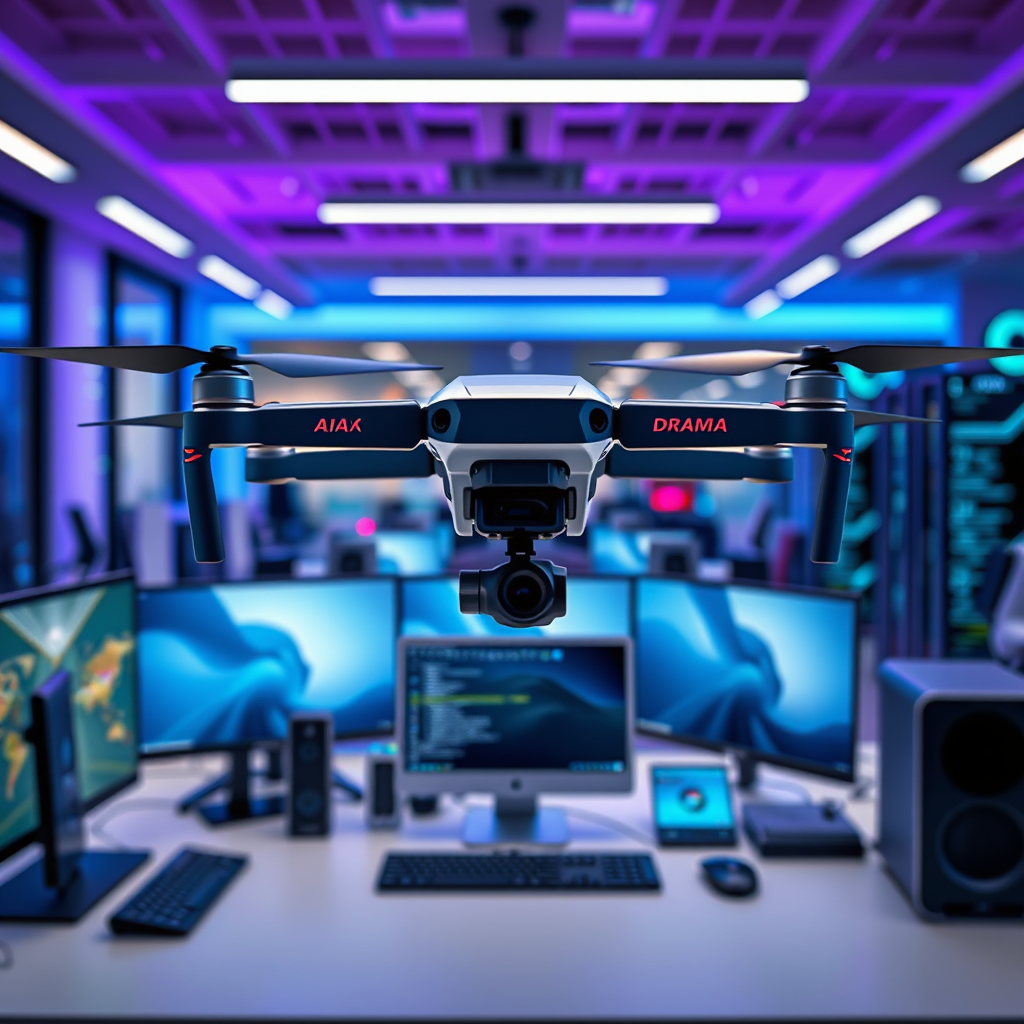
The DJI Air 3S outshines the HoverAir X1 in terms of range and camera capabilities, making it the superior option for serious drone enthusiasts. With its remarkable O4 transmission technology that supports an impressive flight range of up to 20 kilometers, the Air 3S caters to advanced users seeking high-quality aerial photography and videography. In contrast, the HoverAir X1, while budget-friendly and user-oriented, offers a limited operational range of just 500 meters, which significantly restricts creative possibilities. This article will explore the key differences between the two drones, focusing on their operational range, camera features, and overall performance to help you make an informed decision.
Range Comparison: O4 20km vs. 500m Wi-Fi
When it comes to range, the DJI Air 3S leads the pack with its O4 transmission technology, which allows for a remarkable operational distance of up to 20 kilometers (approximately 12.4 miles). This technology not only enhances flight range but also ensures a stable connection, allowing users to capture stunning images and videos from far-off locations. The extended range is particularly beneficial for professionals who require long-distance shots, such as landscape photographers or filmmakers capturing expansive scenes.
In stark contrast, the HoverAir X1 is limited to a mere 500-meter Wi-Fi range. This significant restriction means that users must remain relatively close to the drone, which can hinder the ability to explore and capture unique perspectives. This limitation is particularly noticeable when attempting to film subjects from a distance or when navigating challenging terrains. For casual users, the HoverAir X1 may suffice for basic photography, but for those looking to push the boundaries of aerial imaging, the DJI Air 3S is the clear choice.
Camera Features: Dual-Camera Innovations
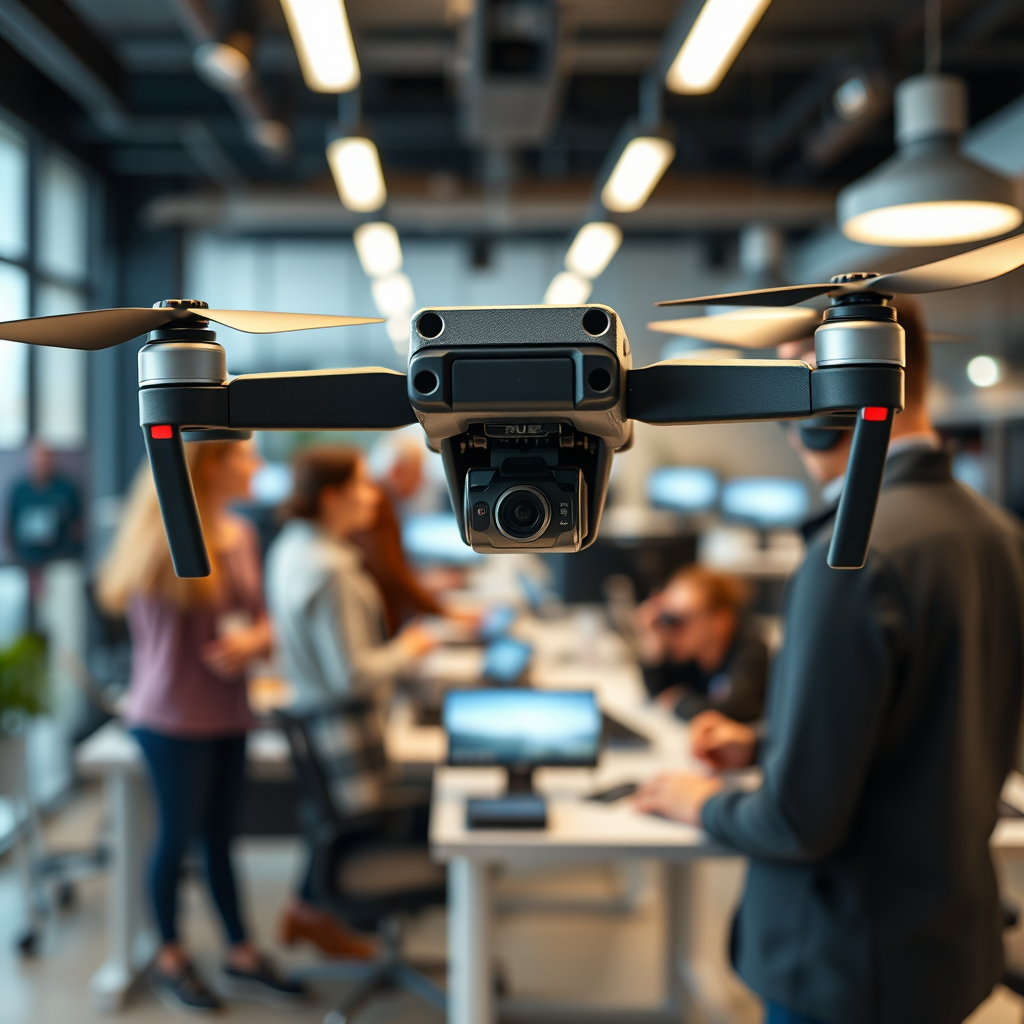
The camera capabilities of the DJI Air 3S are a major selling point. Featuring a dual-camera system, including a 1/1.3-inch CMOS sensor, the Air 3S excels in producing high-resolution images and 4K video at 60 frames per second. This advanced imaging technology allows for exceptional low-light performance, improved dynamic range, and stunning detail—qualities that are crucial for both professional and enthusiast photographers. Additionally, the dual-camera setup provides versatility, allowing users to switch between wide-angle and telephoto lenses, further enhancing creative possibilities.
On the other hand, the HoverAir X1 offers a more basic dual-camera setup that lacks the advanced imaging technology of the Air 3S. While it may produce acceptable images for casual users, the overall quality falls short of professional standards. The absence of features like 4K video, superior low-light performance, and image stabilization means that the X1 may struggle to capture high-quality visuals, particularly in challenging lighting or fast-moving environments. For serious drone enthusiasts, the camera capabilities of the DJI Air 3S make it the superior option.
Flight Performance: Stability and Maneuverability
Flight performance is critical for any drone, and the DJI Air 3S excels in this area due to its advanced stabilization features. Equipped with a three-axis gimbal and sophisticated flight algorithms, the Air 3S ensures smooth video capture and stable flight even in windy conditions. This stability is essential for professional videographers who require precise control and quality footage. Furthermore, the Air 3S offers various intelligent flight modes, such as ActiveTrack and Point of Interest, which enhance user experience and creative potential.
Conversely, the HoverAir X1, while designed to be user-friendly, may not perform as reliably in adverse conditions. Users have reported that the X1 can struggle with stability during windy weather, which can lead to shaky footage and compromised image quality. While it is suitable for beginners and casual users, those looking for robust performance in diverse environments may find the HoverAir X1 lacking. The DJI Air 3S clearly demonstrates superior stability and maneuverability, making it the optimal choice for serious aerial photography.
Battery Life: Endurance on the Go
Battery life is another crucial factor when evaluating drones, and the DJI Air 3S stands out with its impressive flight time of up to 46 minutes. This extended battery life is particularly advantageous for photographers and videographers who need longer shooting sessions without the hassle of frequent recharging. The Air 3S also features intelligent battery management systems that help optimize performance and extend lifespan.
In contrast, the HoverAir X1 offers a much shorter average flight time of around 20 minutes. While this may be adequate for casual users engaging in brief flights, it can be limiting for more serious applications, requiring users to plan for more frequent battery swaps. The difference in battery life is significant, particularly for those who wish to maximize their shooting opportunities without interruptions. The DJI Air 3S is, therefore, the better option for extended use and professional-grade work.
User Experience: Ease of Use and Control
Both drones are designed with user-friendly controls, but they cater to different audiences. The DJI Air 3S provides a wealth of advanced flight modes that enable creative photography and videography, including features like Mastershots, Quickshots, and customizable settings. This versatility allows experienced users to harness the full potential of the drone, making it an ideal choice for professionals and serious hobbyists.
On the other hand, the HoverAir X1 is primarily aimed at beginners and casual users. Its simplified controls and straightforward functionality make it easy to operate, even for those who have never flown a drone before. However, this ease of use comes at the cost of versatility and creative options, limiting the overall experience for users looking to explore advanced aerial imaging techniques. Thus, while the HoverAir X1 is accessible for novices, the DJI Air 3S offers a more enriching experience for those willing to invest time in mastering its capabilities.
Pricing and Value: Which One is Worth It?
Price is an essential consideration when choosing a drone. The DJI Air 3S is priced higher due to its advanced features, exceptional range, and superior imaging capabilities. This investment is justified for serious hobbyists and professionals who require high-quality performance and reliability in their aerial photography endeavors. The value provided by the Air 3S is evident in its extensive feature set and overall quality.
Conversely, the HoverAir X1 presents a budget-friendly option for those who are new to drones or seeking a more casual experience. Its lower price point makes it an attractive choice for users who do not require the extensive features of the Air 3S. However, prospective buyers should consider whether the limitations of the X1 align with their needs and expectations. For those who prioritize professional-grade capabilities, the additional investment in the DJI Air 3S is likely worth it.
The DJI Air 3S clearly leads in terms of range, camera quality, and overall performance compared to the HoverAir X1. For those looking for a serious drone with exceptional capabilities, the Air 3S is the clear winner. However, if you’re just starting out or seeking a more affordable option, the HoverAir X1 remains a solid choice. Explore your needs and decide which drone aligns best with your aerial photography ambitions!
Frequently Asked Questions
What are the key differences between the DJI Air 3S and the HoverAir X1?
The DJI Air 3S and the HoverAir X1 cater to different aerial photography needs. The Air 3S features advanced capabilities with a robust O4 transmission system that offers a range of up to 20 kilometers, making it ideal for professional photographers and videographers. In contrast, the HoverAir X1 utilizes a Wi-Fi connection with a limited range of 500 meters, making it more suitable for casual users or those who need a drone for short-range activities like selfies and family gatherings.
How does the camera quality of the DJI Air 3S compare to the HoverAir X1?
The DJI Air 3S is equipped with a dual-camera system that captures stunning 4K video and high-resolution photos, offering superior image quality and low-light performance. On the other hand, the HoverAir X1 features a simpler camera system designed primarily for selfies, providing decent quality but lacking the advanced features found in the Air 3S, such as enhanced stabilization and various shooting modes.
Why should I choose the DJI Air 3S over the HoverAir X1 for my aerial photography?
If you’re a serious photographer or videographer, the DJI Air 3S is the better choice due to its superior range, enhanced camera capabilities, and advanced features such as obstacle avoidance and intelligent flight modes. The Air 3S’s O4 transmission technology ensures a stable connection over long distances, enabling you to capture high-quality footage from unique angles that would be challenging to achieve with the HoverAir X1’s limited range.
Which drone is more beginner-friendly, the DJI Air 3S or the HoverAir X1?
The HoverAir X1 is generally more beginner-friendly due to its simple controls and lower price point. Its Wi-Fi connectivity and user-friendly app make it easy for newcomers to start flying and capturing selfies quickly. However, the DJI Air 3S, while more complex, offers beginner modes and intelligent flight features that can assist new users in learning to navigate and operate the drone effectively.
What are the battery life differences between the DJI Air 3S and the HoverAir X1?
The DJI Air 3S boasts a longer battery life, typically providing up to 31 minutes of flight time, allowing for extended aerial sessions without frequent recharges. In contrast, the HoverAir X1 has a shorter battery life, generally around 10 to 15 minutes, which may limit your flying time, especially if you plan to take multiple shots or videos. Therefore, for those looking for longer flight sessions, the DJI Air 3S is the more advantageous option.
References
- Drone
- https://www.bbc.com/news/technology-66095785
- https://www.theguardian.com/technology/2023/jul/01/dji-air-3-review
- https://www.reuters.com/technology/dji-releases-new-drone-air-3-with-enhanced-features-2023-07-25/
- https://www.sciencedirect.com/topics/engineering/unmanned-aerial-vehicles
- https://www.nytimes.com/2023/07/30/technology/drones-dji-air-3.html
