

When it comes to the Delair UX11 AG and the Freefly Alta X, choosing the right drone for your needs hinges on understanding their unique capabilities, particularly regarding their 5km radio operation. The Delair UX11 AG excels in agricultural applications with its fixed-wing design, offering superior range and efficiency, while the Freefly Alta X is tailored for cinematic filming, providing excellent payload flexibility and stabilization. This detailed comparison will delve into their performance, features, and usability to help you determine which drone aligns best with your requirements.
Overview of the Delair UX11 AG
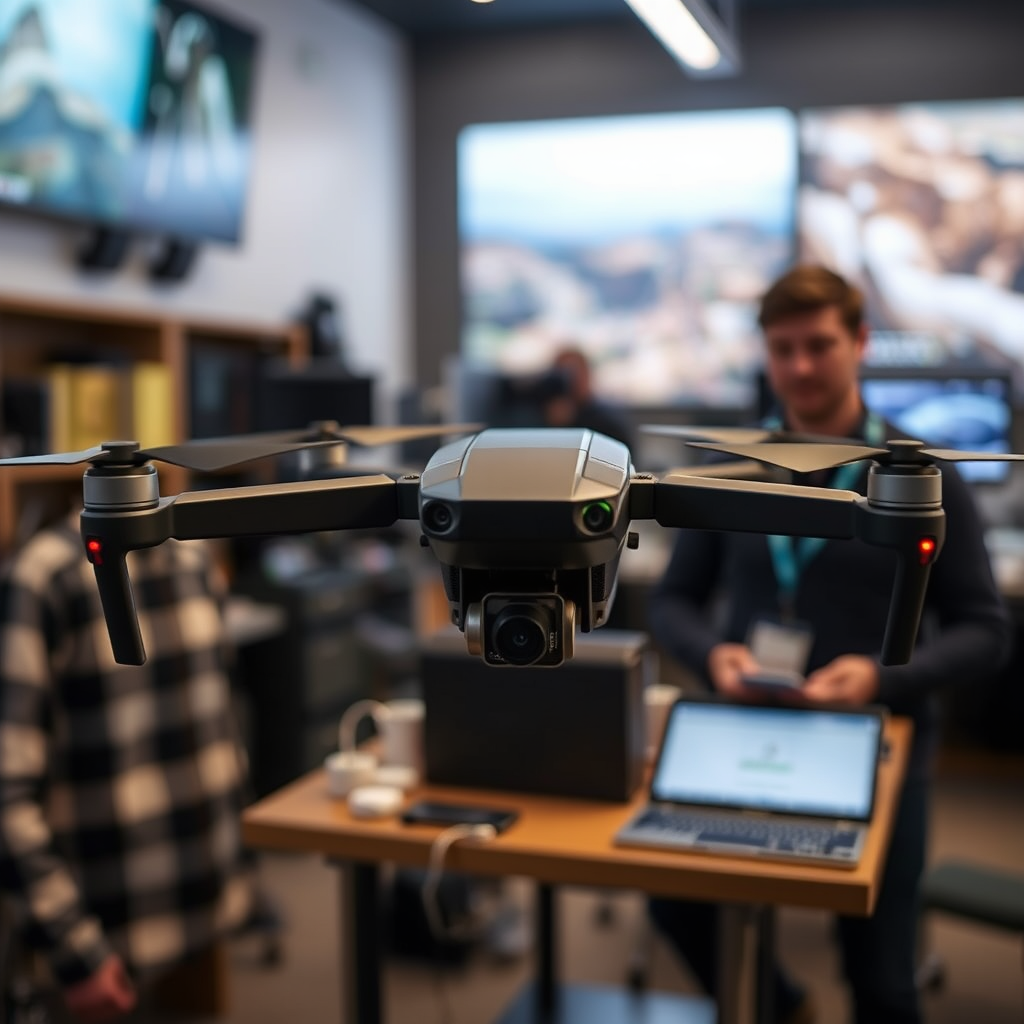
The Delair UX11 AG is meticulously crafted for agricultural data collection and mapping, making it a top choice for professionals in precision agriculture. Its fixed-wing design enables it to cover vast areas efficiently, offering longer flight times—often exceeding 90 minutes—compared to traditional multi-rotor drones. This endurance is crucial for farmers and agronomists who need to gather extensive data over large fields without frequent battery changes. The UX11 AG is equipped with advanced sensors and imaging technology, allowing for high-resolution imagery and data collection that can be easily integrated into precision farming software. This capability not only enhances crop monitoring but also aids in decision-making processes, driving productivity and sustainability in agriculture.
Overview of the Freefly Alta X
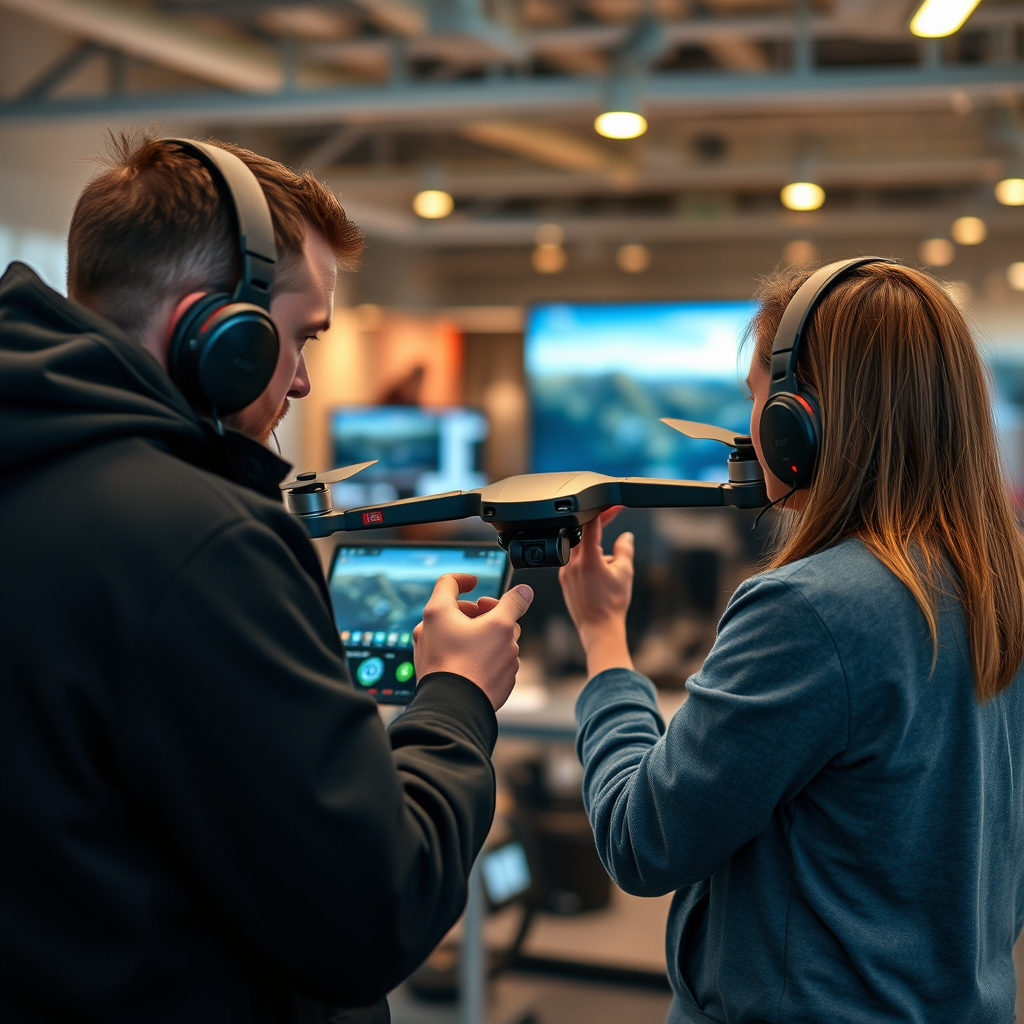
In contrast, the Freefly Alta X is a versatile multi-rotor drone tailored for the world of cinematic filming. It stands out due to its payload flexibility, supporting a wide range of camera setups—from lightweight DSLRs to heavy cinema cameras—making it a favorite among filmmakers and content creators. The Alta X features an innovative design that emphasizes superior stabilization, ensuring smooth and high-quality shots even in dynamic environments. This drone is particularly effective for capturing dramatic aerial footage, thanks to its advanced gimbal technology and ability to fly in various conditions. With a flight time of around 30-40 minutes, the Alta X allows for rapid deployment and immediate access to aerial cinematography, catering to the fast-paced demands of film production.
Radio Range Comparison
Both the Delair UX11 AG and the Freefly Alta X boast a commendable 5km radio range, but their reliability can vary based on several factors. The Delair’s fixed-wing configuration generally offers better range, benefiting from lower drag and optimized aerodynamics. This is particularly advantageous in agricultural settings where the drone may need to operate over expansive and often challenging terrains. However, the performance of both drones can be affected by environmental conditions such as obstacles, interference from buildings or trees, and even weather factors like wind and precipitation. Understanding these variables is crucial when planning a flight, as they can significantly impact the effectiveness of the 5km radio capabilities.
Payload Capacity and Flexibility
Payload capacity is a critical aspect when comparing these two drones. The Delair UX11 AG is specifically optimized for agricultural sensors, such as multispectral and thermal cameras, which are essential for analyzing crop health and soil composition. It can carry specialized equipment designed to gather precise data, making it invaluable for agricultural professionals seeking to enhance their operational efficiency.
On the other hand, the Freefly Alta X’s payload flexibility allows it to adapt to various filming needs, accommodating different cameras and gimbals to suit the creative vision of filmmakers. This adaptability enables cinematographers to achieve a wide range of shots, from sweeping landscape views to close-up action sequences, without being constrained by equipment limitations. This versatility is one of the key reasons why the Alta X is celebrated in the film industry.
Flight Time and Efficiency
When it comes to flight time and efficiency, the Delair UX11 AG clearly excels due to its fixed-wing design. With the capability to sustain flights for over 90 minutes, it allows for extensive data collection in a single outing, reducing the need for frequent landings and battery changes. This efficiency is particularly beneficial in agricultural applications where time and coverage are paramount. The Delair UX11 AG’s ability to cover large areas without interruption is a significant advantage for users focused on comprehensive crop monitoring and mapping tasks.
Conversely, the Freefly Alta X, while offering a shorter flight time of approximately 30-40 minutes, compensates for this with rapid deployment and ease of use. It is designed to be ready for flight almost immediately, making it ideal for fast-paced filming scenarios where every second counts. While its operational duration may be less than that of the Delair, the Alta X’s quick turnaround time and immediate accessibility prove invaluable in the field of cinematography.
Ease of Use and Setup
The Delair UX11 AG may require a higher level of technical knowledge for setup and operation, which could pose a challenge for some users. It often necessitates understanding advanced flight planning software and data processing tools, making it more suited for professionals who have experience in drone operations and data analytics. However, once mastered, the capabilities of the Delair UX11 AG can significantly enhance agricultural workflows and data collection efficiency.
In contrast, the Freefly Alta X is designed for quick and easy setup, appealing to filmmakers who prioritize efficiency and simplicity. Its user-friendly design enables quick adjustments and rapid launches, which is essential on busy film sets. With intuitive controls and straightforward operational procedures, even those with limited drone experience can effectively utilize the Alta X for high-quality cinematic productions.
Cost and Value Analysis
When evaluating the investment in either drone, it is essential to consider the specific use cases that each platform excels in. The Delair UX11 AG represents a significant investment primarily aimed at agricultural professionals. Its cost is justified by the potential returns in enhanced data collection, improved crop yields, and informed decision-making processes. Additionally, long-term costs such as maintenance and software updates must be factored into the overall value equation.
The Freefly Alta X, while also a considerable investment, offers a different value proposition focused on creativity and production quality. Filmmakers can expect to see a return on investment through the high-quality content generated by this drone, which can attract clients and elevate production standards. Like the Delair, the Alta X’s long-term costs, including maintenance and potential upgrades, should be carefully evaluated, especially in a competitive industry where technology is rapidly evolving.
The Delair UX11 AG and Freefly Alta X each have their strengths tailored to specific applications. If your focus is on agricultural data, the Delair might be the better choice due to its extended flight time and specialized payload capabilities. Conversely, for high-quality cinematic productions, the Freefly Alta X stands out with its versatility and ease of use. By assessing your needs based on the outlined comparisons, you can make an informed decision that aligns with your operational requirements and creative aspirations.
Frequently Asked Questions
What are the main differences between the Delair UX11 AG and the Freefly Alta X in terms of flight capabilities?
The Delair UX11 AG is designed primarily for agricultural applications, offering a fixed-wing design that allows for long flight times and efficient coverage of large areas, typically up to 100 km with precise mapping capabilities. In contrast, the Freefly Alta X utilizes a multi-rotor design, making it more suitable for cinematic work and allowing for versatile payload configurations while achieving a maximum flight time of around 35 minutes, depending on the payload. This fundamental difference in design impacts their operational efficiency and suitability for different tasks.
How does the radio range of 5km affect the usability of the Delair UX11 AG and Freefly Alta X?
Both the Delair UX11 AG and Freefly Alta X feature a 5km radio range, which is crucial for maintaining control and ensuring reliable data transmission during flight. For the Delair UX11 AG, this range is particularly beneficial for large agricultural fields, enabling operators to monitor vast areas without losing signal. Conversely, for the Freefly Alta X, the 5km range allows filmmakers to capture dynamic shots from various distances, enhancing creative possibilities while ensuring stable control over the drone.
Why should I choose the Delair UX11 AG over the Freefly Alta X for agricultural applications?
If your primary focus is agricultural monitoring or mapping, the Delair UX11 AG is the better choice due to its fixed-wing design that maximizes flight efficiency and endurance, allowing for longer flight times and larger coverage areas. Additionally, it is equipped with advanced sensors tailored for precision agriculture, providing detailed aerial imagery and data that enhance crop management decisions. The specialized software and analytics tools integrated with the UX11 AG further support agricultural practices, making it a highly effective tool for farmers.
Which drone is better for cinematic purposes: Delair UX11 AG or Freefly Alta X?
The Freefly Alta X is superior for cinematic purposes due to its multi-rotor design, which offers greater maneuverability, stability, and the ability to carry heavier camera payloads. This flexibility allows filmmakers to use various camera systems to capture high-quality, smooth footage even in challenging environments. Its intuitive controls and advanced stabilization technology make it an ideal choice for capturing cinematic shots, whereas the Delair UX11 AG is less suited for dynamic filming due to its fixed-wing configuration.
How do I determine which drone is best for my specific needs between the Delair UX11 AG and Freefly Alta X?
To determine the best drone for your needs, first assess your primary use case. If you require extensive area coverage for agriculture, precision mapping, or data collection, the Delair UX11 AG is designed with these applications in mind. Conversely, if your focus is on capturing high-quality video or images for film production, the Freefly Alta X’s versatility and payload capacity make it the more suitable option. Additionally, consider factors such as budget, flight time, and required features to make an informed decision.
References
- Unmanned aerial vehicle
- https://www.reuters.com/technology/drone-market-outlook-2022-02-10/
- https://www.sciencedirect.com/science/article/pii/S0968090X20301930
- https://www.nytimes.com/2021/04/07/business/drone-delivery.html
- https://www.bbc.com/news/technology-55915310
- drones | TechCrunch
- https://www.wired.com/category/science/drone/
- Unmanned Aircraft Systems (UAS) | Federal Aviation Administration
- https://www.nasa.gov/aeroresearch/programs/uas
- https://www.aaai.org/ojs/index.php/aimagazine/article/view/5713
