

When comparing the Yuneec H850 RTK and Freefly Astro Prime, the Yuneec H850 RTK stands out with its impressive 9km DataLink range, making it a superior choice for long-distance operations. In contrast, the Freefly Astro Prime, with a range of 5km via its Radio Modular system, excels in modularity and rugged design for specialized tasks. This article delves into the key features, performance metrics, and suitability of each drone, providing insights to help you determine which model best aligns with your operational requirements.
Overview of Yuneec H850 RTK
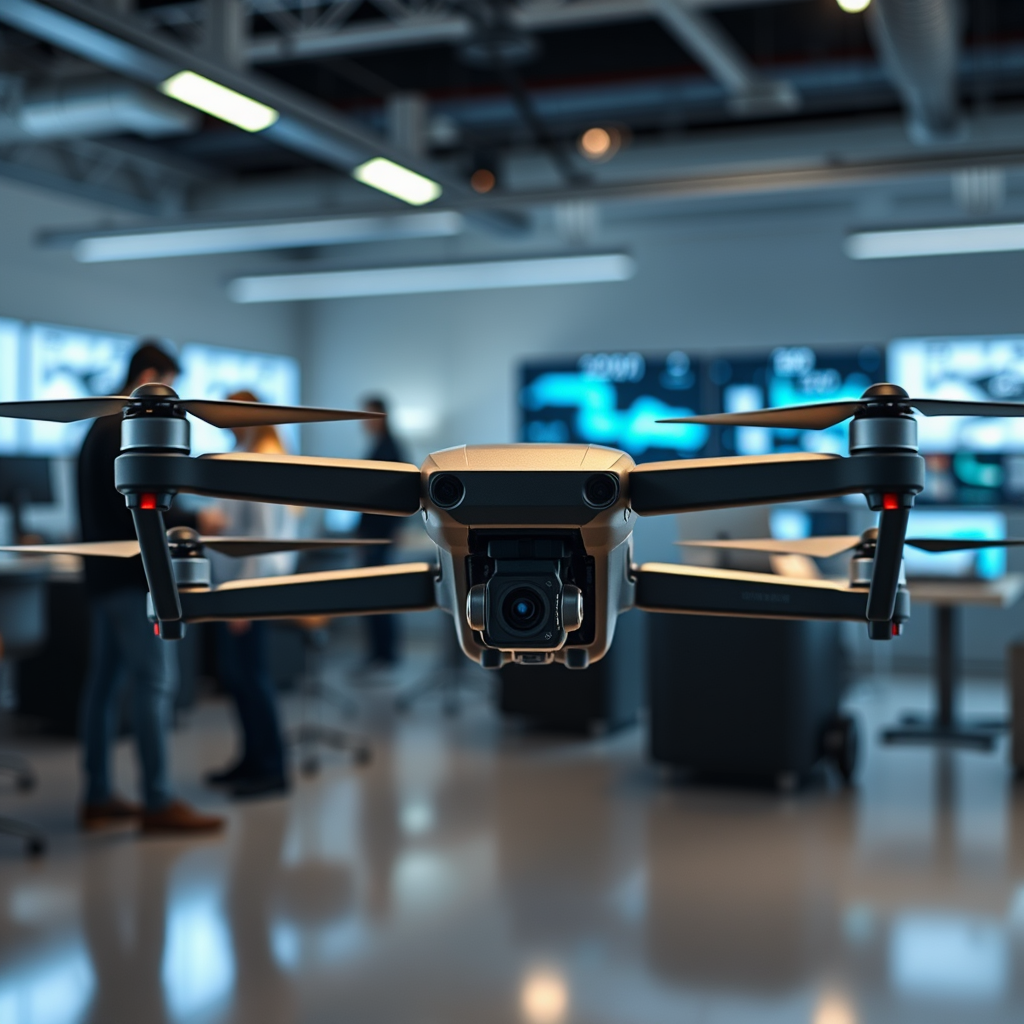
The Yuneec H850 RTK is engineered for precision and reliability, featuring a high-precision Real-Time Kinematic (RTK) system that significantly enhances the accuracy of position data. This capability is essential for applications where every centimeter counts, such as surveying, mapping, and construction. The drone is equipped with a powerful camera system that includes options for high-resolution still imagery and advanced video capabilities, suitable for various enterprise applications including agriculture monitoring and infrastructure inspection. Additionally, the H850 RTK integrates intelligent flight modes and automated mission planning, ensuring ease of use while maximizing operational efficiency.
Overview of Freefly Astro Prime
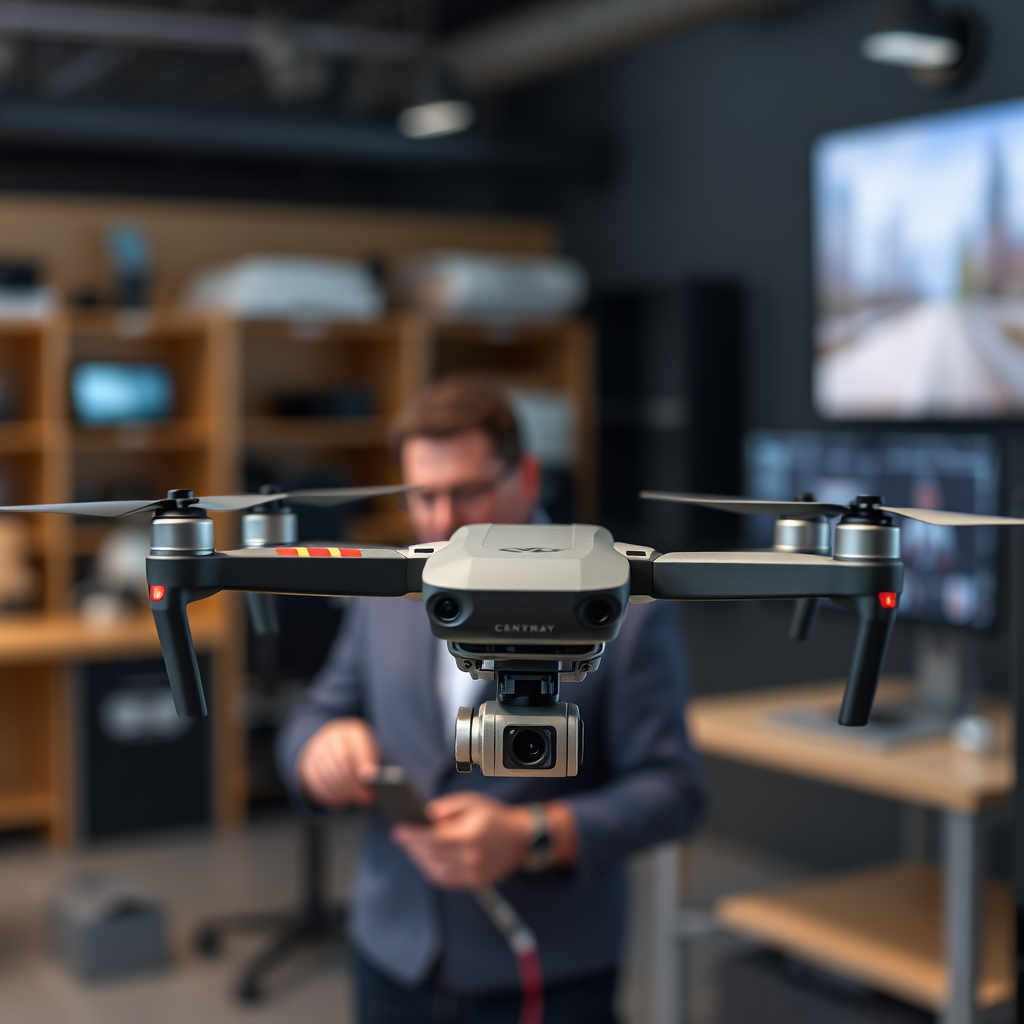
The Freefly Astro Prime is designed with versatility in mind, making it an excellent choice for users requiring modular payload capabilities. This drone allows operators to customize their setup with a variety of payload options, including sophisticated camera systems and other specialized equipment. The robust design of the Astro Prime ensures that it can withstand challenging environments, making it ideal for aerial cinematography, inspection work, and other tasks that demand reliability and adaptability. Its lightweight construction enhances flight performance and increases maneuverability, allowing users to capture high-quality footage in various conditions.
Range Capabilities
The Yuneec H850 RTK boasts an impressive operational range of up to 9km through its advanced DataLink technology. This extended range is particularly advantageous for large-scale surveying and mapping projects where covering vast distances is necessary. It allows operators to maintain a consistent connection even in challenging environments, ensuring that data transmission remains stable and reliable. Conversely, the Freefly Astro Prime operates with a 5km range utilizing its Radio Modular system. While this range may be more limited, it is still sufficient for many cinematography and inspection applications, where the primary focus is on precision rather than distance. The choice between these two drones largely depends on the specific operational requirements and the environments in which they will be deployed.
Performance and Flight Time
The Yuneec H850 RTK excels in endurance, offering extended flight times that can reach up to 50 minutes under optimal conditions. This high endurance is crucial for missions that involve extensive data collection over large areas, as it reduces the frequency of battery changes and allows for longer continuous operation. The drone’s advanced battery management system further enhances its efficiency, ensuring that operators can maximize their productivity. In contrast, the Freefly Astro Prime is optimized for payload efficiency, balancing power with flight time. While it may not match the H850 RTK’s endurance, its design allows for efficient energy use when carrying various payloads, making it suitable for dynamic filming and inspection tasks where versatility is key.
Use Cases and Applications
The Yuneec H850 RTK is particularly well-suited for applications in surveying, mapping, and precision agriculture. Its high accuracy and extended range make it invaluable for professionals in these fields who require detailed and reliable data. For instance, agricultural specialists can utilize the H850 RTK for crop monitoring and health assessment, utilizing its imaging capabilities to gather vital information efficiently. On the other hand, the Freefly Astro Prime is ideal for cinematography and complex aerial tasks that demand flexibility. Its modular design allows filmmakers to quickly switch between different camera systems, adapting to various shooting conditions and styles. This capability makes the Astro Prime a preferred choice for creative professionals seeking high-quality aerial footage.
Cost and Value Comparison
When considering the cost of these two drones, it is essential to take into account the features and capabilities they offer. The Yuneec H850 RTK is positioned at a higher price point, reflecting its advanced technology and versatility in precision applications. However, for users who require high accuracy and extended range, the investment can be justified through increased efficiency and data reliability. In contrast, the Freefly Astro Prime is often more affordable, particularly for users focusing on cinematography or specific modular tasks. Evaluating long-term value is essential; businesses should assess how each drone’s capabilities align with their operational goals and budget constraints, ensuring they choose a model that will deliver significant returns on investment.
User Experience and Support
User experience and support are critical factors when selecting a drone for enterprise operations. The Yuneec H850 RTK has garnered positive feedback for its intuitive interface and ease of use, making it accessible for both novice and experienced drone operators. Yuneec also offers robust customer support services, ensuring users can quickly resolve any issues that may arise. Similarly, Freefly has established a reputation for excellent customer service, with a community of users sharing insights and troubleshooting tips. Considering maintenance and user-friendliness, both drones have their merits, but the choice may ultimately depend on the specific needs of the operator and their technical proficiency.
The comparison of the Yuneec H850 RTK and Freefly Astro Prime reveals key differences in range, performance, and application suitability. The Yuneec H850 RTK shines with its superior range and precision capabilities, making it an excellent choice for surveying and mapping professionals. Meanwhile, the Freefly Astro Prime excels in modularity and adaptability, catering to creative professionals and those needing flexible payload options. Understanding these distinctions is crucial for making an informed decision that aligns with your operational needs. For further insights, consulting with experts or reviewing user experiences can provide additional clarity on which drone is the best fit for your specific applications.
Frequently Asked Questions
What are the key differences between the Yuneec H850 RTK and the Freefly Astro Prime in terms of range and communication technology?
The Yuneec H850 RTK offers a robust 9km data link, which is ideal for long-range operations and detailed aerial mapping. In contrast, the Freefly Astro Prime has a 5km radio modular enterprise system, providing reliable communication but with a shorter operational range. This difference can significantly impact mission planning depending on the size of the area to be covered and the level of detail required.
How does the performance of the Yuneec H850 RTK compare to the Freefly Astro Prime for professional surveying applications?
For professional surveying, the Yuneec H850 RTK is often favored due to its advanced RTK (Real-Time Kinematic) capabilities, enabling centimeter-level accuracy. While the Freefly Astro Prime is also a strong contender with its modular design and high-quality imaging, it may not match the precision offered by the H850 RTK, making the latter a preferred choice for tasks requiring meticulous data collection.
Why might I choose the Freefly Astro Prime over the Yuneec H850 RTK for enterprise use?
Choosing the Freefly Astro Prime might be beneficial if you prioritize versatility and customization in your drone operations. The Astro Prime’s modular design allows for easy integration of various payloads and accessories, making it adaptable for different enterprise applications such as cinematography, inspection, or mapping, whereas the Yuneec H850 RTK is more specialized for surveying and mapping.
Which drone offers better battery life and flight time for extended missions, the Yuneec H850 RTK or the Freefly Astro Prime?
The Yuneec H850 RTK is known for its impressive battery management, often providing longer flight times, which can exceed 30 minutes under optimal conditions. Meanwhile, the Freefly Astro Prime, depending on the payload, typically offers around 25 minutes of flight time. Therefore, if extended mission durations are crucial for your work, the H850 RTK may be the superior choice.
What factors should I consider when selecting between the Yuneec H850 RTK and the Freefly Astro Prime for my specific use case?
When selecting between these two drones, consider factors such as operational range, required accuracy, battery life, and payload flexibility. If your projects demand high precision over long distances, the Yuneec H850 RTK is likely the better option. However, if you require a more versatile platform that can adapt to various applications, the Freefly Astro Prime may be more suitable due to its modular capabilities. Furthermore, assess your specific industry needs and budget to make an informed decision.
References
- https://en.wikipedia.org/wiki/Comparison_of_multirotor_drones
- https://www.reuters.com/technology/freeflys-drone-technology-2023-10-01/
- https://www.techcrunch.com/2023/10/01/freefly-drone-astro-prime-review/
- https://www.sciencedirect.com/science/article/pii/S1361920919300743
- https://www.nasa.gov/mission_pages/tdm/technology/
- https://www.theguardian.com/technology/2023/oct/01/drones-in-farming-technology
- https://www.ncbi.nlm.nih.gov/pmc/articles/PMC7076785/
