

When it comes to choosing the right drone, understanding the differences in performance and capabilities is crucial. The Potensic Atom 3 is a compact, beginner-friendly drone with a 7.5 km FPV range, making it an excellent choice for casual flyers. In contrast, the Autel EVO II Dual 640T offers impressive thermal imaging capabilities and a substantial 12 km range, positioning it as a top-tier option for professionals in need of advanced features. In this article, we will delve into a detailed comparison of these two models, focusing on their respective strengths in FPV technology, thermal imaging, pricing, and user experiences, helping you make an informed decision.
Overview of Potensic Atom 3
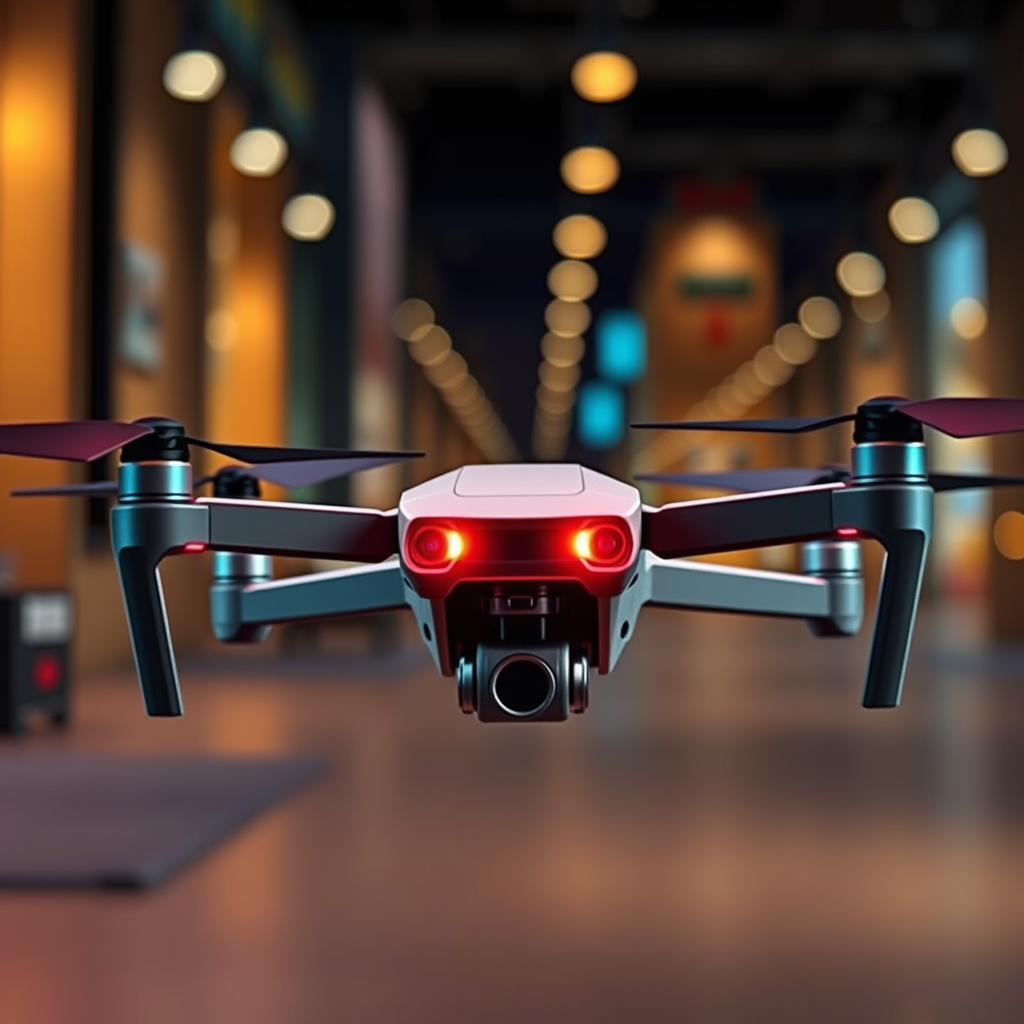
The Potensic Atom 3 stands out for its compact design, which is tailored for beginners and casual users. Weighing less than many other drones, it is highly portable, making it easy to carry for outdoor adventures. The drone also features user-friendly controls, allowing novice operators to quickly learn how to navigate and capture aerial footage without feeling overwhelmed. With a FPV range of 7.5 km, the Atom 3 is suitable for recreational flying, enabling users to enjoy extended flight times while exploring their surroundings from a unique vantage point. Its affordability further enhances its appeal, making it accessible for hobbyists looking to enter the world of drone flying without a hefty investment.
Overview of Autel EVO II Dual 640T

On the other end of the spectrum, the Autel EVO II Dual 640T is designed for professional applications, showcasing advanced thermal capabilities that make it invaluable for industries such as surveying, firefighting, and search-and-rescue operations. This drone features a robust build that can withstand various environmental conditions, ensuring reliable performance in the field. With an impressive 12 km SkyLink range, the EVO II allows operators to cover extensive areas effectively, making it an ideal tool for users who require long-distance aerial surveillance and data collection. The integration of dual sensors—one for high-resolution visual imaging and another for thermal imaging—provides comprehensive data for varied applications, solidifying its status as a leading choice for professionals.
FPV Capabilities Comparison
The FPV capabilities of the Potensic Atom 3, with its 7.5 km range, present both advantages and limitations for everyday use. This distance is more than sufficient for casual users who want to explore local parks or capture family gatherings from above. The Atom 3’s user-friendly interface and stable flight performance allow novice pilots to enjoy immersive flights without the fear of losing connection or control. However, for those seeking to utilize drones for more extensive applications, this range may feel limiting.
In contrast, the Autel EVO II’s 12 km SkyLink offers significant advantages for professional applications. This extended range enables operators to conduct thorough aerial inspections, search missions, or environmental surveys without needing to reposition frequently. The high-definition live feed provided by the EVO II ensures that users can view and analyze their surroundings in real-time, enhancing decision-making capabilities in critical situations. The robust transmission technology also minimizes signal interference, which is particularly beneficial in urban or densely populated areas where traditional signals may struggle.
Thermal Imaging Features
When it comes to thermal imaging capabilities, the Potensic Atom 3 offers basic performance, primarily focusing on FPV flying rather than thermal applications. While it may not support advanced thermal imaging, users can still find value in its visual recording capabilities for personal use, such as capturing scenic views or documenting events.
In stark contrast, the Autel EVO II Dual 640T is equipped with dual thermal sensors that provide exceptional thermal imaging capabilities. With a 640×512 resolution and a 30Hz refresh rate, the thermal camera can detect temperature variations as subtle as 0.1 degrees Celsius, making it an essential tool for professionals who require precise thermal data. The ability to switch between visual and thermal modes seamlessly allows users to conduct comprehensive assessments of structures, search for missing persons, or identify hot spots in fire scenarios. Such capabilities have made the EVO II popular among industries that rely on accurate thermal imaging for safety and efficiency.
Price and Budget Considerations
From a cost perspective, the Potensic Atom 3 is highly cost-effective, making it an attractive option for hobbyists and beginners. With a price point significantly lower than many professional drones, it allows users to explore the world of drone flying without a considerable financial commitment. This affordability does not come at the expense of quality, as the Atom 3 offers reliable performance and good build quality, appealing to those seeking a budget-friendly solution.
In contrast, the Autel EVO II Dual 640T represents a more significant investment, but the advanced features it offers justify the price for professional users. The dual thermal imaging capabilities, extended range, and superior build quality position this drone as a valuable asset for businesses and professionals who depend on precision and reliability in their operations. For those who are serious about drone usage in a professional context, the investment in the EVO II can lead to substantial returns in terms of efficiency and data accuracy.
User Experience and Reviews
User feedback for the Potensic Atom 3 generally highlights its ease of use and compact design as significant advantages. Many users appreciate its straightforward setup process and intuitive controls, which make it ideal for newcomers. Common reviews indicate that users enjoy the drone’s stable flight performance and the quality of the footage captured, especially for casual outings. However, some users express a desire for enhanced battery life and more robust features, which are typical limitations of entry-level drones.
On the other hand, insights from Autel EVO II Dual 640T users often center around its impressive performance in professional settings. Users frequently commend its thermal imaging capabilities, citing successful applications in search-and-rescue operations and infrastructure inspections. The quality of the live feed and the drone’s reliability in challenging conditions are also highly praised. However, some users note the learning curve associated with mastering the advanced functions of the drone, indicating that while powerful, it may require dedicated training to fully utilize its potential.
Final Recommendations
For those looking for an accessible entry into the world of drones, the Potensic Atom 3 is an ideal choice. Its combination of compact design, ease of use, and affordability makes it perfect for hobbyists and casual users seeking recreational flying experiences. It is best suited for individuals interested in capturing personal moments and exploring local areas without requiring advanced features.
Conversely, the Autel EVO II Dual 640T is the superior choice for professionals who require advanced thermal imaging and a longer operational range. Its capabilities are unmatched for applications in industries such as emergency services, agriculture, and construction, where precision and reliability are paramount. While it comes with a higher price tag, the investment is justified for users who need a capable tool for extensive surveying and data collection.
In conclusion, the comparison of the Potensic Atom 3 and Autel EVO II Dual 640T reveals distinct advantages for different user needs. While the Atom 3 is perfect for casual enthusiasts with its manageable range and ease of use, the Autel EVO II offers superior thermal imaging capabilities and longer range for professional applications. Weigh your options based on your specific needs and budget to make the best choice for your drone experience.
Frequently Asked Questions
What are the key differences between the Potensic Atom 3 and the Autel EVO II Dual 640T in terms of thermal imaging capabilities?
The Potensic Atom 3 is designed primarily for recreational use and offers a thermal imaging range suitable for entry-level applications, with a maximum FPV (First Person View) distance of 7.5 km. In contrast, the Autel EVO II Dual 640T features advanced thermal imaging capabilities with a dual camera setup, allowing for enhanced detail and clarity, and it boasts a SkyLink transmission range of up to 12 km. For professionals needing high-quality thermal data, the Autel EVO II Dual 640T is clearly the superior option.
How does the flight range of the Potensic Atom 3 compare to that of the Autel EVO II Dual 640T?
The Potensic Atom 3 offers a maximum flight range of 7.5 km, which is sufficient for basic outdoor surveillance and hobbyist use. However, the Autel EVO II Dual 640T significantly outperforms it with a SkyLink range of up to 12 km, making it ideal for more extensive searches or monitoring operations. This extended range can be crucial for users needing to cover larger areas without losing signal or image quality.
Why should I choose the Autel EVO II Dual 640T over the Potensic Atom 3 for thermal imaging?
Choosing the Autel EVO II Dual 640T over the Potensic Atom 3 is recommended for users who require professional-grade thermal imaging capabilities. The EVO II Dual 640T features a higher resolution thermal camera and advanced imaging technology, enabling users to detect heat signatures more accurately and from greater distances. This makes it the better option for search and rescue operations, firefighting, and other critical applications where precision is paramount.
Which drone offers better battery life, the Potensic Atom 3 or the Autel EVO II Dual 640T?
The Autel EVO II Dual 640T generally has a longer battery life, allowing for flight times of up to 40 minutes under optimal conditions. In comparison, the Potensic Atom 3 typically provides around 20-25 minutes of flight time. For users who prioritize longer operational periods, especially during extensive thermal imaging missions, the Autel EVO II Dual 640T is the more reliable choice.
What should I consider when deciding between the Potensic Atom 3 and the Autel EVO II Dual 640T for my specific needs?
When deciding between these two drones, consider your intended use, budget, and the importance of thermal imaging quality. If you are a hobbyist or require basic thermal imaging for casual use, the Potensic Atom 3 may suffice. However, for professionals or serious enthusiasts requiring high-resolution imagery, longer flight times, and superior range, the Autel EVO II Dual 640T is the better investment. Additionally, evaluate factors such as ease of use, customer support, and available accessories for each model.
References
- Thermography
- https://www.sciencedirect.com/science/article/pii/S2352864818305377
- https://www.techradar.com/news/best-thermal-imaging-cameras
- https://www.nytimes.com/2020/02/19/technology/thermal-imaging-drone.html
- https://www.nasa.gov/feature/nasa-s-advanced-thermal-sensing-systems
- https://www.researchgate.net/publication/332101916_An_Overview_of_Thermal_Imaging_Applications_in_Science_and_Industry
- https://www.wired.com/story/what-is-thermal-imaging/
