
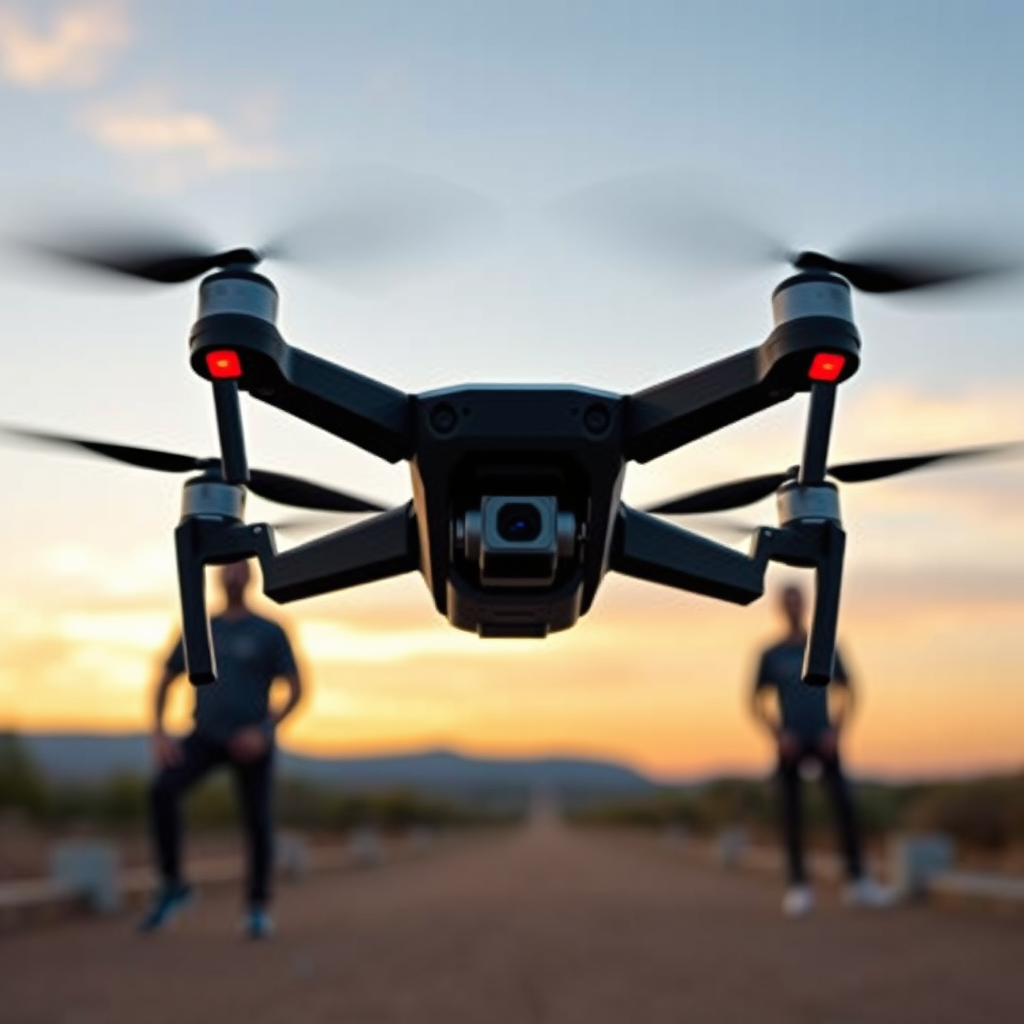
The DJI Mini 3 Pro outshines the Anzu Raptor T in terms of range and capabilities, particularly with its O3 technology allowing for a remarkable 10km transmission distance compared to the Raptor’s 7km. This significant difference in range is just one of many features that distinguish these two lightweight drones. In this article, we will explore the specific attributes, performance metrics, and compliance considerations that set the DJI Mini 3 Pro and Anzu Raptor T apart, enabling you to make an informed decision based on your needs—whether for professional use or recreational flying.
Overview of the DJI Mini 3 Pro
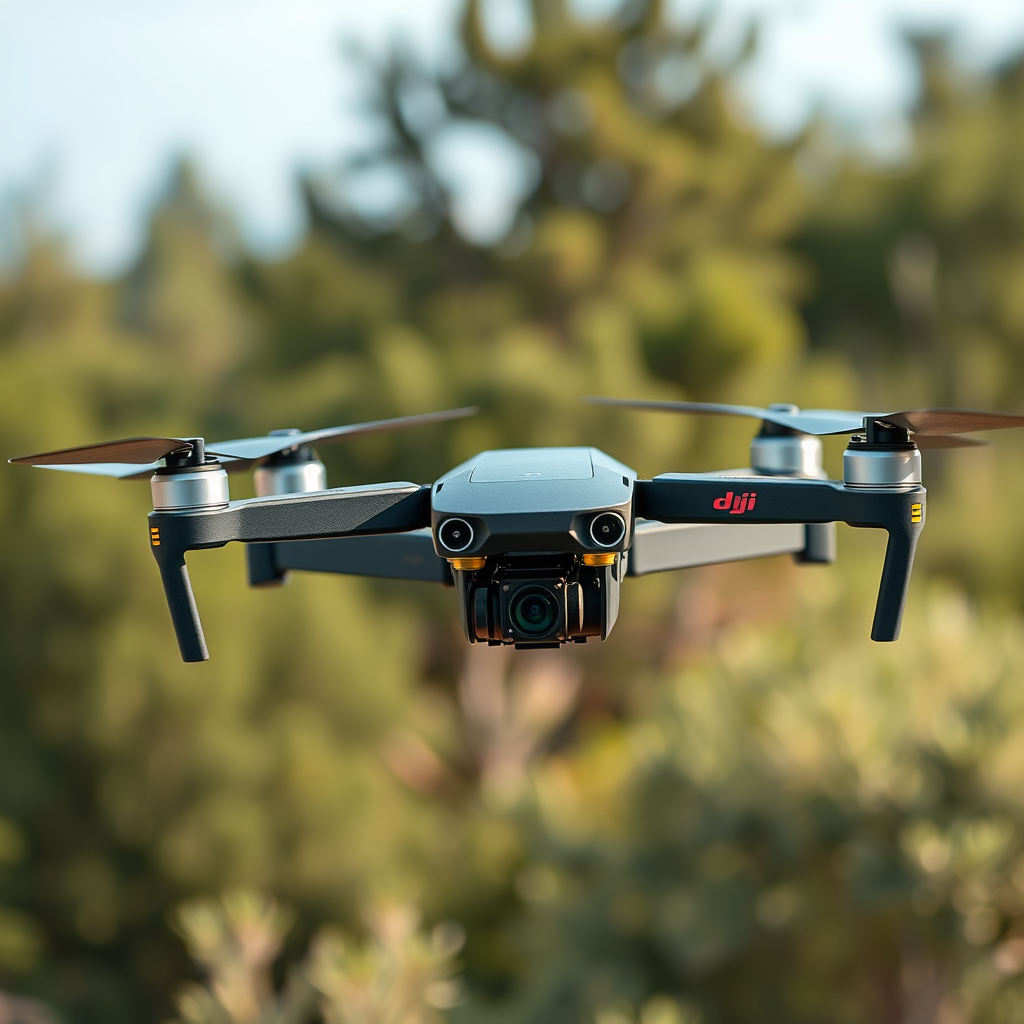
The DJI Mini 3 Pro is designed with advanced O3 transmission technology, enabling up to 10 kilometers of range. This capability is a game-changer for users who require long-distance operations, such as aerial photography, surveying, or simply capturing expansive landscapes. The drone’s compact design makes it incredibly portable, and it weighs less than 250 grams, making it easier to carry without the need for FAA registration in many regions.
Furthermore, the Mini 3 Pro boasts impressive camera capabilities, featuring a 1/1.3-inch CMOS sensor that supports 4K video recording at 60 frames per second and 48MP still photography. This advanced imaging technology allows users to capture stunning aerial shots, making it particularly appealing to professional photographers and videographers. The drone also includes intelligent flight modes like FocusTrack, which enhances user experience by allowing for automated tracking of subjects, resulting in high-quality content with minimal effort.
Overview of the Anzu Raptor T
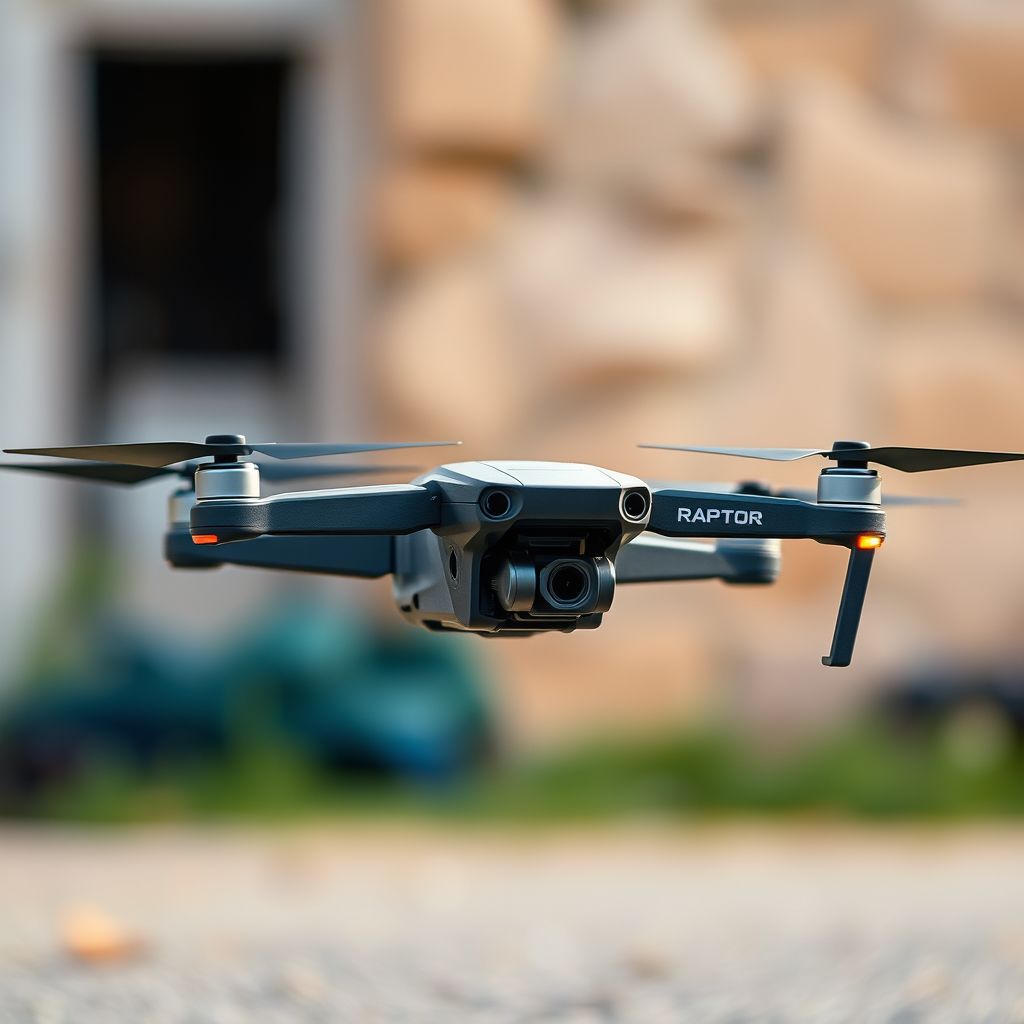
The Anzu Raptor T is a lightweight drone that offers solid build quality, making it a suitable choice for casual users and hobbyists. Weighing in at approximately 250 grams, it is easy to transport and maneuver, catering to those who may be new to drone flying. While it does not match the advanced features of the DJI Mini 3 Pro, the Raptor T has a user-friendly design that prioritizes simplicity and convenience.
This drone operates effectively within a 7km radius, which is adequate for basic tasks such as recreational flying and light photography. The Anzu Raptor T includes straightforward controls, allowing for easy operation even for novice users. Its compact design and intuitive flight features make it an attractive option for individuals seeking to explore drone technology without the complexity often associated with more advanced models.
Performance Comparison: Range and Transmission
When it comes to performance, the DJI Mini 3 Pro takes a clear lead with its impressive 10km range enabled by O3 technology. This robust transmission capability ensures a stable connection, allowing users to fly confidently at long distances without significant signal loss. This is particularly beneficial for applications like agricultural monitoring, search and rescue operations, or any scenario where a long-range capability is essential.
In contrast, the Anzu Raptor T operates effectively within a 7km radius. While this range may be sufficient for casual flying and basic tasks, it limits the drone’s applicability for more demanding operations. Users may find themselves constrained by the shorter distance, particularly if they wish to capture distant subjects or cover larger areas. Nonetheless, the Raptor T’s performance is adequate for hobbyists who prioritize ease of use and simplicity over extensive range capabilities.
Compliance and NDAA Considerations
Both the DJI Mini 3 Pro and Anzu Raptor T comply with National Defense Authorization Act (NDAA) regulations, which are crucial for users concerned about security and data integrity. However, their applications differ based on the intended use. The Mini 3 Pro is often favored by commercial operators and professional users who require reliable performance and extensive support from the manufacturer. DJI provides comprehensive resources for compliance with various regulations, making it easier for businesses to navigate legal requirements.
On the other hand, the Anzu Raptor T is designed primarily for hobbyist markets. While it adheres to NDAA standards, its applications are centered around recreational use, simplifying the compliance landscape for casual users. This differentiation may influence your choice depending on whether you intend to use the drone for commercial purposes or personal enjoyment.
Camera and Imaging Capabilities
In terms of camera and imaging capabilities, the DJI Mini 3 Pro significantly outshines the Anzu Raptor T. Equipped with a 1/1.3-inch CMOS sensor, the Mini 3 Pro supports 4K video recording and a range of advanced photography features, including HDR and Night Shot modes. This allows users to capture high-quality aerial footage and stunning images that are ideal for professional projects. The drone also includes features like QuickShots, enabling users to create cinematic shots with ease, enhancing the overall value for content creators.
While the Anzu Raptor T offers decent imaging for its class, it lacks the advanced functionalities and resolution support found in the Mini 3 Pro. The camera capabilities are generally limited to lower-resolution video and still images, which may not meet the expectations of users seeking high-quality visual content. For casual users, the Raptor T may suffice for basic photography, but it does not provide the same level of performance and versatility as the Mini 3 Pro.
User Experience and Ease of Use
User experience is a crucial aspect when comparing these two drones. The DJI Mini 3 Pro incorporates intuitive controls and an easy-to-navigate app that enhances the flying experience. The DJI Fly app provides users with a plethora of features, including real-time telemetry data, intelligent flight modes, and straightforward editing tools for post-flight content management. This level of integration ensures that both novice and experienced pilots can easily operate the drone and produce impressive results.
In contrast, the Anzu Raptor T focuses on simplicity, making it accessible for novice drone pilots. Its straightforward controls and minimalistic design reduce the learning curve, allowing users to enjoy flying without getting bogged down by complex features. This ease of use may appeal to beginners who prioritize a hassle-free experience over advanced functionalities.
Pricing and Value for Money
When considering pricing, the DJI Mini 3 Pro generally comes at a higher price point due to its advanced features and capabilities. However, for professionals and serious enthusiasts, the investment may be justified by the performance, range, and imaging quality it offers. Additionally, the support and resources provided by DJI enhance the overall value for commercial users.
On the other hand, the Anzu Raptor T is positioned as a more budget-friendly option, making it an appealing choice for those who are new to drones or have budget constraints. While it may not match the performance or capabilities of the Mini 3 Pro, it provides solid value for casual users looking for a reliable and easy-to-use drone. Ultimately, the choice between these two models will depend on your specific needs, budget, and intended use.
The DJI Mini 3 Pro clearly leads in performance, range, and advanced features, while the Anzu Raptor T serves as a solid option for beginner users seeking simplicity. Depending on your requirements, whether professional or recreational, choosing between these two will come down to your specific needs for performance and ease of use. Explore your options today and make an informed decision that best fits your drone flying aspirations.
Frequently Asked Questions
What are the key differences between the DJI Mini 3 Pro and the Anzu Raptor T in terms of flight range and capabilities?
The DJI Mini 3 Pro boasts an impressive O3 transmission system that allows for a flight range of up to 10 kilometers, making it ideal for long-distance aerial photography and videography. In contrast, the Anzu Raptor T offers a maximum range of 7 kilometers, which may be sufficient for casual users but limits its application for professional use. Additionally, the Mini 3 Pro has advanced features like obstacle avoidance and intelligent flight modes, enhancing its usability for creative projects.
How does the NDAA compliance affect the choice between the DJI Mini 3 Pro and the Anzu Raptor T?
The National Defense Authorization Act (NDAA) compliance is crucial for government and military users who require assurance that their drones are manufactured in compliance with specific security standards. The DJI Mini 3 Pro is NDAA-compliant, making it a safer choice for users in sensitive environments. In contrast, the Anzu Raptor T, while lightweight and versatile, may not meet these compliance standards, which could limit its use in certain professional fields.
Which drone is better suited for beginners, the DJI Mini 3 Pro or the Anzu Raptor T?
For beginners, the DJI Mini 3 Pro is often considered the better option due to its user-friendly interface and intelligent flight features like auto takeoff and landing, as well as various shooting modes that simplify capturing stunning images and videos. The Anzu Raptor T, while lightweight and portable, may require a steeper learning curve for new users due to its advanced functionalities. Therefore, beginners looking for ease of use should lean towards the DJI Mini 3 Pro.
Why should I consider flight time when choosing between the DJI Mini 3 Pro and the Anzu Raptor T?
Flight time is a critical factor for drone users, as it directly impacts how much area can be covered in a single session. The DJI Mini 3 Pro offers an impressive flight time of approximately 34 minutes, allowing for extended shooting sessions without the need for frequent battery changes. In comparison, the Anzu Raptor T typically provides a shorter flight time, which could restrict the amount of footage you can capture in one outing. Thus, for those prioritizing longer flight durations, the Mini 3 Pro stands out as the superior choice.
What additional features should I consider when comparing the DJI Mini 3 Pro and the Anzu Raptor T?
When evaluating the DJI Mini 3 Pro versus the Anzu Raptor T, consider features such as camera quality, stability, and smart flight modes. The Mini 3 Pro is equipped with a high-quality camera capable of 4K video recording and has advanced stabilization technology, ensuring smooth footage even in windy conditions. Additionally, it includes features like automated subject tracking and cinematic modes, enhancing creative possibilities. The Anzu Raptor T, while functional, may lack some of these advanced features, making the Mini 3 Pro more appealing for creatives and professionals alike.
References
- https://en.wikipedia.org/wiki/DJI_Mini_3_Pro
- Federal Aviation Administration
- Technology news, features and analysis from Guardian US | The Guardian
- BBC Technology | Technology, Health, Environment, AI
- https://www.nytimes.com/2023/03/27/technology/drones-faa-regulations.html
- https://www.reuters.com/technology/drones-us-china-trade-war-2023-08-15/
- https://www.techcrunch.com/2023/05/10/dji-mini-3-pro-review/
- https://www.sciencedirect.com/science/article/pii/S2352864819300571
