
The DJI Air 3S clearly surpasses the Anzu Raptor T in range and camera capabilities, establishing itself as the premier choice for serious drone enthusiasts. With its advanced O4 transmission system and superior dual-camera setup, the Air 3S is designed for those who demand high performance and quality in their aerial photography and videography. In this article, we will delve into a comprehensive comparison of these two drones, focusing on their range, camera features, flight performance, NDAA compliance, pricing, and user feedback.
Range Comparison: O4 20km vs. 7km
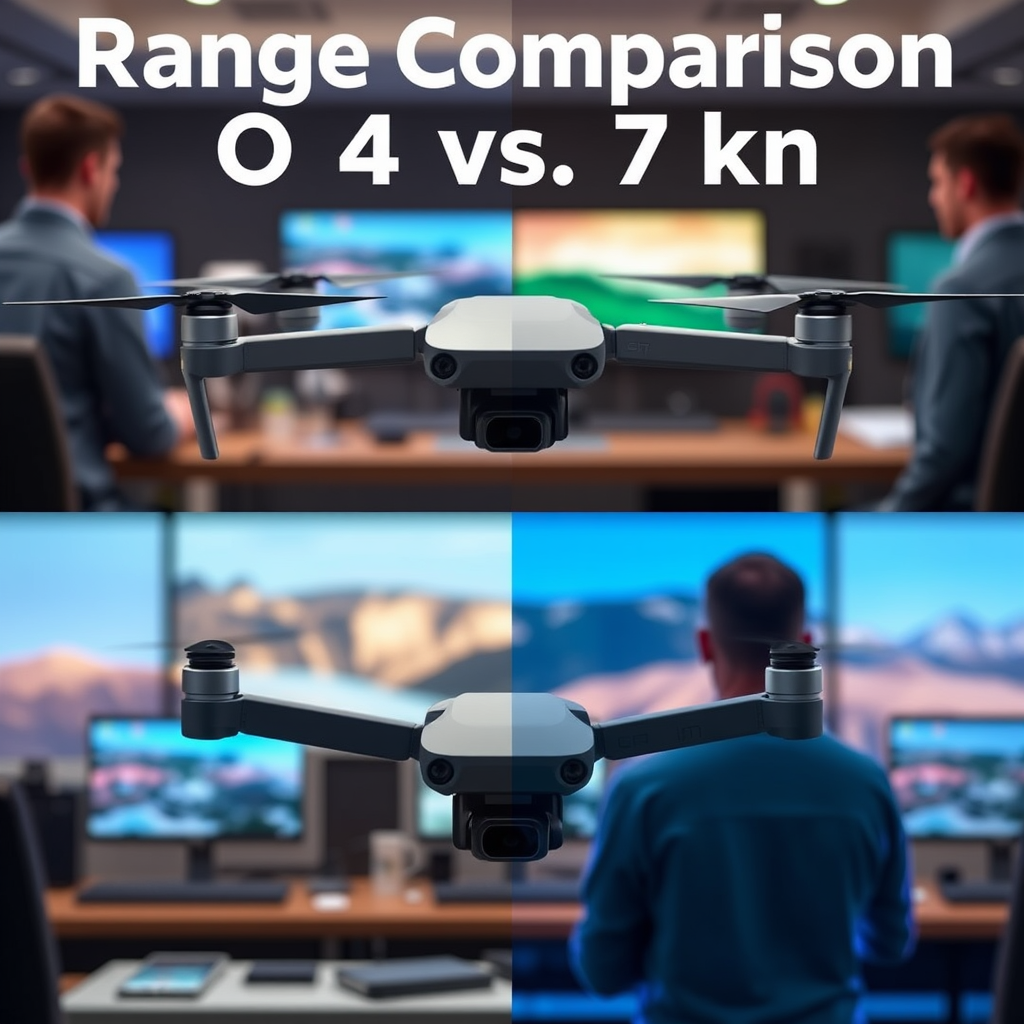
The range of a drone is a critical factor for users who wish to explore vast areas without losing signal. The DJI Air 3S features an impressive O4 transmission system, which allows for a maximum range of up to 20 kilometers. This capability enables users to capture stunning footage from extensive distances, making it ideal for landscape photography, surveying large properties, or simply enjoying long-distance flights. The O4 system also enhances the stability of the video feed, ensuring a smooth piloting experience even at maximum distances.
Conversely, the Anzu Raptor T has a more limited range of 7 kilometers, which may significantly restrict its usability in larger areas. While this range is adequate for most casual flying activities, it can be a limiting factor for professional users who require more flexibility in their operations. For instance, someone looking to document a sprawling outdoor event or monitor a large construction site may find the Raptor T’s range insufficient. Thus, when it comes to range performance, the DJI Air 3S is the clear winner.
Camera Capabilities: Dual-Camera Systems
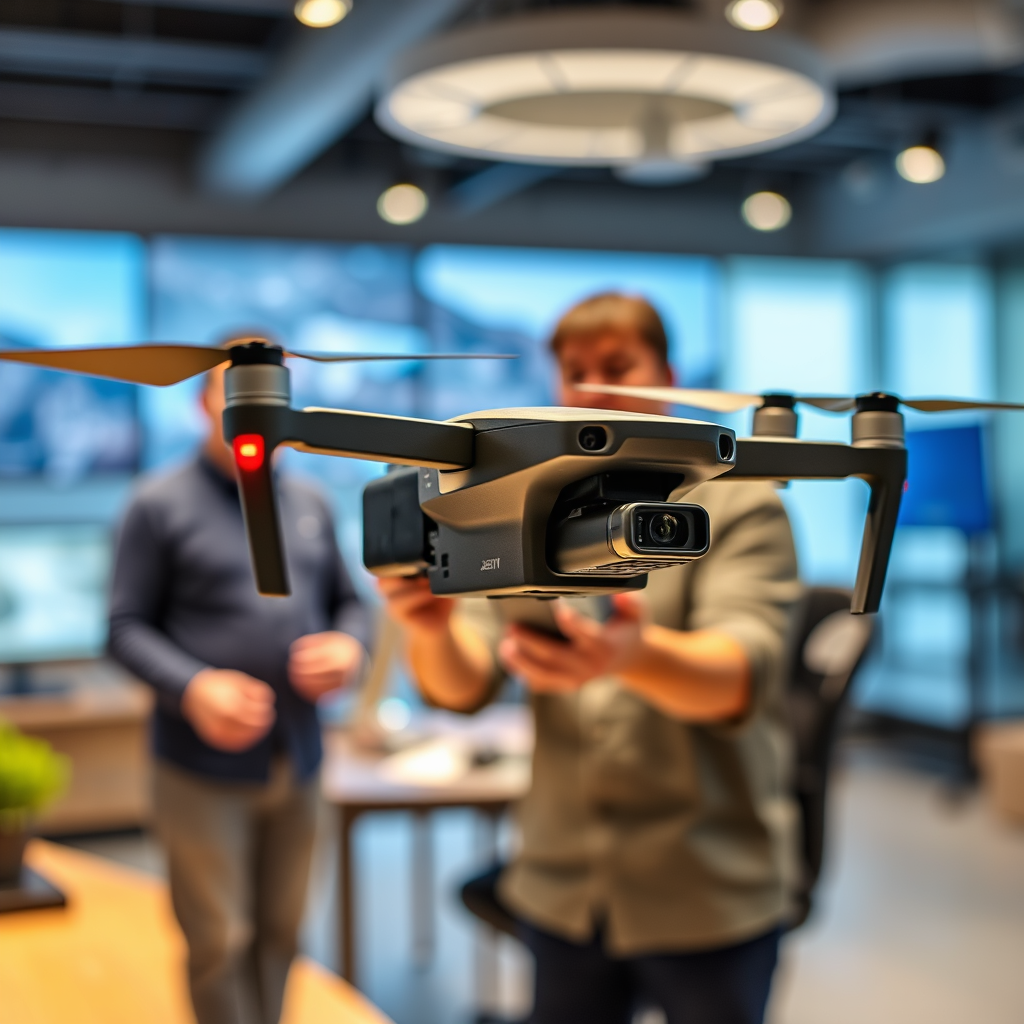
Camera quality is often a decisive factor for drone users, particularly those engaged in photography and videography. The DJI Air 3S is equipped with a dual-camera setup featuring a 1/1.3-inch sensor. This advanced sensor not only captures breathtaking 4K video at up to 60fps but also excels in low-light conditions, making it suitable for twilight or nighttime shooting. The Air 3S also supports various shooting modes, including HDR and D-Cinelike color profiles, allowing users to create cinematic-quality footage with greater dynamic range and color accuracy.
In contrast, the Anzu Raptor T, while also featuring dual cameras, employs a smaller sensor that may not perform as effectively in challenging lighting conditions. The smaller sensor size might lead to lower image quality, particularly in low-light environments or when shooting high-contrast scenes. Although the Raptor T can produce decent images, it falls short of the stunning quality delivered by the Air 3S. For users whose primary focus is high-quality imagery, the DJI Air 3S is undoubtedly the superior option.
Flight Performance: Stability and Ease of Use
Flight performance encompasses several factors, including stability, control responsiveness, and user-friendliness. The DJI Air 3S is renowned for its exceptional flight stability, thanks in part to its advanced GPS and obstacle avoidance systems. This makes it suitable for both beginners and experienced pilots, allowing users to concentrate on capturing their shots rather than worrying about controlling the drone. The Air 3S also features intelligent flight modes, like ActiveTrack and Waypoints, that simplify complex maneuvers, making it easier to achieve professional-looking results.
The Anzu Raptor T, while stable in flight, may require a bit more skill to operate effectively due to its design and control scheme. Users may find the need to engage with manual settings more frequently, which could be a barrier for those new to drone flying. While experienced users may appreciate the ability to control the Raptor T more finely, novices could find it daunting. Thus, in terms of overall flight performance and user experience, the DJI Air 3S stands out as a more accessible and reliable choice.
NDAA Compliance: What You Need to Know
In the current regulatory landscape, understanding NDAA (National Defense Authorization Act) compliance is essential for users in government or sensitive sectors. Both the DJI Air 3S and the Anzu Raptor T comply with NDAA regulations, ensuring they meet government standards for security and safety. This compliance is crucial for organizations that require drones for operations in secure environments, as it helps mitigate risks associated with data security.
However, it is important to note that while both drones are compliant, the specific applications and use cases may differ. Users in sensitive sectors should thoroughly evaluate their specific requirements and the operational capabilities of each drone to ensure compliance with all relevant regulations and guidelines. By understanding NDAA compliance, users can make informed decisions that safeguard both their operations and data integrity.
Price and Value: Which Offers More Bang for Your Buck?
When it comes to pricing, the DJI Air 3S comes at a premium but offers extensive features and capabilities that justify the investment. Priced higher than the Anzu Raptor T, the Air 3S provides exceptional value for serious hobbyists and professionals who prioritize quality and performance. Features like advanced camera systems, extended range, and intelligent flight modes cater to users seeking the best tools for high-quality aerial photography and videography.
On the other hand, the Anzu Raptor T is a more budget-friendly option, making it an attractive choice for casual users or those just starting in the drone hobby. While it may lack some of the advanced features of the Air 3S, its affordability makes it accessible for individuals who do not require top-tier performance or extensive range. Ultimately, the choice between the two will depend on individual needs and budget constraints.
User Reviews and Feedback
User feedback can provide valuable insights into the real-world performance of both drones. The DJI Air 3S receives widespread praise for its exceptional camera quality, long-range capabilities, and ease of use. Users often highlight the clarity and detail of the images captured, as well as the reliability of the drone’s performance in various flying conditions. Many consider it a worthwhile investment for both personal and professional use.
In contrast, the Anzu Raptor T receives mixed reviews. While some users appreciate its affordability and basic functionality for casual flying, others point out limitations in range and camera performance. Users have noted that while the Raptor T serves well for simple tasks, it may not meet the expectations of those looking for more advanced features or capabilities. This feedback underscores the importance of aligning drone choice with intended use and experience level.
Final Thoughts on Choosing the Right Drone
When deciding between the DJI Air 3S and the Anzu Raptor T, it is essential to consider your specific needs, including range, camera quality, and budget. The DJI Air 3S is best suited for serious hobbyists or professionals seeking high-quality imagery and extensive operational range. In contrast, the Anzu Raptor T may appeal to casual users looking for an affordable entry point into the world of drones.
By understanding the strengths and weaknesses of both the DJI Air 3S and the Anzu Raptor T, you can make an informed decision that aligns with your aerial photography and flying aspirations. Whether you prioritize range, camera quality, or budget, one of these drones is sure to meet your requirements and enhance your flying experience.
Frequently Asked Questions
What are the key differences in camera capabilities between the DJI Air 3S and Anzu Raptor T?
The DJI Air 3S features a dual-camera system with a primary 1-inch sensor that excels in low-light conditions and captures 20MP stills, while the Anzu Raptor T boasts a dual-camera setup designed for different aerial perspectives but with a smaller sensor that captures 12MP images. The Air 3S’s camera is optimized for high-quality video recording, supporting 5.4K at 30fps, whereas the Raptor T is geared more towards utility and security applications with a maximum of 4K resolution. This makes the Air 3S a better choice for hobbyists focused on photography and videography.
How does the transmission range impact the usability of the DJI Air 3S compared to the Anzu Raptor T?
The DJI Air 3S offers an impressive O4 transmission range of up to 20 kilometers, allowing users to fly the drone farther away without losing signal, ideal for expansive landscapes or capturing remote locations. In contrast, the Anzu Raptor T has a more limited transmission range of 7 kilometers, which may restrict its usability for extensive aerial surveys or recreational flying. Therefore, if long-distance flight is a priority for you, the DJI Air 3S is the superior option.
Why is NDAA compliance important when choosing between the DJI Air 3S and Anzu Raptor T?
NDAA compliance is crucial for users, particularly in government or military sectors, as it ensures that the drone does not contain components from manufacturers deemed a national security risk by the U.S. government. The Anzu Raptor T is designed with NDAA compliance in mind, making it a suitable choice for users who require adherence to these regulations. On the other hand, while the DJI Air 3S is a popular consumer drone, it may not meet NDAA standards, which could limit its use in sensitive applications.
Which drone offers better battery life and flight time, the DJI Air 3S or Anzu Raptor T?
The DJI Air 3S typically offers a flight time of up to 46 minutes under optimal conditions, which is significantly longer than the Anzu Raptor T’s flight time of approximately 30 minutes. This extended battery life of the Air 3S allows for more extensive aerial photography sessions and reduces the need for frequent recharges, making it a more efficient option for serious drone enthusiasts or professionals needing longer operational periods.
What should I consider when deciding between the DJI Air 3S and Anzu Raptor T for my specific use case?
When choosing between the DJI Air 3S and Anzu Raptor T, consider your primary use case—whether it’s for high-quality photography, long-distance flights, or compliance with NDAA regulations. If you prioritize superior camera quality and longer flight times for creative projects, the DJI Air 3S stands out. However, if your focus is on operational compliance and utility applications such as surveillance or inspection, the Anzu Raptor T may better suit your needs. Assessing these factors will help you select the drone that aligns best with your objectives.
References
- DJI Air
- https://www.reuters.com/technology/dji-launches-new-drone-air-3-with-dual-camera-2023-07-25/
- https://www.techcrunch.com/2023/07/26/dji-air-3-review/
- Apple is taking applications for Vision Pro developer kits | The Verge
- https://www.wired.com/story/dji-air-3-review/
- https://www.cnbc.com/2023/07/25/dji-air-3-drone-launch.html
- Page Not Found | GovInfo
