
The DJI Air 3S clearly outperforms the Anzu Raptor V in terms of range, boasting an impressive O4 20km capability compared to the Raptor’s 7km. However, both drones cater to distinct audiences and serve unique purposes, making them appealing for varying use cases. In this article, we’ll delve into their specifications, camera functionalities, and determine which drone might suit your aerial photography and videography needs best.
Overview of the Drones
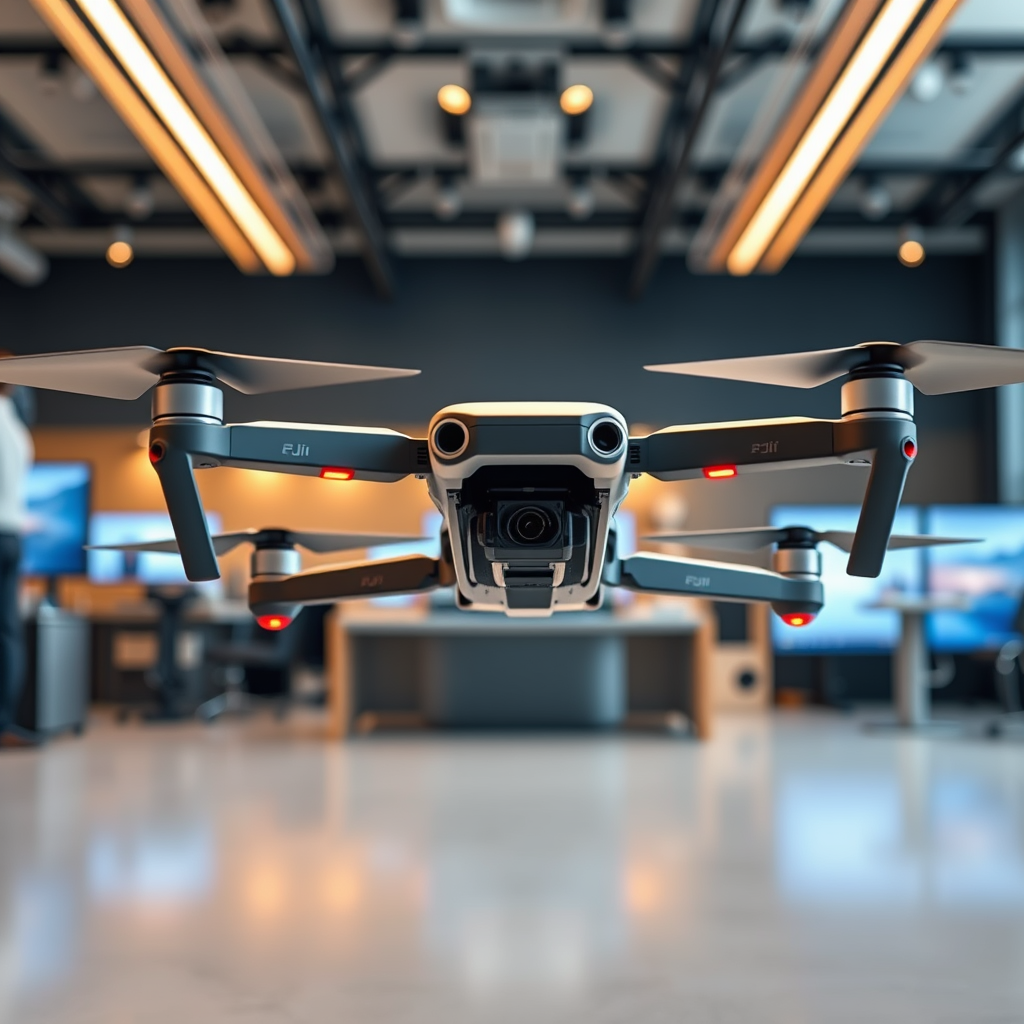
The DJI Air 3S and Anzu Raptor V represent two different philosophies in drone design and functionality. The DJI Air 3S is engineered for professionals and enthusiasts who demand high performance, advanced features, and superior imaging capabilities. With its robust build and extensive software support, it is ideal for commercial applications, including aerial surveying, filmmaking, and real estate photography.
In contrast, the Anzu Raptor V targets a more budget-conscious audience, appealing to hobbyists and casual users who want to explore drone flying without a significant financial commitment. Its design focuses on user-friendliness and essential features that still deliver decent performance, making it suitable for recreational use, educational purposes, or as a first-time drone for beginners.
Camera Capabilities
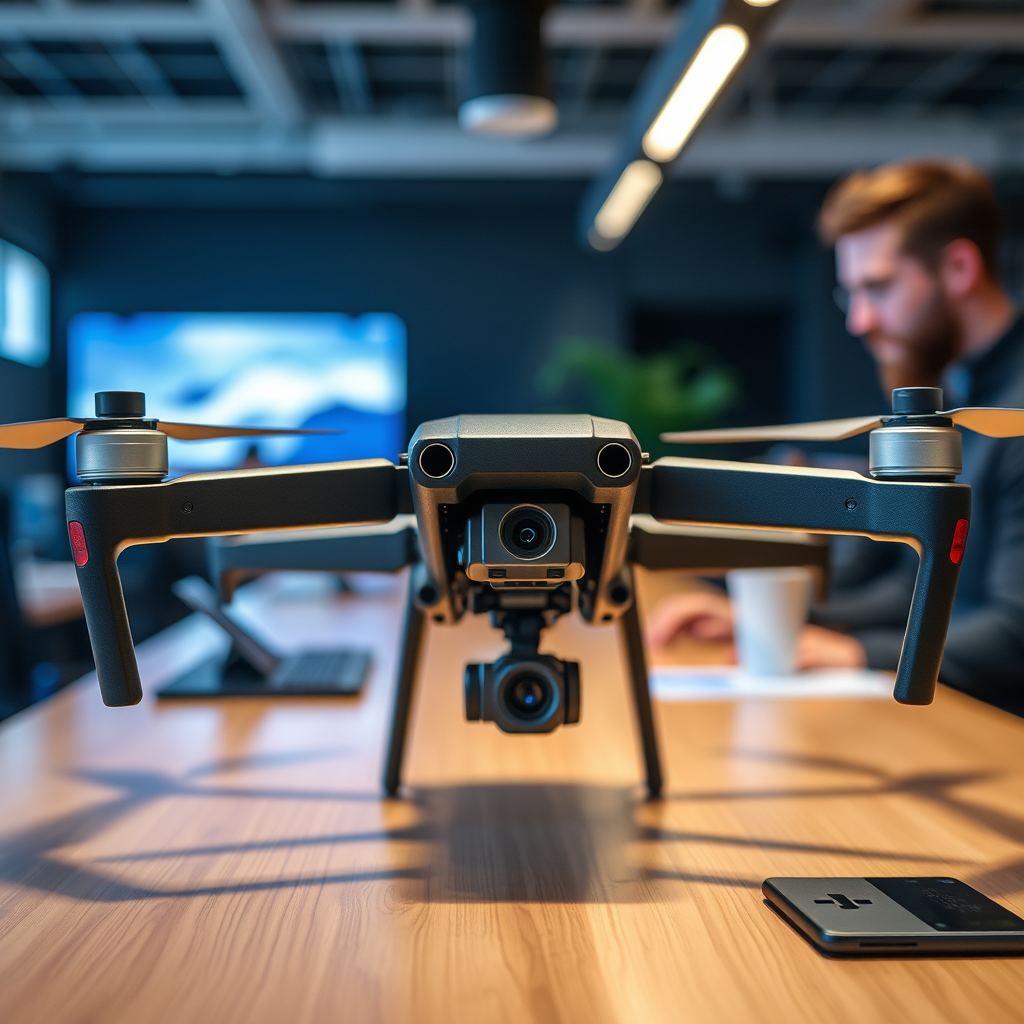
Both drones feature dual-camera systems, but their implementations and resulting image quality differ significantly. The DJI Air 3S is equipped with a high-resolution 1-inch CMOS sensor that supports 5.4K video recording at 60fps, providing stunning clarity and vibrant colors. Its dual-lens setup includes a wide-angle lens and a telephoto lens, allowing for versatile shot compositions and exceptional low-light performance.
On the other hand, the Anzu Raptor V features a dual-camera system as well, but with a focus on affordability rather than cutting-edge technology. Its primary camera offers 1080p video recording, which, while adequate for casual users, does not match the Air 3S’s capabilities. The Raptor’s secondary camera is optimized for object tracking and basic photography, making it useful for fun outdoor experiences but less suitable for professional-grade projects.
Range and Flight Time
When it comes to range, the DJI Air 3S dominates with its O4 technology, achieving an impressive 20km transmission range. This extended range allows for longer flights and the ability to capture images and videos over vast landscapes without losing connection. In practical terms, this means users can explore remote locations and cover more ground without fear of signal loss.
Conversely, the Anzu Raptor V has a more limited range of 7km, which may restrict its usability for those looking to fly over extended distances. For casual users, this may not pose a significant issue; however, professionals may find this limitation constraining, especially in scenarios requiring extensive aerial coverage. Additionally, both drones offer competitive flight times, with the Air 3S providing up to 46 minutes on a single charge, while the Raptor V can achieve around 30 minutes, making the Air 3S the more reliable choice for longer projects.
Compliance and Regulations
In an increasingly regulated drone market, compliance with the National Defense Authorization Act (NDAA) is crucial for commercial users. The DJI Air 3S is NDAA-compliant, making it a safe choice for government contracts and commercial endeavors requiring adherence to strict U.S. regulations. This compliance provides peace of mind to users who need to ensure their equipment meets legal standards.
The Anzu Raptor V, while not specifically marketed as NDAA-compliant, still offers a range of functionalities that align with the needs of recreational users. For hobbyists and casual flyers, compliance may not be a primary concern; however, professional users should always verify compliance to avoid legal complications.
User Experience and Controls
User experience can significantly affect how effectively one utilizes a drone. The DJI Air 3S is renowned for its intuitive user interface, complete with customizable controls and an advanced remote controller featuring a built-in display. This allows users to monitor real-time flight data and camera settings, enhancing the overall flying experience. Additionally, the Air 3S offers multiple flight modes, including Follow Me, Waypoint, and Point of Interest, catering to both novice and experienced pilots.
In contrast, the Anzu Raptor V provides a more simplified experience. Its interface is designed for ease of use, with basic flight modes that are accessible to beginners. However, the absence of advanced features may leave seasoned pilots wanting more. While the Raptor V can perform essential maneuvers, it lacks the refined capabilities and versatility found in the Air 3S, which could be a deciding factor for users seeking a more comprehensive flying experience.
Price and Value
Pricing is a crucial aspect to consider when evaluating these two drones. The DJI Air 3S typically retails at a premium price point, reflecting its advanced technologies and professional-grade features. For serious users, the investment may justify the enhanced capabilities, particularly for those engaged in commercial projects where quality and reliability are paramount.
Conversely, the Anzu Raptor V comes in at a much lower price, making it an attractive option for budget-conscious consumers or those new to drone flying. While it may not offer the same advanced features, it provides sufficient value for recreational users looking to enjoy aerial photography and videography without a hefty investment. Ultimately, the decision comes down to the specific needs and budget constraints of potential buyers.
Ideal Use Cases
For professional users, the DJI Air 3S is undoubtedly the superior choice. Its extensive range, high-quality camera, and advanced functionalities make it ideal for commercial applications such as real estate, film production, and surveying. The ability to capture stunning visuals over long distances is invaluable for professionals looking to elevate their work.
On the other hand, the Anzu Raptor V excels in scenarios where budget constraints and ease of use are the primary considerations. It is perfect for recreational users, educational settings, and as an introductory drone for those looking to learn the basics of flying without overwhelming complexity. While it may not meet the needs of serious photographers or videographers, it certainly has its place in the market for casual enjoyment.
The DJI Air 3S offers superior range and camera capabilities, making it a strong choice for professional users, while the Anzu Raptor V may appeal to hobbyists and those looking for budget-friendly options. Consider your specific needs and use cases when making a decision. If you’re ready to elevate your drone experience, evaluating these features will guide you to the right choice.
Frequently Asked Questions
What are the key differences between the DJI Air 3S and Anzu Raptor V in terms of camera capabilities?
The DJI Air 3S features a dual-camera system with a 1-inch sensor capable of capturing 20MP stills and 5.4K video, which excels in low-light conditions and offers a broader dynamic range. In contrast, the Anzu Raptor V is designed with a specialized dual-camera setup that emphasizes high-resolution imaging but is limited to a 7km transmission range, making it less versatile for long-distance aerial photography and videography compared to the Air 3S.
How does the transmission range affect the usability of the DJI Air 3S compared to the Anzu Raptor V?
The DJI Air 3S boasts an impressive transmission range of up to 20 kilometers, which allows for extended flight times and the ability to capture footage in remote locations without losing signal. On the other hand, the Anzu Raptor V’s 7km range may restrict users who plan to shoot in expansive areas, potentially leading to connectivity issues and limited operational flexibility during flight.
Why is the NDAA compliance important for drone buyers considering the DJI Air 3S and Anzu Raptor V?
NDAA compliance is crucial as it ensures that the drone meets specific security and privacy standards set by the U.S. government, particularly for users in government and commercial sectors. Both the DJI Air 3S and Anzu Raptor V are designed to comply with these regulations, which increases trustworthiness and makes them suitable for sensitive operations, thus influencing buyers’ decisions based on the intended use of the drone.
Which drone is better for professional videography, the DJI Air 3S or the Anzu Raptor V?
For professional videography, the DJI Air 3S is often regarded as the superior choice due to its advanced imaging capabilities, including high-resolution 5.4K video and superior low-light performance. Its longer transmission range and stable flight characteristics also enhance its usability for capturing cinematic shots, while the Anzu Raptor V, although capable, may not provide the same level of image quality or versatility needed for high-end productions.
What factors should I consider when choosing between the DJI Air 3S and Anzu Raptor V?
When choosing between the DJI Air 3S and Anzu Raptor V, consider factors such as your primary use case (recreational vs. professional), desired transmission range, camera quality, and compliance with regulations like NDAA. Additionally, evaluate the battery life, ease of use, and available features like obstacle avoidance and automated flight modes to ensure you select a drone that best fits your specific needs and skill level.
References
- DJI Air
- https://www.theverge.com/2023/8/25/23845487/dji-air-3-review-drone-camera
- https://www.reuters.com/technology/dji-launches-new-drone-featuring-advanced-camera-2023-07-25/
- https://www.wired.com/story/dji-air-3-drone-review/
- https://www.techcrunch.com/2023/07/25/dji-air-3-drone-launch/
- https://www.nytimes.com/2023/07/25/technology/dji-air-3-drone.html
- https://www.cnet.com/news/dji-air-3-review/
- https://www.sciencedirect.com/science/article/pii/S235286482300336X
