

The Yuneec H850 RTK clearly surpasses the Anzu Raptor V when it comes to range and data transmission capabilities, making it the superior choice for professional applications that demand high performance and precision. This comparison will explore the essential features of both drones, shedding light on their specifications, performance, and suitability for various professional use cases. By the end of this article, you’ll be equipped with the necessary insights to make an informed decision that aligns with your specific requirements.
Overview of Yuneec H850 RTK
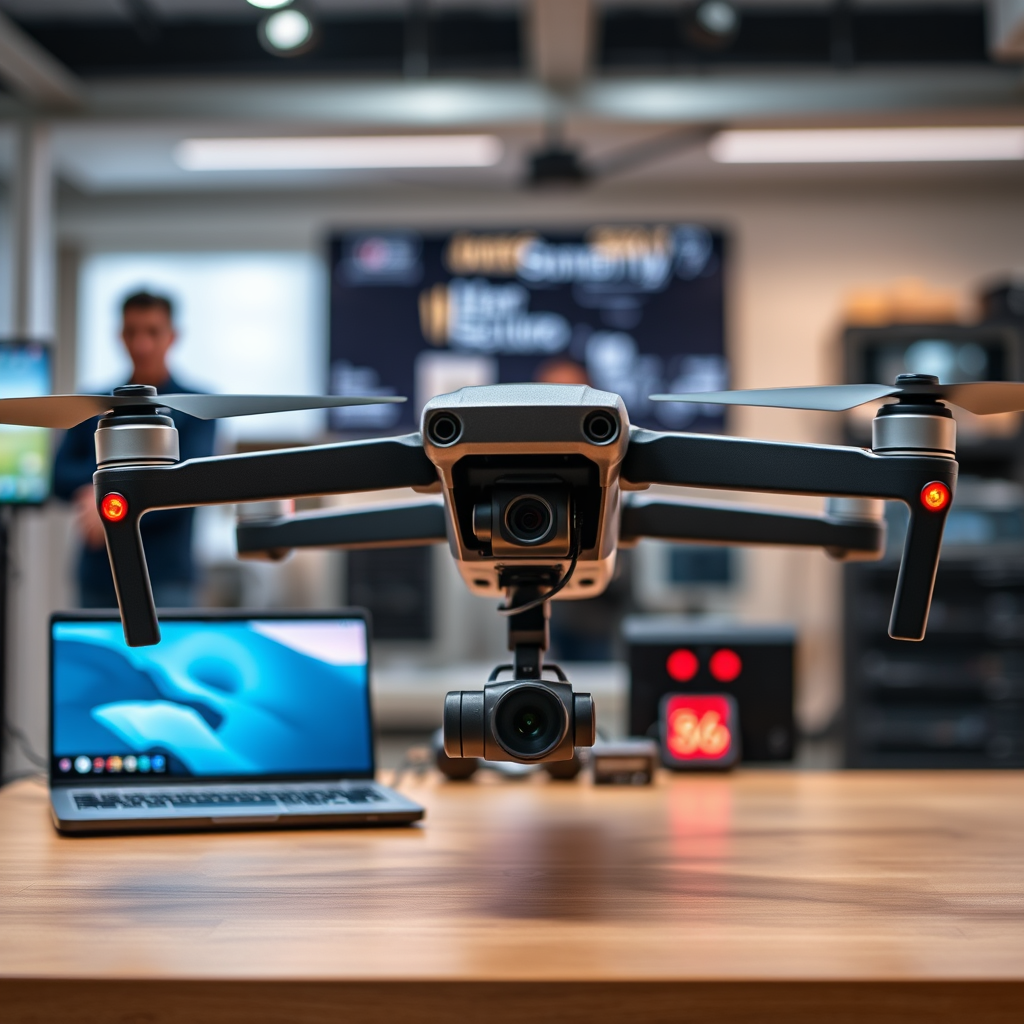
The Yuneec H850 RTK is designed to meet the rigorous demands of various professional sectors, particularly in surveying and agriculture. One of its standout features is the impressive 9km DataLink, which allows for real-time data transfer and communication between the drone and its control station. This capability ensures that operators can monitor flight paths and gather data instantaneously, which is crucial for time-sensitive projects.
Moreover, the H850 is equipped with advanced Real-Time Kinematic (RTK) capabilities, enhancing its precision in mapping and surveying tasks. RTK technology utilizes satellite signals to achieve centimeter-level accuracy, making it indispensable for tasks that require meticulous detail. Whether you’re mapping topographical features or conducting agricultural assessments, the H850 RTK delivers reliable and high-quality data collection even in complex environments where GPS signals may be weak or inconsistent.
Overview of Anzu Raptor V
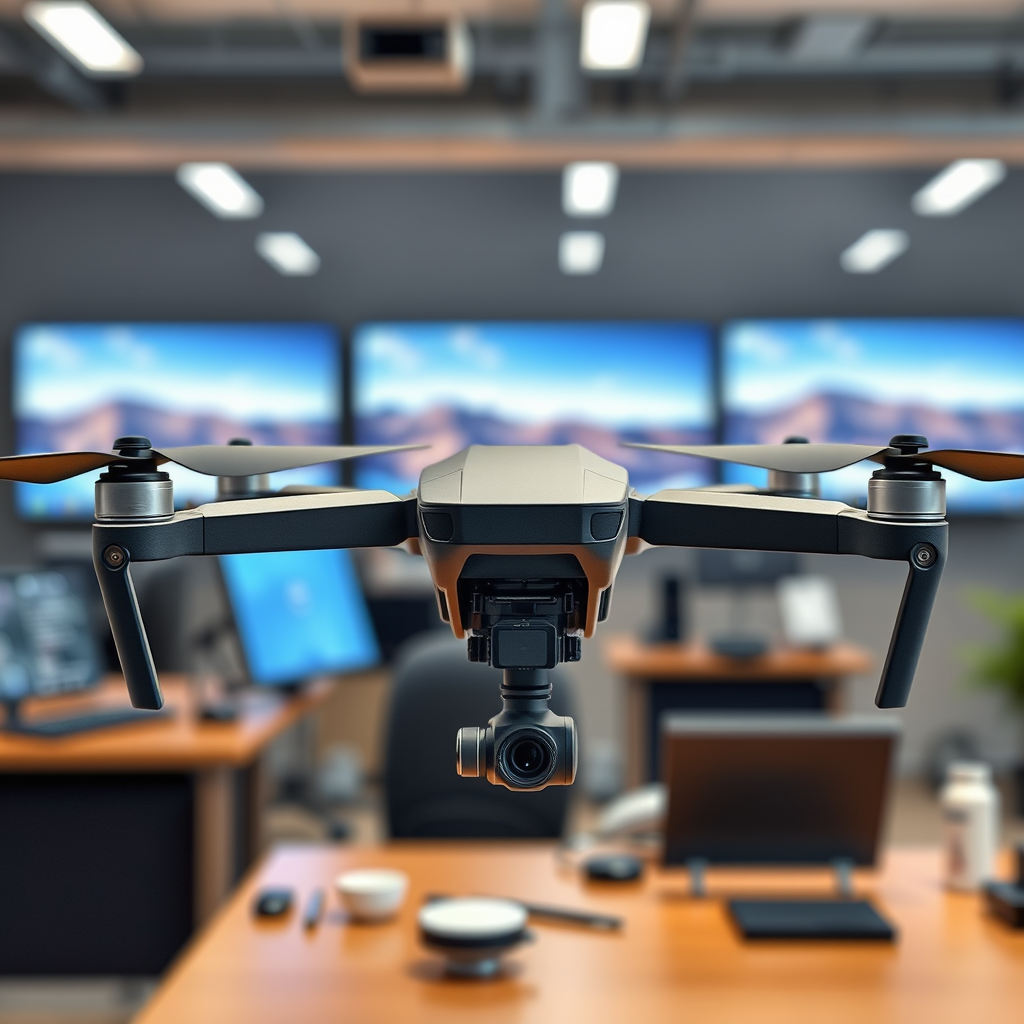
The Anzu Raptor V, on the other hand, presents a unique proposition with its 7km NDAA modular design. The emphasis here is on flexibility and customization, allowing users to modify the drone according to their specific operational needs. The modular approach means that users can easily upgrade components, integrate new technologies, or adjust payloads without needing a completely new drone. This adaptability is particularly valuable in dynamic environments where requirements can shift rapidly.
Additionally, the Anzu Raptor V is built with the National Defense Authorization Act (NDAA) compliance in mind, making it an appealing option for government and defense applications. The focus on modularity ensures that users can tailor their drone to various missions, from aerial surveillance to environmental monitoring, thus maximizing its utility across multiple sectors.
Performance Comparison
When comparing the performance of these two drones, the Yuneec H850 RTK’s superior range becomes a significant advantage. With its 9km DataLink, users can operate the drone over longer distances without sacrificing the quality of the data being transmitted. This extended range is particularly beneficial for large-scale projects, where extensive areas must be covered efficiently.
Conversely, the Anzu Raptor V’s 7km range may limit its effectiveness in situations requiring extensive coverage. However, its modularity allows users to prioritize different configurations based on specific needs, making it a highly versatile option. For instance, if a mission requires specialized sensors or payloads, the Raptor V can be customized accordingly, which is a distinct benefit for users who value adaptability over sheer range.
Use Cases for Yuneec H850 RTK
The Yuneec H850 RTK excels in applications that demand high precision and reliability. It is particularly suited for surveying and mapping tasks where accuracy is paramount. For example, civil engineers and land surveyors can leverage its RTK capabilities to create detailed topographic maps and conduct land assessments with confidence.
Additionally, in agriculture, the H850 RTK can be employed for precision farming, enabling farmers to monitor crop health through high-resolution aerial imagery. This drone can provide insights into soil conditions, irrigation needs, and crop performance, ultimately leading to more informed decision-making and increased yields.
In complex environments, such as urban areas or regions with significant topographical variations, the H850’s robust data collection capabilities provide a distinct advantage, ensuring that operators can navigate and gather information effectively.
Use Cases for Anzu Raptor V
The modular design of the Anzu Raptor V opens up a broad spectrum of use cases across various industries. Its adaptability makes it ideal for projects that may require different configurations throughout their lifecycle. For instance, in the realm of environmental monitoring, users can quickly swap out sensors to capture specific data—be it air quality measurements or wildlife surveillance.
Moreover, the Raptor V is advantageous for organizations that require rapid deployment of drones for various missions. Its customizable nature allows teams to reconfigure the drone for different tasks, making it an efficient tool for emergency response scenarios where time is of the essence.
In addition, the modularity appeals to tech-savvy users who enjoy experimenting with new technologies and configurations, thus fostering innovation and creativity in drone applications.
Price and Value Assessment
When considering price points, the Yuneec H850 RTK typically commands a premium due to its advanced features and capabilities. The investment can be justified by its superior performance, particularly for users who require high-precision data and extensive operational range.
In contrast, the Anzu Raptor V often presents a more budget-friendly option, especially for users focused on flexibility and modularity. The ability to customize and upgrade the drone can provide long-term value, as organizations can adjust their equipment without incurring the costs of acquiring entirely new drones.
Ultimately, the choice between these two drones may come down to the specific needs and budgets of users. Professionals in sectors demanding high precision may find the Yuneec H850 RTK to be worth the investment, while those seeking versatility and cost-effectiveness may gravitate toward the Anzu Raptor V.
User Experience and Reviews
User feedback on the Yuneec H850 RTK generally highlights its reliability and precision. Many operators praise its ease of use, especially in the context of complex data collection tasks. The RTK capabilities are frequently cited as a game-changer for professionals needing accurate mapping and surveying results. Users report minimal downtime and high satisfaction with the quality of data collected.
On the other hand, Anzu Raptor V users often appreciate the drone’s customization potential and modularity. Many find the ability to quickly adapt the drone for different missions to be a significant advantage, particularly in fast-paced environments. Reviews also note the intuitive interface, which makes it accessible for both novice and experienced drone operators.
Both drones have garnered positive reviews, but the choice ultimately depends on the priorities of the user—whether it’s the need for precision or the desire for adaptability.
The Yuneec H850 RTK is a standout option for professionals seeking extended range and precision in data collection, while the Anzu Raptor V offers flexibility and modularity for varied applications. Evaluating your specific needs, budget, and operational requirements will help you determine which drone aligns best with your objectives.
Frequently Asked Questions
What are the key differences between the Yuneec H850 RTK and the Anzu Raptor V?
The Yuneec H850 RTK features advanced real-time kinematic (RTK) capabilities, providing high-precision positioning for applications like surveying and mapping. In contrast, the Anzu Raptor V offers a modular design and is optimized for versatility in various operational scenarios. The H850 RTK has a longer flight time and payload capacity, making it ideal for longer missions, while the Raptor V is designed for quick deployments and adaptability.
How does the 9km DataLink of the Yuneec H850 RTK compare to the 7km range of the Anzu Raptor V?
The Yuneec H850 RTK’s 9km DataLink provides a superior communication range, which is crucial for applications needing real-time data transmission over extended distances. This extended range allows for seamless control and data gathering in larger areas, making it suitable for professional and industrial uses. In contrast, the Anzu Raptor V’s 7km range may suffice for smaller projects or urban environments where obstacles could limit transmission distances.
Why is NDAA compliance important for drones like the Yuneec H850 RTK and Anzu Raptor V?
NDAA compliance is crucial for government and defense contracts, ensuring that the drones used are free from foreign influence and vulnerabilities. The Yuneec H850 RTK and Anzu Raptor V, being modular and compliant, assure users that they are investing in secure technology. This compliance not only protects sensitive data but also aligns with regulatory requirements, making these drones preferable for clients in sensitive sectors.
Which drone is better for mapping and surveying: Yuneec H850 RTK or Anzu Raptor V?
The Yuneec H850 RTK is generally regarded as the better choice for mapping and surveying due to its RTK capabilities, which provide high accuracy in geospatial data collection. Its extended flight time and payload capacity also support various mapping instruments, enhancing operational efficiency. The Anzu Raptor V, while versatile, is better suited for applications requiring quick adaptability rather than precision mapping.
How does the modular design of the Anzu Raptor V enhance its operational flexibility?
The modular design of the Anzu Raptor V allows users to easily swap out components, such as payloads and sensors, to meet specific mission requirements. This adaptability makes it suitable for a wide range of applications, from environmental monitoring to disaster response. Additionally, the ability to upgrade or customize enables users to keep pace with technological advancements without needing to purchase a new drone, ultimately saving costs over time.
References
- Unmanned aerial vehicle
- https://www.reuters.com/technology/yuneec-launches-new-drone-h850-rtk-2020-09-30/
- https://www.nytimes.com/2021/08/09/technology/drone-regulations.html
- https://www.techcrunch.com/2022/10/12/drone-technology-advancements/
- https://www.sciencedirect.com/science/article/pii/S2352864821002856
- Unmanned Aircraft Systems (UAS) | Federal Aviation Administration
- https://www.nasa.gov/aeroresearch/products/unmanned-aerial-systems
- https://www.darpa.mil/work-with-us/for-industry/national-defense-authorization-act-ndaa
- https://www.theguardian.com/technology/2020/oct/01/yuneec-drone-rtk-technology-uses
